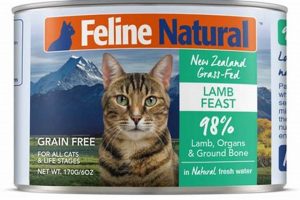
Dietary restrictions related to sodium intake are a significant consideration in canine nutrition. Certain commercially prepared, moist meals for dogs are formulated with reduced levels of this mineral. This formulation is often recommended by veterinarians for animals with specific health concerns, such as heart or kidney disease, where minimizing sodium consumption is crucial for managing their condition.
The benefit of controlled sodium in a dog’s diet centers on reducing stress on the cardiovascular and renal systems. By minimizing sodium intake, the body requires less fluid retention, easing the workload on the heart and kidneys. This dietary approach can be a key component in maintaining the overall well-being and quality of life for dogs predisposed to, or diagnosed with, these conditions. The development of these specialized diets reflects an increasing awareness of the impact of nutrition on canine health.
The following sections will delve into specific aspects of these diets, including how to determine if they are necessary for a dog, the associated benefits and risks, and guidance on selecting appropriate products.
Guidance on Using Reduced Sodium Moist Dog Food
This section provides essential guidance regarding the appropriate and responsible use of specially formulated moist canine meals designed to limit sodium intake. Implementing these considerations can ensure the well-being of dogs requiring such diets.
Tip 1: Consult with a Veterinarian: Prior to implementing a restricted sodium diet, seek professional veterinary advice. A veterinarian can accurately diagnose underlying health conditions that necessitate sodium restriction and provide tailored dietary recommendations.
Tip 2: Read Labels Carefully: Scrutinize product labels for sodium content. Compare different brands and formulations to identify options that meet the prescribed dietary requirements. Pay attention to the ‘as fed’ basis for accurate comparison.
Tip 3: Understand the “Dry Matter Basis”: The “dry matter basis” reflects the nutrient content after moisture has been removed, providing a more accurate comparison between canned and dry food. Consult online calculators or seek veterinary assistance to convert sodium levels to a dry matter basis.
Tip 4: Monitor Water Intake: While counterintuitive, restricting sodium can affect a dog’s thirst. Ensure continuous access to fresh water to prevent dehydration, especially in warm weather or during increased physical activity.
Tip 5: Transition Gradually: Introduce the new diet gradually to minimize digestive upset. Over a period of several days, progressively increase the proportion of the restricted sodium meal while decreasing the amount of the original food.
Tip 6: Avoid Sodium-Rich Treats: Complement the controlled diet with appropriate treats. Many commercially available dog treats contain substantial sodium. Opt for low-sodium alternatives or consider using vegetables like green beans or carrots as healthier substitutes.
Tip 7: Regular Veterinary Check-ups: Routine veterinary examinations are essential to monitor the effectiveness of the diet and make necessary adjustments. Bloodwork and urine analysis can provide valuable insights into kidney function and electrolyte balance.
Adherence to these guidelines facilitates the responsible and effective implementation of dietary sodium restriction, optimizing the health and well-being of affected canines.
The next section will address potential risks and considerations when using a diet limited in sodium.
1. Cardiac Support

Cardiac support, in the context of canine nutrition, represents a crucial consideration for dogs diagnosed with or predisposed to heart conditions. The management of sodium intake through specialized diets plays a pivotal role in alleviating cardiac stress and supporting overall cardiovascular health.
- Blood Pressure Regulation
Elevated sodium levels contribute to increased blood volume, placing a greater burden on the heart to pump blood throughout the body. Reducing sodium intake helps regulate blood pressure, reducing the workload on the heart muscle. This is particularly important for dogs with conditions such as congestive heart failure or hypertension.
- Fluid Retention Mitigation
Sodium is a key electrolyte involved in fluid balance. Excessive sodium intake leads to increased fluid retention, which can exacerbate symptoms of heart disease, such as edema (swelling) and ascites (fluid accumulation in the abdomen). Low-sodium diets aim to minimize fluid retention, improving cardiac function and reducing associated discomfort.
- Myocardial Function Enhancement
By decreasing the workload on the heart, a reduced sodium diet can contribute to improved myocardial (heart muscle) function. This allows the heart to pump more efficiently, improving blood circulation and oxygen delivery to vital organs. In cases of dilated cardiomyopathy or mitral valve disease, supporting myocardial function is essential for managing the progression of the condition.
- Medication Efficacy Optimization
Many medications prescribed for canine heart conditions, such as diuretics and ACE inhibitors, work in conjunction with dietary sodium restriction. A low-sodium diet can enhance the effectiveness of these medications, leading to better control of symptoms and improved outcomes. Compliance with dietary recommendations is crucial for maximizing the benefits of pharmaceutical interventions.
The synergistic effect of reduced sodium moist meals and veterinary-prescribed medications offers a comprehensive approach to cardiac support in canines. Careful monitoring of sodium intake, combined with regular veterinary check-ups, ensures the dietary plan is effectively supporting the animal’s cardiovascular health and overall well-being.
2. Renal Function

Impaired renal function necessitates careful management of dietary sodium. The kidneys play a critical role in regulating electrolyte balance, including sodium. In cases of chronic kidney disease (CKD) or acute kidney injury (AKI), the kidneys’ ability to effectively filter sodium is compromised, leading to potential sodium retention and associated complications.
Reduced sodium in moist canine meals directly impacts renal health by minimizing the workload placed on compromised kidneys. Excessive sodium intake requires the kidneys to work harder to excrete the excess, which can further damage already weakened renal tissues. By limiting sodium intake, the kidneys experience less strain, aiding in maintaining fluid balance and reducing the risk of hypertension, a common complication of renal disease. For example, dogs in the early stages of CKD may benefit significantly from a reduced-sodium diet, as it can slow the progression of the disease and improve overall quality of life. In severe cases, where the kidneys have limited function, dietary sodium restriction becomes even more paramount to preventing life-threatening complications, such as pulmonary edema.
The implementation of dietary sodium restriction in canines with renal dysfunction presents specific challenges. It is important to ensure the diet remains palatable and that the animal consumes sufficient calories. Veterinary supervision is essential to monitor renal function through bloodwork and urinalysis, allowing for adjustments to the diet as needed. Ultimately, the link between renal function and the need for low-sodium moist food centers on minimizing the burden on compromised kidneys, thereby improving patient outcomes and potentially extending life expectancy.
3. Ingredient Analysis

Ingredient analysis is paramount when evaluating moist canine meals designed for sodium restriction. Careful examination of the ingredient list and guaranteed analysis ensures the food aligns with the dietary needs of dogs requiring limited sodium intake due to health concerns.
- Sodium Content Verification
The primary focus of ingredient analysis is to confirm the stated sodium content of the moist meal. This involves comparing the guaranteed analysis on the product label with established guidelines for sodium restriction. It is crucial to understand whether the sodium content is expressed on an “as fed” or “dry matter” basis. Misinterpretation can lead to inaccurate assessments of sodium intake. For example, a product with a seemingly low “as fed” sodium content might be unsuitable if, on a dry matter basis, the sodium levels are elevated.
- Sodium Source Identification
Ingredient analysis extends to identifying the specific sources of sodium in the food. Common sources include salt (sodium chloride), but sodium can also be present in other ingredients such as sodium phosphate or sodium nitrite, often used as preservatives. Understanding the sources of sodium aids in evaluating the overall quality of the product and its suitability for sodium-restricted diets. For instance, a product primarily using natural ingredients with inherently low sodium levels might be preferred over one relying on sodium-based preservatives.
- Ingredient Suitability Assessment
Ingredient analysis allows for assessing the suitability of all ingredients, considering potential interactions with sodium management. Certain ingredients may have inherent sodium content that, while not explicitly listed as added salt, contributes to the overall sodium load. Furthermore, ingredients known to promote fluid retention or exacerbate kidney function should be carefully evaluated. For example, a diet high in phosphorus might be contraindicated in dogs with kidney disease, despite having low sodium content.
- Protein and Mineral Balance
While restricting sodium, maintaining proper protein and mineral balance is equally important. Ingredient analysis should examine protein sources, fat content, and the presence of essential minerals such as potassium and chloride. Imbalances can lead to nutritional deficiencies or exacerbate existing health conditions. For example, if protein is reduced drastically to lower sodium, it may not meet the animal’s protein requirements.
In conclusion, a comprehensive ingredient analysis goes beyond simply checking the sodium percentage. It requires scrutinizing the source of sodium, evaluating the suitability of all ingredients in relation to the animal’s health condition, and ensuring the food provides balanced nutrition. Only through such detailed analysis can informed decisions be made regarding the selection of appropriate reduced sodium moist meals for canines.
4. Palatability Concerns
Palatability presents a significant hurdle in the effective implementation of reduced-sodium diets for canines. The inherent challenge stems from sodium chloride’s (table salt) role as a flavor enhancer, which is often reduced or eliminated in these specialized formulations. Consequently, dogs accustomed to standard commercial diets may exhibit reluctance to consume meals lacking this familiar palatant. This aversion can lead to reduced caloric intake, weight loss, and potential nutritional deficiencies, particularly problematic for animals with underlying health conditions requiring both sodium restriction and adequate nutrition. For instance, a dog with congestive heart failure requiring a low-sodium diet might refuse to eat the prescribed food, leading to a decline in overall health despite the appropriate dietary intervention.
To address palatability issues, manufacturers employ various strategies, including the incorporation of alternative flavor enhancers such as hydrolyzed proteins or natural flavorings derived from poultry or fish. Additionally, varying textures and moisture content can influence a dog’s acceptance of the food. Gradual introduction of the new diet, combined with warming the food slightly to enhance aroma, may also improve palatability. Some veterinarians recommend mixing small amounts of familiar, low-sodium ingredients, such as cooked chicken or rice, into the new food to encourage consumption. However, it is crucial to consult with a veterinarian before adding any supplemental ingredients to ensure they do not compromise the sodium restriction.
Ultimately, addressing palatability concerns is essential for ensuring compliance with dietary sodium restriction. While formulating for taste, manufacturers must also ensure that the food remains nutritionally complete and balanced, and aligns with the specific health requirements of the canine patient. Success depends on a combination of innovative formulation techniques, careful monitoring of dietary intake, and proactive management of any resulting feeding aversion. The goal is to strike a balance between therapeutic sodium reduction and maintenance of adequate nutritional intake, thereby optimizing the dog’s well-being.
5. Veterinary Supervision

The implementation of dietary sodium restriction in canines necessitates veterinary oversight due to the potential for both therapeutic benefits and adverse consequences. Low-sodium canned meals are frequently prescribed for dogs with specific medical conditions, such as congestive heart failure or chronic kidney disease. However, the appropriateness of such a diet, as well as the specific level of sodium restriction, varies considerably depending on the individual animal’s health status, concurrent medications, and the severity of the underlying disease. A veterinarian is essential in accurately diagnosing the condition requiring sodium restriction and determining the optimal dietary strategy. For example, a dog with early-stage kidney disease may benefit from a moderate reduction in sodium intake, while a dog with advanced heart failure requires a more stringent limitation. A veterinarians expertise ensures that the dietary intervention aligns with the dogs unique medical needs.
Furthermore, veterinary supervision extends beyond the initial dietary recommendation. Regular monitoring of clinical signs, bloodwork, and urinalysis is crucial to assess the effectiveness of the low-sodium diet and to detect any potential complications. A sudden decrease in sodium levels, although potentially beneficial for managing certain conditions, can disrupt electrolyte balance and lead to hyponatremia, a potentially life-threatening condition. Similarly, changes in kidney function can necessitate adjustments to the diet and medication regimen. Real-world examples demonstrate that dogs on low-sodium diets require close monitoring for dehydration, especially during periods of increased activity or hot weather. Veterinary intervention allows for timely adjustments to fluid intake and electrolyte supplementation, preventing serious health complications. The absence of veterinary supervision may result in inadequate sodium restriction, rendering the diet ineffective, or conversely, excessive restriction, leading to detrimental effects.
In conclusion, veterinary supervision serves as an indispensable component of any dietary sodium restriction plan for canines. It ensures that the dietary intervention is appropriate, safe, and effective. By providing accurate diagnosis, personalized recommendations, ongoing monitoring, and timely adjustments, veterinary care optimizes the benefits of low-sodium moist meals and minimizes the risks associated with electrolyte imbalances and other complications. This collaborative approach, between the veterinarian and the pet owner, is critical for managing the health and well-being of dogs requiring dietary sodium control.
Frequently Asked Questions
This section addresses common inquiries related to sodium-restricted diets for canines, providing informative answers based on veterinary medical knowledge.
Question 1: Why is low sodium canned dog food recommended for some dogs?
Reduced sodium formulations are typically recommended for canines diagnosed with specific medical conditions, most commonly congestive heart failure or chronic kidney disease. These conditions impair the body’s ability to regulate sodium levels, necessitating dietary intervention to manage fluid balance and reduce strain on the affected organs.
Question 2: How can a dog owner determine if a reduced-sodium diet is necessary?
The determination of dietary needs should be made by a qualified veterinarian. Diagnostic testing, including bloodwork and urinalysis, combined with a thorough physical examination, allows the veterinarian to assess the animal’s health status and determine if sodium restriction is warranted.
Question 3: What are the potential risks of feeding a low sodium canned dog food to a healthy dog?
While generally safe, excessive sodium restriction in healthy dogs can lead to electrolyte imbalances, specifically hyponatremia (low blood sodium). This condition can cause lethargy, muscle weakness, and in severe cases, neurological dysfunction. It is generally not advisable to feed sodium-restricted diets to healthy dogs unless specifically recommended by a veterinarian.
Question 4: How should a dog owner transition their pet to a reduced-sodium canned diet?
A gradual transition is crucial to minimize gastrointestinal upset. The new food should be introduced incrementally over a period of 5-7 days, gradually increasing the proportion of the reduced-sodium food while decreasing the amount of the original diet. This allows the dog’s digestive system to adapt to the new formulation.
Question 5: Where can a dog owner find reliable information about the sodium content of canned dog food?
The product label provides the guaranteed analysis, including the percentage of sodium. However, it is essential to understand whether the sodium content is expressed on an “as fed” or “dry matter” basis for accurate comparison. Consulting with a veterinarian or a veterinary nutritionist can provide further clarity.
Question 6: What are some signs that a dog’s low-sodium diet needs adjustment?
Signs that a diet adjustment may be necessary include changes in appetite, weight loss, increased thirst or urination, lethargy, or the recurrence or worsening of clinical signs related to the underlying medical condition. Regular veterinary check-ups, including bloodwork and urinalysis, are essential for monitoring the diet’s effectiveness and making necessary adjustments.
These FAQs provide a foundational understanding of sodium-restricted diets for canines. It is imperative to consult with a veterinarian for personalized dietary recommendations tailored to each animal’s unique health requirements.
The following section will summarize the key takeaways from this article.
Low Sodium Canned Dog Food
The preceding discussion has underscored the significance of these specialized diets in managing specific canine health conditions. The information presented has explored the rationale behind these formulations, emphasizing their role in supporting cardiac and renal function. Crucially, it has highlighted the necessity for veterinary guidance in determining the appropriateness of such diets and in monitoring their efficacy. Ingredient analysis, palatability considerations, and potential risks have been addressed, providing a comprehensive overview of this dietary approach.
The judicious use of these meals, under the supervision of a veterinarian, can significantly improve the quality of life for canines with compromised cardiovascular or renal systems. However, indiscriminate use carries potential risks. Responsible pet ownership necessitates informed decision-making, and a continued emphasis on veterinary collaboration remains paramount in ensuring the well-being of affected animals.


![[FAQ] Can I Feed Goldfish Betta Food? Risks & Tips | World’s Most Delicious Foods: Must-Try Dishes from Every Country](https://lisasfoods.com/wp-content/uploads/2026/05/th-278-300x200.jpg "[FAQ] Can I Feed Goldfish Betta Food? Risks & Tips World’s Most Delicious Foods: Must-Try Dishes from Every Country")