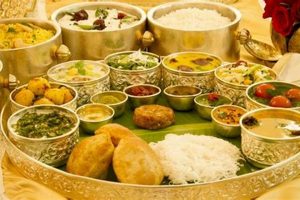
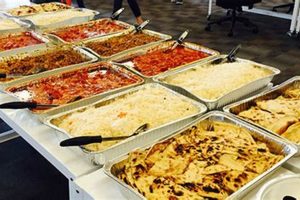
The culinary landscape of the Indian subcontinent is remarkably diverse, exhibiting significant regional variations. These differences are particularly pronounced when comparing the cuisines of the southern and northern regions. Southern fare frequently features rice as a staple, alongside lentil-based dishes like sambar and rasam, and utilizes coconut milk and tamarind to impart distinct flavors. In contrast, the northern regions often rely on wheat-based breads such as naan and roti, with richer, cream-based gravies and a greater emphasis on meat-based dishes.
Understanding the divergence in culinary traditions is crucial for appreciating the breadth and depth of Indian gastronomy. Historical factors, including climate, agricultural practices, and external influences, have all contributed to shaping these regional distinctions. For example, the warmer climate of the south favors rice cultivation, while the cooler north is more conducive to wheat production. Furthermore, historical interactions with various cultures have left their mark, influencing ingredient selection and cooking techniques.
The subsequent sections will delve into specific aspects that differentiate these culinary styles, examining the key ingredients, prevalent cooking methods, and iconic dishes that define them. This exploration will provide a more detailed understanding of the nuances that make each regional cuisine unique and appealing.
Culinary Distinctions
Discerning the nuances within Indian culinary traditions is essential for both aspiring cooks and avid diners. The following tips offer insights into identifying and appreciating the distinct characteristics of each style.
Tip 1: Recognize the Staple Grain: Southern Indian meals prominently feature rice, often served steamed, as idli, or as dosa. Northern Indian cuisine relies more heavily on wheat, commonly in the form of roti, naan, or paratha.
Tip 2: Understand the Role of Lentils: Sambar and rasam, lentil-based stews, are ubiquitous in South Indian meals. While lentils are also used in North Indian cooking, they are prepared with different spices and techniques, often resulting in thicker, creamier dals.
Tip 3: Observe the Use of Dairy: While dairy is used across India, northern preparations frequently incorporate cream, ghee (clarified butter), and yogurt in richer and more generous quantities compared to southern dishes.
Tip 4: Identify Key Spices: Mustard seeds, curry leaves, and asafoetida are commonly used in Southern Indian tempering, lending a distinct aroma and flavor. Garam masala, a blend of warming spices, is a cornerstone of many Northern Indian recipes.
Tip 5: Note the Prevalence of Coconut: Coconut, in grated form or as coconut milk, is a signature ingredient in many South Indian dishes, adding a subtle sweetness and creamy texture. Its use is comparatively less frequent in Northern Indian cuisine.
Tip 6: Discern the Cooking Oils: Coconut oil or sesame oil are traditionally used in many South Indian cooking. Northern Indian cuisine is often prepared with vegetable oil or ghee.
Tip 7: Consider the Level of Spice: While spice levels vary across both regions, Southern Indian cuisine, particularly Andhra and Chettinad styles, is generally known for its higher heat levels.
Understanding these fundamental differences will enhance one’s ability to navigate menus, appreciate the culinary artistry of each region, and make informed choices when exploring the diverse flavors of India.
These insights provide a foundation for further exploration of the unique culinary traditions that define each region.
1. Staple Grain

The choice of staple grain is a defining characteristic that significantly differentiates southern and northern Indian food. This divergence is not merely a matter of preference, but rather a consequence of climate, agricultural practices, and historical dietary patterns. In southern India, rice cultivation thrives in the warm, humid climate, making rice the cornerstone of most meals. Dishes like idli, dosa, and rice-based biryanis are ubiquitous examples of this reliance. Conversely, the northern regions, with their cooler temperatures, favor wheat cultivation. As a result, wheat-based breads such as roti, naan, and paratha are integral to northern Indian cuisine, often serving as the primary accompaniment to various curries and stews. The physical geography therefore, in effect, determines the staple, creating a critical divide.
The implications of this difference extend beyond mere culinary habits. The carbohydrate composition and glycemic index of rice and wheat differ, influencing the nutritional profile of each regional diet. Furthermore, the methods of preparation and accompanying dishes are tailored to complement the staple grain. For instance, southern Indian curries tend to be lighter and more liquid-based, designed to be mixed with rice, whereas northern Indian curries are often richer and thicker, intended to be scooped up with bread. The distinct agricultural economies built around rice and wheat production have also shaped the food culture and identity of each region.
In summary, the selection of staple grain in northern and southern Indian cuisines is a fundamental distinction, rooted in geographical and historical factors. Understanding this difference provides a crucial lens through which to appreciate the diverse culinary traditions of the Indian subcontinent. Recognizing the interplay between climate, agriculture, and culinary practice clarifies the underlying reasons behind the prevalence of rice in the south and wheat in the north, while also influencing nutritional profiles and food economies.
2. Spice Profiles

The differential use of spices forms a cornerstone in distinguishing the culinary identities of southern and northern Indian food. While both regions employ a vast array of spices, the specific combinations, preparation methods, and levels of intensity contribute to vastly different sensory experiences. Southern Indian cuisine often features a pungent blend of mustard seeds, curry leaves, dried red chilies, and asafoetida (hing), frequently tempered in oil to release their aromatic compounds. This tempering process, known as “tadka” or “chaunk,” is particularly characteristic of South Indian cooking and infuses a distinct flavor profile into dishes like sambar, rasam, and various vegetable preparations. The coastal regions of southern India also showcase the use of kokum and tamarind, lending a sour and tangy dimension to the dishes. The impact of these varied spices is that the meals taste differently.
Northern Indian cuisine, on the other hand, typically utilizes garam masala a complex blend of warming spices such as cardamom, cinnamon, cloves, and cumin as a foundational flavoring agent. Saffron, though costly, is frequently incorporated into celebratory dishes like biryani and kheer, adding a luxurious aroma and vibrant color. The use of dried fenugreek leaves (kasuri methi) is also prevalent, providing a slightly bitter and aromatic note to curries. Compared to the South, Northern Indian food sometimes utilizes a greater quantity of dairy products to balance the intensity of the spices, creating richer, creamier sauces. Real-life examples include Butter Chicken, which would not be the same without butter, and the southern dish, Sambar, which also owes its characteristics to the spices.
In essence, an understanding of these diverse spice profiles is crucial for navigating the world of Indian gastronomy. Recognizing the distinct flavor combinations associated with each region enables one to appreciate the subtle nuances and complexities of their culinary traditions. Though both regions use spices, the choice, technique, and proportion vary to create entirely different sensory experiences. The challenges with discerning these spices mainly lie in a lack of exposure to a diverse range of Indian regional cuisine, and a comprehensive understanding allows for enhanced enjoyment and appreciation of the vast differences present within southern and northern Indian food.
3. Cooking Mediums
The selection of cooking mediums represents a significant factor differentiating the culinary traditions of southern and northern India. The fats and oils used not only contribute to the flavor profile and texture of dishes but also reflect regional agricultural practices and historical dietary preferences. Examining the common cooking mediums offers insight into the unique characteristics of each cuisine.
- Coconut Oil in Southern India
Coconut oil is a prevalent cooking medium in many parts of southern India, particularly in Kerala and other coastal regions where coconut palms are abundant. Its high saturated fat content allows it to withstand high temperatures, making it suitable for deep-frying and sauting. Coconut oil imparts a distinct aroma and subtle sweetness to dishes, enhancing the flavors of spices and other ingredients. Dishes like avial, thoran, and various seafood preparations often utilize coconut oil. The use of coconut oil is very distinctive in south.
- Ghee (Clarified Butter) in Northern India
Ghee, or clarified butter, is a traditional cooking medium widely used in northern India, especially in Mughlai and Punjabi cuisines. It is made by simmering butter to remove water and milk solids, resulting in a rich, nutty-flavored fat with a high smoke point. Ghee lends a distinctive richness and aroma to dishes like butter chicken, biryani, and various lentil preparations (dals). It is also considered auspicious in religious rituals and is often used in sweets and desserts. The cooking method is also equally important here, as ghee’s role is enhanced by different techniques.
- Vegetable Oils: A Modern Influence
The increased availability and affordability of refined vegetable oils have led to their widespread adoption in both southern and northern Indian cooking. Sunflower oil, groundnut oil, and other neutral-flavored vegetable oils are now commonly used for everyday cooking, particularly in urban areas. While these oils may not impart the same distinctive flavors as traditional mediums like coconut oil and ghee, they offer versatility and affordability. The use of vegetable oils reflect the modernization and globalization of the Indian food landscape.
- Sesame Oil in Specific Southern Regions
In certain parts of southern India, particularly Tamil Nadu, sesame oil (gingelly oil) is traditionally used for cooking. Its nutty and slightly earthy flavor complements many South Indian dishes, especially those with a high spice content. Sesame oil is also believed to have health benefits in traditional Ayurvedic medicine. It is commonly used in preparations like kuzhambu (tamarind-based stew) and various pickles.
In conclusion, the selection of cooking mediums contributes significantly to the distinctive character of southern and northern Indian food. Traditional mediums like coconut oil and ghee not only impart unique flavors but also reflect regional agricultural practices and cultural traditions. While modern vegetable oils have gained popularity, the traditional cooking mediums continue to play an important role in defining the culinary heritage of each region. Examining the common cooking mediums offers a clear distinction in the foods that mark the cuisines.
4. Dairy Usage
The utilization of dairy products represents a key differentiating factor between southern and northern Indian culinary traditions. The climate, agricultural practices, and historical influences have shaped regional preferences and applications of dairy in cooking, significantly impacting the flavor profiles, textures, and nutritional composition of the respective cuisines. The type, frequency, and preparation methods of dairy ingredients serve as critical markers in distinguishing between the two.
- Prevalence of Yogurt and Buttermilk in Southern India
In southern Indian cuisine, yogurt (curd) and buttermilk (chaas) play a prominent role, often consumed as cooling accompaniments to meals or used in marinades and sauces. Yogurt-based dishes like raita and pachadi are common, providing a refreshing counterpoint to the region’s often spicy dishes. Buttermilk is frequently drunk as a digestive aid and is sometimes used in the preparation of light, tangy curries. The relatively warmer climate of southern India makes yogurt and buttermilk particularly appealing as cooling and hydrating agents. The cooling effect of these dairy products on the tongue is critical to balancing the spice profile.
- Abundant Use of Cream and Ghee in Northern India
Northern Indian cuisine is characterized by a more generous use of cream, ghee (clarified butter), and paneer (Indian cheese). Cream is frequently incorporated into rich, decadent gravies, lending a smooth, velvety texture and enhancing the overall richness of dishes like butter chicken, malai kofta, and shahi paneer. Ghee is used extensively for sauting, frying, and tempering spices, imparting a distinct nutty aroma and contributing to the overall flavor profile. Paneer, a fresh, unaged cheese, is a versatile ingredient used in various curries, snacks, and desserts. The increased use of these items adds to the caloric density of meals.
- Milk-Based Sweets and Desserts
Both southern and northern India boast a wide array of milk-based sweets and desserts, but the specific preparations and ingredients differ. In the north, popular sweets include gulab jamun, rasgulla, and kheer, often made with milk, sugar, and cardamom. In the south, payasam (kheer), Mysore pak, and rasmalai are common, with variations in ingredients like coconut milk and jaggery. The northern milk-based desserts generally emphasize richness and opulence, while southern counterparts often exhibit a lighter texture and more subtle sweetness. These are important cultural items in the food culture of the respective regions.
- Cheese Varieties and Applications
While paneer is a staple in northern Indian cuisine, other cheese varieties are less common. Southern India features cheese-based dishes to a far smaller extent. However, in modern fusion cuisine, cheese is finding increased usage, and it’s being introduced in novel ways into the food-scape of South India. This is a result of the mixing of modern cooking techniques with new regional cuisine concepts.
In summary, dairy usage constitutes a major divergence between southern and northern Indian food. Southern cuisine emphasizes the cooling properties of yogurt and buttermilk, while northern cuisine features a richer incorporation of cream, ghee, and paneer. Understanding these distinctions is essential for appreciating the culinary diversity within India and for navigating regional menus effectively. These examples are key to understanding the nature of the differences in how the cuisines interact.
5. Gravy Consistency
The consistency of gravies serves as a defining attribute in differentiating southern and northern Indian food. This characteristic is not merely a textural distinction but a direct result of variations in staple ingredients, cooking techniques, and intended modes of consumption. Southern Indian gravies, often referred to as “kuzhambu,” “sambar,” or “rasam,” are generally thinner and more liquid-based compared to their northern counterparts. This is due in part to the reliance on lentils, tamarind, and coconut milk as primary thickening agents, creating a lighter viscosity designed to be mixed with rice. The thinner consistency facilitates easy absorption and distribution of flavor throughout the rice. Consider, for example, sambar, a lentil-based vegetable stew, which is characteristically watery and meant to be poured over rice. Similarly, rasam, a thin, peppery soup, functions as a flavorful broth to moisten the rice.
In contrast, northern Indian gravies typically exhibit a thicker, richer consistency, often achieved through the use of cream, yogurt, nut pastes (such as cashew or almond), and ghee. These ingredients contribute to a luxurious mouthfeel and a concentrated flavor profile. The thicker consistency is well-suited for consumption with various breads like naan, roti, and paratha, allowing the gravy to cling to the bread and provide a balanced combination of textures and tastes. Butter chicken, a quintessential northern Indian dish, exemplifies this characteristic, featuring a creamy, tomato-based gravy that adheres readily to naan. Similarly, shahi paneer, with its rich cashew-based gravy, is designed to be scooped up with bread, creating a harmonious blend of flavors and textures. This also speaks to a divergence in dining habits between the two regions.
The practical significance of understanding these differences in gravy consistency lies in appreciating the intended culinary experience. The thinner gravies of southern India are intended to complement rice, offering a light and easily digestible meal. The thicker gravies of northern India, designed for pairing with bread, provide a more substantial and indulgent dining experience. Recognizing these differences is crucial for navigating regional menus and appreciating the subtle nuances that define the diverse culinary landscape of India. Furthermore, the consistency of the gravy also impacts shelf life and preservation techniques, with thinner gravies potentially requiring different storage considerations compared to thicker, cream-based preparations. The ability to differentiate between these gravy characteristics enables a deeper understanding of the culinary artistry and cultural context behind southern and northern Indian food.
Frequently Asked Questions
This section addresses common inquiries and misconceptions surrounding the culinary distinctions between southern and northern Indian cuisine, providing clear and concise explanations.
Question 1: Are all South Indian dishes vegetarian?
No. While vegetarian cuisine is prevalent in southern India, non-vegetarian dishes, particularly those featuring seafood and meats like chicken and lamb, are also widely consumed, especially in coastal regions and certain communities.
Question 2: Is Northern Indian food always very spicy?
Spice levels in Northern Indian food can vary considerably depending on the dish and regional preferences. While some dishes are intensely flavored, others are relatively mild, emphasizing aromatic spices rather than high heat.
Question 3: Can rice be used in Northern Indian food, and conversely, can wheat be used in Southern Indian food?
Yes, while wheat is the staple grain in Northern India and rice is the staple in Southern India, both grains are utilized in both regions. Specific preparations may feature either grain depending on the dish and occasion.
Question 4: What are the primary differences in the preparation of lentils (dal) between the two regions?
Southern Indian dal preparations like sambar and rasam tend to be thinner and tangier, often incorporating tamarind and vegetables. Northern Indian dals are generally thicker, creamier, and richer, frequently featuring butter and cream.
Question 5: Are there significant variations within Southern and Northern Indian cuisines themselves?
Yes, both Southern and Northern Indian cuisines encompass a multitude of regional variations. Southern India features distinct culinary styles in Tamil Nadu, Kerala, Andhra Pradesh, and Karnataka. Similarly, Northern India’s culinary landscape includes Punjabi, Mughlai, Rajasthani, and Kashmiri cuisines, each with unique characteristics.
Question 6: What role does dessert play in Southern and Northern Indian meals?
Desserts hold a significant place in both Southern and Northern Indian cuisines, often served at the conclusion of a meal or during festive occasions. Northern Indian desserts frequently incorporate dairy and nuts, while southern Indian desserts may feature jaggery, coconut milk, and rice.
In conclusion, understanding these nuanced differences clarifies the vast and varied nature of Indian gastronomy, dispelling common generalizations and fostering a deeper appreciation for regional culinary traditions.
The subsequent section will explore specific iconic dishes that exemplify the unique characteristics of southern and northern Indian food, providing practical examples of these regional variations.
Conclusion
The examination of “southern vs northern indian food” reveals fundamental distinctions rooted in geography, history, and cultural practices. Key differences include staple grains, spice profiles, cooking mediums, dairy usage, and gravy consistencies. Southern cuisine favors rice, coconut oil, and lighter, lentil-based gravies, while northern cuisine emphasizes wheat, ghee, and richer, cream-based preparations. These variations reflect distinct regional identities and culinary philosophies.
The understanding of these culinary distinctions enhances the appreciation of the Indian subcontinent’s diverse gastronomic landscape. Further exploration of regional variations and historical influences will continue to deepen the understanding of the intricacies and cultural significance inherent within “southern vs northern indian food.” Continued learning about the spices is very important.