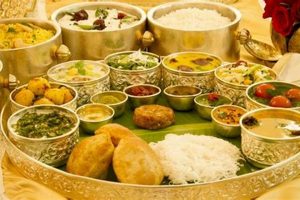
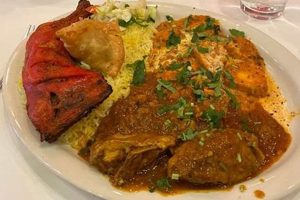
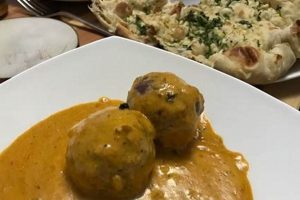
Traditional South Asian cuisine offers a wealth of options that contribute significantly to dietary fiber intake. Dishes incorporating lentils, beans, whole grains, and a variety of vegetables are naturally rich in this essential nutrient. For example, preparations featuring chickpeas (chana masala), kidney beans (rajma), or split peas (dal) provide substantial amounts of fiber alongside protein and complex carbohydrates.
Increased consumption of dietary fiber is associated with numerous health advantages, including improved digestive health, better blood sugar control, and reduced risk of cardiovascular disease. Historically, these fiber-rich staples have formed the cornerstone of the diet in many regions, reflecting an understanding of their nutritional value long before modern nutritional science.
The following sections will explore specific ingredients and preparations common in South Asian cooking that are particularly abundant in fiber, providing a deeper understanding of how to incorporate these elements into a balanced and health-conscious dietary pattern.
Incorporating Fiber-Rich Options into the Diet
This section provides practical guidance on increasing fiber intake through choices within South Asian culinary traditions.
Tip 1: Prioritize Whole Grains: Opt for whole wheat roti or brown basmati rice over refined grains. These provide a significantly higher fiber content and contribute to sustained energy release.
Tip 2: Embrace Legumes Regularly: Include lentils (dal), chickpeas (chana), kidney beans (rajma), and other legumes in daily meals. These are excellent sources of both fiber and protein.
Tip 3: Increase Vegetable Consumption: Focus on incorporating a wide variety of vegetables into curries and side dishes. Leafy greens, okra, and gourds are particularly beneficial.
Tip 4: Add Seeds and Nuts: Incorporate flax seeds, chia seeds, almonds, or walnuts into meals or snacks. These provide additional fiber, healthy fats, and other essential nutrients.
Tip 5: Explore Fiber-Rich Flours: Experiment with flours like ragi (finger millet) or jowar (sorghum) in roti or other preparations. These offer a higher fiber content compared to wheat flour.
Tip 6: Be Mindful of Preparation Methods: Opt for steaming, baking, or sauting vegetables instead of frying to retain maximum nutritional value, including fiber content.
Tip 7: Consider Spices: Certain spices, such as fenugreek and mustard seeds, while used in smaller quantities, can contribute to overall dietary fiber when part of a balanced diet.
By consistently integrating these strategies, individuals can effectively enhance their fiber intake and reap the associated health benefits while enjoying the diverse flavors of South Asian cuisine.
The next section will delve into the specific health implications and dietary recommendations related to fiber intake.
1. Legume Diversity
Legumes constitute a cornerstone of South Asian culinary traditions and are fundamentally linked to the prevalence of fiber in regional diets. The extensive variety of legumes utilized directly contributes to the overall fiber content of meals. This is not merely coincidental; the nutritional profile of legumes, inherently rich in both soluble and insoluble fiber, directly impacts digestive health and satiety.
The significance of legume diversity lies in the complementary nutritional benefits each type offers. For example, moong dal (split green gram) is easier to digest and provides a source of both fiber and protein, while urad dal (black gram) offers a different amino acid profile and a distinct texture. Chana dal (split chickpeas) and toor dal (split pigeon peas) further expand the nutritional landscape, each contributing unique fiber types and micronutrients. Dishes like sambar, a lentil-based vegetable stew, and various dal preparations exemplify the practical application of legume diversity, demonstrating how different lentils can be combined to create nutritionally complete and fiber-rich meals.
In conclusion, the abundance and diversity of legumes in South Asian diets are not merely a matter of culinary preference; they are a primary driver of high fiber intake. Understanding this connection is vital for promoting healthier eating habits and leveraging the nutritional advantages inherent in this culinary tradition. By recognizing the specific benefits of each legume type and incorporating a variety into the diet, individuals can effectively enhance their fiber consumption and reap the associated health rewards.
2. Whole Grains Abundance

The prevalence of whole grains in traditional South Asian diets directly contributes to the high fiber content often associated with this cuisine. This abundance is not accidental; it stems from historical agricultural practices and culinary traditions that prioritized minimally processed grains as staple foods. The inherent fiber content of whole grains, retained through minimal processing, directly impacts digestive health, satiety, and overall nutritional well-being. Examples such as whole wheat roti, brown basmati rice, and various millet-based preparations showcase the practical application of this principle. The consumption of these unrefined grains ensures a significantly higher intake of dietary fiber compared to their refined counterparts.
The substitution of refined grains with whole grains represents a straightforward dietary modification with substantial benefits. Replacing white rice with brown rice, or opting for whole wheat atta (flour) instead of refined flour, immediately increases the fiber content of a meal. Similarly, incorporating grains like jowar (sorghum) or bajra (pearl millet) into roti or other flatbread preparations provides a diversified source of fiber and essential nutrients. The versatility of whole grains allows for their integration into a variety of dishes, from breakfast porridges to main course components. This adaptability ensures that increased fiber intake can be achieved without drastically altering familiar culinary preferences.
In conclusion, the abundance of whole grains in South Asian culinary traditions is a critical factor in understanding its potential for delivering high fiber content. Recognizing the nutritional superiority of whole grains over refined grains and actively prioritizing their consumption are essential steps toward achieving a healthier dietary pattern. While challenges such as accessibility or perceived taste preferences may exist, the evidence supporting the benefits of whole grains for increased fiber intake is compelling and warrants conscious dietary choices.
3. Vegetable Incorporation

The strategic integration of a diverse range of vegetables is a pivotal factor in realizing the potential for high fiber content within South Asian cuisine. This is not merely an aesthetic or culinary consideration; the selection and preparation of vegetables directly influence the nutritional profile of dishes and contribute significantly to dietary fiber intake.
- Variety of Vegetables
South Asian cooking embraces a wide spectrum of vegetables, each contributing unique fiber types and quantities. Leafy greens like spinach (palak) and fenugreek leaves (methi) provide substantial fiber along with micronutrients. Cruciferous vegetables such as cauliflower (gobi) and cabbage (patta gobi) also offer notable fiber content. The inclusion of root vegetables like carrots (gajar) and sweet potatoes (shakarkandi) further diversifies the fiber sources. This broad selection ensures a comprehensive fiber intake from multiple plant sources.
- Curries and Sabzis
Vegetable incorporation is often achieved through the preparation of curries and sabzis, dishes where vegetables are cooked with spices and sauces. These dishes serve as a vehicle for consuming large quantities of vegetables in a palatable manner. For instance, a mixed vegetable curry can combine several fiber-rich ingredients in a single serving. The flexibility of these preparations allows for the adaptation of vegetable content based on seasonal availability and individual preferences, facilitating consistent fiber intake.
- Preparation Methods
The method of preparing vegetables significantly impacts their fiber content and bioavailability. Steaming and light sauting retain more fiber compared to deep frying or prolonged boiling. Minimal processing preserves the structural integrity of vegetable fibers, maximizing their digestive benefits. Traditional cooking techniques often prioritize gentle cooking methods to retain the nutritional value of vegetables, contributing to the overall fiber richness of the diet.
- Regional Variations
Regional variations within South Asian cuisine further enhance the possibilities for vegetable incorporation. Different regions emphasize specific vegetables and preparation styles, leading to diverse dietary fiber profiles. For example, South Indian cuisine often incorporates vegetables like okra (bhindi) and drumsticks (moringa) in sambar, while North Indian cuisine may feature mustard greens (sarson ka saag) in winter dishes. These regional differences contribute to the overall richness and adaptability of the diet in terms of fiber sources.
In summary, the strategic incorporation of a variety of vegetables into South Asian dishes, utilizing appropriate preparation methods and capitalizing on regional variations, is fundamental to achieving a high-fiber diet. The examples provided underscore the direct link between vegetable selection, cooking techniques, and the resulting fiber content of meals, highlighting the importance of conscious choices in maximizing the nutritional benefits of this culinary tradition.
4. Spice Contributions
While not the primary source of dietary fiber, spices contribute incrementally to the overall fiber content of South Asian cuisine. This contribution stems from the plant-based origin of spices, which inherently contain fiber in varying amounts. The significance of spices lies not in their high fiber concentration per serving, but in their ubiquitous use within South Asian cooking, where they are integrated into a wide range of dishes. Thus, the cumulative effect of spice usage can contribute measurably to total dietary fiber intake. For instance, fenugreek seeds, commonly used in lentil and vegetable preparations, contain a notable amount of fiber. Similarly, mustard seeds, used in tempering (tadka), contribute to the overall fiber profile of the dish. These examples illustrate how spices, though used in smaller quantities, become relevant contributors when considered within the context of a complete dietary pattern.
The practical significance of understanding spice contributions lies in optimizing dietary strategies. While focusing solely on spices for fiber intake is unrealistic, recognizing their incremental benefit allows for a more nuanced approach to meal planning. Furthermore, the use of whole spices, rather than ground versions, may slightly increase fiber retention. The understanding of spice fiber content may also guide the selection of spice blends, encouraging the use of blends that incorporate fiber-rich spices. In addition, the inclusion of spices in recipes can enhance palatability, which indirectly supports increased consumption of fiber-rich meals by making them more appealing.
In conclusion, the contribution of spices to the fiber content of South Asian food, while modest individually, is meaningful due to their pervasive presence. While spices should not be considered primary fiber sources, recognizing their incremental benefit allows for a more comprehensive dietary approach. Optimizing spice usage, choosing whole spices when possible, and utilizing them to enhance the palatability of fiber-rich dishes are strategies that can contribute to achieving optimal dietary fiber intake within the context of South Asian culinary traditions.
5. Preparation Influence
The manner in which South Asian food is prepared exerts a considerable influence on its final fiber content. This influence is not merely incidental; it represents a critical factor determining whether the inherent fiber potential of ingredients is maximized or diminished. The selection of cooking methods, the duration of cooking time, and the degree of processing applied to ingredients each contribute to the ultimate fiber profile of a dish. For instance, steaming or lightly sauting vegetables preserves a greater proportion of their fiber content compared to deep-frying or prolonged boiling. Similarly, opting for minimally processed ingredients, such as whole grains and unpeeled vegetables, ensures that the fiber matrix remains intact.
The practical implications of this understanding are significant. Traditional South Asian culinary techniques often emphasize methods that minimize fiber loss. Techniques such as tempering spices in oil (tadka) for a short duration or slow-cooking lentils to achieve optimal digestibility without excessive breakdown of fiber are examples of this. Conversely, practices such as discarding vegetable peels or overcooking vegetables can substantially reduce the fiber content. Modern adaptations of South Asian cuisine, particularly those involving convenience foods or processed ingredients, may inadvertently compromise the fiber content due to the methods employed in their production and preparation. Understanding these cause-and-effect relationships empowers individuals to make informed choices that prioritize fiber retention.
In conclusion, preparation methods represent a key determinant of fiber content in South Asian cuisine. Traditional techniques often align with fiber preservation, while modern adaptations may inadvertently diminish it. Recognizing this influence is essential for harnessing the inherent fiber potential of South Asian ingredients and for making dietary choices that support optimal digestive health. By prioritizing minimally processed ingredients and employing cooking methods that preserve fiber integrity, individuals can ensure that their dietary intake reflects the nutritional richness of this culinary tradition.
Frequently Asked Questions About High Fiber Diets in Indian Cuisine
This section addresses common questions regarding the incorporation of fiber-rich foods into the South Asian diet, aiming to provide clarity and dispel misconceptions.
Question 1: Is South Asian cuisine inherently high in fiber?
South Asian cuisine possesses the potential for high fiber content due to its emphasis on whole grains, legumes, and vegetables. However, the actual fiber content depends on specific food choices and preparation methods. Prioritizing whole, unprocessed foods is essential.
Question 2: How can fiber intake be increased through South Asian dishes?
Fiber intake can be enhanced by selecting whole grain options like brown rice or whole wheat roti, incorporating legumes such as lentils and beans regularly, and increasing the variety and quantity of vegetables in curries and sabzis.
Question 3: Are there specific South Asian dishes that are particularly high in fiber?
Dishes featuring lentils (dal), chickpeas (chana masala), kidney beans (rajma), and mixed vegetables are typically high in fiber. Whole grain preparations like millet-based roti also contribute significantly to fiber intake.
Question 4: Does the method of cooking affect the fiber content of South Asian foods?
Yes, cooking methods influence fiber content. Steaming, baking, or lightly sauting vegetables preserves more fiber than deep-frying or prolonged boiling. Minimal processing of ingredients is also beneficial.
Question 5: What are the potential health benefits of a high-fiber South Asian diet?
A high-fiber diet can promote digestive health, improve blood sugar control, reduce the risk of cardiovascular disease, and contribute to weight management.
Question 6: Are there any potential drawbacks to consuming a high-fiber South Asian diet?
Sudden increases in fiber intake can lead to digestive discomfort such as bloating and gas. It is advisable to gradually increase fiber consumption and ensure adequate hydration.
In summary, South Asian cuisine can be a valuable source of dietary fiber when mindful choices are made regarding ingredients and preparation methods. A balanced approach, coupled with gradual increases in fiber intake and adequate hydration, maximizes the health benefits while minimizing potential drawbacks.
The subsequent section will provide actionable strategies for integrating fiber-rich South Asian meals into daily dietary plans.
Conclusion
This exploration has established that “indian food high in fiber” is not merely a culinary possibility, but a demonstrable reality achievable through informed dietary choices within the rich tapestry of South Asian cuisine. The strategic selection of whole grains, the consistent incorporation of legumes and diverse vegetables, and the judicious application of appropriate cooking methods are pivotal in maximizing fiber intake. Recognizing the subtle contributions of spices and the influence of preparation techniques further refines the understanding of how this dietary objective can be realized.
The commitment to incorporating elements of “indian food high in fiber” into daily dietary plans represents a proactive investment in long-term health and well-being. As individuals become increasingly aware of the profound impact of dietary fiber on various physiological processes, embracing the fiber-rich potential of South Asian cuisine offers a sustainable and culturally relevant pathway towards achieving optimal nutritional outcomes.