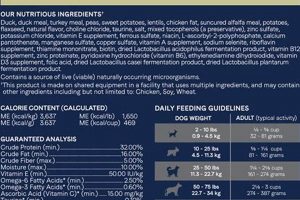
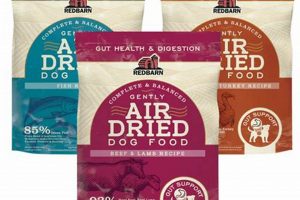
The specific dietary formulations are designed to minimize discoloration of a dog’s coat, particularly noticeable in canines with white fur. These products often exclude or reduce ingredients known to contribute to staining around the mouth, eyes, and paws. An example would be a formula that limits beet pulp and artificial colors, common culprits in coat staining.
The importance of such dietary considerations lies in maintaining the desired aesthetic appearance and potentially addressing underlying sensitivities that may manifest as skin or coat issues. Historically, concerns about coat discoloration have driven the development of specialized feeding options intended to keep white-coated breeds looking their best. The benefits include a brighter, cleaner coat and, in some cases, a reduction in allergic reactions.
This exploration will now delve into the key ingredients to avoid, beneficial components to seek, and the overall nutritional considerations for maintaining optimal health and appearance in dogs with light-colored coats. Subsequent sections will also cover the impact of specific ingredients on coat color and the potential link between diet and skin health.
Dietary Guidance for Light-Coated Canines
The following outlines practical recommendations for selecting food designed to minimize coat discoloration and support the overall well-being of dogs with white or light-colored fur.
Tip 1: Review Ingredient Lists Meticulously: Prioritize formulas that explicitly list high-quality protein sources (e.g., named meat meals) as primary ingredients. Scrutinize the inclusion of artificial colors, dyes, and excessive amounts of beet pulp, as these have been implicated in coat staining.
Tip 2: Consider Limited Ingredient Diets: These formulations often contain fewer potential allergens and irritants, which can indirectly contribute to skin inflammation and subsequent coat discoloration. A limited ingredient diet focusing on novel protein sources may be beneficial for sensitive dogs.
Tip 3: Evaluate Protein Sources: Opt for protein sources known for their digestibility and lower potential for allergic reactions. Fish-based diets, for example, can provide essential omega-3 fatty acids that support skin and coat health.
Tip 4: Pay Attention to Fat Content: Ensure the food contains adequate levels of omega-3 and omega-6 fatty acids. These nutrients contribute to a healthy skin barrier, reducing the likelihood of inflammation and subsequent coat changes. Supplementation with fish oil may be considered in consultation with a veterinarian.
Tip 5: Monitor for Food Sensitivities: Observe the dog for signs of food sensitivities or allergies, such as excessive scratching, skin redness, or gastrointestinal upset. If such symptoms arise, consider an elimination diet under veterinary supervision to identify potential triggers.
Tip 6: Consult with a Veterinary Professional: Prior to making significant dietary changes, seek guidance from a veterinarian or veterinary nutritionist. They can provide personalized recommendations based on the dog’s individual needs, breed, and health status.
Tip 7: Prioritize Natural Preservatives: Select products that utilize natural preservatives, such as tocopherols (vitamin E) and rosemary extract, rather than artificial options like BHA or BHT.
Adhering to these guidelines can contribute to maintaining the desired coat color and supporting the overall health of canines with light-colored fur. Careful selection and monitoring are essential for optimizing dietary management.
This guidance provides a foundation for informed dietary choices. The following sections will address potential underlying medical conditions that may affect coat color and highlight the importance of ongoing veterinary care.
1. Stain Reduction

Stain reduction is a primary consideration in the formulation and selection of “dog food for white dogs.” Certain dietary components are known to contribute to discoloration around the mouth, eyes, and paws, particularly noticeable on light-colored coats. These stains often result from porphyrins, iron-containing molecules excreted through tears, saliva, and urine. Certain ingredients can exacerbate porphyrin production or create a suitable environment for bacterial growth that leads to staining. For instance, foods high in beet pulp or those containing artificial dyes can intensify staining around the mouth. Similarly, poor-quality protein sources can contribute to increased tear production, potentially worsening tear stains. Effective dietary management aims to minimize these factors.
The importance of stain reduction in canine nutrition extends beyond mere aesthetics. Excessive staining can sometimes indicate underlying health issues, such as allergies or sensitivities, which manifest as increased tear or saliva production. Addressing these issues through appropriate dietary choices can not only improve the appearance of the coat but also contribute to the dog’s overall well-being. Real-world examples include dogs with recurrent tear staining that significantly improved following a diet change to a limited-ingredient formula devoid of artificial additives. Therefore, the selection of “dog food for white dogs” with an emphasis on stain reduction is not solely about cosmetic enhancement but also potentially about addressing underlying health concerns.
In summary, stain reduction represents a crucial aspect of “dog food for white dogs,” influencing both the appearance and potentially the health of the animal. This understanding requires careful ingredient selection, with the avoidance of known staining agents and prioritization of high-quality, easily digestible components. While dietary management can significantly reduce staining, it is important to acknowledge that other factors, such as genetics and hygiene practices, also play a role. A holistic approach that combines proper nutrition with appropriate grooming and veterinary care is essential for maintaining a healthy, vibrant coat in white-coated breeds.
2. Ingredient Quality

Ingredient quality constitutes a fundamental pillar in the formulation of food appropriate for white-coated dogs. The composition directly influences the health and appearance of the animal, with inferior components potentially leading to adverse outcomes. Cause and effect are clearly demonstrable: low-grade protein sources can result in inadequate nutrient absorption, manifesting as dull or brittle fur and increased shedding. Conversely, high-quality protein, sourced from identifiable animal products, supports optimal coat condition. The inclusion of filler ingredients, such as excessive amounts of corn or soy, may provide caloric content but lacks essential nutrients necessary for maintaining a healthy skin barrier, predisposing the dog to dermatitis and subsequent coat discoloration.
The importance of ingredient quality extends beyond basic nutritional adequacy. The presence of artificial additives, preservatives, and colorings can trigger allergic reactions or sensitivities in susceptible individuals. These reactions often manifest as skin inflammation and increased scratching, leading to secondary infections and further coat damage. For example, a dog with a corn allergy, consuming a diet high in corn-based fillers, will likely exhibit pruritus and erythema, impacting coat integrity and promoting staining. Real-world instances demonstrate that switching to limited-ingredient diets, composed of identifiable, high-quality proteins and free from artificial additives, often resolves these issues, resulting in improved coat health and reduced discoloration.
In summary, ingredient quality is inextricably linked to the success of any “dog food for white dogs.” The selection of premium, digestible protein sources, the avoidance of artificial additives and fillers, and the inclusion of essential fatty acids contribute significantly to maintaining a healthy, vibrant coat. Understanding the practical significance of ingredient quality empowers owners to make informed decisions, ensuring that the dietary choices positively impact the well-being and appearance of their canine companions. Furthermore, the investment in high-quality food can potentially reduce the need for costly veterinary interventions associated with food sensitivities and skin conditions.
3. Protein Source

The protein source is a critical determinant of the efficacy of “dog food for white dogs.” The type and quality of protein directly influence coat health, skin integrity, and the potential for allergic reactions that may contribute to coat discoloration. Inferior protein sources, characterized by low digestibility or the presence of common allergens, can trigger inflammatory responses that compromise the skin’s barrier function. This can manifest as increased shedding, dryness, and vulnerability to secondary infections, all of which can impact coat color. The practical implication is that carefully selected protein sources can significantly reduce the risk of such adverse reactions, promoting a healthier coat.
A significant factor is the relationship between protein source and tear production. Certain proteins may elicit an inflammatory response leading to increased tear production, thus exacerbating tear staining in white dogs. By contrast, novel protein sources, such as duck or venison, are less likely to trigger such responses in dogs with sensitivities to common proteins like chicken or beef. A real-world example is a white-coated dog with persistent tear staining that resolved following a dietary change to a fish-based protein source. The high digestibility and anti-inflammatory properties of fish protein can contribute to improved skin and coat health and minimize tear production, ultimately reducing staining. Hydrolyzed proteins, which are broken down into smaller peptides, are another viable option for minimizing allergic responses, though palatability may be a concern.
In conclusion, the selection of an appropriate protein source is essential for white-coated dogs. Prioritization should be given to highly digestible protein sources with a low likelihood of allergenicity. Understanding the potential impact of different protein sources on tear production and skin health empowers owners to make informed dietary choices. Challenges remain in identifying individual sensitivities, necessitating careful observation and, in some cases, veterinary guidance to determine the optimal protein source for maintaining a healthy and vibrant white coat. The importance of protein source for dog food for white dogs can not be neglected.
4. Omega Fatty Acids

Omega fatty acids, particularly omega-3 and omega-6, play a crucial role in the nutritional profile of food formulated for white-coated dogs. The inclusion of these essential fats directly impacts skin health, which in turn, influences coat color and appearance. A deficiency in omega fatty acids can lead to a compromised skin barrier, resulting in dryness, inflammation, and increased susceptibility to allergens. These conditions can cause or exacerbate coat staining and dullness, counteracting the desired aesthetic outcome for white-coated breeds. Omega-3 fatty acids, such as EPA and DHA, possess anti-inflammatory properties, potentially mitigating skin reactions and promoting a healthier, more lustrous coat. The presence of both omega-3 and omega-6 fatty acids in appropriate ratios is therefore a significant determinant of the effectiveness of such specialized food. An example would be a white poodle experiencing chronic skin irritation and discoloration, whose coat condition significantly improved following a dietary adjustment to include a higher concentration of omega-3 fatty acids derived from fish oil.
The ratio of omega-6 to omega-3 fatty acids is also of importance. An imbalance can contribute to inflammatory processes, negating the benefits of omega-3s. Optimal ratios, typically ranging from 5:1 to 10:1 (omega-6 to omega-3), are often targeted in formulations for white dogs to maximize the anti-inflammatory benefits. Practical application involves selecting food where the source of omega-3 and omega-6 fatty acids is clearly identified on the ingredient list. Common sources of omega-3s include fish oil, flaxseed, and algae oil, while omega-6s are often derived from poultry fat, sunflower oil, and safflower oil. Understanding the sources and ratios allows for informed decisions and potential supplementation, guided by veterinary recommendations, to address specific skin conditions or dietary deficiencies.
In conclusion, omega fatty acids are indispensable components of food formulated for white-coated dogs, impacting skin health, coat quality, and the propensity for discoloration. A balanced intake of omega-3 and omega-6 fatty acids, sourced from high-quality ingredients, is essential. Challenges remain in accurately assessing individual dietary needs and identifying optimal ratios. However, the understanding of their significance empowers owners to make informed decisions, potentially improving the well-being and appearance of their canine companions. Further research into breed-specific requirements and the long-term effects of varying omega fatty acid ratios is warranted to refine dietary recommendations further.
5. Allergen Avoidance

Allergen avoidance is a crucial consideration in selecting appropriate food for white-coated dogs. Allergic reactions, or sensitivities to specific dietary components, can manifest in various dermatological conditions that compromise coat health and appearance. These reactions often trigger inflammation, leading to pruritus, erythema, and secondary infections, which can result in coat discoloration and a generally unkempt appearance. The cause-and-effect relationship is clear: exposure to an allergen initiates an immune response, which then manifests as skin and coat abnormalities. Therefore, understanding and mitigating potential allergens is paramount in formulating effective dietary strategies for white dogs.
The importance of allergen avoidance in “dog food for white dogs” stems from the breed predisposition to certain sensitivities. Common allergens include, but are not limited to, beef, dairy, wheat, corn, and soy. When a sensitive dog consumes food containing these ingredients, it can experience a cascade of adverse reactions impacting coat color and quality. Real-world examples include white Maltese dogs exhibiting chronic tear staining and skin irritation that resolved following a transition to a hypoallergenic diet excluding common allergens. Such diets typically utilize novel protein sources, such as duck or venison, and limited carbohydrate sources, reducing the likelihood of triggering an immune response. Practical application involves meticulous scrutiny of ingredient lists, opting for foods with limited and clearly identifiable components, and potentially consulting with a veterinary dermatologist to conduct allergy testing if sensitivities are suspected.
In conclusion, allergen avoidance is an integral component of “dog food for white dogs,” directly impacting skin health and coat appearance. The challenge lies in accurately identifying individual sensitivities, necessitating careful observation and potentially diagnostic testing. However, a proactive approach to allergen management, through informed dietary choices and veterinary guidance, can significantly reduce the risk of adverse reactions, promoting a healthier, more vibrant coat in white-coated breeds. The understanding of allergens and their role dog food for white dogs can not be neglect.
6. Veterinary Consultation

Veterinary consultation represents a cornerstone in the effective management of canine nutrition, particularly when addressing the specific needs of white-coated dogs. The complexities of dietary requirements, individual sensitivities, and potential underlying health conditions necessitate professional guidance to ensure optimal health and coat maintenance.
- Individualized Nutritional Assessment
A veterinarian conducts a thorough assessment of a dog’s health history, breed predispositions, and current physical condition to determine specific dietary needs. This personalized approach is crucial, as generic recommendations may not address underlying issues contributing to coat discoloration or sensitivities. For example, a veterinarian may identify a specific food allergy through diagnostic testing, guiding the selection of a hypoallergenic diet tailored to the individual animal.
- Diagnosis of Underlying Medical Conditions
Coat discoloration or poor coat quality can sometimes indicate underlying medical conditions, such as hypothyroidism or parasitic infections. A veterinarian possesses the expertise to diagnose these conditions through physical examination and diagnostic testing. Addressing these underlying issues is essential, as dietary adjustments alone may not resolve the problem. An accurate diagnosis allows for targeted treatment, potentially resolving the dermatological manifestations and improving coat health.
- Guidance on Food Selection and Supplementation
Veterinarians provide evidence-based recommendations on the selection of appropriate commercial diets and the judicious use of supplements. They can assess ingredient lists, evaluate nutritional profiles, and advise on portion control to ensure optimal health. Furthermore, they can guide the use of supplements, such as omega-3 fatty acids or probiotics, to address specific needs or deficiencies. This expert guidance minimizes the risk of making inappropriate dietary choices that could exacerbate existing problems or introduce new ones.
- Monitoring and Adjustment of Dietary Plans
Dietary management is an ongoing process that requires continuous monitoring and adjustment. A veterinarian can track a dog’s progress, assess the effectiveness of the chosen diet, and make necessary modifications based on individual responses. This iterative approach ensures that the dietary plan remains aligned with the dog’s evolving needs, maximizing the benefits and minimizing potential risks. For example, a veterinarian may recommend adjusting the protein source or increasing the omega-3 fatty acid content based on the dog’s coat condition and overall health.
The proactive involvement of a veterinarian in dietary decision-making significantly enhances the likelihood of achieving optimal health and maintaining a vibrant coat in white-coated dogs. The intersection between veterinary consultation and dog food for white dogs is where personalized care meets nutritional science, promoting well-being and aesthetic appearance.
Frequently Asked Questions
The following section addresses common inquiries and misconceptions surrounding the dietary management of canines with white coats. The aim is to provide clarity and informed guidance on selecting appropriate nutrition.
Question 1: Is specialized food necessary for white-coated dogs, or can any high-quality dog food suffice?
Specialized formulations offer advantages in minimizing coat staining and addressing potential sensitivities. While any high-quality food can provide essential nutrients, specific ingredients in certain formulations may contribute to discoloration. Therefore, specialized food may be beneficial, though not strictly necessary, provided careful attention is paid to ingredient selection.
Question 2: What ingredients should be strictly avoided in dog food intended for white dogs?
Ingredients known to contribute to coat staining, such as artificial colors, beet pulp, and excessive amounts of iron, should be avoided. Additionally, common allergens like corn, soy, and wheat may trigger inflammatory responses, indirectly affecting coat color and health.
Question 3: Do grain-free diets offer any specific advantages for white-coated dogs?
Grain-free diets may be advantageous if the dog has a grain sensitivity or allergy. However, grain-free does not inherently equate to superior quality. The overall nutritional profile and ingredient quality are more critical factors than the mere absence of grains.
Question 4: How can one differentiate between genuine food sensitivities and other causes of coat discoloration?
Food sensitivities typically manifest with additional symptoms, such as pruritus, gastrointestinal upset, or recurrent ear infections. Diagnostic testing, conducted by a veterinarian, may be necessary to confirm a food allergy. Other causes of coat discoloration include environmental factors, hygiene practices, and underlying medical conditions.
Question 5: Is supplementing with omega-3 fatty acids beneficial for white-coated dogs?
Supplementation with omega-3 fatty acids can support skin health and potentially reduce inflammation, indirectly contributing to a healthier coat. However, the appropriate dosage and source of omega-3s should be determined in consultation with a veterinarian to avoid potential adverse effects.
Question 6: How long does it typically take to observe improvements in coat color and quality after switching to a specialized diet?
Noticeable improvements may take several weeks to months, depending on the severity of the initial condition and the individual dog’s metabolism. Consistent adherence to the dietary plan and proper hygiene practices are essential for optimizing results.
In summary, informed dietary choices, guided by veterinary expertise, are crucial for maintaining optimal health and appearance in white-coated dogs. Careful ingredient selection, allergen avoidance, and appropriate supplementation can contribute to a vibrant, healthy coat.
The following section will explore the role of grooming practices in maintaining coat color and overall hygiene.
Dog Food for White Dogs
The preceding analysis has explored the nuances of nutrition for canines with white coats. Emphasis has been placed on the crucial role of ingredient quality, allergen avoidance, and the appropriate balance of omega fatty acids in maintaining coat health and minimizing discoloration. It has been clearly stated the importance of protein and veterinary consultation.
The selection of specialized food for white-coated dogs represents a commitment to the animal’s well-being and aesthetic presentation. Consistent adherence to informed dietary practices, coupled with professional veterinary guidance, is essential. Continued research into canine nutritional needs will further refine dietary recommendations, enhancing the opportunity for optimal health and vibrancy in these breeds.