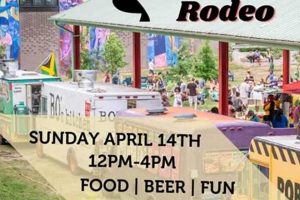
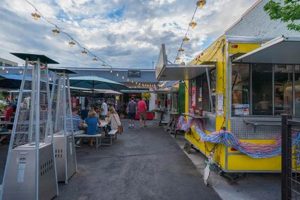
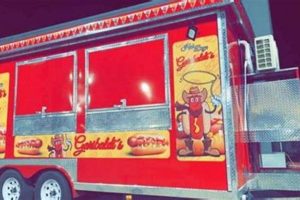
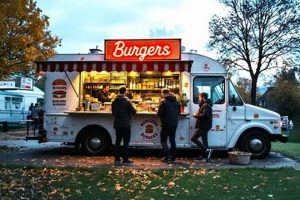
Mobile culinary vendors catering to gatherings represent a growing segment of the event planning industry. These businesses offer a diverse array of dining options that can be customized to suit the specific needs and themes of various occasions. As an illustration, a corporate picnic may feature a barbecue-themed vendor, while a wedding reception could include a gourmet dessert provider.
The presence of these mobile businesses at organized affairs brings numerous advantages. Convenience is a primary benefit, as they can operate in diverse locations, reducing the need for a fixed kitchen or traditional catering infrastructure. Furthermore, they often provide a more unique and memorable experience for attendees compared to standard catering services. Historically, these mobile vendors have evolved from simple street food providers to sophisticated culinary operations capable of handling large-scale events.
The subsequent sections will examine the key considerations involved in selecting appropriate vendors, the logistical challenges associated with their integration into an event, and the various factors that influence the overall cost and success of employing these mobile culinary services.
Tips for Integrating Mobile Culinary Vendors into Organized Affairs
Careful planning is essential when incorporating mobile culinary vendors into any event. This section provides essential guidelines to ensure a seamless and successful experience for both organizers and attendees.
Tip 1: Vendor Selection Criteria: Thoroughly vet potential vendors. Evaluate their licenses, insurance, health inspection reports, and customer reviews. Request menus and pricing to ensure alignment with the event’s budget and dietary requirements.
Tip 2: Contractual Agreements: Establish a formal contract outlining the scope of services, payment terms, arrival and departure times, space allocation, power requirements, and waste disposal responsibilities. Clearly define cancellation policies and liability clauses.
Tip 3: Site Assessment and Logistics: Conduct a comprehensive site assessment to identify suitable locations for vendor placement. Consider accessibility for large vehicles, proximity to power sources, water access, and pedestrian traffic flow. Develop a detailed layout plan to optimize space utilization.
Tip 4: Power and Utility Requirements: Determine the electrical power needs of each vendor and ensure adequate power supply is available. Coordinate with the venue or a licensed electrician to provide the necessary connections and safety measures.
Tip 5: Waste Management and Sanitation: Implement a robust waste management plan that includes designated receptacles for trash and recycling. Ensure vendors adhere to strict sanitation standards and comply with local health regulations regarding food handling and waste disposal.
Tip 6: Communication and Coordination: Establish clear communication channels between the event organizer, vendors, and venue staff. Schedule pre-event meetings to discuss logistics, address concerns, and ensure everyone is aligned on expectations.
Tip 7: Contingency Planning: Develop contingency plans to address potential challenges such as equipment malfunctions, inclement weather, or unexpected delays. Identify backup vendors or alternative catering options as a precaution.
By implementing these tips, event organizers can effectively manage mobile culinary vendors and enhance the overall experience for attendees. Proactive planning and clear communication are crucial for mitigating potential risks and maximizing the benefits of incorporating these services.
The following section will explore strategies for marketing the presence of mobile culinary vendors to event attendees, thereby driving engagement and participation.
1. Vendor selection

The process of vendor selection is paramount to the success of any event incorporating mobile culinary businesses. Choosing appropriate vendors directly impacts the quality of the food, the efficiency of service, and the overall experience for attendees. Rigorous evaluation criteria are necessary to mitigate risks and ensure alignment with event objectives.
- License and Insurance Verification
The verification of valid operating licenses and comprehensive insurance coverage is non-negotiable. Licenses demonstrate adherence to local health and safety regulations, while insurance protects against potential liabilities arising from accidents or foodborne illnesses. For example, an event organizer should confirm that each vendor possesses a current food service permit and general liability insurance before finalizing any agreements.
- Menu Suitability and Dietary Options
Menu selection must align with the event’s theme and cater to the diverse dietary needs of attendees. A balanced menu includes options for individuals with allergies, vegetarian preferences, or gluten sensitivities. Prior to selection, organizers should request detailed ingredient lists and preparation methods to ensure transparency and accommodate special dietary requests. Events targeting health-conscious attendees may prioritize vendors offering organic or locally sourced ingredients.
- Operational Capacity and Equipment
Vendors must possess the operational capacity and equipment to handle the anticipated volume of attendees efficiently. Organizers should assess the vendor’s ability to manage peak service times without compromising food quality or service speed. This evaluation includes factors such as the number of staff, the efficiency of the kitchen layout, and the availability of backup equipment. A vendor capable of serving 200 attendees per hour is better suited for larger events than one limited to 50.
- Reputation and Reviews
A vendor’s reputation, as reflected in online reviews and testimonials, provides valuable insights into their reliability and service quality. Negative reviews highlighting issues such as late arrivals, poor food quality, or unprofessional behavior should raise concerns. Conversely, positive reviews and repeat business indicate a vendor committed to customer satisfaction. Thoroughly researching a vendor’s online presence and soliciting references from previous clients is crucial for informed decision-making.
These facets of vendor selection collectively determine the feasibility and success of integrating mobile culinary services into an event. The examples provided illustrate how a systematic approach to vendor evaluation reduces the likelihood of unforeseen complications and contributes to a positive and memorable experience for all participants. The presence of rigorously vetted vendors enhances the event’s credibility and reinforces a commitment to quality and attendee well-being.
2. Menu diversity

The availability of a diverse range of culinary offerings significantly influences the success and appeal of mobile culinary vendors at organized gatherings. Menu variety enhances attendee satisfaction by catering to a broader spectrum of preferences, dietary needs, and cultural backgrounds. It also creates a more engaging and memorable event experience.
- Catering to Dietary Restrictions and Allergies
Menu diversity must encompass options for individuals with dietary restrictions and allergies. This includes offering vegetarian, vegan, gluten-free, and nut-free choices. Failing to provide such alternatives can exclude a significant portion of attendees and negatively impact their overall experience. For instance, an event featuring only meat-centric options may alienate vegetarian or vegan participants. Successful vendors proactively include clearly labeled dietary options on their menus.
- Accommodating Cultural and Ethnic Preferences
Diverse events often attract attendees from various cultural and ethnic backgrounds. Menu offerings should reflect this diversity by including dishes representative of different cuisines. The presence of options such as tacos, sushi, or pho can enhance the event’s inclusivity and appeal to a wider audience. Vendors specializing in specific ethnic cuisines can be particularly valuable in these scenarios.
- Providing Variety in Meal Types and Portion Sizes
Menu diversity extends beyond specific ingredients or cuisines to include a variety of meal types and portion sizes. Offering options ranging from appetizers and snacks to full entrees allows attendees to customize their dining experience according to their appetite and preferences. The inclusion of smaller, shareable dishes can encourage social interaction and exploration of different culinary offerings. A vendor offering both sliders and full-sized burgers provides greater flexibility for attendees.
- Encouraging Culinary Exploration and Innovation
A diverse menu can encourage attendees to explore new culinary experiences and expand their palates. Vendors offering unique or innovative dishes can generate excitement and interest, contributing to a more memorable event. This can involve incorporating unusual ingredients, fusion cuisine concepts, or novel presentation techniques. A vendor specializing in gourmet grilled cheese sandwiches with unexpected flavor combinations can attract attendees seeking a unique dining experience.
The facets outlined above highlight the critical role of menu diversity in the context of mobile culinary vendors at organized gatherings. By strategically incorporating options that address dietary needs, cultural preferences, meal types, and culinary innovation, event organizers can enhance attendee satisfaction and create a more engaging and inclusive event environment. Examples of vendors with unique offerings, such as a vendor serving only miniature desserts or a truck specializing in customizable poke bowls, illustrate the impact of menu diversity on attendee engagement and vendor success.
3. Space allocation

Effective space allocation is a critical determinant of success when incorporating mobile culinary units into any organized event. The spatial arrangement directly impacts operational efficiency, attendee flow, and overall safety. Inadequate planning in this area can lead to congestion, reduced vendor performance, and diminished attendee satisfaction. Therefore, a comprehensive approach to space allocation is essential.
- Vendor Footprint and Operational Area
Each mobile culinary unit requires sufficient space for operation, including cooking, serving, and storage. The designated area must accommodate the truck itself, any necessary support equipment (generators, propane tanks), and a queuing area for customers. Failure to provide adequate space can result in cramped conditions, hindering vendor efficiency and potentially creating safety hazards. For example, a large food truck specializing in wood-fired pizza necessitates more space than a small cart selling ice cream.
- Attendee Flow and Accessibility
The spatial arrangement must facilitate smooth attendee flow and ensure accessibility for individuals with disabilities. Clear pathways, designated queuing areas, and accessible ramps are essential considerations. Overcrowding and obstructed pathways can lead to frustration and impede access to the vendors. For example, placing vendors in a linear configuration along a wide pathway can optimize traffic flow, whereas clustering them in a confined space may create bottlenecks.
- Safety Considerations and Emergency Access
Space allocation must prioritize safety and allow for emergency access. Adequate spacing between vendors reduces the risk of fire hazards and facilitates evacuation in the event of an emergency. Clear pathways for emergency vehicles and designated staging areas for emergency personnel are crucial. For instance, maintaining a minimum distance of ten feet between food trucks and ensuring unobstructed access for fire trucks are standard safety protocols.
- Environmental Factors and Utilities
The allocated space must consider environmental factors such as sunlight, wind, and noise. Providing shaded areas for attendees and vendors can enhance comfort, particularly during outdoor events. Additionally, the proximity to necessary utilities, such as power outlets and water sources, influences vendor placement. For example, positioning vendors near existing power infrastructure minimizes the need for noisy generators and reduces the risk of electrical hazards.
In summary, the strategic allocation of space for mobile culinary units at an event is multifaceted, impacting operational effectiveness, attendee experience, and safety. Successfully integrating vendors into an event requires careful consideration of their individual footprints, attendee flow patterns, safety protocols, and environmental factors. The examples provided highlight the practical implications of these considerations and their significance in optimizing the event environment.
4. Power requirements

The electrical demands of mobile culinary vendors represent a critical logistical consideration for any organized event incorporating such entities. These demands stem from the necessity to power essential equipment, including refrigeration units, cooking appliances, lighting systems, and point-of-sale terminals. Inadequate assessment and provision of power can lead to operational disruptions, compromised food safety, and potential safety hazards. For example, if a vendor’s refrigeration unit loses power due to insufficient electrical supply, perishable food items may spoil, resulting in health risks and financial losses. Furthermore, an overloaded electrical circuit can trigger outages, affecting multiple vendors and disrupting the overall event.
The specific power needs of individual vendors vary significantly depending on the types of equipment they utilize. A vendor operating a deep fryer or a commercial oven will require substantially more power than one serving pre-packaged items. Consequently, event organizers must conduct a thorough assessment of each vendor’s power requirements prior to the event. This assessment typically involves reviewing the vendor’s equipment specifications, consulting with a licensed electrician, and calculating the total amperage required. Providing sufficient electrical outlets and ensuring the appropriate voltage levels are essential for preventing equipment malfunctions and maintaining a safe operating environment. Failure to adequately plan for these requirements can result in the inability of vendors to operate, leading to significant revenue losses for the vendors and potential dissatisfaction among event attendees.
In summary, the effective management of power requirements is an indispensable component of successful mobile culinary vendor integration at events. Overlooking these considerations can result in operational inefficiencies, food safety risks, and potential safety hazards. Proactive planning, accurate assessment of vendor needs, and the provision of adequate electrical infrastructure are essential for ensuring a seamless and positive experience for both vendors and attendees. Addressing these challenges effectively contributes directly to the overall success of the event.
5. Permitting process
The integration of mobile culinary vendors into organized events necessitates a comprehensive understanding and adherence to local permitting processes. These regulations are designed to ensure public health and safety, and compliance is non-negotiable for both event organizers and individual vendors. Navigating this process effectively is crucial for a successful and legally compliant event.
- Health Department Permits
Health department permits are paramount, focusing on food safety and sanitation standards. These permits often require inspections of the mobile unit to ensure compliance with regulations regarding food storage temperatures, handwashing facilities, and waste disposal practices. For example, a vendor operating without a valid health permit risks immediate closure and potential legal repercussions. Regular inspections help maintain food safety standards and protect public health.
- Fire Safety Permits
Fire safety permits address potential hazards associated with cooking equipment, such as propane tanks and open flames. These permits often require inspections to ensure proper ventilation, fire suppression systems, and adherence to fire codes. A vendor using a deep fryer without a valid fire safety permit poses a significant risk of fire, endangering both attendees and surrounding property. Compliance with fire safety regulations minimizes the risk of fire-related incidents.
- Business Licenses and Vendor Permits
Business licenses and vendor permits are generally required to operate a business within a specific jurisdiction. These permits ensure that the vendor is registered with the local government and compliant with business regulations, including tax requirements. A vendor operating without the necessary business licenses and permits may face fines and legal action. Compliance with business regulations ensures fair competition and contributes to the local economy.
- Event-Specific Permits
Event-specific permits are often required by event organizers to ensure that the event complies with local regulations regarding noise levels, crowd control, and public safety. These permits may require the submission of detailed event plans, including vendor locations, security arrangements, and emergency response protocols. An event operating without the necessary event-specific permits may face fines, closure, and potential legal liabilities. Compliance with event-specific regulations helps ensure a safe and enjoyable experience for all attendees.
Successfully navigating the permitting process for mobile culinary vendors at events necessitates a proactive and collaborative approach. Both event organizers and vendors must understand the specific requirements of the local jurisdiction and work together to ensure compliance. Failure to do so can result in significant legal and financial consequences, undermining the success of the event and endangering public health and safety.
6. Cost analysis
The financial evaluation associated with integrating mobile culinary services into organized events is a multifaceted process. Cost analysis is essential for budgetary control, vendor selection, and overall event profitability. A thorough understanding of these cost components enables informed decision-making and optimized resource allocation.
- Vendor Fees and Revenue Sharing
Vendor fees typically constitute a significant portion of the total cost. These fees can be structured as flat rates, percentage-based revenue sharing agreements, or a combination of both. Flat rates provide predictable expenses, while revenue sharing models align vendor incentives with event success. For instance, a vendor charging a flat fee of $500 may be preferable for smaller events, whereas a revenue sharing agreement of 15% may be more advantageous for larger, higher-grossing events.
- Infrastructure and Utility Costs
Infrastructure and utility costs encompass expenses related to providing necessary facilities and services to mobile culinary units. These costs may include electrical hookups, water access, waste disposal services, and designated parking areas. The allocation of these resources necessitates careful planning to ensure vendors have sufficient support without incurring excessive costs. An outdoor event may require the rental of portable generators, leading to increased operational expenses.
- Permitting and Licensing Expenses
Permitting and licensing expenses arise from complying with local regulations and obtaining the necessary permits to operate mobile culinary businesses at the event. These expenses can vary significantly depending on the jurisdiction and the specific requirements for food safety, fire safety, and business operations. Failure to secure these permits can result in fines and legal liabilities. Securing a temporary food service permit, for example, may involve application fees and inspection costs.
- Marketing and Promotion Costs
Marketing and promotion costs relate to efforts to publicize the presence of mobile culinary vendors at the event. These costs can include advertising in local media, creating signage, and utilizing social media platforms. Effective marketing can increase vendor visibility and attract more attendees, potentially offsetting the associated expenses. A well-executed social media campaign, for example, may drive traffic to vendor locations and increase revenue.
The aforementioned cost factors collectively determine the financial viability of incorporating mobile culinary vendors into an event. Comprehensive cost analysis is indispensable for accurately projecting expenses, negotiating favorable vendor agreements, and maximizing event profitability. Failing to adequately assess these costs can result in budgetary shortfalls and compromised event outcomes. Examples ranging from outdoor festivals to corporate gatherings demonstrate the necessity of detailed financial planning in the successful integration of mobile culinary vendors.
Frequently Asked Questions
The following section addresses common inquiries regarding the integration of mobile culinary vendors into organized events, providing clarity on key considerations and best practices.
Question 1: What are the primary benefits of incorporating mobile culinary vendors into an event?
The incorporation of mobile culinary vendors offers several key advantages, including increased menu diversity, enhanced attendee convenience, and reduced infrastructure requirements compared to traditional catering services. These vendors also provide a unique and often memorable dining experience, contributing to overall event satisfaction.
Question 2: How should event organizers vet potential mobile culinary vendors?
Potential mobile culinary vendors should undergo a thorough vetting process, including verification of licenses and insurance, review of health inspection reports, assessment of menu suitability, and examination of customer reviews. A formal contract outlining responsibilities and liabilities is also essential.
Question 3: What logistical considerations are most important when planning for mobile culinary vendors?
Key logistical considerations include site assessment to determine suitable vendor locations, ensuring adequate power and water supply, implementing a waste management plan, and establishing clear communication channels between vendors and event staff. Contingency plans should also be in place to address potential challenges.
Question 4: What types of permits are typically required for mobile culinary vendors at an event?
Common permit requirements include health department permits, fire safety permits, business licenses, and event-specific permits. The specific requirements vary depending on the jurisdiction and the nature of the event. Compliance with all applicable regulations is essential for avoiding legal and financial repercussions.
Question 5: How can event organizers ensure adequate menu diversity for attendees?
Event organizers can ensure menu diversity by soliciting input from attendees regarding their dietary preferences and cultural backgrounds. Vendors offering vegetarian, vegan, gluten-free, and allergy-friendly options should be prioritized. A balanced menu caters to a wider range of tastes and dietary needs, enhancing attendee satisfaction.
Question 6: What strategies can event organizers use to manage costs associated with mobile culinary vendors?
Effective cost management strategies include negotiating favorable vendor fees, optimizing infrastructure and utility usage, securing necessary permits efficiently, and implementing targeted marketing campaigns. A comprehensive cost analysis is crucial for accurate budgeting and resource allocation.
This FAQ section provides a foundational understanding of the key considerations involved in integrating mobile culinary vendors into organized events. Proactive planning and attention to detail are essential for maximizing the benefits and minimizing potential risks.
The subsequent section will provide a checklist for a better experience for mobile culinary vendors at an organized event.
Integrating Mobile Culinary Vendors into Organized Events
This examination of “food trucks for event” highlights the multifaceted considerations essential for successful integration. From vendor selection and menu diversity to space allocation, power requirements, permitting processes, and cost analysis, each aspect demands meticulous planning and execution. The examples provided illustrate the practical implications of these considerations and their direct impact on event outcomes.
The strategic incorporation of mobile culinary vendors can significantly enhance event appeal and attendee satisfaction. Therefore, event organizers should prioritize a proactive and informed approach to optimize these benefits while mitigating potential challenges. Future event planning must recognize the evolving role of “food trucks for event” in creating memorable and engaging experiences.