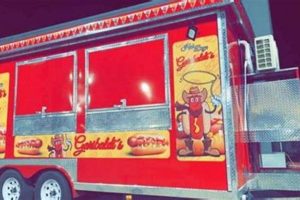
Climate control solutions designed for mobile culinary businesses provide temperature regulation within the vehicle. These systems offer cooling capabilities, ensuring a comfortable operating environment for staff and preserving the quality of ingredients during operation. For example, a self-contained unit mounted on the roof of a food truck provides cooled air throughout the interior.
Maintaining a consistent and appropriate temperature inside a mobile kitchen offers multiple advantages. It improves employee productivity and morale by mitigating the effects of extreme heat. Moreover, it safeguards food from spoilage, complying with health regulations and reducing potential waste. Historically, these mobile businesses relied on fans and ventilation; however, technological advancements have brought more effective, dedicated cooling solutions to this sector.
Therefore, an evaluation of available systems, power requirements, installation considerations, and maintenance practices is crucial before implementing temperature regulation within a food truck. Subsequent sections will elaborate on these key aspects.
Tips for Effective Climate Control in Mobile Culinary Units
Implementing an effective cooling strategy in a mobile kitchen requires careful planning and execution. Consider the following points to optimize the system’s performance and longevity.
Tip 1: Assess Cooling Load Requirements: Conduct a thorough assessment of the unit’s size, insulation levels, and equipment heat output. This determines the necessary BTU capacity for the cooling system.
Tip 2: Select the Appropriate System Type: Evaluate the various types of cooling units, including roof-mounted, split systems, and portable units. Selection should be based on power availability, space constraints, and cooling needs.
Tip 3: Ensure Proper Installation: Adhere strictly to manufacturer installation guidelines. Improper installation can significantly reduce the system’s efficiency and lifespan.
Tip 4: Maintain Regular Servicing: Implement a routine maintenance schedule that includes filter cleaning, coil cleaning, and refrigerant level checks. This preventative measure ensures optimal performance and prevents costly repairs.
Tip 5: Optimize Insulation: Insulate the walls, ceiling, and floor of the mobile kitchen to reduce heat gain and minimize the cooling system’s workload.
Tip 6: Utilize Awnings and Shade: Employ awnings or park in shaded areas whenever possible to reduce direct sunlight exposure and lower interior temperatures.
Tip 7: Consider a Generator’s Capacity: When using a generator, ensure it has sufficient power to support the cooling system and other electrical appliances simultaneously.
Effective climate control improves operational efficiency and ensures a safer, more comfortable working environment, contributing to overall business success.
The subsequent discussion will focus on potential challenges and solutions related to cooling mobile culinary units.
1. System Capacity

System capacity, measured typically in British Thermal Units (BTUs), is a critical determinant of the effectiveness of climate control within mobile culinary units. Insufficient cooling capacity leads to elevated interior temperatures, compromising food safety, employee comfort, and overall operational efficiency. The BTU rating must correlate directly with the heat load generated by cooking equipment, ambient environmental conditions, and the dimensions of the vehicle’s interior. A system with inadequate capacity will continuously operate at maximum output, resulting in increased energy consumption, premature wear and tear, and a failure to maintain the desired temperature. For example, a food truck operating in a hot climate with multiple high-output cooking appliances necessitates a cooling system with a substantially higher BTU rating than a similar unit operating in a cooler climate with fewer heat-generating devices.
Accurate determination of system capacity requires a professional assessment of the thermal characteristics of the food truck. Factors such as insulation quality, window surface area, and ventilation influence the overall heat load. Moreover, the type and frequency of cooking activities significantly impact the required cooling power. Underestimating the system’s needs results in suboptimal performance and potential health code violations. Conversely, oversizing the system leads to higher initial costs and inefficient energy usage. Precise calculation and professional consultation are, therefore, advisable to ensure an appropriate match between cooling capacity and operational demands.
The selection of a properly sized climate control system is fundamental to the long-term success and regulatory compliance of mobile culinary businesses. Neglecting this key aspect jeopardizes food safety, employee well-being, and the financial viability of the operation. Ongoing monitoring of system performance and adjustments based on changing environmental or operational conditions are essential to maintaining optimal climate control.
2. Power Source

The power source is a foundational element in the operation of climate control systems within mobile culinary units. The available power infrastructure dictates the type and capacity of cooling systems that can be effectively employed. Inadequate power supply results in system malfunction or the inability to operate cooling equipment, directly affecting food safety and the working environment. The choice of power source, typically a generator or shore power, carries significant implications for operational costs, noise levels, and regulatory compliance.
Generators, while providing mobility and independence, present challenges related to fuel consumption, noise pollution, and maintenance requirements. Their capacity must be carefully matched to the power demands of the cooling system and other onboard electrical equipment. Shore power, when available, offers a more stable and cost-effective alternative, eliminating fuel costs and reducing noise. However, reliance on external power sources limits operational flexibility and necessitates access to suitable electrical connections. For instance, a food truck using a high-BTU air conditioning system will require a robust generator capable of delivering sufficient wattage without overloading, potentially impacting noise levels and fuel consumption. Conversely, connecting to shore power at a permitted location reduces these concerns, provided that the electrical infrastructure can support the load.
The selection of an appropriate power source for food truck climate control involves a comprehensive assessment of operational needs, location constraints, and budgetary considerations. Understanding the intricacies of power supply is critical for ensuring reliable and efficient cooling, safeguarding food quality, and maintaining a comfortable working environment. Proper power management, including load balancing and routine generator maintenance, is essential for optimizing performance and minimizing operational disruptions.
3. Installation Method
The installation method profoundly affects the performance and longevity of climate control systems in mobile culinary units. Improper installation creates a cascade of negative effects, ranging from diminished cooling efficiency to premature system failure. The method chosen directly influences airflow, refrigerant integrity, and the structural integrity of the food truck itself. For instance, a poorly sealed roof-mounted unit permits air leaks, forcing the system to work harder and consume more energy. Similarly, inadequate electrical connections can lead to overheating, posing a fire hazard. Correct installation, conversely, ensures optimal operation, minimizes energy waste, and extends the lifespan of the cooling equipment.
The choice of installation method depends on the type of cooling system, the physical constraints of the food truck, and applicable safety regulations. Roof-mounted units require careful sealing and structural reinforcement to prevent leaks and ensure stability during transit. Split systems demand precise routing of refrigerant lines to maintain optimal pressure and prevent leaks. Portable units, while offering installation flexibility, necessitate proper ventilation to dissipate heat and prevent overheating. Real-world examples underscore the significance of professional installation. A unit improperly mounted could vibrate loose during operation, potentially causing damage to the unit or the food truck structure. Conversely, proper installation is more likely to avoid frequent repairs and ensures a consistent temperature.
The correct installation method, therefore, is not merely a procedural step, but a critical determinant of the success and safety of temperature regulation. Prioritizing professional installation, adhering to manufacturer specifications, and conducting thorough inspections are essential for ensuring optimal performance and mitigating potential risks. Addressing installation proactively prevents costly repairs, ensures regulatory compliance, and maximizes the return on investment in climate control technology.
4. Maintenance Requirements

Regular maintenance is inextricably linked to the operational effectiveness and longevity of air conditioning systems in mobile culinary units. Neglecting maintenance protocols precipitates a cascade of adverse effects, including diminished cooling capacity, increased energy consumption, system malfunctions, and potential health code violations. The consistent operational demands placed on these systems within the challenging environment of a food truck necessitate a proactive approach to maintenance. For example, failure to regularly clean air filters restricts airflow, causing the system to work harder, consume more power, and ultimately reduce cooling efficiency. In extreme cases, a complete system failure may occur, necessitating costly repairs and downtime. Conversely, adhering to a well-defined maintenance schedule ensures optimal performance, extends the system’s lifespan, and minimizes the risk of unexpected breakdowns.
The practical application of maintenance protocols includes tasks such as filter cleaning or replacement, coil cleaning, refrigerant level checks, and inspection of electrical components. The frequency of these tasks depends on factors such as usage patterns, environmental conditions, and manufacturer recommendations. For instance, food trucks operating in dusty environments require more frequent filter cleaning than those in cleaner areas. Similarly, systems subjected to heavy usage during peak seasons necessitate more rigorous maintenance schedules. Routine inspections identify potential problems early, allowing for proactive intervention and preventing minor issues from escalating into major repairs. Real-world examples consistently demonstrate the cost-effectiveness of regular maintenance, preventing costly downtime and potentially extending the system’s lifespan by several years.
In summary, consistent and comprehensive maintenance is not merely an optional add-on but an essential component of air conditioning for food trucks. Overlooking maintenance responsibilities undermines system performance, elevates operational costs, and jeopardizes food safety. By prioritizing a proactive maintenance strategy, operators can ensure reliable climate control, extend the lifespan of their equipment, and maintain a safe and comfortable working environment, ultimately contributing to the overall success of their mobile culinary business.
5. Ambient Conditions

Ambient conditions exert a substantial influence on the performance and efficacy of cooling systems implemented in mobile culinary units. External temperature, humidity levels, and solar radiation directly impact the heat load imposed on the vehicle’s interior. Consequently, these factors dictate the required capacity and operational parameters of climate control equipment. For instance, a food truck operating in a desert environment with prolonged exposure to direct sunlight necessitates a more robust cooling system compared to an identical unit operating in a temperate climate. Ignoring ambient conditions during system selection results in inadequate cooling, compromising food safety and employee well-being. The practical significance of understanding this relationship lies in the ability to select and operate cooling systems that effectively mitigate the effects of the external environment.
The cause-and-effect relationship between ambient conditions and cooling system performance is readily observable in real-world scenarios. Elevated external temperatures increase the rate of heat transfer into the vehicle’s interior, requiring the cooling system to work harder to maintain a stable temperature. High humidity levels reduce the efficiency of evaporative cooling processes, further increasing the system’s workload. Conversely, lower ambient temperatures reduce the heat load, allowing the system to operate at a lower capacity and conserve energy. Adaptive cooling systems, which automatically adjust their output based on real-time ambient conditions, offer a particularly effective solution for mitigating these challenges. Consider two identical food trucks operating in different regions; one in Phoenix, Arizona, and the other in Seattle, Washington. The Phoenix truck would require a significantly more powerful and robust cooling system to cope with the extreme heat, while the Seattle truck could function efficiently with a smaller, less power-intensive unit.
In summary, ambient conditions are a critical component of climate control strategies for mobile culinary businesses. Understanding the impact of temperature, humidity, and solar radiation enables informed decision-making regarding system selection, operational parameters, and energy management. Adapting cooling strategies to prevailing ambient conditions is essential for ensuring food safety, maintaining employee comfort, and optimizing the overall efficiency of mobile culinary operations. Future advancements in adaptive cooling technologies promise to further enhance the ability to effectively manage the impact of ambient conditions on these systems.
Frequently Asked Questions Regarding Climate Control in Mobile Culinary Units
The following section addresses common inquiries regarding temperature regulation in food trucks. It aims to clarify misconceptions and provide factual information for operators.
Question 1: Is air conditioning for food trucks a legal requirement?
The presence of air conditioning is not universally mandated by law. However, health codes often stipulate temperature requirements for food storage and preparation areas. Depending on the climate and the type of food handled, cooling systems may be necessary to comply with these regulations.
Question 2: How is the correct size of air conditioning for food trucks unit determined?
The appropriate system capacity depends on multiple factors, including the vehicle’s dimensions, insulation quality, the heat output of cooking equipment, and the prevailing climate. Professional assessment is recommended to calculate the necessary BTU rating.
Question 3: What are the primary types of cooling systems available for these vehicles?
Common options include roof-mounted units, split systems, and portable air conditioners. Each type possesses unique advantages and disadvantages regarding installation complexity, power requirements, and cooling efficiency.
Question 4: Is a generator always necessary to power air conditioning for food trucks?
A generator is typically required when shore power is unavailable. However, the generator’s capacity must be sufficient to support the cooling system and all other electrical appliances simultaneously. Utilizing shore power, when accessible, represents a more energy-efficient and quieter alternative.
Question 5: What are the primary maintenance tasks associated with air conditioning for food trucks?
Routine maintenance includes cleaning or replacing air filters, cleaning coils, checking refrigerant levels, and inspecting electrical connections. Adhering to a regular maintenance schedule optimizes performance and extends the system’s lifespan.
Question 6: How can energy consumption of air conditioning for food trucks be minimized?
Several strategies can reduce energy consumption, including improving insulation, utilizing awnings or shade, selecting energy-efficient equipment, and implementing a regular maintenance schedule.
The above answers provide a foundational understanding of cooling mobile food establishments. Careful consideration of these factors is crucial for informed decision-making.
The subsequent section will delve into emerging technologies in this field.
air conditioning for food trucks
This exploration of temperature regulation within mobile culinary businesses has underscored its multifaceted significance. System selection, power requirements, installation considerations, and maintenance practices directly impact operational efficiency, food safety, and employee well-being. Ambient conditions dictate the demands placed on these systems, necessitating adaptive and efficient technologies. The information provided is intended to inform decisions related to climate control investments within mobile culinary operations.
The ongoing evolution of cooling technologies promises enhanced efficiency and sustainability. The prudent implementation of established best practices remains paramount. Prioritizing informed system selection, proper installation, and diligent maintenance is crucial for ensuring regulatory compliance, operational success, and the consistent delivery of safe and high-quality food products from mobile culinary establishments. The integration of climate control is not merely an option, but an essential investment.