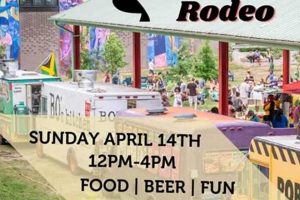
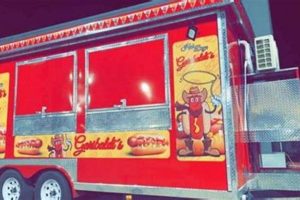
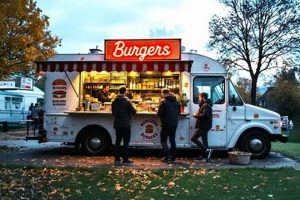
Mobile culinary vendors operating within the District of Columbia offer a diverse range of dining options. These establishments, often characterized by their adaptability and mobility, provide accessible meals to residents, workers, and tourists alike. A common example is the presence of various cuisines, from Ethiopian to Korean, available at lunchtime near government buildings and public spaces.
The presence of these mobile vendors contributes significantly to the local economy by providing opportunities for small business owners and creating employment. Their historical context involves evolving regulations, adapting to urban landscapes, and filling gaps in the traditional brick-and-mortar restaurant scene. Moreover, the convenience and affordability offered are important factors in a city with a high cost of living.
The following sections will detail the regulatory environment governing these businesses, examine the variety of culinary offerings available, and assess their economic and social impact on the District. Furthermore, it will explore the challenges and opportunities facing these mobile eateries in the present and future.
Operating a mobile culinary establishment requires careful consideration of numerous factors to ensure success and compliance.
Tip 1: Secure Required Permits: Operating legally mandates obtaining all necessary licenses and permits from the District of Columbia. Failure to do so can result in fines or operational shutdown. Consult the Department of Consumer and Regulatory Affairs for detailed requirements.
Tip 2: Understand Zoning Regulations: Familiarize oneself with the specific zoning laws governing mobile vendors. Designated vending zones and prohibited areas exist, impacting where operations are permissible. Consistent monitoring of updates to zoning regulations is advisable.
Tip 3: Develop a Comprehensive Business Plan: A detailed business plan outlining financial projections, marketing strategies, and operational logistics is crucial. This plan should include contingency plans for unexpected events, such as equipment malfunctions or permit delays.
Tip 4: Prioritize Food Safety: Strict adherence to food safety standards is paramount. Regular inspections are conducted by the Department of Health. Implement rigorous hygiene protocols and ensure staff receive adequate training in food handling and preparation.
Tip 5: Manage Inventory Effectively: Implement a robust inventory management system to minimize waste and maximize profitability. Careful tracking of ingredient usage and demand forecasting are essential for optimizing inventory levels.
Tip 6: Maintain Equipment in Optimal Condition: Regular maintenance and servicing of all equipment, including vehicles and cooking appliances, is vital. Preventative maintenance can avoid costly repairs and minimize downtime.
Tip 7: Establish a Strong Online Presence: Utilize social media platforms and online ordering systems to engage with customers and promote offerings. Maintaining an active and informative online presence can expand reach and attract new clientele.
Following these guidelines can contribute to the efficient and compliant operation of mobile culinary units, fostering sustainability and enhancing the dining experience for patrons within the city.
The next section will provide a comprehensive overview of successful vendors in the area, highlighting their strategies and impact on the community.
1. Regulations and Permits

The regulatory framework governing mobile food vendors in the District of Columbia represents a critical factor influencing operational feasibility and compliance. Navigating these regulations, specifically obtaining the necessary permits, is paramount for the legal operation of such businesses.
- Mobile Vending License
This license, issued by the Department of Consumer and Regulatory Affairs (DCRA), is the foundational permit required to operate a mobile food unit. It mandates adherence to specific health and safety standards, including food storage, preparation, and disposal. Failure to possess a valid Mobile Vending License results in immediate operational cessation and potential fines. Example: An operator without this license selling near the National Mall would face immediate penalties.
- Food Establishment Permit
This permit, administered by the Department of Health (DOH), focuses specifically on food safety. It requires regular inspections to ensure compliance with food handling practices, temperature control, and sanitation protocols. This is crucial to prevent foodborne illnesses. Example: Regular inspections of a vendor selling tacos near Farragut Square. The vendor may face suspension for violation.
- Zoning Compliance
District zoning regulations dictate permissible locations for mobile vendors. Certain areas are designated as vending zones, while others are strictly prohibited. Operators must adhere to these restrictions to avoid fines and operational disruptions. Example: A vendor operating outside a designated vending zone near a residential area is in violation of zoning laws.
- Fire Safety Inspection
Mobile food units utilizing propane or other flammable materials are subject to fire safety inspections by the Fire and Emergency Medical Services Department (FEMS). These inspections ensure compliance with fire safety codes, including proper ventilation, fire extinguisher placement, and propane tank storage. Example: A fire safety inspection of a vendor operating a grill near Dupont Circle must adhere to strict guidelines for propane tank safety.
Securing and maintaining these permits necessitates a thorough understanding of District regulations. Compliance not only ensures legal operation, but also safeguards public health and safety, and contributes to the overall viability and reputation of mobile food vending within the District.
2. Location Accessibility

The accessibility of locations for mobile food vendors directly influences their success and viability. In the District of Columbia, the correlation between prime location and revenue is undeniable. High-traffic areas, proximity to office buildings, tourist attractions, and public transportation hubs are key determinants of a vendor’s potential customer base. Restricted accessibility, conversely, can severely limit opportunities for revenue generation. The presence of designated vending zones and the enforcement of parking regulations play a significant role in dictating where these businesses can legally operate. For example, a mobile vendor situated near a busy Metro station during lunchtime is likely to experience higher sales volume compared to one located in a less populated area.
The District’s regulations regarding vending permits further shape location accessibility. Obtaining permits for desirable locations can be competitive, with factors such as seniority and adherence to regulations influencing approval. The permitting process, therefore, acts as a gatekeeper, controlling access to potentially lucrative areas. Furthermore, temporary events, such as festivals and street fairs, offer vendors opportunities to operate in areas normally inaccessible, providing a boost to revenue but also increasing competition. Examples include events near the Washington Monument or at Navy Yard, where mobile food options are highly sought after.
Ultimately, the accessibility of locations directly impacts the economic health and operational sustainability of mobile food vendors in the District of Columbia. Challenges persist regarding equitable access to prime locations and the complexities of navigating the permitting process. Understanding the interplay between regulations, location, and customer demand is crucial for both vendors and policymakers aiming to foster a thriving and equitable mobile food vending environment.
3. Menu Diversity

The breadth of culinary offerings presented by mobile food vendors constitutes a significant element of the dining landscape in the District of Columbia. This diversity, directly linked to the operational model of mobile food units, offers a spectrum of options often exceeding the concentrated selection found within traditional brick-and-mortar establishments. One notable effect is the expanded accessibility of diverse cuisines to a wider segment of the population, driven by both location and price point advantages often associated with this sector. An example of this effect is the presence of Ethiopian food vendors alongside classic American burger vendors near government buildings, providing varied options to government workers during lunch hours.
The presence of diverse menus directly affects the competitive dynamics of the food industry within the District. Mobile food units, by offering specialized or niche cuisines, can fill gaps in the existing market, catering to specific dietary needs or preferences that may not be adequately addressed by established restaurants. Furthermore, this menu diversity enhances the cultural richness of the city by providing platforms for entrepreneurs to showcase their heritage and culinary expertise. For example, the proliferation of Latin American food vendors has introduced numerous authentic dishes to the local culinary scene, enriching the options available to both residents and tourists.
In summary, menu diversity is a crucial component of the mobile food vending ecosystem. It drives competition, enhances cultural richness, and expands access to diverse culinary experiences. Understanding this dynamic is vital for policymakers seeking to support a thriving and equitable mobile food vendor environment, as well as for entrepreneurs seeking to establish successful operations within the District. Challenges remain in balancing menu diversity with regulatory requirements and market saturation, necessitating ongoing evaluation and adaptation.
4. Operational Costs
Operational costs represent a critical determinant in the viability and sustainability of mobile food vendors operating within the District of Columbia. These expenses, encompassing a range of fixed and variable costs, directly impact pricing strategies, profitability, and the overall competitive landscape of these businesses. Failure to effectively manage operational costs can lead to financial instability and ultimately, business closure. For example, high permit fees coupled with rising food costs can squeeze profit margins, particularly for vendors offering lower-priced menu items. The practical significance of understanding operational costs lies in its direct bearing on the financial health and longevity of these small businesses.
Specific operational costs relevant to vendors in the District include, but are not limited to, permit and licensing fees, vehicle maintenance and fuel, food inventory, labor expenses, insurance premiums, commissary rental (if applicable), and waste disposal fees. The cumulative effect of these expenses necessitates careful budgeting and cost control measures. For example, securing a prime vending location often entails higher permit fees, requiring vendors to accurately forecast sales volume to offset these increased costs. Furthermore, fluctuations in ingredient prices, particularly for specialized or imported items, can necessitate menu adjustments or price increases, impacting customer demand. Another example is the cost of complying with DC’s environmental regulations, such as waste disposal and recycling, which can add significant expenses.
In conclusion, operational costs are an indispensable factor in the success of mobile food vending businesses in the District of Columbia. The ability to accurately track, manage, and mitigate these expenses is paramount for ensuring profitability and sustainability. While challenges persist regarding fluctuating ingredient prices and regulatory compliance costs, a thorough understanding of operational costs is essential for navigating the competitive market and contributing to the vibrant mobile food vending ecosystem within the District.
5. Community Integration

Mobile food vendors, when effectively integrated into the fabric of a community, contribute significantly to the social and economic vitality of the District of Columbia. This integration transcends merely providing a food service; it involves actively participating in local events, supporting neighborhood initiatives, and fostering relationships with residents and other local businesses. The cause-and-effect relationship is clear: proactive community involvement enhances the vendor’s reputation, increases customer loyalty, and ultimately leads to sustainable business growth. A prime example is a vendor who regularly donates a portion of their proceeds to a local school or sponsors a neighborhood clean-up event, thereby cultivating goodwill and fostering a sense of connection with the community they serve. Community integration serves as a crucial component of “food trucks in dc”, contributing to the overall positive image of mobile vending and ensuring its long-term acceptance within neighborhoods.
Further, practical application of community integration strategies can be observed in vendors who source ingredients from local farms and businesses. This practice not only supports the local economy but also promotes sustainability and strengthens relationships with other entrepreneurs in the area. Another example of practical integration involves collaborating with local community organizations to offer discounted meals to underserved populations or participate in food drives. These actions demonstrate a commitment to social responsibility and further embed the vendor within the community network. Mobile food vendors should also prioritize effective communication with residents, addressing concerns regarding noise, traffic, or waste management promptly and professionally.
In conclusion, community integration is an essential, multifaceted aspect of successful mobile food vending operations within the District of Columbia. Its significance extends beyond mere business practices, encompassing social responsibility, economic support for local entities, and proactive engagement with residents. While challenges exist in navigating diverse community needs and preferences, a commitment to genuine community involvement fosters mutual benefit and ensures the continued viability and positive perception of mobile food vendors within the District.
6. Competition

Competition is a fundamental force shaping the mobile food vending landscape in the District of Columbia. The dynamics of this competition influence menu diversity, pricing strategies, location selection, and overall business sustainability, making it a critical factor for vendors operating in this market.
- Market Saturation
Increased numbers of mobile food vendors in certain areas of the District can lead to market saturation, intensifying competition for customer patronage. This situation necessitates that vendors differentiate themselves through unique offerings, superior service, or competitive pricing. For example, the presence of numerous vendors offering similar cuisines near heavily trafficked areas, such as Farragut Square, can lead to a decrease in individual vendor revenue.
- Price Wars
Intense competition can instigate price wars among vendors, potentially driving down profit margins. While lower prices may attract customers in the short term, unsustainable price reductions can jeopardize the long-term viability of businesses. An example would be a cluster of vendors lowering their prices significantly to undercut competitors, potentially sacrificing quality or profitability.
- Differentiation Strategies
Competition compels vendors to develop unique selling propositions to attract customers. These strategies may include offering specialized cuisines, providing exceptional customer service, implementing loyalty programs, or utilizing innovative marketing techniques. For example, a vendor specializing in authentic ethnic cuisine may attract customers seeking a more unique culinary experience compared to vendors offering standard fare.
- Location Scarcity
Desirable vending locations within the District are often limited, leading to intense competition for access to these prime spots. Vendors may compete for permits in high-traffic areas or attempt to secure advantageous positions near popular events or attractions. This competition can drive up permit costs and create barriers to entry for new vendors. For example, competition for vending spots near the National Mall or during Cherry Blossom festival events can be particularly fierce.
These facets of competition highlight the challenges and opportunities facing mobile food vendors in the District of Columbia. Successfully navigating this competitive landscape requires strategic planning, innovation, and a thorough understanding of market dynamics to ensure sustainable business operations. Effective differentiation, strategic pricing, and a focus on customer satisfaction are crucial for vendors to thrive in this competitive environment.
7. Customer Demand
Customer demand constitutes a primary driver shaping the operational characteristics and strategic decisions within the mobile food vending sector of the District of Columbia. Fluctuations in customer preferences, demographic shifts, and seasonal variations directly influence menu offerings, location choices, and overall business strategies adopted by vendors. The ability to accurately assess and respond to prevailing demand patterns is crucial for sustained profitability and competitive advantage. A notable example is the increased demand for vegetarian and vegan options, prompting many vendors to adapt their menus to cater to this growing segment of the population. Another instance is the demand for quick, affordable meals near office buildings during lunch hours, driving vendors to strategically position themselves in these locations.
The impact of customer demand extends beyond mere menu adjustments. Vendors often leverage data analytics and customer feedback mechanisms, such as online surveys and social media engagement, to gain deeper insights into evolving consumer preferences. These insights inform decisions regarding pricing strategies, promotional campaigns, and the introduction of new menu items. For example, observing a surge in demand for spicy food through online reviews might lead a vendor to introduce a new dish featuring spicier ingredients. Furthermore, awareness of customer demand related to sustainable practices, such as environmentally friendly packaging, can influence operational choices and enhance brand image. The implementation of mobile ordering systems, driven by demand for convenience, streamlines the purchasing process and enhances customer satisfaction.
In summary, customer demand is an indispensable factor in the success of mobile food vending operations within the District of Columbia. Its influence permeates all aspects of the business, from menu design to location selection and marketing strategies. While accurately forecasting demand and adapting to rapidly changing consumer preferences present ongoing challenges, a customer-centric approach remains paramount for ensuring long-term viability and continued relevance in the dynamic mobile food vending market of the District. Understanding customer desires and delivering high-quality experiences will solidify “food trucks in dc” as integral parts of the local culture.
Frequently Asked Questions
The following questions address common inquiries and misconceptions regarding the operation and regulation of mobile food vendors within the District of Columbia. The objective is to provide clear and concise information to promote a better understanding of this sector.
Question 1: What permits are required to operate a mobile food vending business in the District of Columbia?
Operating legally necessitates obtaining a Mobile Vending License from the Department of Consumer and Regulatory Affairs (DCRA), a Food Establishment Permit from the Department of Health (DOH), adherence to District zoning regulations, and potentially a Fire Safety Inspection from the Fire and Emergency Medical Services Department (FEMS), depending on the equipment used.
Question 2: Where are mobile food vendors permitted to operate within the District?
The District designates specific vending zones where mobile food vendors are allowed to operate. These zones are subject to change, and vendors must adhere to zoning regulations to avoid fines. High-traffic areas, proximity to office buildings, tourist attractions, and public transportation hubs are usually considered.
Question 3: What factors influence the prices charged by mobile food vendors?
Several factors influence pricing, including operational costs such as permit fees, vehicle maintenance, food inventory, labor, and insurance. Market competition and customer demand also play a significant role in determining pricing strategies. The overall economic state also plays a role.
Question 4: How does the District ensure food safety standards are met by mobile food vendors?
The Department of Health (DOH) conducts regular inspections of mobile food units to ensure compliance with food handling practices, temperature control, and sanitation protocols. Vendors are required to maintain proper hygiene standards and undergo training in food safety.
Question 5: What are the challenges faced by mobile food vendors in the District?
Challenges include navigating complex regulatory requirements, securing permits for desirable locations, managing operational costs, facing market competition, and adapting to fluctuating customer demand and preferences. Weather is another thing.
Question 6: How can mobile food vendors contribute to the community in the District of Columbia?
Vendors can contribute by sourcing ingredients locally, participating in community events, offering discounted meals to underserved populations, and supporting local charities or initiatives. Responsible waste management and minimizing environmental impact are also important considerations.
These FAQs provide a general overview of key aspects concerning mobile food vendors in the District of Columbia. Continued awareness of regulatory updates and engagement with community needs are essential for both vendors and the public they serve.
The following section will summarize the key points discussed and offer concluding thoughts on the current state and future of mobile food vending within the District.
Conclusion
This analysis has explored the multifaceted dynamics of mobile food vendors within the District of Columbia. Key aspects such as regulatory frameworks, location accessibility, menu diversity, operational costs, community integration, competition, and customer demand have been examined. These elements collectively shape the operational landscape and economic viability of mobile food vending businesses, contributing significantly to the city’s culinary ecosystem.
The future of “food trucks in dc” hinges on continued adaptation to evolving regulations, consumer preferences, and economic realities. Fostering a supportive environment that balances regulatory oversight with entrepreneurial opportunity is crucial for ensuring the sustained contribution of these businesses to the District’s economy and cultural vibrancy. Stakeholders are encouraged to engage in informed dialogue to promote a sustainable and equitable mobile food vending sector that benefits both vendors and the community at large.