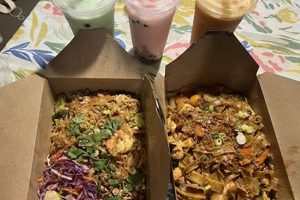
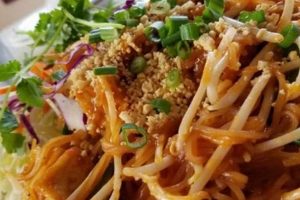
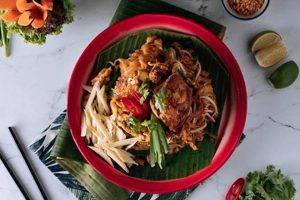
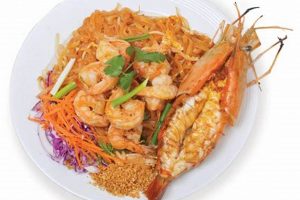
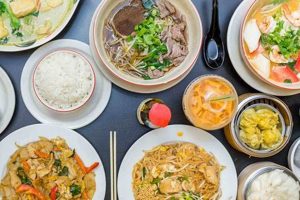
This culinary style involves stir-frying ingredients in a wok, a versatile round-bottomed cooking pan originating from China. Common ingredients include rice noodles, vegetables such as broccoli and bell peppers, proteins like chicken, pork, or tofu, and a variety of Thai sauces such as soy sauce, oyster sauce, and fish sauce. A representative dish might feature thin rice noodles tossed with shrimp, bean sprouts, peanuts, and a tamarind-based sauce.
The adoption of this method for preparing Thai cuisine highlights efficiency in cooking and the vibrant flavors achievable through high-heat, quick-cooking techniques. Benefits include the preservation of ingredient textures and nutritional value, and the ability to create a diverse array of dishes that are both flavorful and relatively quick to prepare. The use of the wok in Thai cooking reflects a historical culinary exchange and adaptation, resulting in a distinctive and popular cuisine.
The following discussion will delve into specific techniques, popular ingredients, regional variations, and the overall cultural impact of this culinary approach on both Thai cuisine and international gastronomy. Subsequent sections will examine factors contributing to its widespread appeal and offer an analysis of its nutritional profile.
Essential Techniques for Successful Stir-Frying
Achieving optimal results requires meticulous attention to preparation and execution. These techniques provide a foundation for mastering the art of wok cooking.
Tip 1: Ingredient Preparation is Paramount: Ensure all ingredients are uniformly cut into manageable pieces prior to cooking. This promotes even cooking and consistent texture throughout the dish. For example, slice meats thinly against the grain and dice vegetables into bite-sized portions.
Tip 2: High Heat is Essential: The wok should be heated to a high temperature before adding any ingredients. This creates a searing effect that locks in flavor and prevents steaming. Preheating the wok until it is almost smoking is an indicator of sufficient heat.
Tip 3: Oil Selection Matters: Opt for oils with a high smoke point, such as peanut oil or canola oil. These oils can withstand the high temperatures required for successful wok cooking without breaking down and imparting undesirable flavors. Avoid olive oil due to its relatively low smoke point.
Tip 4: Ingredient Addition Order is Critical: Add ingredients in order of their cooking time, starting with those that require the longest cooking period. Typically, proteins are added first, followed by dense vegetables, and finally, leafy greens and sauces. This ensures that each ingredient is cooked to its optimal doneness.
Tip 5: Wok Hei: The Breath of the Wok: This intangible element refers to the smoky flavor imparted by the wok’s high heat and rapid cooking process. Achieving wok hei requires a skilled hand and proper technique, including tossing the ingredients frequently to expose them to the hot surface of the wok.
Tip 6: Manage Moisture Levels: Excessive moisture can lower the temperature of the wok and result in steamed, rather than stir-fried, ingredients. Pat ingredients dry before adding them to the wok and avoid overcrowding the wok to allow for proper evaporation.
Tip 7: Sauce Application at the End: Add sauces towards the end of the cooking process to prevent them from burning and becoming bitter. Toss the ingredients quickly and thoroughly to ensure even distribution of the sauce.
Mastering these techniques enhances the quality and authenticity of the culinary experience, leading to dishes with superior flavor, texture, and overall appeal.
The following sections will elaborate on specific recipes and regional variations, further solidifying the reader’s understanding.
1. High-heat searing

High-heat searing forms a cornerstone technique in the preparation of dishes within this culinary style. It is the rapid application of intense heat to ingredients, a process fundamentally altering their texture and flavor profiles and is vital for creating dishes with authentic characteristics.
- Maillard Reaction and Flavor Development
The Maillard reaction, a chemical process occurring between amino acids and reducing sugars at high temperatures, is central. This reaction generates a multitude of flavor compounds, imparting complex aromas and tastes. In this culinary context, searing enables ingredients like meats and vegetables to develop a desirable charred exterior while retaining moisture within, contributing significantly to the overall flavor profile.
- Texture Enhancement
High-heat searing contributes to textural contrast. The rapid cooking process sears the exterior of ingredients, creating a slightly crisp or caramelized surface. This textural difference contrasts with the tender interior, enhancing the eating experience. For instance, the searing of tofu or chicken creates a pleasing crust that complements the softer interior.
- Moisture Retention
Paradoxically, high-heat searing aids in moisture retention. The intense heat quickly seals the surface of ingredients, minimizing moisture loss during the cooking process. This is particularly important for maintaining the succulence of meats and preventing vegetables from becoming soggy. Swift searing is critical to this moisture-retention process.
- Wok Hei Creation
High-heat searing is intrinsically linked to achieving wok hei, often translated as the “breath of the wok.” This elusive quality, characterized by a smoky, slightly charred flavor, is highly valued in wok cooking. It is created when ingredients are tossed in a preheated wok and briefly exposed to intense heat, imparting a unique and desirable flavor profile. The rapid evaporation of moisture contributes to this distinct smoky essence.
These facets of high-heat searing are essential for achieving the desired flavor, texture, and aromatic complexity that characterize this style of food preparation. The effective application of this technique is pivotal for replicating the authentic tastes and experiences associated with this cuisine.
2. Sauce Complexity
Sauce complexity forms a fundamental component of flavor development in the preparation of this cuisine. The intricate blending of various ingredients creates layers of taste that define the dishes’ distinct character. It represents more than just a condiment; it’s an integral building block of the culinary experience.
- Balance of Flavors
Thai sauces exemplify a balance of sweet, sour, salty, spicy, and umami elements. This equilibrium results from the careful combination of ingredients such as palm sugar, tamarind paste, fish sauce, chili peppers, and often glutamate-rich substances. A quintessential Pad Thai sauce, for example, demonstrates this balance, employing tamarind for sourness, palm sugar for sweetness, and fish sauce for saltiness and umami, culminating in a nuanced flavor profile that complements the other ingredients.
- Regional Variations
Distinct regional preferences influence sauce formulations. Southern preparations frequently incorporate coconut milk and spices like turmeric and galangal, creating richer and more aromatic sauces compared to the central region, which may lean towards sharper and brighter flavors due to the use of lime juice and fresh herbs. The northern areas also have distinctive flavors. These regional variations underscore the adaptability and diversity within Thai cuisine.
- Ingredient Synergy
The complexity arises not only from the individual components but also from their interaction. Fish sauce, for instance, undergoes fermentation, which develops a savory depth. When combined with the sweetness of palm sugar and the acidity of lime, it transforms into a harmonious blend that enhances the overall palatability of the dish. The interplay of these ingredients results in a synergistic effect that transcends the sum of their individual flavors.
- Impact on Texture
Sauces contribute to the textural dimension of the dish, influencing the perceived mouthfeel. They can range from light and watery to thick and viscous, affecting how the dish coats the palate. A well-executed sauce will provide a pleasing coating to the noodles or vegetables, enhancing the overall sensory experience. The viscosity is often controlled through the careful addition of starch or by reducing the sauce over heat.
The multifaceted nature of sauces within this culinary context underscores their pivotal role in defining the taste and sensory attributes of the dishes. The skillful combination of ingredients and the understanding of regional variations are essential for achieving authentic and satisfying culinary outcomes. They elevate simple stir-fried dishes into intricate and memorable culinary experiences.
3. Fresh Ingredients

The quality and vibrancy of components are paramount in this style of cooking. The reliance on locally sourced produce and freshly prepared proteins significantly contributes to the characteristic flavors and textures. The emphasis on peak-season ingredients ensures optimal taste and nutritional value.
- Herbaceous Aromatics and Flavor Complexity
Fresh herbs, such as Thai basil, cilantro, mint, and lemongrass, are integral. Their addition infuses dishes with complex aromas and flavors that dried herbs cannot replicate. For instance, the pungent anise notes of Thai basil elevate a simple stir-fry to a complex sensory experience. The immediate infusion of these aromas is critical to the final flavor profile, contributing a defining characteristic.
- Peak-Season Produce and Optimal Texture
The selection of vegetables at their peak ripeness is essential for optimal texture and flavor. Crisp-tender vegetables, like Chinese broccoli, green beans, and bell peppers, provide a desirable textural contrast to the softer noodles and proteins. Peak-season produce contributes a sweetness and vibrancy often absent in off-season alternatives. Selecting ingredients at their prime directly impacts the final textural and flavor outcome.
- Fresh Proteins and Enhanced Palatability
The utilization of freshly sourced proteins, including shrimp, chicken, pork, or tofu, enhances overall palatability. Fresh proteins exhibit superior texture and moisture content compared to frozen or processed alternatives. The rapid cooking method preserves the inherent qualities of these proteins, contributing to a more satisfying mouthfeel. The absence of preservatives also results in a cleaner, more authentic flavor profile.
- Spice Freshness and Flavor Intensity
The incorporation of freshly ground spices and freshly made curry pastes intensifies flavor delivery. The volatile oils present in spices degrade over time, diminishing their aromatic potency. Using freshly prepared spices ensures a more intense and complex flavor profile. The immediate release of these potent flavors during cooking enhances the overall sensory experience.
The consistent use of high-quality, fresh components directly correlates with the authenticity and overall appeal of this style of culinary preparation. The careful selection and skillful integration of these components are essential for replicating the vibrant flavors and textures synonymous with this culinary tradition. The emphasis on freshness is a defining element that separates authentic preparations from less successful imitations.
4. Rapid Stir-frying

Rapid stir-frying constitutes a defining characteristic in the preparation of this culinary style. This technique, involving the quick cooking of ingredients over high heat in a wok, is essential for achieving the desired flavors and textures associated with authentic dishes.
- Preservation of Ingredient Texture
The swift cooking process minimizes the breakdown of cellular structures in vegetables and proteins. For instance, broccoli florets maintain their crispness, and shrimp retain a succulent texture. This textural preservation is crucial, as overcooked ingredients can become mushy and lose their appeal. Rapid stir-frying allows for the retention of each ingredient’s individual textural integrity.
- Retention of Nutritional Value
Prolonged cooking times can lead to the leaching of vitamins and minerals from ingredients. Rapid stir-frying reduces the duration of heat exposure, thereby preserving a greater proportion of the nutrients. Vegetables, in particular, benefit from this technique, retaining more vitamins and antioxidants compared to slower cooking methods. This aspect aligns with the increasing consumer awareness of health and nutritional benefits.
- Development of Wok Hei Flavor
As previously mentioned, the intense heat and quick cooking time contribute to the development of wok hei, a unique smoky flavor prized in stir-fried dishes. The Maillard reaction occurs rapidly on the surface of the ingredients, creating complex flavor compounds. This distinctive flavor is often considered a hallmark of skillfully prepared dishes and is difficult to replicate with other cooking methods.
- Efficient and Timely Meal Preparation
Rapid stir-frying facilitates quick and efficient meal preparation. The short cooking time allows for dishes to be prepared relatively quickly, making it a practical option for both home cooks and commercial kitchens. This efficiency aligns with contemporary lifestyles that often prioritize speed and convenience without sacrificing flavor and nutritional value. Furthermore, the rapid cooking time allows for adjustments to be made easily during the cooking process itself, if needed.
These facets of rapid stir-frying are integral to achieving the desired outcomes in this cuisine. The preservation of texture and nutritional value, the development of wok hei flavor, and the efficiency of preparation all contribute to the overall appeal and authenticity of these dishes. The technique, therefore, is not merely a cooking method, but a fundamental element in defining the character of the food.
5. Balanced Flavors
The successful execution of dishes relies heavily on the precise equilibrium of sweet, sour, salty, spicy, and umami flavors. This balance is not merely additive; it involves a synergistic interaction among ingredients, transforming individual tastes into a cohesive and harmonious culinary experience. The absence or dominance of any single flavor can undermine the entire dish, demonstrating the critical importance of proper flavor balancing techniques.
Examples of this delicate balance are evident in iconic dishes. Pad Thai achieves its distinctive character through the interplay of tamarind’s sourness, palm sugar’s sweetness, fish sauce’s saltiness and umami, and chili flakes’ spiciness. Green curry similarly exemplifies balance with the creamy sweetness of coconut milk, the heat of green chilies, the saltiness of fish sauce, the herbal notes of galangal and lemongrass, and the subtle bitterness of Thai eggplant. Practical significance is found in the adherence to traditional flavor profiles, ensuring authenticity and a consistently satisfying experience. Deviations from established ratios often result in dishes perceived as either bland, overly sweet, or excessively spicy, detracting from the intended culinary effect.
Achieving this balance presents challenges, as individual palates and ingredient variations can affect the final outcome. Expertise in flavor profiling and ingredient knowledge are essential. Furthermore, awareness of regional variations and personal preferences allows for appropriate adjustments while maintaining the core principles of balance. Ultimately, the successful creation of authentic flavors demands both culinary skill and a deep understanding of the interaction between ingredients, solidifying the concept of balanced flavors as a cornerstone of Thai cuisine.
6. Noodle Variations

The diversity of noodle types significantly influences the texture, flavor absorption, and overall character of preparations. Different noodle varieties react uniquely to the wok’s high heat and the accompanying sauces, leading to distinct culinary outcomes. This variety is a crucial component, shaping the identity and versatility of these dishes. The selection of a specific noodle type directly impacts the final gustatory experience, and skillful utilization is necessary to achieve optimal results. Each kind offers a unique contribution.
Examples include the use of thin rice noodles in Pad Thai, where their delicate structure readily absorbs the complex sauce, creating a balanced and flavorful dish. Broad rice noodles, often featured in Pad See Ew, provide a chewier texture and a more substantial mouthfeel. Glass noodles, also known as cellophane noodles, offer a translucent appearance and a neutral flavor, allowing them to absorb the surrounding flavors effectively. Egg noodles, common in some variations, impart a richness and slightly eggy taste. The careful choice of noodles exemplifies the practical significance of understanding ingredient interactions within this culinary domain.
Mastery requires familiarity with each noodle’s properties and the application of appropriate cooking techniques. The incorrect selection of noodle types can result in dishes lacking the desired texture and flavor balance. Understanding these nuances enhances the culinary repertoire, enabling chefs and home cooks to create authentic and satisfying meals. Noodle selection should be based on desired outcomes.
7. Aromatic herbs
Aromatic herbs are not merely garnishes but integral components in the creation of this type of cuisine, profoundly influencing the sensory profile and overall culinary experience. These herbs contribute volatile aromatic compounds, significantly enhancing the flavor complexity of wok-prepared dishes. The absence or improper use of these herbs can drastically alter the intended taste, underscoring their essential role. The distinctive character of this food is intrinsically linked to the specific aromatic herbs employed.
Consider, for example, the use of Thai basil (bai horapa) in dishes like Pad Kra Pao (stir-fried holy basil with meat). Thai basil imparts a unique anise-like flavor that cannot be replicated with other types of basil. Similarly, cilantro (pak chee), with its bright and citrusy notes, is crucial in balancing the richness of certain sauces and adding a refreshing element. Lemongrass (takrai), galangal (khaa), and kaffir lime leaves (bai makrut) are frequently used to infuse curries and stir-fries with their distinctive citrusy and floral aromas. These examples illustrate the specificity and importance of each herb in achieving authentic flavor profiles. The chefs understands the specific herbs for the dish and the herb’s importance.
The understanding and proper utilization of aromatic herbs are therefore of paramount practical significance in preparing these dishes. Home cooks and professional chefs must be able to identify and source high-quality, fresh herbs and understand their individual flavor contributions. The timing of herb addition is also critical; many herbs are added towards the end of the cooking process to preserve their volatile oils and maximize their aromatic impact. The relationship between aromatic herbs and this culinary style extends beyond mere flavoring; it is a fundamental element that defines its character and ensures its authenticity.
Frequently Asked Questions Regarding Thai Wok Food
The following questions address common inquiries and misconceptions surrounding the preparation, ingredients, and characteristics of this specific culinary style.
Question 1: What distinguishes “Thai Wok Food” from other stir-fried cuisines?
The distinguishing factor lies in the specific combination of Thai sauces, aromatic herbs, and the balance of sweet, sour, salty, spicy, and umami flavors. While stir-frying is a common technique across many Asian cuisines, the incorporation of ingredients like fish sauce, tamarind paste, Thai basil, and galangal creates the distinctive profile.
Question 2: Is “Thai Wok Food” inherently unhealthy?
The health implications depend on the ingredients and preparation methods employed. Dishes prepared with excessive oil, sodium, or sugar can be less healthy. However, the utilization of fresh vegetables, lean proteins, and moderate amounts of healthy oils can result in nutritious and balanced meals. Portion control and mindful ingredient selection are key factors.
Question 3: What are the essential tools for preparing “Thai Wok Food” at home?
A wok is the primary cooking vessel. A high-heat burner is also important for achieving the desired searing effect. Other essential tools include a spatula or wok shovel for stirring, sharp knives for ingredient preparation, and various measuring spoons and cups for accurate sauce preparation.
Question 4: Can “Thai Wok Food” be adapted for vegetarian or vegan diets?
Adaptation is readily achievable. Proteins such as tofu, tempeh, or plant-based meat alternatives can be substituted for animal-based proteins. Fish sauce, a common ingredient, can be replaced with soy sauce, tamari, or a vegetarian fish sauce alternative. Careful attention to ingredient substitutions allows for the creation of authentic and satisfying vegetarian and vegan dishes.
Question 5: What are the common mistakes to avoid when cooking “Thai Wok Food”?
Overcrowding the wok, using low heat, adding too much liquid, and failing to prepare ingredients properly are common errors. Overcrowding lowers the temperature, leading to steaming instead of stir-frying. Insufficient heat prevents proper searing. Excess liquid inhibits flavor development. Inadequate preparation results in uneven cooking. Addressing these mistakes improves the final outcome.
Question 6: How does regional variation affect “Thai Wok Food”?
Regional differences significantly impact the flavors and ingredients. Southern Thai cuisine often incorporates coconut milk and richer spices. Central Thai cuisine tends to favor a balance of flavors with a greater emphasis on sweetness. Northern Thai cuisine utilizes different types of noodles. Familiarity with regional variations is crucial for understanding the diversity within this culinary genre.
In summary, the authenticity and quality of “Thai Wok Food” rely on precise ingredient selection, proper cooking techniques, and an understanding of flavor balance. Mindful attention to these factors enhances the culinary experience.
The subsequent section will address specific regional recipes and offer detailed preparation instructions.
Conclusion
This exploration has illuminated the multifaceted nature of this culinary style. From essential techniques like high-heat searing to the critical roles of fresh ingredients, balanced flavors, and diverse noodle variations, each element contributes significantly to the authenticity and overall quality of these dishes. The specific combination of Thai sauces and aromatic herbs further distinguishes this particular culinary approach from other stir-fried cuisines. Successful preparation requires a deep understanding of these interconnected components.
Continued adherence to traditional methods and a commitment to ingredient excellence will ensure the preservation and promotion of this significant aspect of Thai culinary heritage. Future study should focus on the specific regional variations and their impact on ingredient selection and flavor profiles. The perpetuation of knowledge regarding proper preparation techniques remains paramount for maintaining the integrity of this culinary art form.