The consumption of canine-specific nourishment by waterfowl is a practice that warrants careful consideration. While ducks may ingest kibble intended for dogs, the nutritional profile of this food source is not optimized for avian health and well-being. Dog food is formulated to meet the dietary needs of canines, emphasizing protein and fat compositions that differ significantly from the requirements of ducks.
Offering sustenance designed for a different species can lead to various health complications in ducks. Prolonged consumption of an unbalanced diet can result in nutrient deficiencies, digestive issues, and impaired growth. The long-term impact on their overall health necessitates a judicious approach to their dietary management.
Therefore, it is essential to understand the specific nutritional demands of ducks and provide them with appropriate food sources. The subsequent sections will delve into the risks associated with ducks consuming canine nourishment, explore the ideal dietary requirements for ducks, and offer alternative feeding strategies to ensure their optimal health.
Guidelines Regarding Avian Consumption of Canine Provisions
Adhering to these guidelines can help ensure the health and well-being of waterfowl, especially concerning the risks associated with them consuming nourishment formulated for other animals.
Tip 1: Prioritize Species-Appropriate Diets. Ducks require specific nutrient ratios to thrive. Supplying them with food formulated explicitly for waterfowl is crucial for their long-term health and vitality.
Tip 2: Monitor Dietary Intake. Observe duck feeding habits to detect any instances of them consuming inappropriate food sources, such as canine nourishment. Intervene immediately to redirect them to suitable alternatives.
Tip 3: Secure Canine Food Storage. Store dog food in secure containers and locations inaccessible to ducks. This preventative measure minimizes the likelihood of accidental ingestion.
Tip 4: Provide Ample Waterfowl-Specific Feed. Ensure a readily available supply of food designed for ducks, like waterfowl feed pellets or a balanced mix of grains and greens. This helps reduce the chances of them seeking alternative, unsuitable options.
Tip 5: Supervise Feeding Areas. Be vigilant during feeding times for both dogs and ducks to prevent cross-species consumption. Segregation may be necessary to ensure each animal consumes their designated food.
Tip 6: Consult with Veterinary Professionals. If concerns arise regarding a duck’s health due to dietary indiscretions, seeking guidance from a qualified veterinarian specializing in avian care is advised. They can offer tailored recommendations.
Implementing these tips reduces the potential for ducks to consume dog food, thereby mitigating the risks associated with an unbalanced diet and contributing to their overall health and longevity.
With consistent application of these practices, duck owners can positively influence the dietary habits of these birds, steering them towards nutritious options and away from potentially harmful food sources.
1. Accessibility

Accessibility plays a pivotal role in determining whether ducks will ingest canine nourishment. The ease with which ducks can reach and consume dog food directly impacts the probability of such consumption occurring. This relationship is crucial in maintaining a duck’s health and preventing dietary imbalances.
- Unrestricted Access to Feeding Areas
Open access to areas where dogs are fed significantly increases the likelihood of ducks consuming canine provisions. If feeding bowls are left unattended or food is spilled, ducks have ample opportunity to forage on the available kibble. For example, in households where dog food is consistently left outdoors, ducks are more prone to consuming it.
- Inadequate Storage of Canine Nourishment
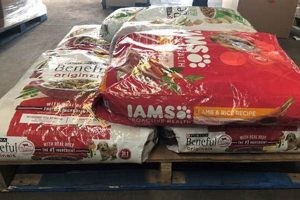
Improper storage of dog food contributes to accessibility issues. If bags of kibble are left open or are stored in areas easily accessed by ducks, they can readily consume the contents. A scenario illustrating this would be storing dog food in an unlocked shed or garage where ducks can freely enter and forage.
- Proximity of Duck Habitats to Canine Feeding Zones
The geographical proximity of duck habitats, such as ponds or yards where ducks reside, to areas where dogs are fed also impacts accessibility. When duck environments are adjacent to dog feeding locations, the ducks have less distance to travel to potentially access the canine food source. This is especially relevant in rural or farm settings where ducks and dogs co-exist in close proximity.
- Lack of Physical Barriers
The absence of physical barriers that separate ducks from dog food sources exacerbates the issue of accessibility. Without fences, netting, or other protective measures, ducks can easily access the canine food. A practical example would be a farmyard where ducks and dogs roam freely without any designated separation between them and their respective food supplies.
The multifaceted nature of accessibility highlights the importance of proactive management strategies to prevent ducks from consuming canine nourishment. By implementing measures to restrict access to dog food, such as secure storage, physical barriers, and supervised feeding, the risk of ducks consuming inappropriate food sources can be significantly reduced. This ultimately contributes to the overall health and well-being of the waterfowl.
2. Nutritional Deficiency

Nutritional deficiency is a critical factor influencing whether ducks will consume food intended for other species, such as canines. When ducks lack essential nutrients in their primary diet, they may seek alternative food sources to compensate for these deficiencies. This drive for nutritional balance can override natural preferences, leading them to ingest canine nourishment.
- Protein Deficiency
Ducks require adequate protein for growth, feather development, and overall health. If a duck’s diet is deficient in protein, it may seek out alternative sources, including dog food, which typically has a higher protein content than many waterfowl diets. For instance, young ducklings or molting adults with heightened protein needs may be more inclined to eat canine provisions if their usual food source is inadequate.
- Vitamin and Mineral Imbalances
Vitamins and minerals are essential for various physiological functions in ducks. A diet lacking crucial vitamins, like niacin or vitamin D, or minerals such as calcium or phosphorus, can lead to deficiency-driven consumption of non-traditional food sources. Dog food may contain certain vitamins and minerals lacking in a duck’s primary diet, making it an attractive, albeit unsuitable, supplementary option. A duck that is not getting proper calcium may actively search for dog food.
- Essential Amino Acid Shortages
Ducks need a complete profile of essential amino acids to synthesize proteins and maintain bodily functions. If their primary diet is deficient in one or more essential amino acids, ducks may seek alternative food sources. Dog food, formulated to meet the amino acid requirements of canines, may inadvertently provide these deficient amino acids, leading ducks to consume it. This is more common when a Duck has limited range of other foods.
- Fiber Deficiency
While often overlooked, fiber is an important part of a ducks digestive health. A diet not full of sufficient roughage may lead to digestive issues and a nutritional deficiency. Due to their high fiber needs for proper digestion, Ducks may seek to ingest other products, even that of canine food, in order to fill this deficiency.
In conclusion, nutritional deficiencies significantly increase the likelihood of ducks consuming canine nourishment. Understanding the nutritional needs of ducks and ensuring their primary diet meets these requirements is essential in preventing the consumption of inappropriate food sources and maintaining their health. Providing balanced waterfowl feed and supplementing with appropriate greens and vegetables can help mitigate the risk of ducks seeking out and consuming dog food.
3. Palatability

Palatability, referring to the agreeable taste, texture, and odor of food, significantly influences the likelihood of ducks consuming canine nourishment. Even when more suitable food options are available, if dog food presents a more appealing sensory experience, ducks may preferentially select it. This selective behavior is not solely driven by nutritional need but also by the immediate gratification derived from consuming a palatable food source. For example, certain brands of dog food incorporate flavor enhancers or have a higher fat content, making them inherently more attractive to ducks than bland waterfowl feed. In environments where ducks have access to various food sources, observation may reveal them consistently choosing the more palatable dog kibble over nutritionally superior alternatives.
The effect of palatability is compounded by factors such as habituation and learned behavior. Once ducks have experienced the pleasurable sensation of consuming a specific dog food, they may actively seek it out in the future. This preference can be difficult to reverse, even when nutritionally balanced waterfowl feed is consistently provided. Furthermore, the texture of dog food can contribute to its palatability for ducks. The crunchy texture of kibble, for instance, may provide a satisfying mouthfeel, leading ducks to favor it over softer, less texturally stimulating food options. The practical implication of this understanding is that simply providing adequate waterfowl feed may not be sufficient if dog food presents a more palatable alternative. Management strategies must, therefore, address not only the availability of appropriate food but also the sensory appeal of canine nourishment.
In conclusion, palatability plays a crucial role in determining whether ducks consume dog food. The agreeable sensory attributes of certain canine food formulations can override nutritional considerations, leading ducks to select these items even when better options are present. Addressing this requires a multifaceted approach involving the careful selection of waterfowl feed with enhanced palatability and rigorous management practices to restrict duck access to canine provisions. Overcoming the challenge of palatability is essential for promoting optimal duck health and preventing dietary imbalances.
4. Food Availability

The degree to which food is available directly impacts the likelihood of ducks consuming canine nourishment. Scarcity of appropriate food sources compels ducks to broaden their dietary intake, increasing the probability of them ingesting dog food. Abundant, readily accessible waterfowl feed, conversely, reduces the inclination to seek alternative provisions. This relationship between availability and dietary choices is fundamental in avian nutritional management. For example, in environments where waterfowl feed is consistently replenished and easily accessible, ducks tend to exhibit a marked preference for it over dog food, even if the latter is present. This demonstrates that the lack of proper food is a cause while consuming dog food is the effect.
The presence of competing species further complicates the relationship between food availability and the propensity for ducks to consume dog food. In multi-species environments, dominant species may monopolize the available waterfowl feed, leaving subordinate ducks with limited access. In such circumstances, the subordinate ducks, facing nutritional deprivation, are more likely to resort to consuming dog food as a survival strategy. Consider a farmyard setting where chickens and ducks coexist. If chickens consume the majority of the waterfowl feed, the ducks, left with insufficient resources, may turn to dog food as a readily available alternative. This highlights the importance of monitoring feeding dynamics and ensuring all ducks have equitable access to suitable nourishment.
In conclusion, food availability stands as a critical determinant in dictating whether ducks consume canine nourishment. A scarcity of appropriate waterfowl feed directly increases the likelihood of them turning to alternative sources, including dog food, while an abundance of readily accessible waterfowl feed diminishes this tendency. Recognizing this connection necessitates implementing proactive management strategies that ensure consistent access to suitable nourishment for all ducks, thereby minimizing the risk of dietary imbalances and promoting optimal health. The challenge lies in creating feeding environments that cater to the specific dietary needs of ducks and mitigate competition from other species.
5. Duck's Instincts
The innate behaviors and inherent tendencies of ducks, often termed “Duck’s Instincts,” play a significant role in determining whether they will consume nourishment intended for other species, specifically canines. These instincts encompass foraging behaviors, feeding habits, and survival mechanisms that influence dietary choices. Understanding these instincts is crucial for effectively managing the nutritional intake of ducks.
- Foraging Behavior
Ducks are naturally inclined to forage for food, exploring their environment for edible items. This instinct drives them to sample various materials, including those not traditionally considered part of their diet. In environments where canine nourishment is accessible, ducks may investigate and consume it as part of their foraging activities. This is often seen when they are exploring new areas. Examples include farm settings where ducks freely roam and encounter spilled or unattended dog food. The implications are that consistent monitoring and preventative measures are necessary to prevent unintended ingestion.
- Opportunistic Feeding
Ducks are opportunistic feeders, meaning they capitalize on available food sources, regardless of their species-specific suitability. If dog food is readily accessible and no other food sources are immediately available, a ducks survival instincts may lead it to consume the canine provisions. This opportunism is pronounced during periods of food scarcity. The implication of this behavior is that it is necessary to provide stable food source for the ducks. By doing so, they do not need to forage for random sources of food.
- Social Learning
Ducks exhibit social learning behaviors, imitating the actions of other ducks within their flock. If one duck is observed consuming canine nourishment, others may follow suit, even if they would not have otherwise been inclined to do so. This social influence can rapidly spread dietary habits throughout a duck population. Observation of feeding behaviors within a flock is necessary to reduce this occurence.
- Exploratory Ingestion
Young ducks, in particular, demonstrate a tendency toward exploratory ingestion, sampling various materials to determine their edibility. This behavior is part of their learning process and contributes to their dietary development. As a result, ducklings are more likely to consume canine nourishment out of curiosity, even if it is not nutritionally beneficial. Ensuring that ducklings are getting the nutrients they need is necessary in the prevention of exploring other sources of food.
These instinctual behaviors contribute to the likelihood of ducks consuming food not intended for them. Recognizing the influence of foraging behavior, opportunistic feeding, social learning, and exploratory ingestion emphasizes the importance of proactive management strategies. Implementing measures such as secure storage of canine nourishment, provision of ample waterfowl feed, and monitoring of feeding habits are essential in mitigating the risks associated with ducks consuming inappropriate food sources, thereby safeguarding their health and well-being.
Frequently Asked Questions
This section addresses common inquiries regarding the consumption of canine provisions by ducks, providing factual information and clarifying potential misconceptions.
Question 1: Is canine nourishment toxic to ducks?
Canine provisions are not inherently toxic to ducks in small quantities. However, regular consumption can lead to nutritional imbalances due to the differing dietary requirements of canines and waterfowl.
Question 2: What are the primary risks associated with ducks consuming canine nourishment?
The primary risks include nutritional deficiencies, digestive problems, and potential health complications arising from an unbalanced diet. Canine nourishment lacks the specific nutrient ratios required for optimal duck health.
Question 3: Can ducklings consume canine nourishment safely?
Ducklings are particularly vulnerable to the negative effects of consuming canine provisions. Their rapidly developing bodies require precise nutrient ratios, which canine nourishment fails to provide, potentially hindering growth and development.
Question 4: What should be done if a duck is observed consuming canine nourishment?
If a duck is observed consuming canine provisions, the practice should be discouraged. Provide the duck with appropriate waterfowl feed and ensure the canine nourishment is stored securely to prevent future access.
Question 5: How can canine nourishment be kept away from ducks?
Canine nourishment should be stored in sealed containers, preferably in locations inaccessible to ducks. Supervise feeding times for dogs to prevent spillage or unattended food that ducks could access.
Question 6: What is the appropriate diet for ducks?
The appropriate diet for ducks should consist primarily of waterfowl feed formulated to meet their specific nutritional needs. Supplementation with greens, grains, and appropriate vegetables can also contribute to a balanced diet.
Understanding the potential risks and implementing preventative measures is essential for maintaining the health and well-being of ducks in environments where canine nourishment is present.
The subsequent section will delve into alternative feeding strategies tailored specifically for ducks, ensuring their optimal health and nutritional intake.
Concerning Waterfowl Dietary Habits
This examination of “will ducks eat dog food” has illuminated crucial aspects of avian nutrition and interspecies dietary interactions. The analysis confirms that while ducks may consume nourishment intended for canines, such behavior carries inherent risks related to nutritional imbalances and potential health complications. Factors such as food availability, palatability, and the ducks’ own foraging instincts all contribute to this dietary choice.
Given the potential adverse effects, diligent management practices are imperative. Responsible stewardship necessitates a commitment to providing ducks with appropriate waterfowl feed, securing canine nourishment from access, and monitoring feeding behaviors to prevent unintended ingestion. Prioritizing avian health through informed dietary practices remains paramount.