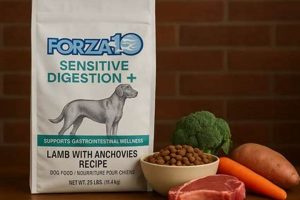
Specialized canine diets formulated with ingredients reflecting a dog’s ancestral eating patterns offer a nutritional approach rooted in evolutionary biology. These diets often emphasize whole, unprocessed foods like meat, bone, and organ tissues, mirroring the compositions of prey animals that were staples in the diets of wild canids. For instance, a diet might include novel protein sources such as venison or rabbit combined with limited grains or grain-free alternatives like sweet potatoes and peas.
Adopting this style of feeding is purported to provide several advantages, including enhanced digestion, reduced allergy risks, and improved overall vitality. Proponents suggest these formulas promote better health by providing a more biologically appropriate nutrient profile compared to conventional commercial dog foods. Historically, before the advent of mass-produced pet food, canines consumed a variety of naturally occurring foodstuffs; this approach attempts to replicate that historical balance.
Understanding the principles behind canine ancestral nutrition is essential when selecting the optimal diet. Further discussion will cover specific ingredients, nutritional considerations, and expert opinions to provide a balanced view of this dietary approach and assist in informed decision-making for canine health.
Considerations for Choosing Ancestral Canine Diets
Selecting a diet formulated to reflect a dog’s evolutionary eating patterns requires careful consideration. The following recommendations can assist in making informed choices.
Tip 1: Research Ingredient Sourcing: Verify the origin and quality of meat, poultry, and fish components. Ethical and sustainable sourcing practices contribute to a superior product.
Tip 2: Evaluate Protein Ratios: Analyze the percentage of animal-based protein relative to carbohydrates. A higher protein content is generally more aligned with ancestral nutritional profiles.
Tip 3: Assess Fat Composition: Scrutinize the types of fats included, favoring omega-3 fatty acids derived from fish oil or flaxseed, vital for inflammation management and cognitive health.
Tip 4: Minimize Processed Ingredients: Opt for formulas with minimal artificial additives, preservatives, and fillers. Natural, whole food ingredients should constitute the majority of the diet.
Tip 5: Consult Veterinary Professionals: Seek advice from a veterinarian or canine nutritionist prior to making significant dietary changes. Individual health conditions may necessitate specific nutritional requirements.
Tip 6: Monitor Digestive Health: Observe the dog’s stool consistency and frequency after introducing a new diet. Any signs of digestive upset warrant reevaluation of the food selection.
Tip 7: Consider Life Stage: Adapt dietary choices to the dog’s age, activity level, and overall health status. Puppies, adults, and senior dogs have varying nutritional needs.
Implementing these guidelines will optimize the likelihood of providing a balanced and beneficial ancestral-style diet, promoting canine health and well-being. Continual assessment and adjustments are critical to achieving optimal results.
The subsequent sections will delve into the long-term considerations and management of canines on ancestral-style diets, addressing potential challenges and proactive solutions.
1. Ancestral Ingredients

The presence and composition of ancestral ingredients form the bedrock of heritage dog food formulations. These ingredients, selected to mimic the diets of canines throughout their evolutionary history, dictate the nutritional profile and potential health impacts of this dietary approach.
- Whole Animal Protein Sources
Heritage diets prioritize whole animal protein sources, including muscle meat, organs (liver, kidney, heart), and bone. This reflects the consumption patterns of wild canids preying on whole animals. The inclusion of organs provides essential vitamins and minerals often lacking in muscle meat alone. For example, liver is a rich source of vitamin A and iron, while bone provides calcium and phosphorus. The exclusion of these elements can lead to nutritional deficiencies over time.
- Limited Grains and Fillers
Traditional canine diets consisted of minimal grains. Consequently, heritage dog food formulations typically limit or exclude common grains like corn, wheat, and soy, often replacing them with lower-glycemic alternatives such as sweet potatoes, peas, or lentils. These alternatives offer a more sustained energy release and are less likely to trigger allergic reactions in sensitive dogs. The rationale stems from the reduced carbohydrate requirements in canids compared to omnivores.
- Healthy Fats from Animal Sources
Fats, primarily derived from animal sources, represent a crucial energy source and facilitate the absorption of fat-soluble vitamins. Heritage diets often incorporate fats from fish oil, flaxseed, or rendered animal fats, providing essential omega-3 and omega-6 fatty acids. These fats are critical for maintaining skin and coat health, supporting cognitive function, and modulating inflammatory responses. An imbalance in these fatty acids can lead to various health issues, including dermatitis and joint inflammation.
- Minimal Artificial Additives
Reflecting a commitment to natural ingredients, heritage dog food emphasizes the avoidance of artificial colors, flavors, and preservatives. These additives, while extending shelf life and enhancing palatability, offer no nutritional benefit and may pose health risks. Natural preservatives such as vitamin E (tocopherols) are often employed instead, ensuring product safety without compromising nutritional integrity.
In conclusion, the strategic incorporation of whole animal protein, limited grains, healthy fats, and minimal additives distinguishes heritage dog food. Each element contributes to replicating a more biologically appropriate diet for canines, potentially offering improved health outcomes compared to conventionally formulated commercial dog foods. The selection and balance of these ancestral ingredients is critical to the overall efficacy of heritage-based nutrition.
2. Protein Sourcing

Protein sourcing constitutes a critical aspect of formulating diets that align with the principles of heritage dog food. The quality, origin, and type of protein significantly influence the nutritional value and biological appropriateness of the diet, ultimately affecting canine health and well-being.
- Novel Protein Sources
Heritage dog food often incorporates novel protein sources like venison, rabbit, or duck. These proteins are less commonly found in conventional dog foods, reducing the likelihood of triggering allergic reactions in sensitive canines. The use of novel proteins reflects an effort to mimic the varied prey animals consumed by wild canids, offering a diverse amino acid profile essential for optimal bodily functions.
- Whole Animal Utilization
Emphasizing whole animal utilization, heritage diets may include not just muscle meat, but also organ meats (liver, kidney, heart) and bone. This approach maximizes nutrient density, providing a wider range of vitamins, minerals, and essential fatty acids compared to diets solely relying on muscle meat. The inclusion of organs mirrors the natural consumption patterns of ancestral canines and contributes to a more complete and balanced nutritional profile.
- Sourcing Transparency and Sustainability
Ethical considerations play a significant role in protein sourcing for heritage dog food. Manufacturers often prioritize transparency, providing information about the origin and rearing practices of the animals used. Sustainable sourcing practices are also increasingly important, ensuring minimal environmental impact and promoting responsible animal welfare. This reflects a growing consumer demand for ethically produced pet food.
- Amino Acid Profiling
The amino acid profile of protein sources is a crucial factor in assessing their nutritional value. Heritage dog food formulations ideally undergo rigorous amino acid profiling to ensure they meet the essential amino acid requirements of canines. This is particularly important when using novel protein sources, as their amino acid composition may differ from that of commonly used proteins like chicken or beef. Supplementation with specific amino acids may be necessary to achieve a balanced profile.
The integration of novel protein sources, whole animal utilization, transparent sourcing, and careful amino acid profiling collectively defines the approach to protein sourcing in heritage dog food. These factors, when carefully considered, contribute to a more biologically appropriate and nutritionally complete diet for canines, promoting optimal health and longevity.
3. Digestive Health
Digestive health represents a critical determinant of overall well-being in canines, significantly influenced by dietary composition. Formulations seeking to emulate ancestral eating patterns prioritize ingredients and processing methods that promote efficient digestion and nutrient absorption. The following considerations are central to understanding the relationship between heritage dog food and digestive health.
- Fiber Content and Source
Appropriate fiber levels are vital for maintaining gastrointestinal motility and promoting the growth of beneficial gut bacteria. Heritage diets often utilize soluble and insoluble fiber sources from vegetables and fruits. These fiber sources support regular bowel movements, prevent constipation or diarrhea, and contribute to a balanced gut microbiome. An imbalance in fiber can lead to digestive upset and nutrient malabsorption.
- Minimally Processed Ingredients
Heritage dog foods frequently employ minimally processed ingredients, preserving natural enzymes and nutrients. Reduced processing aids in digestion by preserving the integrity of food components, facilitating enzymatic breakdown and absorption in the gastrointestinal tract. Highly processed ingredients may lack essential enzymes and nutrients, potentially hindering digestive efficiency.
- Absence of Artificial Additives
The exclusion of artificial additives, colors, and preservatives minimizes potential irritants that can disrupt the gut microbiome and cause digestive inflammation. These additives may alter gut permeability, leading to increased susceptibility to infections and inflammatory conditions. A focus on natural ingredients reduces the risk of adverse digestive reactions.
- Protein Digestibility
Heritage diets often feature high-quality, easily digestible protein sources. Protein digestibility refers to the proportion of ingested protein that is absorbed and utilized by the body. Highly digestible protein sources reduce the burden on the digestive system, minimizing the risk of undigested protein reaching the colon and causing gas or other digestive issues. Protein quality and digestibility are paramount for optimal digestive health.
Consideration of these elements underscores the significance of heritage dog food in fostering canine digestive health. By prioritizing appropriate fiber content, minimally processed ingredients, the absence of artificial additives, and highly digestible protein, these formulations aim to support a healthy gut microbiome, efficient nutrient absorption, and overall digestive well-being.
4. Nutritional Balance

Achieving a balanced nutritional profile constitutes a primary objective in formulating heritage dog food. This balance aims to mirror the nutritional intake of canids in their natural environment, providing the necessary macro- and micronutrients in appropriate proportions to support optimal health and physiological function.
- Macronutrient Ratios
Heritage dog food formulations prioritize specific ratios of protein, fat, and carbohydrates. Often, these diets emphasize higher protein and moderate fat levels with reduced carbohydrate content, reflecting the carnivorous tendencies of canids. The specific macronutrient distribution varies depending on the dog’s life stage, activity level, and overall health status. Deviations from these balanced ratios can lead to weight imbalances, metabolic disorders, or impaired growth.
- Micronutrient Adequacy
Meeting micronutrient requirements is essential for maintaining various physiological processes. Heritage dog food seeks to provide adequate levels of vitamins, minerals, and trace elements through the inclusion of diverse ingredients, such as organ meats, vegetables, and fruits. These components supply essential micronutrients that support immune function, bone health, and enzymatic reactions. Deficiencies in micronutrients can result in specific health problems, necessitating careful formulation and supplementation.
- Bioavailability Considerations
The bioavailability of nutrientsthe extent to which they are absorbed and utilized by the bodyplays a crucial role in nutritional balance. Heritage dog food formulations may incorporate ingredients that enhance the bioavailability of certain nutrients. For example, the inclusion of chelated minerals or fermented ingredients can improve nutrient absorption. Low bioavailability can negate the benefits of an otherwise nutrient-rich diet.
- Ingredient Synergy and Antagonism
The interactions between different ingredients can influence overall nutritional balance. Heritage dog food formulations consider potential synergistic or antagonistic effects between ingredients. For instance, certain combinations may enhance nutrient absorption, while others may inhibit it. Understanding these interactions is crucial for optimizing nutrient utilization and preventing imbalances.
In summary, nutritional balance in heritage dog food is a complex interplay of macronutrient ratios, micronutrient adequacy, bioavailability considerations, and ingredient interactions. Achieving this balance requires careful ingredient selection, formulation expertise, and consideration of individual canine needs to promote optimal health and longevity. Deviations from appropriate balance can lead to health problems.
5. Ethical Considerations

Ethical considerations form an integral, often overlooked, component of heritage dog food selection. The very premise of mimicking ancestral canine diets necessitates an examination of the sourcing and production practices associated with the food’s ingredients. Unlike conventional pet food, where cost optimization often overshadows ethical concerns, heritage dog food buyers frequently prioritize transparency, sustainability, and animal welfare. This stems from the understanding that a truly “heritage” diet should reflect not only the what of ancestral consumption but also the how those ingredients were obtained. For instance, the inclusion of free-range, pasture-raised poultry or grass-fed beef signifies a commitment to ethical farming practices, contrasting sharply with the crowded and often inhumane conditions of factory farms. A disregard for these ethical dimensions renders the “heritage” label somewhat disingenuous.
The practical significance of ethical sourcing extends beyond abstract principles. It directly impacts the quality and safety of the food itself. Animals raised in humane conditions, free from undue stress and antibiotic overuse, are inherently less likely to harbor diseases or antibiotic-resistant bacteria. Consequently, heritage dog food manufacturers who prioritize ethical sourcing often produce safer and more nutritious products. Furthermore, the demand for ethically produced ingredients supports sustainable farming practices that minimize environmental impact. For example, rotational grazing, a common practice in ethical livestock farming, improves soil health and reduces the need for chemical fertilizers, thereby contributing to a more sustainable food system. Neglecting ethical considerations undermines the potential health benefits of heritage dog food, as compromised ingredients can introduce health risks.
In conclusion, ethical considerations are not merely ancillary concerns but are fundamentally interwoven with the concept of heritage dog food. Ignoring these ethical dimensions risks compromising the quality, safety, and sustainability of the food, ultimately undermining the very principles that define a truly “heritage” approach to canine nutrition. Challenges remain in ensuring transparency and traceability throughout the supply chain, but the increasing consumer demand for ethically produced pet food is driving positive change. The long-term viability of heritage dog food as a healthier and more responsible dietary choice hinges on the continued prioritization of ethical practices.
6. Longevity Benefits

The potential for increased lifespan, or enhanced longevity, is a significant consideration for individuals choosing heritage dog food. Longevity in canines is multifactorial, influenced by genetics, environment, and, crucially, diet. The premise behind heritage diets is that by more closely mimicking the ancestral eating patterns of dogs, they provide the necessary nutrients in a biologically appropriate form, thereby optimizing cellular function, reducing chronic inflammation, and minimizing the risk of age-related diseases. For example, a diet rich in omega-3 fatty acids from fish oil, common in heritage formulations, can support cardiovascular health and cognitive function, both of which are critical for extending lifespan. Reduced exposure to artificial additives and preservatives, a hallmark of heritage dog food, may also lower the burden on the liver and kidneys, organs vital for detoxification and overall health maintenance.
The practical significance of understanding this connection lies in informed dietary choices. Owners seeking to maximize their dog’s lifespan must consider the long-term impact of their feeding decisions. While controlled studies directly linking heritage diets to increased lifespan are limited due to the inherent challenges of longitudinal research, observational data and mechanistic understanding support the potential benefits. For instance, dogs with chronic kidney disease, a common age-related ailment, often benefit from diets with moderate protein levels and limited phosphorus, features frequently found in heritage-inspired formulations. Similarly, the reduced carbohydrate content and increased protein in many heritage diets can help maintain lean muscle mass as dogs age, combating sarcopenia and preserving mobility. However, individual needs vary, and veterinary consultation is essential to tailoring dietary strategies to specific health conditions and breed predispositions.
In summary, the link between longevity benefits and heritage dog food is complex and not definitively proven, but plausible based on current understanding of canine physiology and nutritional science. By emphasizing biologically appropriate ingredients and minimizing processed components, heritage diets offer a rationale for supporting healthy aging. Challenges remain in conducting rigorous studies to confirm these benefits definitively, but the principles of optimizing nutrient intake and minimizing exposure to harmful substances align with established strategies for promoting longevity in various species. The focus on preventative health and quality of life improvements that can be achieved through heritage diet is key for extended years of lifespan. Ultimately the owner should also incorporate mental stimulation and regular veterinary visits to increase a pet’s health through its aging life cycle.
7. Breed Specificity

Genetic predispositions to specific health conditions vary significantly across canine breeds, necessitating tailored dietary approaches. Heritage dog food, which aims to mimic ancestral eating patterns, encounters complexities when considering breed specificity. For instance, large-breed puppies are prone to developmental orthopedic diseases if their calcium and phosphorus intake is not carefully controlled. Therefore, simply replicating a generic ancestral diet may not be suitable; instead, formulations must be adapted to manage growth rates and mineral balance appropriately for these breeds. Conversely, small breeds often have higher metabolic rates and require more energy-dense foods, making portion control and nutrient density crucial elements of their heritage-inspired diets. Failure to consider breed-specific metabolic needs can lead to malnutrition or obesity.
The practical application of breed specificity within heritage dog food extends to the selection of protein sources and the inclusion of supplementary ingredients. Certain breeds are predisposed to food sensitivities or allergies, making novel protein sources like venison or rabbit valuable components of their diets. Furthermore, breeds prone to joint problems may benefit from the addition of glucosamine and chondroitin, even if these are not typically found in ancestral diets. Therefore, a nuanced understanding of breed-specific health risks and nutritional requirements is essential to adapt heritage principles to meet the individual needs of different canine populations. For example, a German Shepherd, prone to hip dysplasia, might benefit from a heritage-inspired diet with controlled calcium levels and joint-supporting supplements, while a Greyhound, with its lean physique and high energy demands, might require a higher proportion of protein and fat.
In conclusion, breed specificity introduces a necessary layer of complexity to the concept of heritage dog food. While the underlying principle of mimicking ancestral diets provides a foundation for canine nutrition, breed-specific health predispositions and metabolic requirements necessitate careful adaptation and modification. Challenges remain in developing commercially available heritage diets that cater to the diverse needs of all breeds; however, a growing awareness of breed-specific nutrition, coupled with advances in veterinary science, is driving progress in this area. The long-term success of heritage dog food relies on acknowledging and addressing breed-specific needs to optimize canine health and well-being.
Frequently Asked Questions about Heritage Dog Food
The following section addresses common inquiries and misconceptions regarding heritage dog food, providing factual information to aid in informed decision-making.
Question 1: What constitutes “heritage dog food” and how does it differ from conventional dog food?
Heritage dog food is formulated based on the ancestral diets of canines, emphasizing whole, unprocessed ingredients like meat, organs, and minimal grains. Conventional dog food often includes highly processed ingredients, fillers, and artificial additives, diverging from the purported natural eating patterns of dogs.
Question 2: Is heritage dog food suitable for all breeds and life stages?
While the principles of heritage dog food can be applied broadly, specific formulations should be tailored to individual needs. Puppies, seniors, and dogs with specific health conditions may require adjustments to macronutrient ratios and micronutrient supplementation. Veterinary consultation is recommended.
Question 3: What are the purported benefits of feeding heritage dog food?
Proponents suggest that heritage diets may enhance digestion, reduce allergy risks, promote lean muscle mass, and improve overall vitality. These claims are often based on anecdotal evidence and a theoretical alignment with canine evolutionary biology.
Question 4: What are the potential risks associated with heritage dog food?
Potential risks include nutritional imbalances if the diet is not properly formulated, bacterial contamination from raw food components (in some heritage diets), and digestive upset during transition. Careful ingredient selection and proper food handling are essential.
Question 5: How does one transition a dog to a heritage dog food diet?
A gradual transition is recommended to minimize digestive upset. Slowly introduce the new food over a period of 7-10 days, gradually increasing the proportion of heritage food while decreasing the original food. Monitor stool consistency and overall health during the transition.
Question 6: Are heritage dog food options more expensive than conventional dog food?
Generally, heritage dog food tends to be more expensive due to the use of higher-quality, less processed ingredients, and ethical sourcing practices. Budgetary considerations should be factored into the decision-making process.
In summary, heritage dog food offers a dietary approach rooted in evolutionary biology, with potential benefits and risks that warrant careful consideration. Consultation with veterinary professionals is crucial for informed decision-making.
The subsequent sections will delve into the economic aspects of heritage dog food, comparing costs and exploring value propositions.
Conclusion
This exploration has elucidated the multifaceted nature of heritage dog food. The analysis encompassed ancestral ingredients, protein sourcing, digestive health, nutritional balance, ethical considerations, longevity benefits, and breed specificity. Heritage dog food represents a deliberate effort to align canine diets with their evolutionary history, employing whole, unprocessed foods to potentially optimize health outcomes.
The ultimate success of heritage dog food hinges on rigorous scientific evaluation and responsible implementation. Continued research is necessary to validate purported benefits and mitigate potential risks. Informed decisions, guided by veterinary expertise, remain paramount in ensuring canine well-being. It warrants ongoing assessment and adaptation to meet the diverse needs of individual animals.