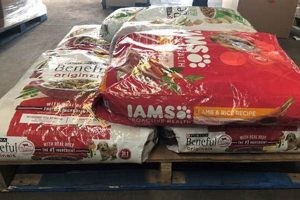
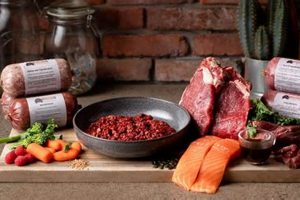
The convergence of dry processed food with raw animal-based ingredients represents an emerging category in canine nutrition. This approach attempts to integrate the convenience of traditional dry formulas with the perceived health advantages of uncooked meats, bones, and organs. It often involves freeze-dried or dehydrated components mixed into a base of extruded pellets or other dry matter. For instance, a commercially available product might contain a blend of conventional dry feed combined with portions of freeze-dried muscle meat and ground bone.
The potential advantages cited for this dietary approach include enhanced palatability, improved digestibility, and increased nutrient bioavailability compared to solely processed diets. Proponents suggest that incorporating minimally processed components can provide enzymes and nutrients lost during conventional cooking. Historically, the interest in alternative canine diets has grown alongside an increased awareness of pet food ingredient sourcing and manufacturing processes. This evolving awareness has driven a demand for options perceived as more natural and less processed.
Subsequent sections will delve into the specific ingredient composition of these combined diets, examine available research regarding their nutritional profile, and analyze potential risks and benefits compared to fully raw or entirely kibble-based feeding strategies. Further discussion will explore considerations for storage, handling, and cost associated with this approach to canine feeding.
Guidance on Integrating Processed Dry Food with Raw Components in Canine Diets
The following provides insights into managing a diet that combines dry, manufactured feed with raw animal-based components. Careful attention to detail ensures both nutritional adequacy and safety.
Tip 1: Consult with a Veterinary Nutritionist: Before initiating any dietary change, seek professional advice. A board-certified veterinary nutritionist can assess an animal’s specific needs and ensure the combined diet meets all requirements. This is especially critical for growing puppies or dogs with existing health conditions.
Tip 2: Prioritize Safe Handling Practices: Raw animal products carry a risk of bacterial contamination. Maintain rigorous hygiene standards by washing hands thoroughly after handling raw portions. Use separate cutting boards and utensils for preparation to prevent cross-contamination.
Tip 3: Source Components from Reputable Suppliers: Ensure that both the manufactured food and the raw components are sourced from established suppliers with documented quality control measures. Verify that raw ingredients are handled and stored properly to minimize bacterial growth.
Tip 4: Monitor Stool Consistency and General Health: Observe the dog’s stool for any signs of digestive upset, such as diarrhea or constipation. Any changes in appetite, energy level, or coat condition should also be promptly reported to a veterinarian.
Tip 5: Adhere to Appropriate Storage Protocols: Follow recommended storage guidelines for both the manufactured food and the raw components. Raw ingredients should be kept frozen until ready to use and thawed appropriately in the refrigerator. Discard any uneaten raw portions promptly.
Tip 6: Balance the Diet Carefully: Combining manufactured food with raw elements requires careful attention to macronutrient and micronutrient ratios. Avoid simply adding raw components haphazardly, as this can create imbalances. Precisely measure and balance the proportions of each component.
Tip 7: Introduce Changes Gradually: Implement any dietary transition slowly over a period of several days to minimize digestive upset. Begin by adding small amounts of the new components and gradually increase the proportion while reducing the original diet.
Implementing these guidelines facilitates a potentially beneficial dietary strategy, improving overall health and vitality. Diligence in these practices ensures a safe and nutritionally complete approach to feeding.
The following sections will address specific ingredient selection, potential health implications, and long-term management strategies associated with this combined approach to canine nutrition.
1. Ingredient Quality

Ingredient quality represents a critical determinant in the overall nutritional value and potential health impact of diets that combine processed dry feed with raw components. The selection and sourcing of ingredients directly influence digestibility, bioavailability, and the risk of adverse reactions.
- Protein Source and Composition
The protein source within both the manufactured kibble and the raw component dictates the amino acid profile of the diet. Inferior protein sources, such as rendered meals or plant-based proteins with incomplete amino acid profiles, may not adequately meet canine physiological needs. Conversely, high-quality animal-based proteins, like muscle meat and organ tissue, provide a more complete and bioavailable array of essential amino acids crucial for tissue repair, enzyme production, and immune function.
- Fatty Acid Profile
The types and proportions of fats present in both the kibble and raw elements significantly impact inflammation and overall health. Diets deficient in omega-3 fatty acids, or containing excessive omega-6 fatty acids from sources like vegetable oils, can promote chronic inflammation. Including raw components rich in omega-3 fatty acids, such as oily fish, can help balance the fatty acid profile and mitigate inflammatory responses.
- Vitamin and Mineral Content
The vitamin and mineral content of both components contributes to the overall micronutrient profile of the diet. Reliance solely on synthetic vitamins and minerals added to the kibble may not provide the same bioavailability as those naturally occurring in raw ingredients. Incorporating raw organ meats, for example, can supply a concentrated source of naturally occurring vitamins and minerals, enhancing nutrient absorption and utilization.
- Presence of Additives and Preservatives
The presence of artificial additives, preservatives, and fillers in the kibble portion can negatively impact digestibility and potentially trigger adverse reactions in sensitive animals. Choosing kibble formulations with minimal additives and preservatives reduces the risk of these issues. Opting for natural preservation methods, such as tocopherols (vitamin E), in both the kibble and raw components can help maintain food quality without introducing potentially harmful substances.
The careful selection of high-quality ingredients within both the manufactured kibble and the raw components is essential for optimizing the nutritional benefits and minimizing the potential risks associated with this dietary approach. Attention to protein source, fatty acid profile, micronutrient content, and the absence of harmful additives are crucial considerations for ensuring canine health and well-being.
2. Nutritional Balance
Achieving nutritional equilibrium in a diet incorporating both processed dry food and raw elements demands careful consideration of macronutrient and micronutrient ratios. The inherent variability in ingredient composition, digestibility, and bioavailability necessitates precise planning to avoid deficiencies or excesses. An improperly balanced combination diet can lead to negative health consequences, including skeletal abnormalities in growing animals, organ dysfunction, and immune system compromise. For instance, excessive calcium supplementation often observed when raw meaty bones are added indiscriminately to a kibble diet can disrupt calcium-phosphorus ratios, predisposing puppies to developmental orthopedic disease.
Accurate assessment of the manufactured foods nutrient profile is crucial. This includes protein, fat, carbohydrate, vitamin, and mineral content, typically presented on the product label. Subsequently, the nutritional contribution of the raw portion must be precisely determined, accounting for variations based on the specific ingredients used. Lean muscle meat provides primarily protein, while organ meats supply vitamins and minerals. Raw bones contribute calcium and phosphorus, but the bioavailability depends on bone type and preparation. The relative proportions of these components must be meticulously adjusted to achieve the desired nutrient balance. A commercially available dry dog food formulated to meet AAFCO nutrient profiles, supplemented with uncontrolled additions of raw muscle meat lacking sufficient bone content, can result in a calcium deficiency over time, potentially leading to secondary hyperparathyroidism and related health issues.
Maintaining appropriate nutrient balance within diets consisting of both dry feed and raw components presents a significant challenge. The complexity of ingredient interactions and individual animal needs requires a thorough understanding of canine nutrition. Professional guidance from a veterinary nutritionist is advisable to mitigate the risks associated with dietary imbalances. By prioritizing accurate nutrient assessment and mindful ingredient selection, individuals can enhance the potential benefits and minimize the potential harm associated with combining manufactured kibble and raw animal products.
3. Digestive Health
Digestive health is a paramount consideration when evaluating canine diets that incorporate both processed dry kibble and raw ingredients. The digestive system’s ability to efficiently process and absorb nutrients from these disparate food sources directly influences an animal’s overall well-being. Variations in ingredient composition, processing methods, and inherent digestibility between kibble and raw components can significantly impact gastrointestinal function.
- Enzyme Activity and Digestion
Raw food components contain naturally occurring enzymes that can aid in the initial breakdown of proteins and fats. This contrasts with heavily processed kibble, where enzymatic activity is largely absent due to high-temperature manufacturing. The addition of raw ingredients may therefore reduce the digestive burden on the pancreas and small intestine, potentially improving nutrient absorption efficiency. However, the extent to which this benefit is realized depends on the quantity and type of raw ingredients included, and the individual animal’s digestive capacity.
- Gut Microbiome Composition
Diet significantly influences the composition and diversity of the gut microbiome, which plays a critical role in digestion, immune function, and overall health. Raw food components, particularly those containing bone and connective tissue, can alter the gut microbiome differently compared to highly processed kibble. An increase in beneficial bacterial populations can result in improved digestion, while imbalances can lead to dysbiosis and gastrointestinal upset. The long-term effects of combining kibble and raw elements on the canine gut microbiome require further investigation.
- Transit Time and Stool Quality
Dietary fiber content and digestibility influence the rate at which food passes through the digestive tract, impacting stool consistency and frequency. Raw food components, generally lower in carbohydrates and higher in moisture than kibble, can result in reduced stool volume and altered consistency. However, improper balancing of fiber content can lead to diarrhea or constipation. Careful monitoring of stool quality is essential when transitioning to, or maintaining, a diet that incorporates both kibble and raw ingredients.
- Potential for Bacterial Contamination
Raw food components carry an inherent risk of bacterial contamination, including Salmonella and E. coli. While canine digestive systems are generally more resistant to these pathogens than human systems, improper handling and storage can overwhelm the dog’s natural defenses, leading to gastrointestinal illness. Thorough sanitation practices and sourcing from reputable suppliers are critical to minimizing this risk when incorporating raw elements into the diet.
In conclusion, digestive health considerations are vital when implementing a diet consisting of both processed kibble and raw ingredients. Factors such as enzyme activity, gut microbiome composition, transit time, and the potential for bacterial contamination must be carefully managed to optimize digestive function and minimize adverse health effects. Understanding these aspects is paramount in achieving a balanced and safe approach to canine nutrition.
4. Food Safety

The intersection of food safety protocols and combined dry and raw diets is of paramount importance in canine nutrition. This dietary approach presents unique challenges related to potential bacterial contamination and the preservation of nutritional integrity. Strict adherence to safety guidelines is essential to mitigate health risks for both animals and humans handling the food.
- Bacterial Contamination Risks
Raw meat components inherently carry a risk of bacterial contamination, including Salmonella, E. coli, and Campylobacter. These pathogens can cause gastrointestinal illness in dogs and pose a zoonotic risk to humans through contact with contaminated food or animal feces. Commercial raw diets typically undergo testing for these pathogens; however, homemade raw components lack this assurance. Mitigation strategies include sourcing from reputable suppliers with documented safety protocols, proper freezing and thawing procedures, and rigorous sanitation practices during food preparation. Even with diligent handling, complete elimination of bacterial risk is not always possible.
- Storage and Handling Protocols
Appropriate storage and handling practices are crucial to minimizing bacterial growth and preventing cross-contamination. Raw components must be stored frozen at temperatures below 0F (-18C) and thawed safely in the refrigerator, not at room temperature. Thawed portions should be used within a reasonable timeframe (typically 1-2 days) to prevent bacterial proliferation. Separate cutting boards, utensils, and food bowls should be used exclusively for raw food preparation, and all surfaces should be thoroughly sanitized with appropriate disinfectants after use. Improper storage and handling can negate any potential benefits of a combined diet and significantly increase the risk of foodborne illness.
- Nutrient Preservation Strategies
While raw components offer certain nutritional advantages, improper storage and handling can degrade nutrient content. Exposure to oxygen, light, and heat can diminish the levels of vitamins, particularly fat-soluble vitamins A, D, E, and K. Freezing helps preserve nutrient content, but prolonged storage times can still lead to gradual degradation. Proper packaging and minimizing exposure to air during storage can help mitigate nutrient loss. Supplementation may be necessary to ensure adequate nutrient levels, particularly for vitamins that are susceptible to degradation.
- Human Health Considerations
The consumption of raw food by pets can pose a risk to human health, particularly for vulnerable populations such as young children, pregnant women, and individuals with compromised immune systems. Handling raw food can expose individuals to pathogenic bacteria, which can then be transmitted through direct contact or cross-contamination of surfaces. Strict adherence to hygiene practices, including thorough handwashing after handling raw food and avoiding contact with pet saliva, is essential to minimize the risk of zoonotic disease transmission. Education regarding proper food safety protocols is crucial for all individuals involved in preparing and handling combined dry and raw diets.
Food safety is not merely an ancillary concern but a foundational aspect of combined dry and raw feeding strategies. From sourcing ingredients to implementing rigorous hygiene practices, every step requires diligent attention to detail. While some proponents advocate for potential benefits of minimally processed components, these advantages are contingent upon unwavering commitment to maintaining the highest standards of food safety. Failure to prioritize safety can negate any potential nutritional benefits and expose both animals and humans to significant health risks.
5. Cost Analysis

A comprehensive financial evaluation represents a critical aspect of incorporating both processed dry food and raw ingredients into a canine diet. The economic implications of this feeding strategy extend beyond the initial purchase price and encompass factors such as ingredient sourcing, preparation time, storage requirements, and potential healthcare costs.
- Ingredient Costs and Sourcing
Raw ingredients, particularly high-quality muscle meat, organ tissue, and bones, frequently command a higher price per pound compared to processed dry food. Sourcing directly from local farms or butchers may offer cost savings, but this requires additional time and effort. Conversely, purchasing commercially prepared raw food products adds convenience but typically increases the overall expense. The relative proportion of raw ingredients in the diet significantly influences the total cost, with higher raw ratios translating to greater financial investment.
- Preparation Time and Labor
Preparing raw food components often entails additional time and labor compared to simply scooping kibble. This includes time spent sourcing ingredients, portioning meals, and implementing stringent sanitation protocols to minimize bacterial contamination. The value of this time should be considered when evaluating the overall cost of the diet, particularly for individuals with limited availability. Pre-made raw options alleviate the time burden but incur a higher purchase price.
- Storage Requirements and Equipment
Raw ingredients necessitate freezer storage to prevent spoilage and bacterial growth. The amount of freezer space required depends on the size of the dog and the proportion of raw food in the diet. Purchasing a dedicated freezer may be necessary for larger dogs or those consuming a primarily raw diet. This additional equipment represents a significant upfront cost that should be factored into the overall financial assessment. Energy consumption associated with running a freezer also contributes to ongoing operational expenses.
- Potential Healthcare Costs
While proponents of raw feeding often cite potential health benefits, it is essential to consider the potential for increased healthcare costs associated with improperly balanced diets or bacterial contamination. Nutritional imbalances can lead to various health problems, requiring veterinary intervention and potentially long-term treatment. Bacterial infections from contaminated raw food can also result in costly veterinary visits and antibiotic therapy. A thorough cost analysis should therefore account for potential increases in healthcare expenses.
Therefore, a rigorous cost analysis is indispensable for individuals contemplating a diet combining processed dry food and raw ingredients. A complete evaluation necessitates careful consideration of ingredient costs, preparation time, storage requirements, and potential healthcare expenditures. This examination enables informed decision-making, ensuring that the chosen feeding strategy aligns with both the animal’s nutritional needs and the owner’s financial constraints.
6. Storage Logistics

Effective storage logistics are paramount when incorporating raw components into a canine diet alongside dry kibble. The handling requirements for raw animal products differ significantly from those of commercially processed dry food. Neglecting proper storage protocols can compromise food safety, reduce nutritional value, and increase waste, thereby undermining the intended benefits of a combined feeding approach.
- Freezer Capacity and Organization
Raw food ingredients necessitate substantial freezer space to maintain appropriate temperatures and prevent spoilage. The required capacity depends on the dog’s size, the proportion of raw food in the diet, and the frequency of ingredient purchases. Organizing the freezer effectively, employing labeling systems and portioning food into manageable containers, minimizes exposure to air and facilitates efficient meal preparation. Inadequate freezer space can lead to overcrowding, temperature fluctuations, and increased risk of bacterial contamination.
- Temperature Monitoring and Control
Maintaining consistent freezer temperatures is critical for preserving the safety and quality of raw food components. Frequent temperature fluctuations can promote bacterial growth and accelerate nutrient degradation. Employing a reliable freezer thermometer and regularly monitoring temperature readings ensures that food remains frozen at recommended levels (below 0F or -18C). Implementing backup power solutions or alternative storage arrangements can mitigate the risk of spoilage during power outages.
- Thawing Procedures and Time Management
Safe thawing practices are essential to prevent bacterial proliferation. Raw food components should be thawed in the refrigerator, not at room temperature, to maintain a consistently low temperature. Planning thawing schedules in advance ensures that ingredients are ready for use when needed while minimizing the time spent at potentially unsafe temperatures. Thawed portions should be used within a reasonable timeframe (typically 1-2 days) to prevent bacterial growth.
- Inventory Management and Waste Reduction
Effective inventory management minimizes waste and ensures the timely utilization of raw food components. Implementing a system for tracking ingredient quantities, expiration dates, and usage patterns helps optimize purchasing decisions and prevent spoilage. Rotating stock regularly, using older items first, and employing portion control techniques minimize the risk of food waste. Properly disposing of spoiled or expired raw food ingredients prevents contamination and minimizes environmental impact.
- Cross-Contamination Prevention
Preventing cross-contamination between raw food and other items in the refrigerator or freezer is crucial for food safety. Separate storage containers, designated shelving, and careful handling practices minimize the risk of transferring bacteria from raw meat to other food items. Cleanliness must be maintained at all times during the food handling process.
In summary, effective storage logistics are indispensable for successful integration of raw components into a canine diet. Prioritizing adequate freezer capacity, meticulous temperature monitoring, safe thawing procedures, and proactive inventory management enhances food safety, minimizes waste, and preserves the nutritional integrity of raw ingredients. Adherence to these principles ensures that the benefits of a combined feeding approach are realized without compromising the health and well-being of the animal.
Frequently Asked Questions Regarding Combined Kibble and Raw Diets for Canines
The following addresses common inquiries and misconceptions surrounding the integration of processed dry food with raw animal components in canine nutrition. Information provided is intended to promote informed decision-making and responsible feeding practices.
Question 1: Is combining kibble with raw food inherently dangerous?
The primary danger stems from improper handling of raw ingredients. Pathogenic bacteria present in raw meat, if mishandled, can cause illness in both canines and humans. Additionally, nutritional imbalances can arise from poorly formulated combined diets. Strict adherence to food safety protocols and consulting with a veterinary nutritionist are crucial to mitigating risks.
Question 2: Does feeding kibble and raw food together cause digestive issues?
Digestive upset can occur if the diet is not properly transitioned or if the canine has sensitivities to specific ingredients. Introducing the new components gradually, monitoring stool consistency, and ensuring adequate fiber intake can minimize digestive problems. Some proponents suggest that the enzyme content in raw food aids digestion, but scientific evidence supporting this claim is limited.
Question 3: Are all raw food ingredients safe for canine consumption?
Certain raw food ingredients pose a higher risk than others. Raw poultry and pork are more likely to harbor pathogenic bacteria than properly sourced and handled raw beef or lamb. Additionally, some bones can splinter and cause internal damage if ingested. Cooked bones should never be fed to canines. Always research the safety and suitability of any raw ingredient before incorporating it into the diet.
Question 4: Does feeding a combined diet eliminate the need for supplementation?
Supplementation needs depend on the overall balance of the diet and the individual canine’s specific requirements. If the diet is properly formulated with high-quality ingredients, supplementation may not be necessary. However, certain conditions, such as growth, pregnancy, or underlying health issues, may warrant additional supplementation. A veterinary nutritionist can assess individual needs and recommend appropriate supplementation strategies.
Question 5: How should raw food components be stored and handled to ensure safety?
Raw food components should be stored frozen at temperatures below 0F (-18C) and thawed in the refrigerator. Thawed portions should be used within 1-2 days to prevent bacterial growth. Separate cutting boards, utensils, and food bowls should be used for raw food preparation, and all surfaces should be thoroughly sanitized after use. Handwashing after handling raw food is essential.
Question 6: Are commercially available “kibble raw dog food” blends safer or more convenient than preparing a combined diet from scratch?
Commercially available blends offer convenience and typically undergo testing for pathogenic bacteria. However, ingredient quality and nutritional balance can vary significantly between brands. Thoroughly research the product’s ingredient list, sourcing practices, and nutrient profiles before making a purchase. Preparing a combined diet from scratch allows for greater control over ingredient selection but requires more time, effort, and nutritional expertise.
The information provided herein is intended for informational purposes only and does not constitute veterinary advice. Always consult with a qualified veterinary professional before making any significant dietary changes for a canine companion.
The following sections will delve into specific case studies and practical examples of successful implementation of combined kibble and raw feeding strategies.
Concluding Remarks on the Integration of Processed Dry Food with Raw Components in Canine Nutrition
This exploration of “kibble raw dog food” has elucidated the complexities and considerations inherent in combining processed dry feed with raw animal components. Key points addressed include the critical importance of ingredient quality, the challenges of achieving and maintaining nutritional balance, the significance of digestive health and food safety, the economic implications of this dietary approach, and the essential role of proper storage logistics. The potential benefits of such diets are contingent upon a rigorous commitment to these core principles.
Ultimately, the decision to incorporate a combined feeding strategy must be grounded in a thorough understanding of canine nutritional needs and a commitment to responsible feeding practices. Further research and ongoing consultation with qualified veterinary professionals remain essential to ensuring the health and well-being of canine companions. A prudent approach, characterized by careful planning and meticulous execution, is paramount to maximizing the potential benefits and mitigating the inherent risks associated with this evolving area of canine nutrition.