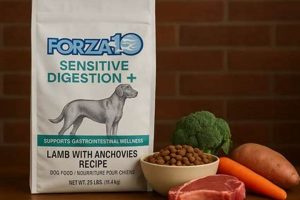
Dietary management plays a crucial role in supporting canine patients diagnosed with portosystemic shunts. These vascular abnormalities divert blood flow away from the liver, preventing proper detoxification and metabolic processing. Nutritional strategies focus on minimizing the production of toxins that bypass the liver, such as ammonia, thereby alleviating clinical signs like hepatic encephalopathy. Specific formulations are designed to be highly digestible, contain restricted levels of protein, particularly from animal sources, and incorporate specific amino acid profiles to promote liver function and minimize the build-up of harmful substances in the bloodstream.
The judicious selection of a feeding plan represents a cornerstone in the ongoing care of canines with this condition. By carefully controlling protein intake and prioritizing highly digestible ingredients, the workload on the impaired liver is reduced, potentially improving the animal’s overall quality of life and extending survival times. Historically, the understanding of the link between diet and liver function in these patients has evolved significantly. Early approaches focused primarily on severe protein restriction, but more nuanced formulations now aim for a balance that supports hepatic health while maintaining essential nutritional needs. Research continues to refine the understanding of optimal nutrient ratios and their impact on hepatic function in affected canines.
The subsequent sections will delve into the specific dietary components that are critical for managing this condition, including protein sources, carbohydrate profiles, and the role of supplemental nutrients. Furthermore, practical guidance on feeding strategies and monitoring the dog’s response to the dietary intervention will be provided, ensuring owners are well-equipped to manage their pet’s health effectively. The article will also touch on potential challenges and considerations for long-term dietary management of dogs with these liver conditions.
Dietary Recommendations for Canine Portosystemic Shunt Management
This section outlines crucial dietary considerations for managing canines with portosystemic shunts. Adherence to these guidelines can significantly improve the patient’s well-being and prolong survival.
Tip 1: Protein Restriction: Limit total protein intake to reduce ammonia production. Select highly digestible protein sources, such as soy or dairy, to minimize nitrogenous waste. The specific protein level should be determined by a veterinarian based on the individual dog’s needs and disease severity.
Tip 2: High Digestibility: Opt for highly digestible ingredients. These ingredients are more easily broken down and absorbed, reducing the burden on the liver and minimizing the production of metabolic byproducts. Examples include rice, corn, and refined carbohydrates.
Tip 3: Balanced Amino Acid Profile: Ensure the presence of adequate branched-chain amino acids (BCAAs), like leucine, isoleucine, and valine. Supplementation may be necessary, as BCAAs can help to improve nitrogen metabolism and reduce the risk of hepatic encephalopathy.
Tip 4: Controlled Phosphorus Levels: Monitor and manage phosphorus intake. Elevated phosphorus levels can contribute to kidney damage, which is a common comorbidity in patients with liver disease. Select ingredients and formulations with controlled phosphorus concentrations.
Tip 5: Avoidance of Copper and Iron Overload: Restrict copper and iron, as these minerals can accumulate in the liver and exacerbate damage. Carefully review ingredient labels and supplement formulations to ensure minimal levels of these elements.
Tip 6: Multiple Small Feedings: Divide the daily ration into several small meals. This helps to maintain stable blood glucose levels and reduces the metabolic burden on the liver compared to infrequent, large meals.
Tip 7: Supplementation with Lactulose: Consider the addition of lactulose, a synthetic sugar that is poorly absorbed by the body. It helps to reduce ammonia absorption in the colon by promoting the growth of beneficial bacteria and lowering colonic pH.
Adhering to these dietary recommendations is vital for managing the clinical signs and improving the long-term prognosis for canines with this condition. Individualized adjustments and close monitoring by a veterinary professional are essential for optimal outcomes.
The final section will summarize the critical aspects of nutritional management and emphasize the importance of ongoing veterinary care for canines diagnosed with liver shunts.
1. Protein Restriction

Protein restriction forms a cornerstone of nutritional management for canines with portosystemic shunts, directly impacting the course and severity of the condition. Portosystemic shunts divert blood away from the liver, preventing the organ from adequately processing toxins, including ammonia, a byproduct of protein metabolism. When protein intake is not controlled, elevated levels of ammonia circulate throughout the body, leading to hepatic encephalopathy, characterized by neurological signs such as confusion, seizures, and even coma. Accordingly, specialized diets for these animals incorporate a reduced protein content, specifically tailored to minimize the production of ammonia and alleviate the associated clinical manifestations. For example, a canine with a shunt might be transitioned from a standard adult maintenance food, containing 25% protein, to a prescription diet formulated with only 14% highly digestible protein. This reduction directly reduces the amount of ammonia generated during digestion, easing the burden on the compromised liver.
The practical significance of protein restriction extends beyond simply lowering the quantity of protein consumed. The source and digestibility of the protein are equally crucial. Diets formulated for liver shunts often prioritize highly digestible protein sources, such as soy or dairy, which are more efficiently broken down and absorbed in the small intestine, leaving less undigested protein available for bacterial fermentation in the colon. This reduces the production of ammonia and other nitrogenous waste products within the gut. Furthermore, specific amino acid profiles, with increased levels of branched-chain amino acids (BCAAs) and reduced levels of aromatic amino acids, can further improve nitrogen metabolism and reduce the risk of hepatic encephalopathy. A real-world example involves comparing two diets with similar protein content, one utilizing less digestible animal-based proteins and the other relying on highly digestible plant-based proteins. The latter would be expected to result in lower blood ammonia levels and improved clinical signs in a canine with a portosystemic shunt.
In summary, protein restriction in “dog food for liver shunt” is a multifaceted strategy encompassing quantity, quality, and digestibility. It serves as a primary intervention to reduce ammonia production, thereby mitigating the risk of hepatic encephalopathy and improving the overall health and longevity of affected canines. While crucial, protein restriction should always be implemented under the guidance of a veterinarian or board-certified veterinary nutritionist to ensure adequate provision of essential amino acids and prevent malnutrition. Balancing protein restriction with the other nutritional requirements remains a key challenge in the long-term management of this condition.
2. High Digestibility

The enhanced digestibility of dietary components represents a critical factor in the nutritional management of canines with portosystemic shunts. The reduced functional capacity of the liver in these patients necessitates a diet that minimizes the metabolic workload. Consequently, the inclusion of highly digestible ingredients becomes paramount in reducing the production of toxins that the compromised liver cannot effectively process. The underlying principle centers on the premise that less undigested material reaching the colon translates to decreased bacterial fermentation and, subsequently, a reduction in the generation of ammonia and other detrimental byproducts. A typical scenario illustrates this principle: a standard commercial dog food, characterized by moderate digestibility, may result in a significant proportion of undigested protein reaching the large intestine. This undigested protein then becomes a substrate for bacterial metabolism, leading to an increase in ammonia production and exacerbation of clinical signs associated with hepatic encephalopathy. In contrast, a diet formulated with highly digestible protein sources, such as hydrolyzed proteins or refined carbohydrates, minimizes this process, thereby reducing the overall toxic load on the liver.
The practical application of this understanding manifests in the careful selection of ingredients for specialized diets. Ingredients like white rice, corn starch, and specific protein hydrolysates are favored due to their inherent high digestibility. The manufacturing process itself can further enhance digestibility. Extrusion cooking, a common method in the production of dry kibble, can be optimized to increase starch gelatinization and protein denaturation, thereby improving nutrient availability and reducing the indigestible fraction. Moreover, the inclusion of specific fibers, such as beet pulp, at appropriate levels, can promote healthy gut motility and further optimize nutrient absorption. Consider two commercially available diets marketed for hepatic support. One diet primarily incorporates whole grains and intact proteins, while the other utilizes highly processed grains and hydrolyzed protein sources. The latter diet, due to its enhanced digestibility profile, would likely result in lower fecal nitrogen excretion and reduced ammonia production, thereby demonstrating the practical benefits of high digestibility in managing canines with portosystemic shunts.
In conclusion, the emphasis on high digestibility in specialized diets is not merely a superficial attribute, but rather a fundamental strategy to reduce the metabolic burden on the compromised liver and minimize the production of toxins that contribute to hepatic encephalopathy. While other dietary modifications, such as protein restriction and copper control, are equally important, the incorporation of highly digestible ingredients forms an integral part of a comprehensive nutritional plan. Challenges remain in accurately quantifying digestibility in vivo and optimizing dietary formulations to achieve the desired balance of nutrients while maintaining palatability and affordability. Continuous research and refinement of dietary strategies are essential to improve the long-term outcomes for canines diagnosed with this condition.
3. Low Copper

The association between low copper content and dietary management of canines with portosystemic shunts stems from the liver’s central role in copper metabolism. A healthy liver excretes excess copper via bile. In cases of portosystemic shunts, blood bypasses the liver, reducing its capacity to perform this function effectively. Consequently, copper can accumulate within the liver, leading to further hepatocellular damage and exacerbating existing liver dysfunction. Therefore, limiting dietary copper intake becomes a crucial strategy in managing these patients and mitigating the risk of copper-associated hepatotoxicity. A real-life example can be observed in a canine with a shunt exhibiting elevated liver enzymes and copper accumulation on liver biopsy. Implementing a diet with restricted copper content can often lead to a reduction in liver enzyme levels and a decrease in hepatic copper concentration over time, demonstrably slowing disease progression. The practical significance of this lies in minimizing further damage to an already compromised organ.
Furthermore, certain breeds, such as Bedlington Terriers, are genetically predisposed to copper storage disease. When these breeds develop a portosystemic shunt, the combination of genetic predisposition and impaired liver function creates a significantly increased risk of copper toxicity. Dietary copper restriction, coupled with copper-chelating agents if necessary, becomes even more critical in these cases. The precise level of copper restriction should be tailored to the individual patient, considering factors such as breed predisposition, disease severity, and concurrent therapies. Commercially available diets specifically formulated for liver support typically contain significantly lower copper levels compared to standard maintenance diets. Ingredient selection also plays a role; avoiding ingredients naturally high in copper, such as organ meats and shellfish, is a key consideration in formulating low-copper diets. Monitoring serum copper levels and performing liver biopsies to assess copper accumulation remain important components of long-term management.
In summary, the incorporation of a low-copper approach in “dog food for liver shunt” is not merely a preventative measure but a crucial therapeutic intervention. By minimizing dietary copper intake, the progression of liver damage can be slowed, potentially improving the long-term prognosis for affected canines. However, copper restriction should always be implemented under the guidance of a veterinarian or veterinary nutritionist, as excessive restriction can lead to copper deficiency, which can also have adverse health consequences. Balancing copper restriction with other essential nutritional needs remains a key consideration in the comprehensive management of canines with this condition.
4. Ammonia Reduction

Ammonia reduction represents a central objective in the dietary management of canines with portosystemic shunts. These vascular abnormalities prevent the normal hepatic detoxification of ammonia, a byproduct of protein metabolism. Consequently, elevated blood ammonia levels can lead to hepatic encephalopathy, a neurological syndrome characterized by a range of clinical signs from mild disorientation to seizures and coma. The primary goal of dietary intervention is, therefore, to minimize ammonia production and absorption, thereby mitigating the risk and severity of hepatic encephalopathy. Specialized diets formulated for canines with shunts are specifically designed to achieve this reduction through various mechanisms, including controlled protein levels, highly digestible ingredients, and the incorporation of specific dietary components. A practical example illustrates this: a canine experiencing hepatic encephalopathy due to a portosystemic shunt might initially present with disorientation and lethargy. After transitioning to a specialized diet designed for ammonia reduction, a noticeable improvement in mental acuity and overall neurological function can often be observed, demonstrating the direct impact of dietary intervention on clinical signs.
Several strategies are employed in specialized “dog food for liver shunt” to achieve effective ammonia reduction. Firstly, the careful selection and controlled quantity of protein sources are paramount. Highly digestible protein sources, such as soy or hydrolyzed proteins, minimize the amount of undigested protein reaching the colon, where bacterial fermentation contributes to ammonia production. Secondly, the inclusion of fermentable fibers, such as beet pulp or psyllium, promotes the growth of beneficial bacteria in the colon, which can utilize ammonia as a nutrient source, thereby reducing its absorption into the bloodstream. Thirdly, some diets incorporate lactulose, a synthetic disaccharide that is poorly absorbed. Lactulose is metabolized by colonic bacteria, producing acidic byproducts that trap ammonia in the colon, preventing its absorption. Consider a canine receiving lactulose in conjunction with a specialized diet; the combined effect of reduced ammonia production and decreased ammonia absorption significantly lowers systemic ammonia levels and improves clinical outcomes.
In conclusion, ammonia reduction is a critical component of “dog food for liver shunt,” directly addressing the underlying pathophysiology of the condition. Dietary strategies aimed at minimizing ammonia production and absorption represent a cornerstone of medical management for canines with portosystemic shunts. While these dietary modifications can significantly improve quality of life and extend survival, they are not a substitute for surgical correction of the shunt when feasible. Ongoing monitoring of blood ammonia levels and clinical signs is essential to optimize dietary management and ensure the best possible outcome for the patient. The challenge lies in balancing effective ammonia reduction with the need to provide adequate nutrition to support overall health and well-being, necessitating individualized dietary plans developed in consultation with a veterinarian or veterinary nutritionist.
5. Phosphorus Control

Phosphorus control constitutes a crucial aspect of dietary management for canines with portosystemic shunts. This element’s significance arises from the frequent co-occurrence of renal dysfunction in animals with compromised liver function, coupled with phosphorus’s role in kidney disease progression. The dietary regulation of phosphorus intake aims to mitigate the risk of hyperphosphatemia and slow the advancement of chronic kidney disease (CKD), thereby supporting both hepatic and renal health in affected canines.
- Renal-Hepatic Axis
The kidneys and liver are closely linked in terms of function and pathophysiology. Liver dysfunction, as seen in cases of portosystemic shunts, can lead to secondary renal compromise due to various mechanisms, including altered blood flow and toxin accumulation. Conversely, chronic kidney disease can negatively impact liver function. Therefore, managing phosphorus levels is essential to protect renal function in canines with liver shunts, preventing a vicious cycle of organ dysfunction. An example of this can be seen in a dog with a liver shunt whose kidney values worsen when fed a diet high in phosphorus and improves when the diet is switched to a low-phosphorus kidney diet.
- Hyperphosphatemia and CKD Progression
Elevated phosphorus levels (hyperphosphatemia) are a well-established driver of CKD progression. Hyperphosphatemia contributes to secondary hyperparathyroidism, renal secondary hyperparathyroidism, soft tissue mineralization, and further renal damage. By controlling dietary phosphorus, the cascade of events leading to CKD progression can be slowed, improving the long-term prognosis for dogs with both liver shunts and compromised renal function. A study looking at dogs with kidney disease showed that dogs on a low phosphorus diet lived significantly longer than those on a diet higher in phosphorus.
- Dietary Phosphorus Restriction Strategies
Achieving effective phosphorus control involves careful ingredient selection and formulation. Diets designed for liver support and/or kidney support typically contain restricted phosphorus levels, often through the inclusion of ingredients that are naturally lower in phosphorus or through the addition of phosphorus binders. It is often recommended to feed a kidney diet even if a patient only has a liver shunt to protect the kidneys from secondary damage. Phosphorus binders, such as calcium carbonate or lanthanum carbonate, can be added to the diet to further reduce phosphorus absorption from the gastrointestinal tract. The specific phosphorus level and the need for phosphorus binders should be determined by a veterinarian based on the individual patient’s needs and renal function.
- Monitoring and Adjustment
Regular monitoring of serum phosphorus levels is crucial to assess the effectiveness of dietary phosphorus control. Adjustments to the diet, including phosphorus level and the addition of phosphorus binders, may be necessary based on individual responses. It’s also important to monitor other parameters, such as kidney values (BUN, creatinine), parathyroid hormone (PTH) levels, and urine protein:creatinine ratio, to assess overall renal health and the impact of dietary intervention. Veterinary guidance is essential for proper dietary management and monitoring.
In conclusion, phosphorus control is a vital consideration when formulating “dog food for liver shunt” due to the frequent association between liver and kidney dysfunction. By restricting dietary phosphorus and closely monitoring renal function, the progression of CKD can be slowed, improving the overall health and extending the lifespan of affected canines. The interplay between hepatic and renal function underscores the importance of a holistic approach to nutritional management, emphasizing the need for individualized dietary plans developed in consultation with a qualified veterinary professional.
6. BCAA Supplementation
Branched-chain amino acid (BCAA) supplementation within dietary strategies for canines diagnosed with portosystemic shunts warrants careful consideration due to its potential benefits in mitigating specific metabolic derangements associated with the condition. The rationale for BCAA supplementation stems from the altered amino acid profile observed in these patients and the role of BCAAs in supporting nitrogen metabolism.
- Altered Amino Acid Profile in Hepatic Disease
Dogs with liver shunts often exhibit an imbalance in plasma amino acid concentrations, characterized by decreased levels of BCAAs (leucine, isoleucine, valine) and increased levels of aromatic amino acids (phenylalanine, tyrosine, tryptophan). This altered ratio contributes to the development of hepatic encephalopathy, a neurological syndrome arising from the accumulation of toxins, including ammonia, in the brain. BCAA supplementation aims to correct this imbalance, thereby potentially reducing the influx of aromatic amino acids across the blood-brain barrier and alleviating encephalopathic signs. For instance, a dog presenting with disorientation and lethargy due to hepatic encephalopathy might demonstrate improved cognitive function following the initiation of BCAA supplementation as part of a comprehensive dietary plan.
- Role in Nitrogen Metabolism
BCAAs play a crucial role in nitrogen metabolism, serving as substrates for glutamine synthesis in muscle tissue. Glutamine, in turn, is a primary carrier of ammonia from peripheral tissues to the liver or kidneys for detoxification and excretion. By promoting glutamine synthesis, BCAA supplementation can indirectly contribute to ammonia removal from the systemic circulation, thereby reducing the risk of hepatic encephalopathy. Furthermore, BCAAs stimulate protein synthesis in muscle tissue, which can be beneficial in counteracting muscle wasting, a common complication in patients with chronic liver disease. A canine with chronic liver disease experiencing muscle loss might benefit from BCAA supplementation to support muscle protein synthesis and maintain lean body mass.
- BCAA Sources and Delivery
BCAA supplementation can be achieved through various dietary means, including the incorporation of BCAA-enriched protein sources or the addition of purified BCAA supplements to the diet. The optimal dosage and form of BCAA supplementation should be determined by a veterinarian based on the individual patient’s needs and clinical response. Factors such as the severity of hepatic encephalopathy, the dog’s overall nutritional status, and the presence of concurrent medical conditions should be considered. Commercial diets specifically formulated for liver support often contain enhanced levels of BCAAs to address the altered amino acid profile in these patients.
- Potential Risks and Considerations
While BCAA supplementation can offer potential benefits, it is not without potential risks. Excessive BCAA intake can exacerbate ammonia production in some individuals, particularly those with severe liver dysfunction. Furthermore, the long-term effects of high-dose BCAA supplementation in canines are not fully understood. Therefore, careful monitoring of clinical signs, blood ammonia levels, and other relevant biochemical parameters is essential when implementing BCAA supplementation. BCAA supplementation should always be considered as part of a comprehensive dietary and medical management plan under the guidance of a veterinarian experienced in managing hepatic disease.
The strategic use of BCAA supplementation in conjunction with appropriately formulated “dog food for liver shunt” can contribute to improved nitrogen metabolism and mitigation of hepatic encephalopathy. However, a nuanced understanding of the patient’s individual needs and potential risks is paramount, underscoring the importance of veterinary oversight in dietary management.
Frequently Asked Questions
This section addresses common inquiries regarding the dietary management of canines diagnosed with portosystemic shunts, providing concise and informative responses to guide pet owners and veterinary professionals.
Question 1: What is the primary goal of dietary management in canines with portosystemic shunts?
The primary goal is to minimize the production and absorption of ammonia and other toxins that the compromised liver cannot effectively process, thereby preventing or mitigating hepatic encephalopathy.
Question 2: Why is protein restriction a key component of a diet for a dog with a liver shunt?
Protein restriction reduces the amount of nitrogenous waste produced during digestion, which is then converted to ammonia. By limiting protein intake, the burden on the compromised liver is lessened, and the risk of hepatic encephalopathy is reduced.
Question 3: What are some examples of highly digestible ingredients suitable for dogs with liver shunts?
Highly digestible ingredients often include white rice, corn starch, soy protein isolate, and hydrolyzed protein sources. These ingredients are readily absorbed in the small intestine, minimizing the amount of undigested material reaching the colon.
Question 4: Why is copper content restricted in specialized diets for canines with liver shunts?
A compromised liver may not efficiently excrete copper, leading to its accumulation within the liver tissue. Excessive copper levels can exacerbate liver damage. Therefore, restricting dietary copper helps to prevent further hepatocellular injury.
Question 5: How does the inclusion of fiber in a diet aid in managing liver shunts?
Certain fibers promote the growth of beneficial bacteria in the colon, which utilize ammonia as a nutrient source. This process reduces the absorption of ammonia into the bloodstream, thereby lowering the risk of hepatic encephalopathy.
Question 6: Is dietary management a cure for portosystemic shunts in dogs?
Dietary management is not a cure, but rather a supportive therapy that can significantly improve the quality of life and extend the lifespan of affected canines. Surgical correction of the shunt, when feasible, remains the preferred treatment option.
In summary, dietary intervention constitutes a vital component in the comprehensive management of canine portosystemic shunts, primarily aimed at minimizing ammonia production and supporting hepatic function. This approach requires careful attention to protein levels, ingredient digestibility, and mineral content.
Dietary Management of Canine Portosystemic Shunts
“Dog food for liver shunt” represents a complex and multifaceted area of veterinary nutrition, demanding a thorough understanding of the underlying pathophysiology and the specific dietary requirements of affected canines. The preceding discussion has explored the pivotal role of protein restriction, the importance of high digestibility, the necessity of copper control, the strategies for ammonia reduction, the significance of phosphorus management, and the judicious use of BCAA supplementation. Effective dietary management is not a static prescription but a dynamic process requiring individualized assessment, careful monitoring, and ongoing adjustments in consultation with a veterinary professional.
The optimal management of canine portosystemic shunts necessitates a collaborative effort between veterinary professionals and pet owners, guided by evidence-based practices and a commitment to improving the patient’s quality of life. Continued research into the complexities of hepatic metabolism and the development of novel dietary strategies hold promise for further refining the nutritional care of canines with this challenging condition. The diligent application of these principles is essential to ensuring the best possible outcomes for affected animals.
![Nutro: Best Small Breed Dog Food [Expert Tips] | World’s Most Delicious Foods: Must-Try Dishes from Every Country](https://lisasfoods.com/wp-content/uploads/2026/05/th-346-300x200.jpg "Nutro: Best Small Breed Dog Food [Expert Tips] World’s Most Delicious Foods: Must-Try Dishes from Every Country")