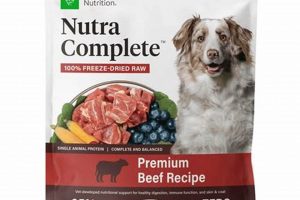
A specific type of canine diet that consists of uncooked meat, bones, and organs formulated to meet the nutritional needs of dogs. This feeding philosophy contrasts with traditional kibble-based diets and often includes additions such as vegetables, fruits, and supplements. The preparation emphasizes minimally processed ingredients, aiming to replicate the ancestral diet of canines.
Advocates of this dietary approach cite potential benefits such as improved digestion, healthier skin and coat, increased energy levels, and enhanced dental hygiene. The underlying principle stems from the belief that dogs are biologically designed to thrive on raw, whole foods. Historically, prior to the widespread availability of commercial dog food, canines subsisted on similar diets, albeit often in less refined forms. The interest in this dietary option has grown as pet owners seek alternative, potentially more natural feeding solutions for their animals.
The following sections will explore the specific ingredients, preparation guidelines, potential risks, and scientific evidence surrounding this canine nutritional choice, providing a comprehensive overview for those considering this approach for their pets.
Guidance for Raw Feeding Practices
The following points provide important considerations when implementing a raw food diet for canines. Adhering to these guidelines can help maximize potential benefits while minimizing associated risks.
Tip 1: Sourcing Ingredients. Ensure all meat, bones, and organs are sourced from reputable suppliers with stringent quality control measures. This minimizes the risk of bacterial contamination and ensures nutritional adequacy.
Tip 2: Understanding Nutritional Balance. A properly balanced raw diet requires precise ratios of meat, bones, and organs. Consult with a veterinary nutritionist experienced in raw feeding to formulate a diet tailored to the individual dog’s needs, considering age, breed, and activity level.
Tip 3: Implementing Proper Handling and Storage. Treat raw meat as one would when preparing food for human consumption. Maintain strict hygiene practices, including thorough hand washing and disinfection of surfaces. Store raw food properly to prevent bacterial growth and spoilage.
Tip 4: Addressing Bone Safety. Only offer raw, edible bones. Cooked bones are brittle and can splinter, posing a significant choking hazard or causing internal damage. Supervise dogs while they consume bones.
Tip 5: Monitoring Canine Health. Regularly observe the dog for any signs of digestive upset, such as vomiting or diarrhea. Monitor body weight and adjust the diet accordingly to maintain a healthy body condition. Periodic veterinary check-ups, including fecal examinations, are crucial.
Tip 6: Avoiding Common Mistakes. Do not add grains or other fillers to the diet unless specifically advised by a veterinary nutritionist. Avoid supplementing without a clear understanding of the dog’s nutritional requirements. Sudden dietary changes can lead to gastrointestinal disturbances, so transition gradually.
Adhering to these guidelines is vital for responsible raw feeding. Prioritizing safety and nutritional balance is paramount to realizing the potential benefits of this dietary approach for canine companions.
The concluding section will offer further insights into potential controversies surrounding raw feeding and address available research on its long-term effects.
1. Ingredient Quality

Ingredient quality is a foundational element directly impacting the safety and efficacy of raw canine diets. The consumption of uncooked meat, bones, and organs inherent in this feeding approach necessitates stringent sourcing protocols to mitigate potential health risks. Contamination with pathogenic bacteria, such as Salmonella or E. coli, is a primary concern. For example, ground beef sourced from facilities with inadequate sanitation practices presents a heightened risk of bacterial load, potentially leading to gastrointestinal distress or systemic infection in the consuming animal.
Moreover, the nutritional integrity of the raw ingredients plays a crucial role in fulfilling the dietary requirements of the dog. The fat content of meat, the mineral composition of bones, and the vitamin profile of organs contribute essential nutrients. For instance, organs sourced from animals raised in poor conditions may exhibit lower concentrations of vital nutrients, compromising the nutritional adequacy of the diet. Similarly, the ratio of omega-3 to omega-6 fatty acids in the meat sources directly influences the dog’s inflammatory response and overall health. The presence of heavy metals or other contaminants in the raw materials can also have detrimental long-term effects on organ function and overall well-being.
In summary, the selection of high-quality, responsibly sourced ingredients is paramount to minimizing risks and maximizing the potential benefits of raw feeding. Pet owners should prioritize suppliers with transparent sourcing practices, rigorous testing protocols, and demonstrable commitment to food safety. Failure to prioritize ingredient quality can negate the potential advantages of raw feeding and expose canine companions to unnecessary health risks.
2. Nutritional Balance

Nutritional balance is a cornerstone of any canine diet, but its importance is magnified within the context of raw feeding. Unlike commercially formulated kibble, where nutrient ratios are pre-determined and guaranteed, raw diets require meticulous formulation to ensure all essential vitamins, minerals, and macronutrients are provided in appropriate proportions. A deficiency or excess of any nutrient can have significant health consequences. For example, an insufficient calcium-to-phosphorus ratio, common in meat-heavy raw diets lacking adequate bone content, can lead to skeletal abnormalities, particularly in growing puppies. Conversely, excessive calcium intake can also be detrimental, causing developmental issues.
The complexity of achieving nutritional balance in this approach stems from the variability in nutrient content across different cuts of meat, types of bones, and organ meats. For instance, muscle meat is primarily a source of protein and fat, while liver is rich in vitamin A and various trace minerals. Bones provide calcium and phosphorus, but the bioavailability of these minerals can vary depending on the type of bone and its preparation. Over-reliance on muscle meat without adequate organ meat inclusion can result in deficiencies in essential micronutrients, leading to a compromised immune system, skin problems, or impaired organ function. Furthermore, the addition of vegetables and fruits to a diet, while providing some vitamins and fiber, can also alter the overall nutrient profile, potentially diluting the concentration of essential nutrients obtained from animal sources.
Therefore, a comprehensive understanding of canine nutritional requirements and the nutrient composition of various raw ingredients is crucial. Consultation with a veterinary nutritionist certified in raw feeding is strongly recommended. While anecdotal evidence may tout the benefits, achieving long-term health and well-being hinges on the rigorous application of sound nutritional principles. The challenges of ensuring balanced nutrition should not be underestimated, and proactive measures are necessary to mitigate potential risks and maximize the potential benefits associated with this approach.
3. Safe Handling

Safe handling practices are paramount when preparing raw food for canine consumption. The inherent nature of uncooked meat, bones, and organs presents a potential risk of bacterial contamination, necessitating strict adherence to established food safety protocols. The failure to implement adequate safeguards can expose both the animal and the human handlers to harmful pathogens.
- Minimizing Cross-Contamination
Cross-contamination occurs when harmful bacteria transfer from raw meat to other surfaces, utensils, or foods. This can be mitigated by using dedicated cutting boards and utensils solely for raw meat preparation. Thorough cleaning and disinfection with appropriate sanitizing solutions after each use are essential. Proper segregation of raw food from other food items within the refrigerator is also crucial to prevent the spread of bacteria.
- Maintaining Proper Storage Temperatures
Refrigeration at temperatures below 40F (4C) is crucial for inhibiting bacterial growth. Freezing at 0F (-18C) effectively halts bacterial activity but does not eliminate existing pathogens. Thawing raw meat in the refrigerator, rather than at room temperature, minimizes the time bacteria have to multiply. Prompt refrigeration of leftovers is equally important to prevent bacterial proliferation.
- Implementing Personal Hygiene Practices
Thorough handwashing with soap and water for at least 20 seconds is a fundamental aspect of safe handling. This should occur before and after handling raw meat. The use of disposable gloves can provide an additional barrier against bacterial transfer, particularly for individuals with compromised immune systems. Avoiding touching the face or other surfaces while handling raw food prevents the potential spread of pathogens.
- Selecting Reputable Suppliers
Sourcing raw ingredients from reputable suppliers with established food safety protocols is critical. Suppliers should adhere to strict sanitation standards and regularly test their products for bacterial contamination. Choosing suppliers with transparent sourcing practices and a commitment to food safety minimizes the risk of acquiring contaminated ingredients.
The implementation of these safe handling practices is indispensable for mitigating the risks associated with raw feeding. Adherence to these guidelines protects both canine companions and their human handlers from potential exposure to harmful bacteria, contributing to the overall safety and well-being of all involved. Neglecting these precautions can undermine the potential benefits of a raw diet and create unnecessary health hazards.
4. Bone Selection
The integration of bones into a raw canine diet is a critical component, influencing both nutritional value and potential health risks. Within the context of “k9 kraving raw dog food”, bone selection dictates calcium and phosphorus intake, vital minerals for skeletal integrity, nerve function, and muscle contraction. An appropriate balance of these minerals is essential; deficiencies or excesses can lead to significant health problems, particularly in growing puppies. For example, feeding exclusively muscle meat without sufficient bone content can result in a calcium deficiency, leading to secondary nutritional hyperparathyroidism and weakened bones. Conversely, excessive bone consumption can cause constipation or, in severe cases, hypercalcemia. Therefore, bone selection is not merely about providing a chewing outlet but about ensuring a precise mineral balance within the diet.
Furthermore, the type of bone selected carries implications for safety. Raw, meaty bones such as chicken necks or backs, turkey necks, or lamb ribs are generally considered safer due to their pliability and digestibility. These bones are more easily crushed and digested by the dog, reducing the risk of intestinal obstruction or perforation. Cooked bones, on the other hand, are brittle and prone to splintering, posing a significant hazard to the digestive tract. For instance, a dog ingesting splinters from a cooked chicken bone could experience esophageal damage, internal bleeding, or peritonitis. The size of the bone is also a consideration, ensuring it is appropriate for the size and chewing habits of the dog to prevent choking or the ingestion of large, indigestible fragments. Selecting bones from appropriate animal sources raised under humane and sanitary conditions further mitigates risks associated with bacterial contamination.
In summary, bone selection is a crucial aspect of a raw canine diet, requiring careful consideration of both nutritional balance and safety. The proper type and quantity of bone must be chosen to provide essential minerals while minimizing the risk of injury or digestive upset. A thorough understanding of canine nutritional needs and bone characteristics, alongside careful monitoring of the dog’s health, are essential for responsible implementation. Bone selection represents a critical juncture where nutritional benefits and potential hazards intersect, demanding informed decision-making and diligent observation.
5. Potential Benefits

The proposition of potential benefits is a significant driver behind the adoption of canine raw food diets. These perceived advantages encompass improvements in various aspects of canine health, influencing owner decisions regarding dietary choices. The potential for enhanced digestion, evidenced by reduced stool volume and improved stool consistency, is frequently cited. This is attributed to the higher digestibility of raw, unprocessed ingredients compared to some processed commercial kibble options. The increased bioavailability of nutrients in raw food is also hypothesized to lead to improvements in skin and coat health, potentially manifesting as a shinier coat and reduced skin irritation.
Furthermore, proponents of raw feeding often report increased energy levels and improved dental hygiene in their dogs. The act of chewing raw bones is believed to contribute to cleaner teeth by mechanically removing plaque and tartar buildup. Anecdotal accounts suggest that the absence of processed carbohydrates and artificial additives in raw diets may lead to more stable energy levels throughout the day. However, it is crucial to acknowledge that the scientific evidence supporting these claims remains limited. While some studies have indicated positive effects of raw diets on certain health parameters, such as gut microbiome composition, further research is needed to definitively establish the causality and quantify the magnitude of these potential benefits. Moreover, the individual response to raw feeding can vary significantly depending on factors such as breed, age, health status, and the specific composition of the diet.
In summary, while the reported potential benefits of canine raw food diets are compelling, it is essential to approach them with a critical and informed perspective. Rigorous scientific investigation is necessary to validate these claims and to fully understand the long-term effects of raw feeding on canine health. Owners considering this dietary approach should consult with a qualified veterinary professional to assess the suitability of raw feeding for their individual dog and to ensure that the diet is nutritionally balanced and safely prepared.
Frequently Asked Questions
The following provides answers to common inquiries regarding raw food diets for canines, addressing key aspects of this feeding approach.
Question 1: Is raw feeding inherently dangerous for dogs?
Raw feeding, when implemented improperly, carries potential risks, primarily bacterial contamination and nutritional imbalances. However, these risks can be mitigated through careful ingredient selection, proper handling, and formulation by a qualified veterinary nutritionist.
Question 2: How can bacterial contamination be prevented in raw food diets?
Prevention strategies include sourcing ingredients from reputable suppliers with stringent sanitation practices, maintaining proper refrigeration and freezing temperatures, implementing thorough handwashing and surface disinfection protocols, and avoiding cross-contamination with other food items.
Question 3: What are the essential components of a balanced raw food diet for canines?
A balanced raw diet typically consists of 70-80% muscle meat, 10-15% raw edible bone, 5-10% organ meat (including 5% liver), and a small percentage of fruits and vegetables for supplemental nutrients and fiber. Consultation with a veterinary nutritionist is recommended to tailor the diet to individual canine needs.
Question 4: Are raw bones safe for dogs to consume?
Raw, meaty bones are generally safe for dogs when offered in appropriate sizes and under supervision. Cooked bones should be strictly avoided, as they are brittle and prone to splintering, posing a significant risk of esophageal or intestinal damage.
Question 5: Can raw feeding transmit bacteria to humans?
Yes, handling raw meat carries a risk of bacterial transmission to humans. Strict adherence to safe handling practices, including thorough handwashing and surface disinfection, is essential to minimize this risk.
Question 6: Is raw feeding appropriate for all dogs, including puppies and those with health conditions?
Raw feeding may not be suitable for all dogs. Puppies, pregnant or lactating females, and dogs with compromised immune systems or certain underlying health conditions require careful consideration and veterinary guidance. A thorough assessment of the individual dog’s health status is crucial before implementing a raw diet.
In conclusion, raw feeding requires a diligent approach to minimize risks and maximize potential benefits. Informed decision-making, guided by veterinary expertise, is essential for responsible implementation.
The next section will delve into the economic considerations associated with raw food diets.
Concluding Considerations
The preceding exploration has illuminated the multifaceted nature of canine raw food diets. Key points include the critical importance of ingredient quality, the challenges of achieving complete and balanced nutrition, the necessity for rigorous safe handling practices, and the careful selection of appropriate bone types. The potential benefits, while frequently cited, require further scientific validation. It is important to remember that the nutritional needs of canines are complex, and any dietary choice should be approached with diligence and informed consent.
The decision to implement a raw food diet necessitates careful research, consultation with qualified veterinary professionals, and a commitment to ongoing monitoring of canine health. The long-term effects of this feeding approach remain a subject of ongoing investigation, and responsible pet ownership demands a commitment to evidence-based practices. Prioritizing the well-being of canine companions requires a discerning assessment of all available information and a cautious approach to dietary modifications.