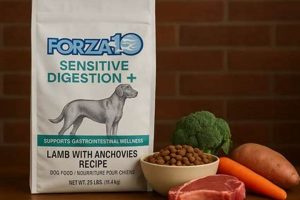
The application of proteolytic enzymes, typically derived from sources like papaya (papain) or pineapple (bromelain), to canine diets involves the intentional breakdown of proteins within the food matrix. This process aims to pre-digest complex protein structures into smaller, more easily absorbable peptides and amino acids. For instance, sprinkling a small amount of a commercial product containing these enzymes onto a dog’s meal before serving is a common method.
The rationale behind this practice often stems from a desire to improve nutrient bioavailability, particularly in dogs with compromised digestive systems or those experiencing age-related declines in digestive efficiency. It may also be employed to mitigate potential allergenic responses by reducing the size of intact protein molecules, thereby lessening the likelihood of immune system recognition and subsequent reactions. Historically, the use of such enzymes in animal feed has been explored to enhance protein utilization and overall feed efficiency, particularly in livestock production.
Considering the potential implications of altering protein digestion, the subsequent sections will delve into the specific benefits, potential risks, appropriate dosages, and necessary precautions associated with the incorporation of enzymatic protein modification in canine nutrition. Furthermore, the impact on dogs with specific health conditions, such as pancreatic insufficiency or food sensitivities, will be carefully examined.
Considerations for Utilizing Enzymatic Protein Modification in Canine Diets
The following points offer guidance for those considering the inclusion of enzymatic protein modification, such as that achieved using products containing papain or bromelain, in their dog’s nutritional regimen.
Tip 1: Consult with a Veterinarian. Prior to introducing any protein-modifying agent into a dog’s diet, a consultation with a qualified veterinary professional is imperative. This consultation should address the dog’s individual health status, any pre-existing conditions, and potential interactions with concurrent medications or therapies.
Tip 2: Initiate with a Minimal Dosage. Begin with a significantly reduced dosage compared to the manufacturer’s recommendations. Observe the dog closely for any adverse reactions, such as gastrointestinal upset, changes in stool consistency, or behavioral alterations. Gradual increments in dosage may be considered based on tolerance and veterinary guidance.
Tip 3: Monitor for Allergic Responses. Be vigilant for signs of allergic reaction, which may include skin irritation, itching, hives, facial swelling, or difficulty breathing. Discontinue use immediately if any such symptoms manifest and seek veterinary attention.
Tip 4: Evaluate Stool Quality. Regularly assess the dog’s stool consistency and frequency. Changes such as diarrhea or constipation may indicate an inappropriate dosage or an adverse reaction to the enzyme preparation. Adjustments should be made in consultation with a veterinarian.
Tip 5: Consider Dietary Composition. The existing protein source and overall composition of the dog’s food should be carefully evaluated. Excessive protein levels, combined with enzymatic modification, could potentially overload the digestive system or exacerbate existing renal issues.
Tip 6: Be Aware of Potential Drug Interactions. Proteolytic enzymes may interact with certain medications, potentially altering their absorption or efficacy. Discuss all medications and supplements currently being administered with a veterinarian prior to initiating enzymatic protein modification.
Tip 7: Use High-Quality Products. Choose reputable brands that provide clear ingredient lists and dosage instructions. Ensure the product is specifically formulated for animal use and has undergone appropriate quality control measures.
These guidelines emphasize the importance of careful observation, veterinary guidance, and a cautious approach when implementing enzymatic protein modification in canine diets. The goal is to optimize nutrient absorption and digestive health while minimizing potential risks.
The subsequent section will address specific conditions where enzymatic protein modification may be particularly beneficial or contraindicated, further informing responsible decision-making.
1. Protein Breakdown

The application of meat tenderizer to dog food directly influences the degree of protein breakdown within the digestive tract. Meat tenderizers, containing proteolytic enzymes such as papain or bromelain, catalyze the hydrolysis of peptide bonds, effectively pre-digesting proteins. This process transforms complex protein molecules into smaller peptides and free amino acids. The degree of protein breakdown is directly proportional to the quantity of enzyme applied and the duration of exposure before consumption. Improperly managed protein breakdown can lead to unintended consequences. For example, excessive pre-digestion might overwhelm the dog’s digestive capacity, leading to diarrhea or malabsorption. Conversely, insufficient breakdown might not yield the desired benefits for dogs with compromised digestive function.
The importance of controlled protein breakdown lies in its ability to enhance nutrient bioavailability and reduce allergenic potential. By breaking down large protein molecules, the digestive system can more efficiently absorb the constituent amino acids. Furthermore, smaller peptides are less likely to trigger allergic reactions in sensitive dogs. In cases of canine exocrine pancreatic insufficiency (EPI), where the pancreas fails to produce sufficient digestive enzymes, the addition of meat tenderizer can partially compensate for this deficiency. Similarly, older dogs or those with gastrointestinal disorders may benefit from the pre-digestion of proteins to alleviate digestive strain. The effect of meat tenderizer on protein breakdown provides tangible benefits for dogs with specific digestive needs.
Effective management of protein breakdown necessitates careful consideration of dosage, enzyme source, and the individual dog’s health status. While meat tenderizer can be a beneficial adjunct to canine diets, its use should be approached with caution and under veterinary guidance. A nuanced understanding of the proteolytic process and its potential impacts on canine physiology is essential for safe and effective implementation. The challenges lie in determining the optimal degree of protein breakdown for each individual dog, necessitating careful monitoring and adjustments. The appropriate use of meat tenderizer on dog food, therefore, is intrinsically linked to the controlled and purposeful alteration of protein structure and digestibility.
2. Enzyme Source

The efficacy and safety of using meat tenderizer on dog food are intrinsically linked to the specific enzyme source within the product. Commercial meat tenderizers typically derive their proteolytic activity from either plant-based sources, such as papain extracted from papaya or bromelain from pineapple, or fungal sources like Aspergillus oryzae. The origin of the enzyme dictates its optimal pH range for activity, substrate specificity, and potential for allergenicity. For example, papain exhibits broad-spectrum proteolytic activity across a relatively wide pH range, while bromelain’s activity is more pronounced in slightly acidic conditions. This variance can influence the degree of protein digestion achieved in different regions of the canine gastrointestinal tract, potentially affecting nutrient bioavailability and digestive comfort. Inconsistent or unlabeled enzyme sources compromise the predictability of the product’s effects.
Furthermore, the enzyme source directly impacts the risk of adverse reactions. Dogs can exhibit sensitivities or allergies to specific plant or fungal proteins present in meat tenderizers. For instance, a dog with a known pineapple allergy is likely to experience an adverse reaction to a meat tenderizer containing bromelain. Consequently, transparency and accuracy in product labeling regarding enzyme source are crucial for informed decision-making. Consider a scenario where a dog with suspected beef protein sensitivity is fed a diet supplemented with meat tenderizer derived from Aspergillus oryzae. While the meat tenderizer might aid in the digestion of beef proteins, the fungal source itself could trigger a separate allergic response, complicating diagnosis and management. The selection of an appropriate enzyme source, therefore, necessitates careful consideration of the dog’s individual medical history and known sensitivities.
In conclusion, the enzyme source is a critical determinant of both the effectiveness and safety profile of meat tenderizer when used as a digestive aid in canine diets. Variations in pH optima, substrate specificity, and potential allergenicity underscore the need for clear labeling and veterinary guidance in selecting the most suitable product. Blindly applying meat tenderizer without considering the specific enzyme source introduces unnecessary risks and undermines the potential benefits of this digestive intervention. Therefore, a thorough understanding of enzyme sources is essential for responsible and effective use of meat tenderizer on dog food.
3. Digestive Support
The addition of meat tenderizer to canine diets represents a targeted approach to digestive support, specifically addressing protein digestion. The intention is to augment or facilitate the breakdown of complex proteins into more readily absorbable components, thereby alleviating digestive strain and enhancing nutrient uptake.
- Enhanced Protein Bioavailability
Meat tenderizers contain proteolytic enzymes that pre-digest proteins within dog food. This pre-digestion results in smaller peptides and amino acids, which are more easily absorbed by the intestinal lining. For dogs with compromised digestive systems, such as senior dogs or those with exocrine pancreatic insufficiency, enhanced protein bioavailability can significantly improve nutrient absorption and overall health. Example: A senior dog experiencing age-related decline in digestive enzyme production may exhibit improved muscle mass and energy levels following consistent use of a meat tenderizer supplement in their diet.
- Reduced Allergenic Potential
Intact proteins are a primary trigger for food allergies in dogs. By breaking down proteins into smaller peptides, meat tenderizers can reduce the likelihood of an allergic reaction. The smaller peptides are less likely to be recognized by the immune system as foreign invaders, thus minimizing the risk of an immune response. Example: A dog with a diagnosed chicken allergy might tolerate a dog food containing chicken protein if the protein is pre-digested using a meat tenderizer, though this approach should be implemented under veterinary supervision and with careful monitoring.
- Compensation for Enzyme Deficiency
Conditions such as exocrine pancreatic insufficiency (EPI) result in inadequate production of digestive enzymes, hindering protein digestion. Meat tenderizer acts as a supplemental source of proteolytic enzymes, partially compensating for the deficiency and improving protein digestion. Example: A dog diagnosed with EPI, typically treated with pancreatic enzyme replacement therapy, may experience some symptomatic relief through the addition of meat tenderizer to their diet, although it should not be considered a replacement for prescribed medications.
- Alleviation of Digestive Distress
In some cases, digestive distress arises from incomplete protein digestion, leading to symptoms like bloating, gas, and diarrhea. By facilitating more complete protein digestion, meat tenderizer can reduce the occurrence and severity of these symptoms. Example: A dog experiencing chronic intermittent diarrhea, attributed to poor protein digestion, might exhibit improved stool quality and reduced gastrointestinal discomfort following the incorporation of meat tenderizer into their feeding regimen.
These facets highlight the multifaceted role of meat tenderizer in providing digestive support for dogs. Its capacity to enhance protein bioavailability, reduce allergenic potential, compensate for enzyme deficiencies, and alleviate digestive distress underscores its potential utility in managing specific canine digestive conditions. However, the application of meat tenderizer should always be guided by veterinary expertise, considering the individual dog’s health status and potential for adverse reactions. The integration of this digestive aid necessitates careful monitoring and adjustment to optimize benefits and minimize risks.
4. Dosage Control

The precise application of meat tenderizer to canine diets hinges critically on meticulous dosage control. Over- or under-dosing can lead to adverse effects, negating potential benefits and potentially compromising the animal’s health. The inherent variability in product potency and individual canine physiology necessitates a tailored approach.
- Enzyme Concentration and Activity
Commercial meat tenderizers exhibit varying concentrations and activity levels of proteolytic enzymes. Dosage calculations must account for these variations to prevent over-supplementation. For example, a product with a higher concentration of papain requires a proportionally smaller dose than one with a lower concentration to achieve the same degree of protein breakdown. Failure to adjust for enzyme activity may result in digestive upset or, conversely, insufficient proteolytic action. A product lacking standardized activity units necessitates extreme caution and conservative dosing strategies.
- Canine Body Weight and Size
Metabolic rate and digestive capacity are intrinsically linked to body weight and size. Smaller dogs, with their relatively faster metabolisms and smaller digestive tracts, require proportionally lower doses of meat tenderizer than larger breeds. An inappropriate dosage, scaled to a larger animal, could induce severe gastrointestinal distress in a smaller dog. For instance, a Great Dane and a Chihuahua would necessitate dramatically different amounts of meat tenderizer to achieve optimal protein digestion, reflecting their disparate physiological requirements.
- Underlying Health Conditions
Pre-existing health conditions, particularly those affecting the gastrointestinal tract or pancreas, significantly influence the appropriate dosage of meat tenderizer. Dogs with exocrine pancreatic insufficiency (EPI) may tolerate higher doses than healthy dogs, while those with inflammatory bowel disease (IBD) may exhibit increased sensitivity to enzymatic protein breakdown. Veterinary assessment is crucial to determine the optimal dosage based on the individual dog’s health status. Dosage adjustments should be made cautiously, monitoring for any signs of adverse reactions.
- Dietary Protein Content
The protein content of the dog’s regular diet must be considered when determining the appropriate dosage of meat tenderizer. High-protein diets may necessitate higher doses of proteolytic enzymes to facilitate complete digestion, while low-protein diets require correspondingly lower doses. Over-supplementation with meat tenderizer in a dog already consuming a high-protein diet could overwhelm the digestive system, leading to diarrhea or other gastrointestinal disturbances. Careful assessment of dietary protein intake is essential for informed dosage control.
These facets underscore the multifaceted nature of dosage control when using meat tenderizer on dog food. The interplay between enzyme concentration, canine physiology, pre-existing health conditions, and dietary composition necessitates a tailored and carefully monitored approach. Deviation from precise dosage recommendations can undermine the intended benefits and potentially jeopardize the animal’s well-being. Therefore, veterinary consultation and diligent observation are paramount to ensure the safe and effective application of meat tenderizer as a digestive aid.
5. Veterinary Guidance

Veterinary guidance constitutes a critical element in the safe and effective utilization of meat tenderizer as a digestive aid in canine diets. Its role extends beyond mere recommendation; it encompasses comprehensive assessment, tailored recommendations, and vigilant monitoring to mitigate potential risks and maximize therapeutic benefits.
- Comprehensive Diagnostic Evaluation
Prior to the introduction of meat tenderizer, a thorough veterinary examination is essential. This evaluation serves to identify underlying conditions that may necessitate or contraindicate its use. For example, a dog presenting with chronic diarrhea requires diagnostic testing to rule out parasitic infections, inflammatory bowel disease, or exocrine pancreatic insufficiency (EPI). The presence of EPI may warrant the use of meat tenderizer to augment protein digestion; however, concurrent infections or inflammation necessitate targeted treatment protocols that may preclude its immediate application. Such diagnostic rigor is indispensable to prevent inappropriate or counterproductive interventions.
- Personalized Dosage Recommendations
Dosage determination cannot be generalized across the canine population. Factors such as breed, size, age, dietary composition, and pre-existing health conditions necessitate individualized dosage regimens. A veterinarian can assess these factors and provide tailored recommendations to optimize efficacy while minimizing adverse effects. For instance, a geriatric dog with diminished pancreatic function may require a higher dosage than a young, healthy adult. Similarly, dogs consuming high-protein diets may benefit from increased enzyme supplementation. Veterinarian input ensures that the dosage aligns with the unique physiological needs of the individual animal.
- Monitoring for Adverse Reactions
The introduction of meat tenderizer carries a potential risk of adverse reactions, including allergic responses, gastrointestinal upset, or drug interactions. Veterinary oversight facilitates the early detection and management of such complications. Regular monitoring of stool quality, appetite, and overall demeanor allows for timely adjustments to the treatment plan. If a dog exhibits signs of allergic dermatitis following the initiation of meat tenderizer supplementation, prompt veterinary intervention can mitigate the reaction and identify alternative digestive aids. This proactive approach is essential to safeguard the dog’s well-being.
- Integration with Existing Treatment Protocols
Many dogs receiving meat tenderizer as a digestive aid may also be undergoing concurrent treatments for other medical conditions. Veterinary guidance ensures that the introduction of enzymatic supplementation does not interfere with existing therapies or exacerbate underlying health issues. For example, a dog receiving corticosteroids for autoimmune disease may be at increased risk of gastrointestinal ulceration. The use of meat tenderizer in such cases requires careful monitoring and potential adjustments to the immunosuppressive regimen to prevent complications. This integrative approach optimizes therapeutic outcomes while minimizing iatrogenic risks.
These facets underscore the crucial role of veterinary guidance in the responsible application of meat tenderizer as a digestive aid in canine nutrition. Its integration into a comprehensive veterinary care plan is essential to ensure the safety, efficacy, and long-term well-being of the animal.
6. Individual Sensitivity
Individual sensitivity represents a critical determinant in the suitability of meat tenderizer as a canine dietary supplement. The variable responses to proteolytic enzymes, stemming from inherent physiological differences, necessitate careful consideration prior to implementation. Allergic reactions, gastrointestinal disturbances, and idiosyncratic responses constitute potential manifestations of individual sensitivity. For instance, certain breeds may exhibit a predisposition to allergic reactions to specific enzyme sources, such as papain derived from papaya or bromelain from pineapple. In such cases, the introduction of meat tenderizer, intended to enhance protein digestion, paradoxically induces an adverse immune response. Likewise, dogs with pre-existing gastrointestinal sensitivities, such as inflammatory bowel disease (IBD), may experience exacerbation of symptoms following the administration of meat tenderizer. Therefore, the one-size-fits-all approach is inherently inappropriate, highlighting the imperative for personalized assessment.
The practical significance of understanding individual sensitivity lies in the ability to mitigate potential risks and optimize therapeutic outcomes. Prior to incorporating meat tenderizer into a dog’s diet, a thorough veterinary evaluation is essential. This evaluation should encompass a comprehensive medical history, including any known allergies or gastrointestinal sensitivities. Furthermore, diagnostic testing may be warranted to assess pancreatic function and rule out underlying digestive disorders. Following the initiation of meat tenderizer supplementation, close monitoring is crucial to detect any early signs of adverse reactions. These signs may include pruritus, urticaria, vomiting, diarrhea, or abdominal discomfort. Prompt intervention, such as discontinuing the supplement or adjusting the dosage, can minimize the severity of the reaction and prevent further complications. The implementation of a structured monitoring protocol, guided by veterinary expertise, enables the safe and effective utilization of meat tenderizer in appropriately selected canine patients. A dog exhibiting chronic soft stools, despite dietary management, might benefit from enzymatic support, provided allergy testing confirms tolerance to the enzyme source.
In summary, individual sensitivity constitutes a pivotal factor in the decision-making process regarding the use of meat tenderizer on dog food. The potential for adverse reactions underscores the need for careful patient selection, veterinary guidance, and vigilant monitoring. While meat tenderizer may offer benefits for specific canine populations, its indiscriminate application can compromise animal welfare. By prioritizing personalized assessment and adhering to evidence-based practices, clinicians can harness the therapeutic potential of proteolytic enzymes while safeguarding against potential harm. Challenges remain in accurately predicting individual responses; ongoing research to identify predisposing factors and develop validated diagnostic tools is crucial. The prudent and informed use of meat tenderizer, grounded in a deep understanding of individual sensitivity, remains the cornerstone of responsible veterinary practice.
Frequently Asked Questions
The following questions and answers address common inquiries and concerns regarding the use of meat tenderizer as a digestive aid for dogs.
Question 1: What is the primary purpose of adding meat tenderizer to dog food?
The primary purpose is to augment protein digestion by introducing proteolytic enzymes, such as papain or bromelain, which break down complex proteins into smaller, more readily absorbable peptides and amino acids. This can be beneficial for dogs with digestive insufficiencies.
Question 2: Is all meat tenderizer safe for canine consumption?
Not all meat tenderizer is inherently safe. Products containing potentially harmful additives, such as excessive sodium or artificial flavorings, should be avoided. Pure enzyme preparations are preferable.
Question 3: What are the potential risks associated with using meat tenderizer on dog food?
Potential risks include allergic reactions to the enzyme source (e.g., papaya, pineapple), gastrointestinal upset from over-supplementation, and interference with certain medications. Careful dosage control and veterinary consultation are crucial.
Question 4: How does meat tenderizer aid dogs with exocrine pancreatic insufficiency (EPI)?
Meat tenderizer can partially compensate for the lack of pancreatic enzymes in dogs with EPI by providing supplemental proteolytic activity, facilitating protein digestion. It should not be considered a replacement for prescribed enzyme replacement therapy, but rather as a potential adjunct under veterinary supervision.
Question 5: How is the correct dosage of meat tenderizer determined for a dog?
The correct dosage depends on several factors, including the dog’s weight, age, health status, and the concentration of enzymes in the product. Veterinary guidance is essential to determine an appropriate and safe dosage.
Question 6: What are the signs that a dog is having an adverse reaction to meat tenderizer?
Signs of an adverse reaction may include vomiting, diarrhea, loss of appetite, skin irritation (itching, redness), and, in severe cases, difficulty breathing. Discontinue use immediately and seek veterinary attention if any of these signs are observed.
Careful consideration of these questions can help inform responsible decision-making regarding the use of meat tenderizer in canine diets. Veterinary consultation remains paramount.
The subsequent section will explore alternative approaches to promoting canine digestive health.
Conclusion
The application of meat tenderizer on dog food necessitates a nuanced understanding of its potential benefits and inherent risks. While proteolytic enzymes can augment protein digestion in specific canine populations, particularly those with digestive enzyme deficiencies or sensitivities, indiscriminate use is ill-advised. Factors such as enzyme source, dosage control, and individual sensitivity critically influence the safety and efficacy of this dietary intervention.
Ultimately, veterinary guidance remains paramount in determining the appropriateness of meat tenderizer supplementation for individual dogs. A comprehensive diagnostic evaluation, personalized dosage recommendations, and vigilant monitoring for adverse reactions are essential components of responsible practice. Continued research is warranted to further elucidate the long-term effects and optimal application strategies of enzymatic supplementation in canine nutrition, ensuring evidence-based practices prioritize animal welfare.
![Nutro: Best Small Breed Dog Food [Expert Tips] | World’s Most Delicious Foods: Must-Try Dishes from Every Country](https://lisasfoods.com/wp-content/uploads/2026/05/th-346-300x200.jpg "Nutro: Best Small Breed Dog Food [Expert Tips] World’s Most Delicious Foods: Must-Try Dishes from Every Country")