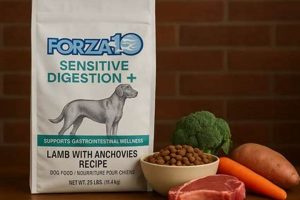
Dietary formulations for canines that minimize starch and sugar content are increasingly available. These products aim to provide essential nutrients while reducing the proportion of energy derived from sources like grains and potatoes. An example would be a formulation primarily based on animal protein and fats, supplemented with non-starchy vegetables for fiber.
The significance of these dietary options stems from a growing awareness of canine nutritional needs and potential sensitivities. Some proponents suggest benefits such as improved weight management, better blood sugar control for diabetic dogs, and reduced allergic reactions in susceptible animals. Historically, canine diets were primarily meat-based, and some argue that modern, grain-heavy foods are not optimal for all dogs.
The following sections will delve into the potential benefits, suitability for specific canine health conditions, considerations for switching a dog to a reduced-starch diet, and key factors to consider when selecting an appropriate option. Careful consideration and consultation with a veterinarian are crucial when making significant dietary changes for any animal.
Guidance on Reduced-Starch Canine Diets
The subsequent recommendations address critical considerations when evaluating or implementing a diet with limited starch content for canines.
Tip 1: Consult a Veterinarian: Prior to any dietary change, a thorough veterinary examination is essential. A veterinarian can assess the dog’s overall health, identify any underlying conditions that may benefit from or be contraindications for a reduced-starch diet, and provide tailored recommendations.
Tip 2: Carefully Evaluate Product Labels: Scrutinize ingredient lists, paying close attention to the carbohydrate sources. Look for formulations where animal protein and fats are the primary ingredients. Avoid products heavily reliant on grains, potatoes, or legumes as the main caloric contributors.
Tip 3: Monitor Stool Quality: Dietary changes can affect digestion. Observe stool consistency and frequency. Loose stools or constipation may indicate the diet is not suitable or that the transition is occurring too rapidly.
Tip 4: Observe Body Condition Score: Regularly assess the dog’s body condition. Ribs should be easily palpable but not visibly protruding. Adjust food portions as necessary to maintain an ideal weight.
Tip 5: Consider Individual Needs: Factors such as age, breed, activity level, and health status influence dietary requirements. A highly active working dog may have different needs than a sedentary senior dog.
Tip 6: Implement a Gradual Transition: Abrupt dietary changes can cause gastrointestinal upset. Gradually introduce the new food by mixing it with the existing diet over a period of 7-10 days, increasing the proportion of the new food each day.
Tip 7: Ensure Adequate Hydration: Increasing protein intake can increase the demand for water. Always provide fresh, clean water and monitor water consumption.
Adherence to these guidelines can contribute to a more effective and safer transition to a dietary regimen focused on minimized starch content. Consistent monitoring and professional guidance are crucial.
The final section of this article will summarize the key findings and provide conclusive remarks on the role of this dietary approach in canine nutrition.
1. Weight management

Maintaining a healthy weight is crucial for canine well-being, influencing longevity and reducing the risk of various health complications. Dietary strategies that minimize starch intake are frequently considered in managing or preventing canine obesity.
- Reduced Caloric Density
Diets lower in carbohydrates often have a reduced caloric density compared to those with higher starch content. This allows for a larger volume of food to be consumed while controlling overall calorie intake, potentially aiding in satiety and preventing overeating. For instance, a diet with a higher proportion of protein and fiber-rich vegetables will generally provide fewer calories per cup than a grain-based kibble.
- Impact on Insulin Response
Carbohydrates, particularly simple sugars and refined grains, trigger a rapid insulin response. Elevated insulin levels can promote fat storage. Minimizing carbohydrate intake can stabilize blood sugar levels, reduce insulin spikes, and potentially enhance fat mobilization. Consider a diabetic dog where precise blood sugar control is paramount to minimize insulin fluctuations.
- Enhanced Protein Satiety
Protein has a higher thermic effect of food compared to carbohydrates. This means the body expends more energy digesting protein, which can contribute to increased satiety. Formulations richer in protein content may help dogs feel fuller for longer, reducing the likelihood of excessive snacking. A diet predominantly composed of meat protein will generally be more satiating than a grain-heavy diet.
- Metabolic Shift
Some proponents argue that diets with reduced starch shift the metabolic focus from carbohydrate utilization to fat utilization. This shift may result in the dog’s body burning more fat for energy, contributing to weight loss. Consider the shift from burning glucose as the primary fuel source to utilizing fat reserves.
The facets outlined above underscore the potential role of dietary formulations focused on minimized starch content in promoting healthy weight management in canines. Careful consideration of caloric intake, macronutrient ratios, and individual canine needs is crucial to achieve optimal results. The ultimate goal is to provide a balanced nutritional profile that supports lean muscle mass, maintains energy levels, and contributes to overall health.
2. Blood Glucose Control

Maintaining stable blood glucose levels is paramount in canine health, particularly for those diagnosed with diabetes mellitus or predisposed to insulin resistance. Dietary strategies involving formulations with reduced starch content play a significant role in achieving and sustaining optimal glycemic control.
- Reduced Glycemic Load
Dietary carbohydrate intake directly impacts postprandial blood glucose concentrations. Formulations with minimized starch content inherently present a lower glycemic load, resulting in a more gradual and attenuated rise in blood glucose levels following ingestion. An example is substituting high-glycemic ingredients like corn with lower-glycemic options such as non-starchy vegetables.
- Mitigation of Insulin Resistance
Chronic exposure to high levels of insulin, often triggered by diets high in readily digestible carbohydrates, can lead to insulin resistance. Reducing the carbohydrate component of the diet lessens the demand for insulin secretion, potentially improving insulin sensitivity over time. A dog with pre-diabetes might benefit from a diet change to improve insulin responsiveness.
- Fiber’s Role in Glucose Absorption
Fiber, particularly soluble fiber, can slow the absorption of glucose from the digestive tract. Formulations incorporating increased fiber from non-starchy sources can further contribute to blood glucose stabilization. Psyllium husk or beet pulp are examples of fiber sources that can help regulate glucose absorption.
- Impact on Glycemic Variability
Minimizing fluctuations in blood glucose concentrations is crucial for managing diabetes and preventing associated complications. Diets lower in starch content help reduce glycemic variability, leading to more predictable and stable blood glucose levels throughout the day. This reduced variability can lessen the burden on pancreatic function and improve overall metabolic control.
The interconnected relationship between these facets highlights the importance of dietary starch management in canine blood glucose regulation. Implementing a reduced-starch dietary approach, under veterinary guidance, can be an effective tool for managing diabetes, mitigating insulin resistance, and promoting overall metabolic health in susceptible dogs. The choice of specific carbohydrate sources and fiber inclusion further optimizes glycemic control in these dietary strategies.
3. Allergen reduction

Certain dietary formulations, characterized by a reduced starch content, often contribute to allergen reduction in canine diets. This connection arises from the common substitution of typical carbohydrate sources, frequently implicated in allergic reactions, with alternative ingredients less prone to triggering hypersensitivity responses. For example, corn, wheat, and soycommon carbohydrate sources in conventional dog foodsare known allergens for some dogs. When formulations minimize these ingredients, substituting them with protein or fat sources, the overall allergenic potential of the diet decreases. The practical result is a reduction in cutaneous or gastrointestinal signs associated with food allergies.
Furthermore, allergen reduction in these diets may stem from a simplified ingredient list. Manufacturers sometimes utilize fewer ingredients overall, thereby reducing the probability of exposure to a problematic allergen. Novel protein sources, such as duck or venison, are frequently incorporated to replace traditional protein sources, further decreasing the risk of triggering an allergic response. The reduced reliance on plant-based proteins, which can be sources of allergens, strengthens the role of formulations with minimized starch in managing canine allergies. For instance, a dog exhibiting allergic dermatitis signs may experience remission following a transition to a formulation that limits starch and replaces common allergens with novel proteins.
In conclusion, dietary formulations emphasizing reduced starch content can be intrinsically linked to allergen reduction through the substitution of common allergenic ingredients, the incorporation of novel protein sources, and the simplification of ingredient lists. The beneficial outcome is a decrease in the likelihood of triggering allergic reactions in susceptible canines. Veterinary consultation is advised to accurately diagnose allergies and select an appropriate dietary regimen, maximizing the potential for allergen reduction while ensuring nutritional completeness.
4. Ingredient Sourcing

The formulation of canine diets characterized by reduced starch content necessitates a meticulous approach to ingredient sourcing. The deliberate minimization of traditional carbohydrate sources, such as grains or potatoes, compels manufacturers to seek alternative components to fulfill nutritional requirements and maintain palatability. The origin, processing, and quality of these replacement ingredients directly impact the overall health benefits and safety profile of the diet. For example, relying on rendered animal by-products or low-grade protein meals can compromise nutrient bioavailability and introduce potential contaminants, negating some of the intended advantages of starch reduction.
The substitution of carbohydrates with increased levels of animal protein and fats places a heightened emphasis on the ethical and sustainable sourcing of these components. The selection of protein sources should prioritize animal welfare and environmental responsibility. Similarly, the sourcing of fats, whether from animal or plant origins, must consider the fatty acid profile and potential for oxidation. A diet relying heavily on low-quality vegetable oils may lead to an imbalance in omega-3 and omega-6 fatty acids, potentially contributing to inflammation. Transparency in ingredient sourcing, including traceability and adherence to quality control standards, is paramount for consumer trust and product safety.
In summary, the effectiveness and suitability of starch-minimized canine diets are intrinsically linked to ingredient sourcing practices. The quality, origin, and processing methods of alternative ingredients significantly influence the nutritional value and potential health benefits of the formulation. Prioritizing ethically and sustainably sourced, high-quality components is crucial for producing safe and effective diets that genuinely promote canine well-being. Transparency in ingredient sourcing builds consumer confidence and reinforces the integrity of the product.
5. Digestibility

Digestibility, the measure of nutrient absorption from ingested food, is a critical factor in evaluating canine diets. Formulations characterized by reduced starch content can significantly influence the efficiency with which nutrients are extracted and utilized by the animal. The alterations in macronutrient ratios and ingredient composition inherent in these diets necessitate careful consideration of their impact on digestive processes.
- Starch Granule Structure
The type and processing of starch influence its digestibility. Complex, unprocessed starch granules require more extensive enzymatic breakdown for absorption. In minimized-starch diets, the remaining carbohydrate fraction often originates from non-grain sources, potentially exhibiting different digestion kinetics. The overall effect is a more gradual release of glucose into the bloodstream.
- Fiber Content and Fermentation
Reduced-starch diets often incorporate increased levels of fiber, both soluble and insoluble. While fiber contributes minimally to direct nutrient absorption, it plays a critical role in gut health and fermentation. Soluble fiber promotes the growth of beneficial gut bacteria, which produce short-chain fatty acids (SCFAs) that serve as an energy source for colonocytes and contribute to overall digestive efficiency.
- Protein Source and Digestibility
The protein source significantly impacts digestibility. Animal-based proteins are generally more digestible for canines than plant-based proteins due to their amino acid profiles and lower levels of anti-nutritional factors. Minimized-starch diets, often higher in animal protein, can therefore result in improved protein absorption and utilization.
- Fat Content and Absorption
Increased fat content is frequently observed in reduced-starch diets. Fat digestion relies on efficient emulsification and lipase activity. While highly digestible, excessive fat intake can lead to digestive upset. Proper formulation ensures optimal fat absorption without compromising gastrointestinal health.
The multifaceted influence of minimized-starch diets on digestibility underscores the importance of considering both the source and processing of ingredients. The interplay between carbohydrate, fiber, protein, and fat content determines the overall digestive efficiency of the formulation. Careful formulation, with consideration for ingredient quality and processing techniques, ensures optimal nutrient absorption and supports overall canine health.
6. Veterinary oversight

Veterinary oversight constitutes a crucial component in the selection and implementation of dietary regimens emphasizing reduced starch content for canines. The guidance of a qualified veterinary professional ensures that the dietary modification aligns with the animal’s specific health status and nutritional needs, optimizing benefits and mitigating potential risks.
- Individual Health Assessment
Prior to initiating a reduced-starch diet, a comprehensive veterinary examination is essential. This assessment identifies pre-existing conditions, such as diabetes, kidney disease, or pancreatitis, which may influence the suitability or modification of the dietary approach. For instance, a dog with chronic kidney disease may require adjustments to protein levels even within a reduced-starch formulation to avoid exacerbating renal dysfunction. Furthermore, the veterinarian can identify underlying allergies or sensitivities that may influence ingredient selection, ensuring the diet is hypoallergenic and well-tolerated.
- Nutritional Adequacy Evaluation
Commercially available reduced-starch diets vary in their nutrient profiles. Veterinary oversight is essential to ensure that the selected diet meets the dog’s specific nutritional requirements, considering factors such as age, breed, activity level, and reproductive status. The veterinarian can evaluate the diet’s guaranteed analysis, ingredient list, and feeding guidelines to ascertain its completeness and balance, preventing nutritional deficiencies or excesses. This assessment may involve comparing the diet’s nutrient content to established guidelines, such as those provided by the Association of American Feed Control Officials (AAFCO).
- Monitoring and Adjustment
Following the initiation of a reduced-starch diet, regular veterinary monitoring is crucial to assess the animal’s response and make necessary adjustments. This monitoring includes evaluating body weight, body condition score, stool quality, and blood glucose levels (in diabetic dogs). The veterinarian can use these parameters to determine whether the diet is achieving the desired effects and to identify any adverse reactions. For example, if a dog experiences persistent diarrhea following the diet change, the veterinarian may recommend adjusting the fiber content or transitioning to a different formulation.
- Long-Term Health Management
Reduced-starch diets can play a significant role in the long-term management of certain canine health conditions, such as diabetes mellitus or obesity. Veterinary oversight ensures that the dietary approach is integrated into a comprehensive treatment plan that addresses all aspects of the animal’s health. This plan may involve regular blood glucose monitoring, insulin adjustments (in diabetic dogs), exercise recommendations, and monitoring for potential complications. The veterinarian serves as the primary point of contact for ongoing dietary management and can provide guidance on transitioning the diet as the animal’s needs evolve over time.
In conclusion, veterinary oversight is indispensable for the safe and effective implementation of reduced-starch diets in canines. It provides personalized guidance based on individual health status, ensures nutritional adequacy, facilitates monitoring and adjustment, and supports long-term health management. Neglecting veterinary consultation may compromise the benefits of the diet and potentially lead to adverse health outcomes.
7. Macronutrient balance
Macronutrient balance is intrinsically linked to dietary formulations minimizing starch content for canines. These diets, by design, alter the proportions of protein, fat, and carbohydrates compared to conventional canine foods. A decrease in carbohydrate percentage necessitates a corresponding increase in protein, fat, or both to meet the animal’s energy requirements. This shift impacts metabolic processes and requires careful consideration to ensure nutritional adequacy. For instance, a diet formulated with significantly reduced carbohydrates might rely heavily on fat to supply energy, which could be contraindicated for dogs with a history of pancreatitis. Achieving the correct macronutrient balance within a restricted-starch context is therefore crucial for overall canine health.
Practical application of this concept involves a thorough understanding of canine physiology and nutritional needs. Increased protein intake, common in these diets, must be balanced against potential renal strain, particularly in older animals. Elevated fat content can contribute to satiety and palatability but requires monitoring to prevent weight gain if caloric intake exceeds expenditure. Carbohydrates, while minimized, still play a role in providing essential nutrients and fiber for gut health; their source must be carefully selected to avoid allergenic components and ensure digestibility. An example is a diet formulated for diabetic dogs, where carbohydrate content is minimized but sufficient fiber is included to regulate glucose absorption, while protein and fat are carefully balanced to support lean muscle mass and provide sustained energy. Veterinarian’s are valuable for determining an appropriate dietary plan.
In summary, macronutrient balance represents a key challenge and opportunity within the context of low-starch canine diets. The altered proportions of protein, fat, and carbohydrates necessitate careful formulation to meet individual canine needs and prevent adverse health effects. Achieving optimal macronutrient balance in these diets requires a thorough understanding of canine physiology, nutritional requirements, and potential health concerns, highlighting the importance of veterinary consultation and responsible dietary management. This balance serves as a critical determinant of the diet’s efficacy in achieving desired health outcomes, such as weight management, blood glucose control, and allergen reduction, while maintaining overall well-being.
Frequently Asked Questions
This section addresses common inquiries and misconceptions regarding dietary regimens designed to minimize starch intake in canines. The aim is to provide clear, concise, and evidence-based answers to inform responsible pet ownership.
Question 1: Are reduced-starch diets appropriate for all dogs?
Reduced-starch diets are not universally suitable for all canine populations. Individual factors, such as age, breed, activity level, and pre-existing health conditions, influence the appropriateness of this dietary approach. A comprehensive veterinary assessment is essential prior to implementation.
Question 2: How does a reduced-starch diet differ from a grain-free diet?
While often conflated, reduced-starch and grain-free diets are not synonymous. Grain-free diets eliminate common cereal grains but may still contain high levels of other carbohydrate sources, such as potatoes or legumes. Reduced-starch diets focus on minimizing the overall carbohydrate content, irrespective of the source.
Question 3: Can a reduced-starch diet improve blood glucose control in diabetic dogs?
Reduced-starch diets can be a valuable tool in managing diabetes mellitus in canines. By minimizing the intake of rapidly digestible carbohydrates, these diets can help stabilize blood glucose levels and reduce the reliance on exogenous insulin. Veterinary supervision is essential for appropriate dose adjustments.
Question 4: What are the potential risks associated with reduced-starch diets?
Potential risks include nutritional imbalances, particularly if the diet is not properly formulated or supplemented. Excessive fat intake, a common consequence of starch reduction, can contribute to pancreatitis or weight gain if caloric intake exceeds expenditure. Veterinary monitoring is crucial to mitigate these risks.
Question 5: How do I transition my dog to a reduced-starch diet?
A gradual transition, spanning 7-10 days, is recommended to minimize gastrointestinal upset. Slowly incorporate the new diet into the existing diet, gradually increasing the proportion of the new food while decreasing the proportion of the old food.
Question 6: What ingredients should I look for in a reduced-starch canine diet?
Prioritize diets with high-quality animal protein sources as the primary ingredients. Look for non-starchy vegetables and moderate amounts of healthy fats. Avoid diets heavily reliant on grains, potatoes, or legumes as the main caloric contributors.
The information presented here provides a foundation for understanding reduced-starch diets in canines. However, it is not a substitute for professional veterinary advice. Consult with a veterinarian to determine the most appropriate dietary regimen for your individual dog.
The subsequent section will delve into the key considerations for selecting a commercially available reduced-starch canine diet.
low carbohydrate dog food
This article has explored the multifaceted aspects of dietary formulations designed to minimize starch intake in canines. The discussion encompassed the potential benefits related to weight management and blood glucose control, as well as considerations regarding allergen reduction, ingredient sourcing, digestibility, veterinary oversight, and macronutrient balance. The intent has been to provide a comprehensive understanding of this dietary approach, emphasizing the critical role of informed decision-making.
The long-term implications of dietary starch manipulation in canine nutrition warrant continued research and careful monitoring. While these diets may offer advantages for specific canine populations, they are not a panacea and necessitate individualized assessment and professional veterinary guidance. Responsible pet ownership demands informed choices based on scientific evidence and the unique needs of each animal. The pursuit of optimal canine health requires ongoing education and a commitment to evidence-based practices.
![Nutro: Best Small Breed Dog Food [Expert Tips] | World’s Most Delicious Foods: Must-Try Dishes from Every Country](https://lisasfoods.com/wp-content/uploads/2026/05/th-346-300x200.jpg "Nutro: Best Small Breed Dog Food [Expert Tips] World’s Most Delicious Foods: Must-Try Dishes from Every Country")