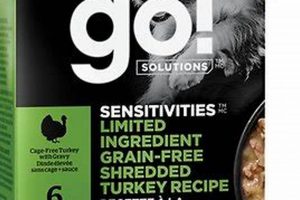
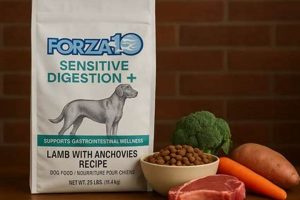
Canine nutrition specifically formulated for German Shepherds should prioritize ingredients that support their unique physiological needs. This includes a focus on optimal protein levels for muscle maintenance, appropriate fat content for sustained energy, and a balance of carbohydrates and fiber to promote healthy digestion. Such formulations often contain supplements like glucosamine and chondroitin to support joint health, a common concern in this breed.
Providing German Shepherds with nutritionally complete and balanced meals is vital for their overall well-being. These dogs are prone to specific health issues, such as hip and elbow dysplasia and digestive sensitivities. A diet designed to mitigate these risks can contribute to a longer, healthier life, reducing veterinary costs and improving the dog’s quality of life. Historically, breed-specific dietary recommendations have become more prevalent as veterinary science advances and nutritional research identifies the particular needs of various breeds.
The subsequent sections will delve into the key ingredients to look for, potential sensitivities to be aware of, and the impact of life stage (puppy, adult, senior) on the nutritional requirements of the German Shepherd. Furthermore, we will explore the various options available and how to select the best choice for an individual dog.
Guidance on Canine Nutrition for the German Shepherd Breed
Selecting the appropriate sustenance for a German Shepherd requires careful consideration of its unique biological requirements. The following recommendations aim to provide clarity in navigating the complexities of canine nutrition and ensuring optimal health outcomes.
Tip 1: Prioritize Protein Source. The primary component of a German Shepherd’s diet should be high-quality animal protein, derived from sources such as chicken, beef, or fish. Protein is essential for muscle development and maintenance, vital for this active breed. The protein content should be clearly identified on the product label, with specific meat sources listed prominently.
Tip 2: Evaluate Fat Content. While protein is crucial, a sufficient amount of fat is necessary for energy and the absorption of fat-soluble vitamins. Look for formulations that include healthy fats, such as omega-3 and omega-6 fatty acids, sourced from fish oil or flaxseed. These contribute to coat health and cognitive function.
Tip 3: Manage Carbohydrate Intake. Carbohydrates provide energy, but should not be the primary ingredient. Opt for digestible sources such as brown rice or sweet potatoes. Avoid excessive amounts of corn, wheat, or soy, as these can be potential allergens or contribute to digestive issues.
Tip 4: Incorporate Joint Support. Given the German Shepherd’s predisposition to hip and elbow dysplasia, consider a diet that includes glucosamine and chondroitin. These supplements support cartilage health and may help prevent or slow the progression of joint problems.
Tip 5: Pay Attention to Fiber. Adequate fiber intake is crucial for digestive health and regularity. Look for foods that contain beet pulp, pumpkin, or other fiber-rich ingredients. Fiber helps to promote satiety and can aid in weight management.
Tip 6: Consider Life Stage. Nutritional needs change as a German Shepherd ages. Puppies require food formulated for growth, adults need a maintenance diet, and seniors benefit from formulations designed to support aging joints and cognitive function. Select products appropriate for the dog’s current life stage.
Tip 7: Monitor Food Sensitivities. German Shepherds can be prone to food allergies or sensitivities. Be vigilant for signs such as skin irritation, digestive upset, or excessive gas. If these symptoms arise, consult with a veterinarian to identify potential allergens and switch to a limited-ingredient diet.
These guidelines emphasize the importance of informed decision-making in selecting sustenance for German Shepherds. Understanding nutritional requirements and attentively observing the dog’s physical responses is paramount to ensuring optimal health and well-being.
The subsequent sections will discuss additional aspects such as specific product recommendations, feeding schedules, and strategies for transitioning between food formulations.
1. Protein Source Quality

The quality of the protein source is a critical determinant of the overall nutritional value of canine sustenance, particularly for German Shepherds. High-quality protein provides essential amino acids necessary for muscle development, tissue repair, and enzyme production. Diets formulated with inferior protein sources may lack these crucial building blocks, leading to muscle wasting, reduced immunity, and impaired growth, especially in puppies and active adult dogs. A real-world example involves comparing two diets: one based on chicken meal, a concentrated and digestible protein source, and another based on plant-based protein isolates. The former will generally support superior muscle mass and overall vitality in German Shepherds.
The digestibility of the protein source is another critical factor. German Shepherds, like many breeds, can experience digestive sensitivities. Highly digestible protein, such as hydrolyzed protein or easily processed animal proteins, reduces the risk of gastrointestinal distress. For instance, selecting a lamb-based formula over one containing excessive amounts of corn gluten meal can mitigate issues like diarrhea and flatulence, thereby improving nutrient absorption and overall well-being. Moreover, the amino acid profile of the protein source must align with the specific needs of the German Shepherd. Some plant-based proteins lack essential amino acids that dogs cannot synthesize themselves. This necessitates supplementation or reliance on animal-derived sources to ensure complete nutritional coverage.
In summary, protein source quality is inextricably linked to the concept of providing sustenance of a high standard for German Shepherds. Prioritizing highly digestible, animal-derived proteins with complete amino acid profiles is essential for supporting optimal muscle mass, immune function, and overall health. While price is a consideration, neglecting protein quality can result in long-term health consequences and increased veterinary expenses. The informed selection of protein sources is a foundational aspect of responsible canine nutrition for this breed.
2. Optimal Fat Content
The fat content in canine sustenance is a crucial component of overall nutrition, particularly impacting the health and performance of German Shepherds. Careful attention must be paid to the source and quantity of fat to ensure optimal physiological function and prevent health complications.
- Energy Provision and Metabolic Support
Fats provide a concentrated source of energy, more than twice that of carbohydrates or protein. This is particularly vital for active German Shepherds. Insufficient fat intake can lead to lethargy and reduced stamina, while excessive amounts contribute to obesity and related health issues. A formulation’s fat content directly affects the dog’s metabolic rate and ability to sustain physical activity. For example, a working German Shepherd will require a higher fat percentage in its diet compared to a less active companion animal to maintain its energy levels.
- Absorption of Fat-Soluble Vitamins
Vitamins A, D, E, and K are fat-soluble, meaning they require dietary fat for proper absorption in the intestinal tract. A diet lacking sufficient fat impedes the uptake of these essential nutrients, potentially leading to deficiencies. Vitamin A deficiency can affect vision and immune function, while vitamin D deficiency can impact bone health. Ensuring optimal fat content is therefore integral to supporting these vital physiological processes.
- Coat and Skin Health
Essential fatty acids, such as omega-3 and omega-6 fatty acids, are crucial for maintaining healthy skin and coat. These fatty acids help regulate inflammation and support the production of sebum, a natural skin oil. A deficiency in these fats can result in dry, itchy skin, a dull coat, and increased susceptibility to skin infections. The inclusion of sources like fish oil or flaxseed in canine sustenance formulations specifically addresses this need.
- Hormone Production and Cellular Function
Fats are integral to the synthesis of hormones, which regulate various bodily functions, including reproduction, growth, and metabolism. They also play a key role in maintaining the structural integrity of cell membranes. A balanced fat intake supports these crucial cellular processes and ensures optimal hormonal balance. Imbalances can lead to a cascade of health issues affecting multiple organ systems.
In conclusion, the Optimal Fat Content of canine sustenance is not a fixed value but rather a carefully calibrated parameter, closely related to providing high-quality nutrition for a German Shepherd. By ensuring adequate energy provision, facilitating vitamin absorption, promoting skin and coat health, and supporting hormone production, carefully selected and measured fat content is an integral component of overall well-being for this breed.
3. Digestible Carbohydrates

Digestible carbohydrates play a crucial role in providing energy and supporting overall health in German Shepherds. While protein and fat are essential, carbohydrates offer readily available fuel for daily activities and bodily functions. The source and digestibility of these carbohydrates are critical factors in determining the quality and suitability of a dog food formulation.
- Energy Provision and Glycemic Impact
Carbohydrates provide glucose, the primary energy source for cells. However, not all carbohydrates are created equal. Highly digestible carbohydrates, such as sweet potatoes, brown rice, and quinoa, are broken down efficiently, providing a steady release of glucose into the bloodstream. Conversely, poorly digestible carbohydrates, such as corn and wheat, can lead to rapid glucose spikes followed by crashes, potentially contributing to insulin resistance and weight gain. Formulations high in digestible carbohydrates generally promote stable energy levels and reduce the risk of metabolic disorders in German Shepherds.
- Fiber Content and Digestive Health
Digestible carbohydrates often contain fiber, which is essential for maintaining healthy digestive function. Fiber promotes regular bowel movements, prevents constipation, and supports the growth of beneficial gut bacteria. Sources like beet pulp and pumpkin provide soluble and insoluble fiber, contributing to overall digestive health and nutrient absorption. Diets lacking sufficient fiber can lead to digestive upset and potentially increase the risk of gastrointestinal issues in this breed.
- Impact on Nutrient Absorption
The digestibility of carbohydrates directly affects the absorption of other nutrients. Highly digestible carbohydrates are broken down efficiently, allowing the dog’s body to utilize the released glucose while facilitating the absorption of vitamins and minerals. Poorly digestible carbohydrates, on the other hand, can interfere with nutrient absorption and potentially lead to deficiencies, even if the food is fortified with vitamins and minerals.
- Considerations for Sensitive Stomachs
German Shepherds are known to have sensitive stomachs, and some individuals may be intolerant to certain carbohydrates. Common allergens like corn, wheat, and soy can trigger digestive upset and skin problems. Choosing formulations with novel or easily digestible carbohydrates, such as oats, sweet potatoes, or peas, can mitigate these issues and promote better overall health in dogs with sensitivities. A hypoallergenic diet often relies on carefully selected carbohydrate sources to minimize the risk of adverse reactions.
The selection of digestible carbohydrates is therefore a vital consideration when evaluating the suitability of sustenance for German Shepherds. Choosing formulations with high-quality, easily digestible sources of carbohydrates, while also considering fiber content and potential sensitivities, is crucial for supporting optimal energy levels, digestive health, and nutrient absorption, contributing to a long and healthy life. Proper inclusion and type of digestible carbohydrates are integral components of a food of superior quality, ensuring the unique needs of this breed are appropriately addressed.
4. Joint Health Support
Joint health support is an indispensable component of formulations designed for German Shepherds. This breed exhibits a genetic predisposition to hip and elbow dysplasia, degenerative joint diseases that significantly impair mobility and quality of life. A diet that fails to address this inherent vulnerability can exacerbate these conditions, leading to premature disability and increased veterinary intervention. The inclusion of specific ingredients known to promote cartilage health and reduce inflammation is therefore a hallmark of superior-quality sustenance tailored for this breed. Real-world examples include formulations enriched with glucosamine and chondroitin, compounds that support cartilage regeneration and reduce joint pain. A German Shepherd fed a diet lacking these supplements may exhibit early onset of lameness or stiffness, indicating a compromise in joint integrity.
The practical application of incorporating joint health support extends beyond the addition of supplements. It also involves maintaining an appropriate body weight to reduce stress on the joints. Excessive weight places undue strain on the skeletal system, accelerating the degenerative process. A balanced diet, carefully controlled in caloric content, plays a crucial role in preventing obesity and mitigating the risk of joint-related complications. Furthermore, omega-3 fatty acids, derived from fish oil or flaxseed, possess anti-inflammatory properties that can alleviate joint pain and improve mobility. These considerations demonstrate that joint health support is not merely an additive but an integrated approach to canine nutrition.
In summary, prioritizing joint health support in the diet of a German Shepherd is essential for long-term well-being and mobility. Formulations enriched with glucosamine, chondroitin, and omega-3 fatty acids, coupled with careful weight management, contribute significantly to preventing and managing degenerative joint diseases. The absence of such support poses a substantial risk to the dog’s quality of life, underscoring the importance of informed decision-making when selecting sustenance for this breed. These considerations are directly relevant to achieving optimal canine nutrition and minimizing the potential for debilitating joint-related conditions.
5. Fiber for Digestion
Dietary fiber plays a critical role in maintaining gastrointestinal health in German Shepherds. The inclusion of appropriate fiber sources is a distinguishing factor between standard and high-quality canine sustenance, influencing nutrient absorption, stool quality, and overall digestive well-being.
- Regulation of Bowel Movements
Fiber adds bulk to the stool, promoting regular bowel movements and preventing constipation. This is particularly important for German Shepherds, as digestive irregularities can lead to discomfort and potential health complications. For example, beet pulp, a common fiber source, helps to retain water in the colon, facilitating smoother passage of waste. A diet deficient in fiber may result in infrequent or difficult defecation, impacting the dog’s overall comfort and health.
- Support for Gut Microbiome
Fiber serves as a prebiotic, providing nourishment for beneficial bacteria in the gut. A healthy gut microbiome is essential for immune function, nutrient synthesis, and protection against pathogenic organisms. Ingredients like inulin and fructooligosaccharides (FOS) promote the growth of these beneficial bacteria, contributing to a balanced and robust digestive system. Diets lacking sufficient prebiotics may result in dysbiosis, an imbalance in the gut microbiome that can lead to inflammation and digestive disorders.
- Blood Sugar Regulation
Soluble fiber slows down the absorption of glucose, helping to regulate blood sugar levels. This is particularly important for German Shepherds prone to diabetes or those at risk of developing insulin resistance. Ingredients like oats and psyllium husk contribute to this effect, promoting stable energy levels and preventing drastic fluctuations in blood glucose. Sustenance lacking adequate soluble fiber may contribute to hyperglycemia and increase the risk of metabolic complications.
- Weight Management and Satiety
Fiber contributes to a feeling of fullness, aiding in weight management by reducing overall calorie intake. This is beneficial for German Shepherds, which can be prone to obesity if not properly managed. Fiber-rich sustenance promotes satiety, preventing overeating and supporting a healthy body weight. Diets deficient in fiber may lead to increased hunger and weight gain, increasing the risk of obesity-related health problems.
The integration of appropriate fiber sources into canine sustenance is thus a key determinant in its overall quality. A focus on regulating bowel movements, supporting the gut microbiome, stabilizing blood sugar levels, and aiding in weight management through proper fiber inclusion exemplifies a formulation designed with the specific needs of the German Shepherd in mind. The absence of adequate fiber compromises the digestive health of these dogs, reinforcing the importance of informed dietary choices.
6. Life Stage Formulation

Life stage formulation is an integral aspect of canine nutrition, particularly when considering the unique needs of German Shepherds. A sustenance regimen optimized for a puppy differs significantly from one designed for an adult or senior dog. Failure to account for these variations undermines the nutritional adequacy of the product, regardless of the quality of individual ingredients. A puppy requires higher levels of protein and specific micronutrients to support rapid growth and development, whereas a senior dog benefits from lower caloric density and added joint support. Providing a single “one-size-fits-all” formula neglects these crucial age-related requirements.
The practical significance of life stage formulation is evident in its impact on breed-specific health outcomes. German Shepherd puppies, for example, are susceptible to developmental orthopedic diseases if fed a diet excessively high in calcium or energy. Conversely, senior German Shepherds often experience decreased digestive efficiency and reduced muscle mass, necessitating a diet that is easily digestible and enriched with protein and antioxidants. A high-quality formulation will clearly delineate its intended life stage and provide nutrient profiles tailored accordingly. The application of this understanding leads to more effective management of breed-specific predispositions and improved overall health trajectories.
Neglecting life stage formulation presents a challenge to optimal German Shepherd nutrition. Providing a senior dog with a puppy formula, for example, can lead to weight gain and metabolic imbalances. Conversely, feeding a puppy an adult formula can result in stunted growth and developmental deficiencies. This understanding underscores the importance of selecting sustenance clearly labeled for the appropriate life stage. Consideration of life stage requirements is a defining characteristic of high-quality canine nutrition for German Shepherds, ensuring that the dog receives the precise balance of nutrients needed at each stage of life to thrive.
7. Ingredient Sensitivities
Ingredient sensitivities significantly impact the determination of canine sustenance quality, particularly for the German Shepherd breed. These sensitivities, often manifesting as dermatological or gastrointestinal distress, necessitate meticulous ingredient selection and formulation. Adverse reactions stem from the immune system’s aberrant response to specific dietary components, commonly proteins such as beef or chicken, but also carbohydrates like corn or wheat. The presence of these allergens undermines the nutritional value of a formulation, regardless of its purported benefits, as the dog’s system is unable to effectively process and utilize the nutrients. A real-life example involves a German Shepherd experiencing chronic pruritus and diarrhea despite consuming a well-regarded “complete and balanced” diet. Switching to a limited-ingredient formulation, devoid of the offending allergen (e.g., chicken), often resolves these symptoms, demonstrating the critical importance of addressing sensitivities in dietary selection.
The implementation of ingredient sensitivity considerations extends beyond simply identifying and removing allergens. It also involves sourcing alternative, hypoallergenic ingredients that provide comparable nutritional value. Novel proteins, such as duck or venison, and alternative carbohydrates, such as sweet potato or quinoa, are frequently utilized in high-quality, sensitivity-focused formulations. These ingredients minimize the likelihood of triggering an immune response while still delivering essential amino acids and energy. Furthermore, the manufacturing process plays a role. High-quality sustenance providers employ stringent quality control measures to prevent cross-contamination, ensuring that the final product is truly free of the listed allergens. The absence of such measures renders even a carefully formulated recipe potentially harmful to sensitive dogs.
Addressing ingredient sensitivities is essential for ensuring the well-being of German Shepherds. It requires a comprehensive approach that includes identifying potential allergens, sourcing hypoallergenic alternatives, and implementing rigorous quality control measures during manufacturing. Failure to account for sensitivities can result in chronic health problems and significantly reduce the dog’s quality of life. Thus, high quality canine sustenance for German Shepherds must prioritize the exclusion of common allergens and the inclusion of hypoallergenic alternatives to minimize the risk of adverse reactions and promote optimal health and vitality.
Frequently Asked Questions
This section addresses common inquiries regarding the selection of appropriate nutrition for the German Shepherd breed. The information presented aims to provide clarity and informed guidance for responsible canine care.
Question 1: What constitutes “high quality” in the context of dog food for German Shepherds?
The designation “high quality” implies a formulation that utilizes readily digestible ingredients, avoids common allergens, and provides a balanced nutrient profile specifically tailored to the German Shepherd’s life stage and activity level. This includes prioritizing animal-based protein sources, incorporating appropriate levels of fat and fiber, and excluding artificial additives.
Question 2: Are grain-free diets inherently superior for German Shepherds?
Grain-free diets are not universally superior. While they may benefit dogs with diagnosed grain sensitivities, there is no inherent advantage for the general German Shepherd population. It is more crucial to focus on the overall ingredient quality and nutrient balance rather than simply avoiding grains.
Question 3: How does life stage influence nutritional requirements for German Shepherds?
Nutritional requirements vary significantly across life stages. Puppies require higher protein and calcium levels to support growth, adults need a balanced maintenance diet, and senior dogs benefit from formulations designed to support joint health and cognitive function. Selecting sustenance appropriate for the dog’s current life stage is essential.
Question 4: What are common signs of food sensitivities in German Shepherds?
Common signs of food sensitivities include chronic itching, skin rashes, digestive upset (diarrhea, vomiting), and recurrent ear infections. If these symptoms are observed, veterinary consultation and a potential dietary trial are warranted.
Question 5: Is raw feeding a suitable option for German Shepherds?
Raw feeding can be a suitable option if implemented correctly under the guidance of a veterinary nutritionist. However, it carries an increased risk of bacterial contamination and requires meticulous attention to hygiene and balance to ensure nutritional adequacy.
Question 6: How important are breed-specific formulations for German Shepherds?
Breed-specific formulations can be beneficial, as they are often designed to address common breed predispositions, such as hip dysplasia or digestive sensitivities. However, ingredient quality and nutrient analysis remain paramount, regardless of the “breed-specific” label.
Selecting the optimal dietary regimen for a German Shepherd requires careful consideration of individual needs, life stage, and potential sensitivities. Consulting with a veterinarian is recommended to develop a personalized feeding plan.
The subsequent section will provide practical guidelines for transitioning between different sustenance formulations and monitoring your German Shepherd’s response to dietary changes.
Conclusion
The preceding exploration of high quality dog food for german shepherd has illuminated the multifaceted considerations inherent in selecting appropriate sustenance. Factors such as protein source, fat content, carbohydrate digestibility, joint support, fiber inclusion, life stage formulation, and ingredient sensitivities significantly impact the health and well-being of this breed. A comprehensive understanding of these elements is essential for responsible pet ownership.
The diligent application of this knowledge translates to a proactive approach in ensuring the longevity and vitality of the German Shepherd. Continued advancements in veterinary nutrition promise to further refine dietary recommendations, underscoring the importance of staying informed and adapting feeding strategies as scientific understanding evolves. Prioritizing informed decision-making regarding canine nutrition remains a cornerstone of responsible German Shepherd care.
![Nutro: Best Small Breed Dog Food [Expert Tips] | World’s Most Delicious Foods: Must-Try Dishes from Every Country](https://lisasfoods.com/wp-content/uploads/2026/05/th-346-300x200.jpg "Nutro: Best Small Breed Dog Food [Expert Tips] World’s Most Delicious Foods: Must-Try Dishes from Every Country")