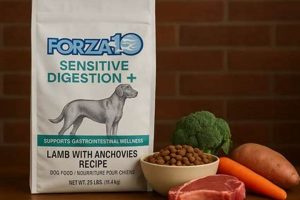
A canine diet that minimizes rapid spikes in blood sugar levels after consumption is formulated using ingredients with a low glycemic index (GI). This approach prioritizes carbohydrates that are digested and absorbed slowly, resulting in a more gradual and sustained release of glucose into the bloodstream. Examples of ingredients often found in these diets include lentils, beans, and sweet potatoes, which are metabolized at a slower rate compared to grains like white rice or corn.
The significance of controlling postprandial blood glucose in canines is multifaceted. Historically, such dietary considerations were primarily aimed at managing diabetes mellitus in dogs. However, the benefits extend beyond diabetic canines; maintaining stable blood sugar levels can contribute to improved weight management, enhanced energy levels, and potentially reduced risk of developing insulin resistance over time. Some proponents also suggest a positive impact on cognitive function and overall metabolic health.
Further discussion will explore the specific benefits of carbohydrate selection for canine nutrition, examining appropriate ingredient choices, and detailing practical strategies for incorporating a lower-GI approach into a canine’s feeding regimen. Considerations regarding breed-specific needs and potential contraindications will also be addressed, ensuring a balanced and informed perspective.
Considerations for Canine Diets with Reduced Glycemic Impact
Implementing a dietary strategy designed to minimize glycemic response in canines requires careful planning and execution. The following tips provide guidance for making informed decisions regarding food selection and feeding practices.
Tip 1: Ingredient Selection Matters: Prioritize ingredients known for their lower glycemic index. Lentils, beans, and certain vegetables like sweet potatoes generally result in a slower glucose release compared to rice, corn, and wheat.
Tip 2: Fiber Content is Crucial: Diets rich in soluble fiber can slow carbohydrate absorption. Incorporate ingredients like beet pulp or psyllium husk to enhance the fiber content of the canine’s food.
Tip 3: Protein and Fat’s Role: Ensure an adequate balance of protein and fat. These macronutrients contribute to satiety and can moderate the glycemic response of a meal.
Tip 4: Portion Control is Essential: Even with ingredients of lower glycemic index, overfeeding can still lead to elevated blood sugar. Adhere to appropriate portion sizes based on the canine’s weight, age, and activity level.
Tip 5: Regular Blood Glucose Monitoring: For canines with diabetes or other metabolic concerns, regular monitoring of blood glucose levels is imperative to assess the effectiveness of the dietary modifications. Consult with a veterinarian to establish a suitable monitoring schedule.
Tip 6: Transition Gradually: Implement dietary changes gradually to minimize digestive upset. A gradual transition over a period of one to two weeks is generally recommended.
Tip 7: Consider Commercial Formulations Carefully: When selecting commercial canine food, meticulously review the ingredient list and nutritional information. Seek out formulations specifically designed for glycemic control and supported by scientific evidence.
Adhering to these considerations can facilitate a more stable blood glucose profile and contribute to the overall health and well-being of canines, particularly those with specific metabolic needs. The principles outlined are intended to complement, not replace, professional veterinary advice.
The next section will delve into the potential benefits and limitations of various dietary approaches to glycemic management in canines, further clarifying the practical application of these principles.
1. Blood Sugar Stability

Blood sugar stability, the maintenance of blood glucose levels within a narrow physiological range, is a primary objective of dietary management for canines, particularly those with diabetes mellitus or at risk of developing insulin resistance. Dog food formulated with a low glycemic index (GI) is specifically designed to mitigate rapid fluctuations in blood glucose. The underlying principle is that slowly digested carbohydrates, such as those found in lentils, beans, and sweet potatoes, release glucose gradually into the bloodstream, preventing sharp spikes and subsequent crashes in blood sugar. A canine consuming a diet high in rapidly digestible carbohydrates, like white rice or corn, experiences a rapid influx of glucose, prompting a surge in insulin secretion. This can lead to a reactive hypoglycemia as insulin clears the excess glucose, potentially causing lethargy and increased hunger.
The importance of blood sugar stability extends beyond the management of diabetes. Consistent glucose levels contribute to more stable energy levels throughout the day, reducing hyperactivity associated with high-GI diets. For example, a working dog fed a low-GI diet may exhibit more sustained endurance compared to one fed a high-GI diet. Moreover, maintaining stable blood sugar can aid in weight management. The avoidance of rapid glucose spikes reduces the likelihood of excess glucose being converted and stored as fat. Canines prone to obesity may benefit from the reduced insulin response associated with diets formulated using lower-GI ingredients. The connection between a low-GI diet and blood sugar stability is a critical consideration in formulating appropriate nutritional plans for canines with specific metabolic needs.
In summary, the role of dog food with a low glycemic index in promoting blood sugar stability is significant. By prioritizing slowly digested carbohydrates and avoiding rapidly absorbed sugars, such diets help prevent dramatic fluctuations in blood glucose levels, leading to more consistent energy, improved weight management, and enhanced overall metabolic health. The practical application of this understanding allows veterinarians and canine owners to make informed dietary choices, optimizing the health and well-being of their animals.
2. Sustained Energy Release

Dog food with a low glycemic index (GI) facilitates a sustained release of energy due to the slow digestion and absorption of its constituent carbohydrates. The selection of ingredients with a lower GI, such as lentils and sweet potatoes, results in a gradual increase in blood glucose levels following ingestion. This contrasts with the rapid glucose spike associated with high-GI carbohydrates like corn and white rice. The consequence of this slower absorption rate is a more consistent and prolonged supply of energy to the canine’s cells, mitigating the fluctuations in energy levels that can occur with rapidly digestible carbohydrates. Sustained energy release is an inherent component of low-GI dog food, representing a direct consequence of its formulation.
The practical significance of sustained energy release is observed in various canine activities and conditions. For active working dogs, a low-GI diet can promote consistent performance over extended periods, preventing the energy dips that can compromise their abilities. For example, a search and rescue dog on a low-GI diet may maintain focus and endurance during a prolonged search operation. Similarly, for canines with diabetes mellitus, the controlled release of glucose helps to regulate blood sugar levels, reducing the risk of hyperglycemia and hypoglycemia episodes. Furthermore, even in less active canines, a low-GI diet can contribute to a more stable mood and reduced instances of energy-driven hyperactivity. The slow and steady energy release also aids in weight management by promoting satiety, potentially reducing overeating.
In conclusion, the connection between low-GI dog food and sustained energy release is characterized by a cause-and-effect relationship inherent in the food’s composition. Sustained energy release is not merely a desirable attribute but a defining characteristic of such diets, contributing significantly to improved performance in active canines, better glucose control in diabetic canines, and overall metabolic stability in a wider range of canines. While individual responses may vary depending on factors such as breed and activity level, the understanding of this relationship is crucial for making informed decisions regarding canine nutrition and well-being.
3. Weight Management Support
Dietary strategies employing ingredients with a low glycemic index contribute to effective weight management in canines. The causal relationship stems from the slower digestion and absorption rates of carbohydrates present in such diets. Consequently, blood glucose levels rise gradually, leading to a more moderate insulin response. This contrasts with the rapid glucose spikes and subsequent insulin surges triggered by high-glycemic index foods, which can promote fat storage. The importance of weight management support as a component of the low glycemic index dietary approach lies in its ability to mitigate the risk of obesity-related complications, such as diabetes mellitus, osteoarthritis, and cardiovascular disease.
Further support for weight management derives from the satiating effect of low-glycemic index carbohydrates. The slower digestion process extends the feeling of fullness, potentially reducing overall food intake. This is particularly relevant in canines predisposed to overeating. Real-life examples include overweight Labrador Retrievers successfully losing weight on controlled low-glycemic index diets, demonstrating improved body condition scores and increased activity levels. Furthermore, the regulated insulin response associated with these diets helps prevent the rapid fluctuations in blood sugar that can trigger cravings and hunger, thus supporting long-term weight maintenance. The practical significance of this understanding is reflected in the increasing availability of commercially formulated canine diets emphasizing low-glycemic index ingredients, providing veterinarians and owners with readily accessible tools for managing canine weight.
In conclusion, weight management support is an integral function of low glycemic index dog food, achieved through a combination of moderated insulin response, enhanced satiety, and reduced risk of excess fat storage. While dietary intervention alone may not be sufficient in all cases, the incorporation of low glycemic index principles into a comprehensive weight management plan, including exercise and behavioral modifications, offers a scientifically supported approach to promoting and maintaining optimal canine body weight. Challenges may arise in palatability or specific breed sensitivities, necessitating careful ingredient selection and close veterinary supervision.
4. Insulin Sensitivity Improvement

Low glycemic index (GI) dog food is formulated to promote insulin sensitivity, a crucial physiological process that enables cells to effectively utilize glucose for energy. The underlying mechanism involves the controlled release of glucose into the bloodstream following consumption. Unlike high-GI foods that cause rapid spikes in blood sugar and subsequent insulin surges, low-GI diets result in a gradual and sustained release of glucose, minimizing the burden on the pancreas and reducing the risk of insulin resistance. Insulin resistance occurs when cells become less responsive to insulin’s signaling, requiring the pancreas to produce more insulin to achieve the same glucose-lowering effect. Prolonged insulin resistance can lead to Type 2 diabetes mellitus. Therefore, insulin sensitivity improvement is a key benefit of low-GI dog food, playing a significant role in preventing or managing glucose dysregulation.
Improved insulin sensitivity translates to tangible health benefits for canines. In diabetic dogs, a low-GI diet often leads to reduced insulin requirements and improved glycemic control, lessening the frequency and severity of hyperglycemic and hypoglycemic episodes. For overweight or obese dogs, enhancing insulin sensitivity can promote more efficient fat metabolism and contribute to weight loss. A study involving overweight Beagles demonstrated that those fed a low-GI diet exhibited improved insulin sensitivity scores compared to those fed a conventional diet, even without significant changes in body weight. The practical application of this knowledge extends to preventive care. Incorporating low-GI ingredients into the diet of predisposed breeds, such as Miniature Poodles and Dachshunds, may delay or prevent the onset of diabetes.
In summary, the connection between low-GI dog food and insulin sensitivity improvement is scientifically supported and clinically relevant. By promoting a more stable glucose response and reducing the demand on the pancreas, these diets play a critical role in maintaining healthy glucose metabolism and mitigating the risk of insulin resistance. While individual responses may vary, the evidence suggests that incorporating low-GI principles into canine nutrition offers a proactive approach to promoting overall metabolic health and preventing or managing diabetes. Challenges may include ensuring palatability and adjusting dietary formulations to meet the specific needs of individual dogs, necessitating close veterinary consultation.
5. Digestive Health Promotion
Dietary strategies employing a low glycemic index not only impact blood sugar regulation but also significantly influence canine digestive health. The incorporation of specific fiber types and nutrient profiles inherent in these diets can exert a demonstrably positive effect on gastrointestinal function, influencing stool quality, microbial balance, and nutrient absorption.
- Increased Fiber Content and Stool Quality
Low glycemic index dog food often incorporates higher levels of dietary fiber, particularly insoluble fiber sources like beet pulp. Insoluble fiber increases fecal bulk, promoting regular bowel movements and reducing the incidence of constipation. Well-formed stools are easier to pass, minimizing straining and associated anal gland issues. For example, canines with a history of anal sac impaction may benefit from the increased fecal bulk provided by these diets.
- Prebiotic Effects and Gut Microbiome Modulation
Certain low glycemic index ingredients, such as chicory root and specific legumes, contain prebiotic fibers that selectively nourish beneficial gut bacteria. These prebiotics promote the growth of bacteria like Bifidobacteria and Lactobacilli, which contribute to a balanced gut microbiome. A healthy gut microbiome aids in digestion, nutrient absorption, and immune system function. Disruptions in the microbiome have been linked to various digestive issues, including inflammatory bowel disease.
- Reduced Risk of Fermentation and Gas Production
Rapidly fermentable carbohydrates, often found in high glycemic index dog foods, can lead to excessive gas production in the colon. This fermentation process results in the formation of gases like hydrogen sulfide, methane, and carbon dioxide, causing flatulence and abdominal discomfort. The slower digestion and absorption of carbohydrates in low glycemic index foods reduce the amount of substrate available for colonic fermentation, minimizing gas production.
- Enhanced Nutrient Absorption
A balanced gut microbiome and healthy intestinal lining are essential for optimal nutrient absorption. The prebiotic effects and reduced fermentation associated with low glycemic index dog food can promote a healthier gut environment, facilitating the absorption of essential nutrients like vitamins, minerals, and amino acids. Improved nutrient absorption contributes to overall canine health and vitality, impacting coat quality, immune function, and energy levels.
The digestive health benefits associated with low glycemic index dog food are multifaceted, encompassing stool quality improvement, microbiome modulation, reduced gas production, and enhanced nutrient absorption. These factors collectively contribute to a healthier gastrointestinal tract, promoting overall canine well-being. However, individual sensitivities to specific ingredients can vary, necessitating a gradual dietary transition and careful monitoring of stool consistency and digestive comfort. Veterinary consultation is recommended to ensure the selection of an appropriate diet tailored to the individual canine’s needs.
6. Diabetes Dietary Management

Diabetes mellitus in canines necessitates a comprehensive management strategy, with dietary intervention forming a cornerstone of treatment. The relationship between diabetes dietary management and dog food formulated with a low glycemic index is a direct and clinically significant one. Low glycemic index diets mitigate postprandial hyperglycemia, a key concern in diabetic canines. The controlled release of glucose minimizes fluctuations in blood sugar levels, reducing the burden on the pancreas and improving overall glycemic control. This dietary approach aims to minimize blood sugar spikes after a meal and maintain a more stable blood glucose concentration throughout the day. The consequence is reduced reliance on exogenous insulin, improved energy levels, and a decreased risk of diabetic complications.
The importance of low glycemic index dog food in diabetes management is highlighted by numerous clinical trials. Studies demonstrate that diabetic canines fed these diets exhibit reduced insulin requirements compared to those fed conventional diets. Furthermore, owners often report improved quality of life in their diabetic canines, characterized by increased activity levels, reduced lethargy, and better appetite regulation. For example, a diabetic Miniature Schnauzer, previously requiring twice-daily insulin injections and experiencing frequent hypoglycemic episodes, may achieve better glycemic control and require a lower insulin dose after transitioning to a formulated low glycemic index diet. This dietary adjustment, in conjunction with regular monitoring and veterinary supervision, illustrates the practical application of these principles. Specific formulation considerations, such as the inclusion of L-carnitine to support fat metabolism and antioxidants to mitigate oxidative stress, further enhance the therapeutic benefits.
In conclusion, the role of low glycemic index dog food in diabetes dietary management is integral and evidence-based. The controlled glucose release afforded by these diets results in improved glycemic control, reduced insulin requirements, and enhanced quality of life for diabetic canines. Challenges may arise in ensuring palatability and addressing individual sensitivities. However, with careful ingredient selection, appropriate monitoring, and collaborative management between owners and veterinarians, low glycemic index diets offer a powerful tool in the comprehensive management of canine diabetes mellitus.
Frequently Asked Questions About Dog Food with a Low Glycemic Index
The following addresses common inquiries regarding the formulation, benefits, and practical considerations associated with incorporating dog food formulated with a low glycemic index into a canine’s diet.
Question 1: What exactly constitutes “low glycemic index” in the context of canine food?
The term refers to a diet formulated to minimize rapid elevations in blood glucose levels after ingestion. This is achieved by using carbohydrates that are digested and absorbed slowly, resulting in a more gradual and sustained release of glucose into the bloodstream. These food contains more complex carbs like sweet potatoes and lentils that results to low GI.
Question 2: Are there specific canine breeds that benefit more from this type of diet?
While all canines can potentially benefit, those with diabetes mellitus, insulin resistance, or a predisposition to obesity are particularly well-suited for diets emphasizing low glycemic index ingredients. Certain breeds, such as Miniature Poodles and Dachshunds, are also more prone to diabetes and may benefit from preventive dietary measures.
Question 3: How does low glycemic index dog food impact weight management in canines?
By promoting a more stable blood glucose response, this dietary approach can help prevent the rapid fluctuations in insulin that contribute to fat storage. Additionally, the higher fiber content often found in these diets can promote satiety, potentially reducing overeating and supporting weight loss or maintenance.
Question 4: Can a switch to a low glycemic index diet eliminate the need for insulin in diabetic canines?
While a low glycemic index diet can often reduce insulin requirements in diabetic canines, it rarely eliminates the need for insulin altogether. Individual responses vary, and close monitoring of blood glucose levels, along with ongoing veterinary supervision, is essential.
Question 5: What are the key ingredients to look for when selecting low glycemic index dog food?
Prioritize ingredients such as lentils, beans, sweet potatoes, and oats. Also, avoid foods with corn, wheat, and soy. It is important to verify the nutritional information label.
Question 6: Are there any potential drawbacks or considerations when transitioning a canine to a low glycemic index diet?
Some canines may experience digestive upset during the initial transition period. Gradual dietary changes are essential to minimize gastrointestinal distress. In addition, ensure adequate protein and fat levels to maintain nutritional balance.
In summary, incorporating low glycemic index principles into canine nutrition offers a multifaceted approach to promoting overall health and well-being, with particular benefits for canines with diabetes, obesity, or related metabolic conditions. Careful ingredient selection, gradual dietary transitions, and ongoing veterinary consultation are paramount for optimizing outcomes.
The subsequent section delves into resources and where to seek additional guidance for proper canine dietary practices.
Conclusion
This exploration of low glycemic index dog food highlights its multifaceted impact on canine health. By prioritizing controlled glucose release, such diets offer benefits ranging from enhanced blood sugar stability and improved insulin sensitivity to weight management support and digestive health promotion. The evidence suggests that low glycemic index dog food can play a crucial role in the dietary management of conditions such as diabetes mellitus, as well as in preventative care for predisposed breeds.
The principles outlined herein should serve as a foundation for informed decision-making regarding canine nutrition. Continued research and refinement of dietary strategies will further optimize the application of low glycemic index principles in promoting the long-term health and well-being of canines. A proactive approach, guided by veterinary expertise, remains paramount in ensuring the successful implementation of these dietary modifications.
![Nutro: Best Small Breed Dog Food [Expert Tips] | World’s Most Delicious Foods: Must-Try Dishes from Every Country](https://lisasfoods.com/wp-content/uploads/2026/05/th-346-300x200.jpg "Nutro: Best Small Breed Dog Food [Expert Tips] World’s Most Delicious Foods: Must-Try Dishes from Every Country")