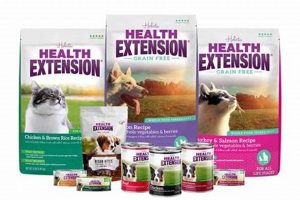
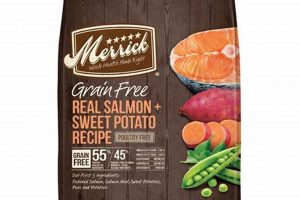
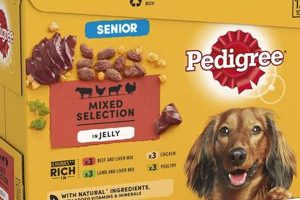
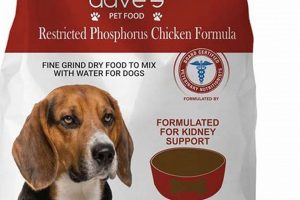
A common ingredient in pet food formulations, it is a product created by grinding animal bones. The resulting powder is then added to various canine diets as a supplementary source of minerals. For example, some commercially available kibble includes this ingredient to boost its overall nutritional profile.
Its inclusion is primarily driven by the need to provide calcium and phosphorus, both crucial elements for skeletal health and various physiological functions. Historically, it offered a readily available and inexpensive means of supplementing these essential minerals in animal feed, addressing potential deficiencies and supporting healthy growth and maintenance.
The following sections will delve deeper into the specific nutritional contributions of this ingredient, examine potential concerns regarding its use, and explore regulatory considerations surrounding its incorporation in commercially available dog food products.
Considerations for Utilizing Bone Meal in Canine Diets
The addition of supplemental bone-derived ingredients into a dog’s diet can offer notable advantages; however, responsible and informed use is paramount to ensuring optimal health and safety.
Tip 1: Source Verification: Prioritize products that clearly state the origin and processing methods of the bone ingredients. Reputable manufacturers adhere to stringent quality control measures, minimizing the risk of contamination.
Tip 2: Dosage Adherence: Strictly adhere to the feeding guidelines provided by the manufacturer or a veterinary nutritionist. Excessive intake of calcium and phosphorus can disrupt mineral balance and contribute to skeletal abnormalities.
Tip 3: Breed-Specific Considerations: Large and giant breed puppies are particularly susceptible to skeletal issues resulting from improper mineral ratios. Consult with a veterinarian regarding appropriate supplementation for these breeds.
Tip 4: Pre-Existing Conditions: Exercise caution when supplementing dogs with pre-existing kidney or liver conditions. These organs play a crucial role in mineral metabolism, and imbalances can exacerbate existing health problems.
Tip 5: Interaction with Other Supplements: Be mindful of potential interactions between bone meal and other supplements, particularly those containing calcium, phosphorus, or Vitamin D. Overlapping supplementation can lead to mineral toxicity.
Tip 6: Consider Alternatives: If concerns about the source or processing of bone arise, explore alternative calcium and phosphorus sources such as dicalcium phosphate or eggshell powder, under veterinary guidance.
Tip 7: Monitor for Adverse Reactions: Observe the dog for any signs of adverse reactions, such as digestive upset or changes in stool consistency, following the introduction of supplemental bone ingredients.
Responsible implementation of these considerations will mitigate potential risks, ensuring this dietary addition provides the intended nutritional benefits for canine well-being.
Moving forward, this article will address potential controversies surrounding the ingredient’s safety and explore regulatory oversight mechanisms governing its use in commercial pet food production.
1. Mineral Composition

The mineral composition of animal-derived ingredients directly affects its nutritional value when incorporated into canine diets. The ingredient serves primarily as a source of calcium and phosphorus, both essential minerals for skeletal development and maintenance, nerve function, and various metabolic processes. An imbalance in these minerals, particularly an excess or deficiency of either, can have detrimental effects on a dog’s health, especially during growth phases. The ratio of calcium to phosphorus is crucial; an ideal range typically falls between 1:1 and 2:1. The mineral content can vary depending on factors such as the animal source, age of the animal at slaughter, and processing methods used. For example, bones from older animals may have a different mineral density compared to those from younger animals.
Manufacturers must carefully analyze and standardize the mineral content to ensure that the final product meets the nutritional requirements for dogs at different life stages. Failure to do so can lead to conditions such as nutritional secondary hyperparathyroidism, a disease characterized by bone demineralization caused by a calcium deficiency or an imbalanced calcium-to-phosphorus ratio. Therefore, accurate knowledge of the mineral composition is paramount for formulating balanced and safe canine diets. Proper inclusion levels must be calculated based on the overall diet and the specific needs of the dog.
In summary, the mineral composition of animal-derived ingredients is a critical determinant of its suitability for use in canine nutrition. Maintaining a balanced calcium-to-phosphorus ratio is essential for preventing skeletal disorders and promoting overall health. Manufacturers and consumers alike must be aware of the factors that influence the mineral content and choose products that have been rigorously tested and formulated to meet established nutritional guidelines. This understanding also extends to veterinary professionals who are essential when determining optimal nutrition for pets with unique health concerns.
2. Source Reliability

Source reliability is a paramount consideration when evaluating the safety and suitability of bone ingredients for inclusion in canine diets. The origin and processing methods employed by the supplier directly influence the potential for contamination and the overall nutritional value of the final product. Therefore, rigorous assessment of source reliability is essential for manufacturers and informed consumers alike.
- Geographic Origin and Disease Prevalence
The geographic origin of the bones significantly impacts the risk of contamination with infectious agents. Bones sourced from regions with a high prevalence of diseases, such as Bovine Spongiform Encephalopathy (BSE), pose a potential health hazard. Reputable suppliers implement strict sourcing protocols to exclude materials from high-risk areas, mitigating the risk of disease transmission.
- Animal Welfare Standards
Ethical sourcing practices are increasingly important to consumers. Suppliers committed to animal welfare adhere to humane slaughter and handling protocols. Transparency regarding animal welfare practices enhances the credibility and trustworthiness of the bone meal source.
- Traceability and Documentation
A reliable source maintains comprehensive traceability documentation, allowing for the tracking of bones from origin to processing. This documentation should include details on the animal’s health status, processing methods, and quality control measures. Thorough documentation facilitates rapid identification and recall of potentially contaminated batches.
- Supplier Audits and Certifications
Independent audits and certifications provide an objective assessment of a supplier’s adherence to quality and safety standards. Certifications such as ISO 22000 or equivalent demonstrate a commitment to food safety management systems. Regular audits ensure ongoing compliance and identify areas for improvement.
The facets outlined above demonstrate how sourcing practices directly influence the integrity of ingredients intended for canine consumption. Prioritizing verifiable sources and transparent production processes allows dog food manufacturers to produce better products. This then allows consumers to make informed decisions regarding the safety and nutritional quality of their dogs’ diets.
3. Processing Methods
Processing methodologies exert a profound influence on the safety, bioavailability, and overall nutritional quality of bone ingredients incorporated into canine diets. The specific techniques employed during processing determine the presence of potential contaminants, the digestibility of key nutrients, and the final mineral composition of the product. Thus, understanding these methods is crucial for assessing the suitability of bone meal for canine consumption.
- Rendering and Defatting
Rendering, a common initial step, involves heating bones to separate fat and protein from the mineral matrix. The temperature and duration of heating can significantly affect the integrity of proteins and the bioavailability of minerals. Excessive heating may denature proteins and reduce their digestibility, while inadequate rendering can leave residual fat, potentially leading to rancidity and reduced shelf life. Defatting, which removes excess fat, is typically performed using solvents or mechanical pressing. Solvent residues, if not properly removed, can pose a health risk. Therefore, careful control of temperature, time, and solvent usage is essential during rendering and defatting.
- Grinding and Particle Size Reduction
The particle size of the final product influences its digestibility and palatability. Finer particles offer a larger surface area for enzymatic digestion in the canine gastrointestinal tract, potentially enhancing mineral absorption. However, excessively fine particles can lead to dustiness and handling challenges during manufacturing. Grinding methods, such as hammer milling or ball milling, impact the uniformity and consistency of particle size. Manufacturers must balance the benefits of increased surface area with the practical considerations of handling and processing.
- Sterilization and Pathogen Reduction
Sterilization is a critical step to eliminate potential pathogens, such as bacteria and viruses, from the bone material. Methods include autoclaving, irradiation, and chemical treatments. Autoclaving involves heating the material under pressure, effectively killing most microorganisms. Irradiation utilizes ionizing radiation to disrupt the DNA of pathogens. Chemical treatments, such as ethylene oxide fumigation, are less common due to potential safety concerns. The chosen sterilization method must be effective in eliminating pathogens without compromising the nutritional value of the product.
- Quality Control and Testing
Rigorous quality control and testing procedures are essential to ensure the safety and consistency of the final product. These procedures include testing for heavy metals, such as lead and arsenic, as well as microbial contaminants and nutrient composition. Regular testing throughout the processing stages helps to identify and correct any deviations from established standards. Comprehensive documentation of quality control measures is crucial for traceability and accountability.
In conclusion, processing methodologies significantly impact the quality and safety of bone ingredients incorporated into canine diets. By optimizing rendering, grinding, sterilization, and quality control procedures, manufacturers can produce bone meal that is both nutritious and free from harmful contaminants. Therefore, careful selection of suppliers with robust processing protocols is paramount for ensuring the health and well-being of canine consumers.
4. Digestibility

Digestibility plays a pivotal role in determining the nutritional value of animal-derived ingredients within canine diets. The extent to which a dog can effectively break down and absorb the minerals and nutrients present in bone impacts its overall health and well-being. Poor digestibility negates potential benefits, rendering the ingredient nutritionally inert, or even potentially harmful due to the undigested material affecting the digestive system.
Several factors influence its digestibility. Particle size, for instance, directly affects the surface area available for enzymatic action within the digestive tract. Finer particles generally exhibit greater digestibility compared to coarser ones. The processing method employed during production also significantly impacts digestibility. Excessive heating, as may occur during rendering, can denature proteins and reduce the bioavailability of minerals. Conversely, insufficient processing may leave residual organic matter that inhibits digestion. The inherent composition of the ingredient, including the mineral matrix and the presence of organic compounds, contributes to its digestibility. Age and health of the dog also plays a role.
Optimizing digestibility necessitates careful selection of processing techniques and particle size reduction methods. Manufacturers should employ techniques that minimize protein denaturation and maximize mineral bioavailability. Furthermore, routine digestibility testing is essential to ensure that the ingredient meets established nutritional standards. Poor digestibility of a specific bone ingredient can cause digestive upset; in contrast, another, with superior digestibility, can deliver the necessary minerals for skeletal health. Prioritizing digestibility is crucial for maximizing the nutritional benefits and mitigating potential adverse effects associated with this type of ingredient in canine diets.
5. Dosage Control

Precise dosage control is a critical factor in the safe and effective utilization of bone ingredients in canine diets. Imbalances in mineral intake, stemming from improper dosage, can have detrimental effects on skeletal health and overall physiological function. Therefore, meticulous attention to dosage guidelines is essential.
- Calcium-Phosphorus Ratio Maintenance
The primary objective of dosage control is to maintain a balanced calcium-to-phosphorus ratio within the dog’s overall diet. An excess of either mineral can disrupt the delicate equilibrium and lead to skeletal abnormalities, such as nutritional secondary hyperparathyroidism or hypertrophic osteodystrophy. Dosage recommendations are typically formulated to complement the existing mineral content of the base diet, ensuring that the final ratio falls within the optimal range.
- Breed and Life Stage Considerations
Dosage requirements vary significantly depending on the dog’s breed, size, and life stage. Large and giant breed puppies, in particular, are highly sensitive to mineral imbalances due to their rapid growth rates. Puppies require different dosages than adult dogs. Likewise, senior dogs with compromised kidney function may necessitate adjustments to mineral intake. Veterinarians can offer tailored dosage recommendations based on individual needs.
- Interaction with Other Supplements
Careful consideration must be given to potential interactions between supplemental bone ingredients and other dietary supplements. Concurrent administration of calcium, phosphorus, or Vitamin D supplements can increase the risk of mineral toxicity. Reviewing the complete dietary profile, including all supplements, is essential for determining the appropriate dosage of supplemental bone.
- Monitoring for Adverse Effects
Even with careful dosage control, monitoring for adverse effects is crucial. Signs of mineral imbalance can include digestive upset, changes in stool consistency, lameness, or skeletal pain. If any of these symptoms are observed, dosage adjustments or discontinuation of the bone product should be considered, under veterinary guidance.
In summary, dosage control represents a critical aspect of responsible nutritional management when incorporating mineral-rich ingredients into canine diets. Careful attention to mineral balance, breed-specific needs, supplement interactions, and monitoring for adverse effects is essential for optimizing health outcomes and preventing potential complications. Prioritizing veterinary consultation allows owners to provide customized and safe nutritional support.
6. Regulatory Standards
The inclusion of bone-derived ingredients in commercial canine food formulations is subject to stringent regulatory oversight to ensure product safety and nutritional adequacy. These standards dictate acceptable sourcing practices, processing methods, and compositional requirements, all designed to protect the health and well-being of canine consumers.
- Feed Ingredient Definitions
Regulatory bodies, such as the Association of American Feed Control Officials (AAFCO), establish definitions for permitted feed ingredients. These definitions outline specific requirements for the source, composition, and processing of bone ingredients, ensuring consistency and preventing the use of substandard or adulterated materials. Compliance with AAFCO definitions is often a prerequisite for market access in many jurisdictions.
- Contaminant Limits
Regulations impose strict limits on the permissible levels of contaminants in animal feed ingredients, including bone-derived products. These contaminants may include heavy metals (e.g., lead, arsenic), microbial pathogens (e.g., Salmonella, E. coli), and pesticide residues. Regular testing and monitoring are mandated to ensure that bone meals meet established safety thresholds, minimizing the risk of adverse health effects.
- Processing Requirements
Regulatory standards specify acceptable processing methods for bone. These include rendering, sterilization, and grinding, each of which must be conducted in a manner that effectively eliminates pathogens and preserves nutritional value. Adherence to prescribed processing parameters is essential for ensuring the safety and digestibility of the final product.
- Labeling Requirements
Regulations mandate specific labeling requirements for pet food products containing bone. Accurate and transparent labeling informs consumers about the presence of this ingredient, its intended purpose, and any potential risks or precautions. Mandatory labeling contributes to consumer empowerment and informed decision-making.
These regulatory mechanisms collectively serve to govern the responsible and safe utilization of mineral-rich ingredients in canine diets. Continued adherence to and enforcement of these standards are essential for maintaining consumer trust and safeguarding animal health within the pet food industry.
Frequently Asked Questions about Bone Meal in Dog Food
The following section addresses common inquiries and concerns surrounding the inclusion of bone-derived ingredients in canine diets. The aim is to provide clear, evidence-based information to promote informed decision-making.
Question 1: Is “bone meal in dog food” safe for canines?
When sourced from reputable suppliers and processed according to established safety standards, it can be a safe and beneficial ingredient. The safety depends heavily on the source and processing methods employed. Regulatory oversight and quality control measures are critical.
Question 2: What are the primary nutritional benefits of including this ingredient in dog food?
The primary benefit lies in its contribution of calcium and phosphorus, two essential minerals for skeletal health, nerve function, and various metabolic processes. A balanced calcium-to-phosphorus ratio is crucial for preventing skeletal disorders.
Question 3: Are there any potential risks associated with its consumption?
Potential risks include contamination with heavy metals or pathogens, as well as mineral imbalances if dosage guidelines are not followed. Selecting products from reputable manufacturers and adhering to feeding recommendations can mitigate these risks.
Question 4: How does processing affect the safety and nutritional value of this ingredient?
Processing methods, such as rendering and sterilization, influence the presence of contaminants, the digestibility of nutrients, and the final mineral composition. Proper processing is essential for eliminating pathogens and preserving nutritional integrity.
Question 5: Is it appropriate for all life stages and breeds of dogs?
Dosage requirements vary depending on the dog’s breed, size, and life stage. Large and giant breed puppies are particularly sensitive to mineral imbalances. Consultation with a veterinarian is recommended to determine appropriate supplementation levels.
Question 6: How can consumers assess the quality and reliability of products containing it?
Consumers should prioritize products from manufacturers that provide transparent information about sourcing, processing methods, and quality control measures. Look for certifications from independent organizations and consult with a veterinarian for guidance.
The incorporation requires careful consideration of sourcing, processing, and dosage. Prioritizing reputable manufacturers and adhering to veterinary guidance ensures safe and effective utilization.
The following section will summarize the key findings related to the ingredient in canine nutrition.
Conclusion
The preceding exploration reveals that bone meal in dog food presents a complex nutritional consideration. Its value as a source of essential minerals is counterbalanced by the potential for contamination and the necessity for precise dosage control. The origin of the bones, the processing methods employed, and adherence to established regulatory standards are all critical determinants of product safety and efficacy.
Therefore, a discerning approach is warranted. Pet owners are encouraged to prioritize products from reputable manufacturers, consult with veterinary professionals regarding individual canine nutritional needs, and remain vigilant for any signs of adverse reactions. Further research into optimal processing techniques and long-term health outcomes associated with supplemental bone ingredients is essential for advancing the science of canine nutrition and safeguarding animal well-being.