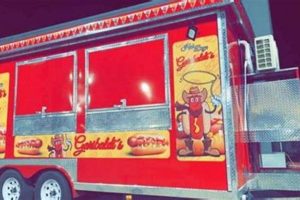
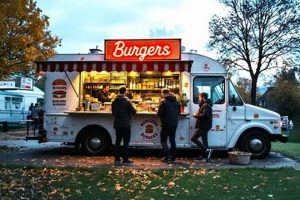
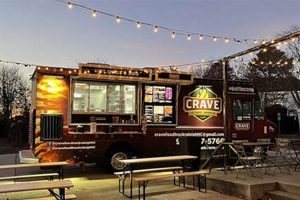
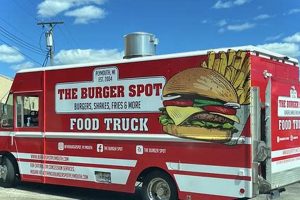
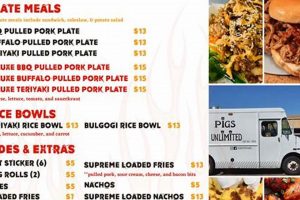
Mobile culinary establishments specializing in familiar, nostalgic dishes have become increasingly prevalent. These businesses offer a menu centered around easily recognizable and emotionally satisfying preparations, often reminiscent of home-cooked meals. Examples include variations on macaroni and cheese, grilled cheese sandwiches, and hearty stews, delivered directly to customers.
The significance of these mobile kitchens lies in their ability to provide readily accessible and affordable options for individuals seeking a sense of well-being through food. Their operational flexibility allows them to cater to diverse locations and events, bringing familiar flavors to communities and gatherings. Historically, the appeal of such food stems from its association with positive memories and a sense of security, offering a respite from the stresses of daily life. This concept extends from traditional eateries to the streamlined efficiency of a portable format.
Given their growing popularity and cultural relevance, further examination of operational strategies, menu development, and marketing techniques specific to these mobile vendors is warranted. This analysis can illuminate the factors contributing to their success and provide insights for aspiring entrepreneurs in this dynamic culinary sector.
Tips for Mobile Comfort Food Vendors
Effective operation of a mobile culinary business focused on familiar, satisfying dishes requires careful planning and execution. The following tips provide a foundation for success in this competitive market.
Tip 1: Menu Optimization: Carefully curate the menu to feature classic dishes while incorporating unique variations. For example, offer a standard macaroni and cheese alongside a gourmet version with truffle oil and artisanal cheeses. This approach caters to both traditional tastes and adventurous palates.
Tip 2: Location Strategy: Conduct thorough research to identify locations with high foot traffic and minimal competition. Consider proximity to office buildings, residential areas, and event venues. Secure necessary permits and adhere to local regulations.
Tip 3: Efficient Kitchen Design: Maximize the limited space within the mobile unit by implementing a well-organized and ergonomic kitchen layout. Invest in high-quality, multi-functional equipment to streamline food preparation and minimize waste.
Tip 4: Quality Ingredients Sourcing: Prioritize the use of fresh, locally sourced ingredients whenever possible. This not only enhances the flavor and quality of the dishes but also supports local farmers and producers.
Tip 5: Strategic Pricing: Establish a pricing strategy that balances profitability with affordability. Analyze competitor pricing and consider offering value-added deals or combo meals to attract customers.
Tip 6: Branding and Marketing: Develop a strong brand identity that reflects the essence of the comfort food concept. Utilize social media platforms to engage with customers, promote specials, and announce locations.
Tip 7: Exceptional Customer Service: Provide prompt, friendly, and attentive service to create a positive customer experience. Train staff to handle customer inquiries and address any concerns effectively.
Tip 8: Compliance and Safety: Adhere to all health and safety regulations to ensure food safety and prevent potential liabilities. Implement rigorous cleaning and sanitation protocols.
By implementing these strategies, mobile culinary businesses specializing in familiar, satisfying dishes can enhance their operational efficiency, attract a loyal customer base, and achieve sustainable growth.
Consider further research into menu development trends and customer relationship management for sustained success.
1. Menu Nostalgia

The selection of dishes characterized by their ability to evoke positive memories or associations is a cornerstone of the mobile culinary enterprise focused on comforting, familiar flavors. This “Menu Nostalgia” directly influences the consumer’s perception of the offering, shaping their decision to patronize the establishment. The cause-and-effect relationship is evident: A menu featuring items reminiscent of childhood favorites or regional specialties will attract a clientele seeking a sense of emotional connection through food. Examples include variations of chicken noodle soup, sloppy joes, or regional specialties like New England clam chowder served from a food truck in the Northeast. The absence of such a nostalgic element can reduce the attractiveness of a mobile food vendor, particularly when the core concept centers around familiar flavors.
The importance of this element extends beyond simple consumer preference. “Menu Nostalgia” allows the vendor to differentiate itself in a competitive market. By focusing on specific nostalgic themes perhaps a decade-themed menu (e.g., 1950s diner fare) or a regionally focused selection the food truck can create a unique identity and attract a specific demographic. Practically, this understanding translates into market research: Before launching, the vendor must assess the local population’s culinary preferences and cultural background to determine which nostalgic dishes will resonate most strongly. For example, a food truck operating near a large university might offer elevated versions of dorm-room staples to appeal to students.
In summary, the deliberate incorporation of dishes with positive memory associations is paramount to the success of a mobile vendor specializing in comforting food. Challenges involve accurately identifying and executing nostalgic recipes while maintaining food quality and operational efficiency. This approach links directly to the broader theme of providing accessible emotional well-being through familiar and comforting food experiences.
2. Mobile Accessibility

The concept of “Mobile Accessibility” is intrinsically linked to the operational model of a food truck specializing in familiar, comforting dishes. Its significance lies in the ability to deliver these culinary offerings to diverse locations and customer segments, expanding the reach and impact of the business.
- Geographic Reach
Geographic Reach refers to the ability to extend service beyond a fixed location. Mobile units can operate in areas with limited restaurant options, attend community events, and cater to private gatherings. A food truck can, for example, set up at construction sites during lunch hours or operate at outdoor concerts. This eliminates physical barriers and improves the chances of access by potential customers.
- Event-Driven Deployment
The capacity for Event-Driven Deployment allows a food truck to capitalize on opportunities presented by public gatherings, festivals, and sporting events. A truck specializing in macaroni and cheese can, for example, position itself near a college campus during a football game. This deployment strategy targets specific demographics and occasions, maximizing customer exposure and sales potential.
- Dynamic Service Adjustments
Dynamic Service Adjustments describe the ability to adapt service locations based on real-time demand or customer feedback. A truck specializing in grilled cheese sandwiches can, for example, monitor social media to identify areas where requests are concentrated. This responsive approach optimizes resource allocation and improves customer satisfaction, reducing wait times and increasing service efficiency.
- Reduced Overhead Accessibility
The potential for Reduced Overhead Accessibility can translate to lower prices for consumers. Compared to traditional restaurants, food trucks typically have lower startup and operational costs. A truck selling classic tomato soup and grilled cheese can, for example, offer a more affordable meal option than a brick-and-mortar establishment. This translates into better accessibility for customers with lower disposable incomes.
These facets collectively contribute to the increased reach and inclusivity of the comforting, familiar food offered by mobile vendors. By leveraging strategic location planning and responsive service adjustments, these businesses can effectively expand their customer base and cater to a wider range of needs. The key is balancing accessibility with quality and customer satisfaction to ensure a sustainable operation. The examples mentioned earlier all illustrate how “Mobile Accessibility” positively affects customer reach and financial profit.
3. Ingredient Quality
The selection and utilization of high-quality ingredients directly impacts the perceived value and overall success of mobile culinary businesses specializing in familiar, comforting dishes. The use of superior ingredients elevates the dining experience, distinguishing a “comfort food food truck” from competitors offering similar menu items.
- Enhanced Flavor Profile
The employment of premium ingredients, such as artisanal cheeses, locally sourced produce, and high-grade meats, inherently improves the flavor profiles of dishes. For instance, a grilled cheese sandwich prepared with aged cheddar and crusty sourdough bread will offer a more complex and satisfying taste than one made with processed cheese and standard white bread. This heightened flavor experience reinforces the association between “comfort food” and quality, increasing customer satisfaction.
- Improved Nutritional Value
Focusing on whole, unprocessed ingredients enhances the nutritional content of the dishes. A macaroni and cheese prepared with organic pasta, fresh vegetables, and a reduced-fat cheese sauce offers a healthier alternative to traditional versions laden with preservatives and artificial flavors. This focus appeals to health-conscious consumers seeking familiar flavors with improved nutritional benefits.
- Elevated Perceived Value
Customers are often willing to pay a premium for dishes prepared with high-quality ingredients, perceiving them as a worthwhile investment in their dining experience. A “comfort food food truck” that clearly communicates its commitment to using fresh, locally sourced, or organic ingredients can justify a higher price point compared to competitors using lower-quality alternatives. This perceived value translates into increased customer loyalty and repeat business.
- Strengthened Brand Reputation
A commitment to using quality ingredients contributes to a positive brand reputation. Word-of-mouth referrals and positive online reviews are more likely when customers consistently experience well-prepared dishes using superior ingredients. This strengthened brand reputation enhances the credibility and trustworthiness of the “comfort food food truck,” attracting new customers and fostering long-term success.
The integration of high-quality ingredients is a crucial factor in differentiating and elevating the appeal of a mobile culinary business focused on comforting, familiar dishes. The enhanced flavor profiles, improved nutritional value, elevated perceived value, and strengthened brand reputation associated with superior ingredients all contribute to a more satisfying and sustainable business model.
4. Operational Efficiency

The success of a mobile culinary business specializing in familiar, comforting dishes is fundamentally dependent on “Operational Efficiency.” This encompasses the streamlining of processes from food preparation to customer service, directly influencing profitability and customer satisfaction. Inefficient operations can lead to increased costs, longer wait times, and ultimately, a diminished reputation. The core of a successful “comfort food food truck” resides not only in the appeal of its menu but also in its ability to deliver consistently and quickly.
One critical aspect of “Operational Efficiency” is kitchen layout and equipment selection. A well-designed workspace maximizes the productivity of the staff. For instance, a limited menu, such as focusing solely on variations of grilled cheese, allows for standardized procedures and specialized equipment, reducing preparation time. Implementing a point-of-sale (POS) system that integrates order processing, inventory management, and sales analytics is equally vital. This data-driven approach allows owners to identify popular menu items, optimize ingredient ordering, and refine pricing strategies. A clear example is a “comfort food food truck” utilizing a POS system to track peak hours and adjust staffing levels accordingly, thus minimizing labor costs and wait times.
In conclusion, “Operational Efficiency” is not merely a desirable attribute but a necessity for the sustained viability of a “comfort food food truck”. It encompasses the effective use of space, resources, and technology to deliver a consistent product and positive customer experience. Failure to prioritize “Operational Efficiency” can result in increased costs, decreased customer satisfaction, and ultimately, business failure. The challenge is continually refining processes and adapting to changing customer demands while maintaining the quality and appeal of the comforting cuisine offered. Efficient workflow will enable the staff to serve more customers in a time-saving environment and minimize food spoilage for profit margin.
5. Regulatory Compliance
Adherence to legal and regulatory standards is a non-negotiable aspect of operating any food service business, and a “comfort food food truck” is no exception. “Regulatory Compliance” ensures food safety, fair business practices, and public health, forming the bedrock of a sustainable and reputable operation.
- Health Permits and Inspections
Obtaining and maintaining valid health permits is paramount. Regular inspections by local health departments are conducted to ensure adherence to food handling, storage, and preparation standards. Non-compliance can result in fines, temporary closures, or permanent revocation of permits, crippling the operation of a “comfort food food truck”. Proper record-keeping of food temperatures, sanitation practices, and employee training is essential.
- Zoning and Location Restrictions
Mobile food vendors are subject to zoning regulations that dictate where they can legally operate. These restrictions vary by municipality and may limit operation to specific areas, times, or distances from established businesses. Failure to comply with zoning regulations can lead to fines, impoundment of the vehicle, and legal action. Careful research of local ordinances is necessary before establishing a regular route or attending events.
- Food Safety Certifications
Many jurisdictions require food handlers to obtain certifications demonstrating their knowledge of food safety principles. These certifications, such as ServSafe, cover topics like preventing foodborne illnesses, proper handwashing techniques, and safe food storage practices. Ensuring that all employees possess valid food safety certifications minimizes the risk of food contamination and protects public health.
- Taxation and Business Licensing
Operating a “comfort food food truck” necessitates compliance with federal, state, and local tax laws. This includes obtaining a business license, collecting and remitting sales tax, and paying income taxes. Failure to meet these obligations can result in penalties, interest charges, and legal repercussions. Maintaining accurate financial records and consulting with a tax professional are crucial for ensuring compliance.
These facets of “Regulatory Compliance” are interconnected and vital for the long-term viability of a “comfort food food truck”. Neglecting any one aspect can jeopardize the entire operation. By prioritizing compliance, owners can minimize legal risks, maintain a positive reputation, and ensure the safety and well-being of their customers.
6. Community Engagement

The integration of a mobile culinary business specializing in familiar, comforting dishes within its local environment is crucial for sustained success. “Community Engagement” extends beyond mere transactions, fostering reciprocal relationships that benefit both the business and the communities it serves.
- Local Sourcing Initiatives
Procuring ingredients from local farms and producers directly strengthens the regional economy and reduces environmental impact. A “comfort food food truck” can partner with nearby farms to source seasonal produce, promoting sustainable agriculture and offering customers fresh, high-quality ingredients. For example, a truck featuring tomato soup and grilled cheese might source tomatoes from a local farmer during the summer months, highlighting the origin of the ingredients on its menu.
- Charitable Partnerships
Collaborating with local charities and non-profit organizations allows a “comfort food food truck” to contribute to community well-being. This can involve donating a portion of sales to a specific cause, participating in fundraising events, or providing meals to individuals in need. A truck specializing in macaroni and cheese might partner with a local food bank, donating a percentage of its profits to support their efforts.
- Event Participation and Sponsorships
Actively participating in local events, such as festivals, farmers’ markets, and community gatherings, provides opportunities to connect with potential customers and build brand awareness. Sponsoring local sports teams or community initiatives further demonstrates a commitment to community support. A “comfort food food truck” might participate in a town’s annual food festival, offering its signature dishes and engaging with attendees.
- Interactive Customer Feedback Mechanisms
Soliciting and responding to customer feedback fosters a sense of ownership and involvement within the community. This can involve utilizing social media platforms to gather opinions on new menu items, offering customer surveys, or hosting tasting events. A “comfort food food truck” might use its social media channels to ask customers to vote on their favorite variation of grilled cheese, incorporating the winning recipe into its regular menu.
These facets of “Community Engagement” collectively contribute to building a loyal customer base and establishing a positive reputation within the local area. By actively supporting and interacting with the community, a “comfort food food truck” can cultivate a sense of belonging and mutual benefit, enhancing its long-term sustainability and impact.
7. Brand Identity
The establishment of a robust and distinctive “Brand Identity” is paramount for a “comfort food food truck” seeking to differentiate itself within a competitive market. A well-defined identity transcends mere aesthetics, encompassing the values, personality, and unique selling proposition of the business.
- Visual Representation
The visual elements, including logo design, color palette, and typography, contribute significantly to brand recognition. A “comfort food food truck” might employ a vintage-inspired design with warm, inviting colors to evoke feelings of nostalgia and familiarity. Conversely, a modern, minimalist design could appeal to a different demographic seeking a contemporary take on classic comfort food. Consistency across all marketing materials, from the truck’s exterior to the website and social media profiles, is crucial for reinforcing the brand’s visual identity. For example, consistent design of the “comfort food food truck” will make it easily recognizable in different locations or social media platforms.
- Brand Story and Messaging
The narrative surrounding the “comfort food food truck” plays a vital role in creating an emotional connection with customers. This story might highlight the origin of the recipes, the owner’s passion for comfort food, or the business’s commitment to using locally sourced ingredients. Clear and consistent messaging across all communication channels ensures that the brand’s values and unique selling proposition are effectively conveyed to the target audience. A clear vision to create food for the people to enjoy will have positive impact.
- Customer Experience
Every interaction a customer has with the “comfort food food truck”, from ordering food to interacting with staff, contributes to the overall brand experience. Providing exceptional customer service, offering consistent food quality, and creating a welcoming atmosphere are essential for building brand loyalty. Positive customer experiences generate word-of-mouth referrals and enhance the brand’s reputation. Good customer service will enhance the brand. A customer that feels good will spread positive messages.
- Brand Personality
The brand personality defines the human characteristics associated with the “comfort food food truck”. This could range from being friendly and approachable to being sophisticated and refined. The brand personality should align with the target audience and the overall concept of the business. For example, a “comfort food food truck” aiming to appeal to families might adopt a playful and lighthearted personality, while one targeting young professionals might opt for a more modern and edgy persona. It will also depend on the target customer and culture. The truck can not have a personality that do not respect the culture.
The multifaceted nature of “Brand Identity” necessitates a holistic approach, integrating visual elements, storytelling, customer experience, and brand personality to create a cohesive and memorable brand. The development of a strong and authentic brand identity enables a “comfort food food truck” to attract and retain customers, differentiate itself from competitors, and ultimately achieve long-term success. By carefully crafting and communicating its unique brand identity, a “comfort food food truck” can establish itself as a trusted and beloved culinary destination within the community. For example, the brand story can feature a grandmother sharing family recipes for comfort food or owner passionate to cook from his childhood recipe.
Frequently Asked Questions
The following addresses common inquiries regarding mobile culinary businesses specializing in familiar, comforting dishes.
Question 1: What defines a “comfort food food truck” beyond simply selling food from a mobile unit?
A “comfort food food truck” is distinguished by its menu, which focuses on dishes that evoke positive memories, provide a sense of well-being, and are generally easy to recognize and consume. The mobile aspect allows for greater accessibility and operational flexibility.
Question 2: How does the menu of a “comfort food food truck” differ from that of a general food truck?
The key difference lies in the emphasis on nostalgic and familiar dishes. While a general food truck might offer a diverse range of cuisines, a “comfort food food truck” concentrates on items like grilled cheese sandwiches, macaroni and cheese, and variations of classic soups or stews.
Question 3: What are the primary challenges in operating a mobile business specializing in comforting, familiar dishes?
Challenges include maintaining consistent food quality across various locations, managing inventory within limited space, complying with diverse local regulations, and effectively marketing the business to attract a loyal customer base.
Question 4: How does a mobile culinary business specializing in familiar, comforting dishes ensure food safety and hygiene?
Adherence to strict food safety protocols is essential. This includes obtaining necessary health permits, implementing rigorous cleaning and sanitation procedures, maintaining proper food storage temperatures, and ensuring that all staff members possess valid food safety certifications.
Question 5: What marketing strategies are most effective for a “comfort food food truck”?
Effective marketing strategies include utilizing social media platforms to engage with customers, participating in local events and festivals, offering loyalty programs, and collaborating with other local businesses to cross-promote services.
Question 6: What steps should be taken to ensure regulatory compliance when operating a mobile culinary business focused on familiar dishes?
Thorough research of local ordinances is critical. Obtaining necessary business licenses and health permits, adhering to zoning regulations, and complying with tax laws are essential components of regulatory compliance.
In summary, operating a mobile business specializing in comforting food requires a strategic approach encompassing menu planning, operational efficiency, marketing effectiveness, and regulatory compliance.
The subsequent discussion will address emerging trends and future directions for mobile culinary businesses focused on familiar, comforting dishes.
Conclusion
The preceding analysis has explored the multifaceted aspects of the “comfort food food truck” phenomenon. From menu curation and operational efficiency to regulatory compliance and brand identity, success in this mobile culinary sector demands meticulous planning and execution. The inherent appeal of nostalgic dishes, combined with the accessibility afforded by a mobile platform, presents a unique opportunity for entrepreneurs. However, realizing this potential requires a comprehensive understanding of the challenges and best practices outlined.
The “comfort food food truck” represents more than simply a food vending business; it embodies a cultural phenomenon rooted in the desire for familiar and emotionally satisfying experiences. Future success hinges on adaptation to evolving consumer preferences, technological advancements, and regulatory changes. Continued innovation and a steadfast commitment to quality will determine the longevity and impact of these mobile culinary enterprises within the broader food industry landscape. Aspiring operators should, therefore, diligently research and strategically plan to navigate this competitive market and capitalize on the enduring appeal of comfort food.