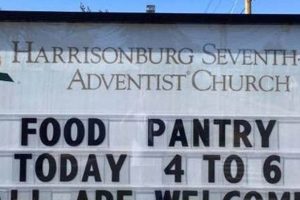
A community-based organization focused on alleviating food insecurity by providing supplemental groceries and essential items to individuals and families in need. These entities typically operate through donations and volunteer efforts, striving to address hunger at the local level. As an example, consider a distribution center where pre-packaged boxes of non-perishable goods are handed out to registered clients weekly.
Such operations play a critical role in supporting vulnerable populations, including low-income families, seniors, and individuals facing unexpected financial hardship. The benefits extend beyond immediate hunger relief, often fostering a sense of community and providing access to additional resources such as nutritional education and job support services. Many trace their origins to grassroots efforts responding to economic downturns or localized crises, evolving over time to become vital components of the social safety net.
The following sections will delve into specific operational aspects, funding models, and community impact assessments related to these vital resources, offering a more detailed understanding of their role in addressing food insecurity.
Essential Guidance for Food Pantry Success
The following provides insights aimed at bolstering the efficiency and effectiveness of charitable food distribution centers.
Tip 1: Prioritize Client Dignity: Implement respectful intake procedures that ensure confidentiality and avoid creating a sense of shame for recipients. For example, utilize private interview spaces and offer a variety of healthy food choices whenever possible.
Tip 2: Strategic Inventory Management: Implement a system for tracking inventory levels and expiration dates to minimize waste. Consider utilizing software solutions or simple spreadsheets to maintain accurate records and ensure timely distribution.
Tip 3: Cultivate Community Partnerships: Establish relationships with local grocery stores, restaurants, and farms to secure donations and reduce food waste. Regularly communicate needs and express gratitude to maintain strong, ongoing partnerships.
Tip 4: Train Volunteers Effectively: Provide comprehensive training to volunteers on food safety, client interaction, and operational procedures. Well-trained volunteers contribute significantly to a positive and efficient environment.
Tip 5: Promote Nutritional Awareness: Offer educational resources on healthy eating and meal planning to empower clients to make informed food choices. Consider partnering with nutritionists or dietitians to provide workshops or one-on-one counseling.
Tip 6: Seek Diverse Funding Streams: Diversify funding sources beyond individual donations to include grants, corporate sponsorships, and fundraising events. This reduces reliance on any single source and promotes long-term sustainability.
Tip 7: Measure and Evaluate Impact: Track key metrics such as the number of households served, the amount of food distributed, and client feedback to assess effectiveness and identify areas for improvement. Use data to inform strategic planning and demonstrate impact to stakeholders.
Implementing these guidelines can significantly enhance the capacity of organizations to serve their communities and address the pervasive issue of food insecurity.
These actionable strategies serve as a foundation for ensuring the continued success and positive influence of initiatives aimed at combating hunger.
1. Community Need Assessment
A community needs assessment forms the bedrock upon which effective and responsive charitable food distribution efforts are built. Without a thorough understanding of the specific food-related challenges facing a community, resources may be misallocated, leading to inefficiencies and a failure to adequately address food insecurity. The assessment process identifies prevalent nutritional gaps, demographic vulnerabilities, and existing support systems. For instance, a neighborhood with a high concentration of senior citizens on fixed incomes might require different food provisions than a community with a large number of families with young children. The former may benefit from easily prepared meals and smaller portion sizes, while the latter might need larger quantities of family-friendly, nutritionally balanced foods.
The lack of a robust community needs assessment can result in a disconnect between the services offered and the actual needs of the population. Imagine a scenario where a food pantry primarily stocks canned goods and processed foods in an area where diabetes rates are high. A proper assessment would reveal this health concern, prompting the pantry to prioritize fresh produce and low-sugar options, thereby promoting better health outcomes. Furthermore, understanding the existing network of support organizations prevents duplication of effort and fosters collaboration. Knowing which agencies already provide meal delivery services or operate weekend feeding programs allows the food pantry to focus on filling gaps and complementing existing initiatives.
In summary, the community needs assessment serves as the critical foundation for a successful and impactful food pantry. It ensures that resources are targeted effectively, that services are tailored to the specific needs of the community, and that the pantry operates as an integral part of a broader network of support. Overlooking this crucial step can undermine the entire operation, leading to wasted resources and a failure to alleviate food insecurity in a meaningful way.
2. Sustainable Food Sourcing

Sustainable food sourcing is an increasingly crucial component of the modern charitable food distribution model. It directly impacts the long-term viability, community support, and nutritional quality provided by organizations such as food pantries. The implementation of sustainable practices ensures a consistent supply of nutritious food while minimizing environmental impact and supporting local economies.
- Local Farm Partnerships
Establishing partnerships with local farms enables food pantries to access fresh produce, reduce transportation costs, and support regional agricultural businesses. For instance, a pantry might contract with a nearby farm to purchase surplus crops at a reduced rate, providing nutritious food to clients while helping the farmer reduce waste. This approach strengthens community ties and promotes a more localized food system.
- Food Waste Reduction Initiatives
Participating in food recovery programs, such as rescuing edible food from grocery stores, restaurants, and catering events, diverts usable food from landfills and makes it available to those in need. A food pantry might collaborate with a local grocery chain to collect items nearing their expiration date but still safe for consumption, significantly increasing the volume of available food and reducing environmental impact.
- Optimized Inventory Management
Implementing efficient inventory tracking systems and adhering to strict FIFO (First-In, First-Out) protocols minimize food spoilage and waste within the pantry’s own operations. This involves regular stock rotation, proper storage techniques, and careful monitoring of expiration dates. This maximizes the usable food inventory and ensures that clients receive the freshest available products.
- Community Food Drives with Focus on Nutritional Value
Encouraging donations of healthy, non-perishable items during food drives, rather than solely accepting whatever is offered, ensures that the food pantry can provide a more balanced and nutritious diet to its clients. This might involve providing a list of suggested healthy items to donors, such as whole grains, canned beans, and low-sodium vegetables, thereby improving the nutritional profile of the donated food.
By embracing sustainable food sourcing practices, organizations like the charitable food distribution system not only ensure a more reliable and nutritious food supply but also contribute to a more resilient and equitable food system. The positive impact extends beyond immediate hunger relief, fostering community connections, reducing environmental impact, and promoting long-term food security.
3. Efficient Distribution System

An efficient distribution system is critical for the effective operation of the charitable food distribution network. It ensures that resources reach those in need promptly and effectively, minimizing waste and maximizing the impact of available resources.
- Streamlined Intake Processes
Simplified and respectful intake procedures reduce wait times and administrative burdens for clients seeking assistance. Online pre-registration systems or designated intake days can expedite the process, minimizing delays and ensuring clients receive food assistance quickly and efficiently. A well-organized system also respects client dignity by maintaining confidentiality.
- Optimized Inventory Management
Accurate tracking of inventory levels, expiration dates, and client demand minimizes food waste and ensures a consistent supply of essential items. Utilizing barcode scanning systems or inventory management software allows organizations to monitor stock levels, identify items nearing expiration, and proactively address shortages. This ensures optimal resource utilization.
- Strategic Distribution Location and Timing
Selecting accessible distribution locations and convenient operating hours maximizes client reach and ensures that services are available when most needed. Locating distribution sites near public transportation routes or in areas with high concentrations of vulnerable populations increases accessibility. Flexible operating hours, including evening or weekend options, can accommodate clients with work or family obligations.
- Volunteer Coordination and Training
Well-trained and effectively managed volunteers are essential for maintaining an efficient distribution system. Clear roles, responsibilities, and training protocols ensure that volunteers can perform their tasks effectively and safely. A strong volunteer coordination system also fosters a positive and supportive work environment, attracting and retaining dedicated volunteers.
The elements outlined above are directly tied to maximizing the positive impact of charitable food distribution efforts. By optimizing the flow of resources from donation to distribution, the food network can ensure that more individuals and families receive the support they need to combat food insecurity.
4. Volunteer Engagement Strategy
A robust volunteer engagement strategy is integral to the sustainable operation and community impact of the charitable food distribution operation. These centers heavily depend on volunteers to fulfill various essential functions, from sorting and packing food to assisting clients and managing administrative tasks. A well-defined strategy ensures a consistent and reliable workforce, maximizing efficiency and effectiveness.
- Recruitment and Onboarding
Effective recruitment practices target individuals with diverse skills and backgrounds who are genuinely committed to addressing food insecurity. Streamlined onboarding processes provide new volunteers with the necessary training and resources to succeed in their roles. For example, advertising volunteer opportunities through local community organizations and offering comprehensive orientation sessions ensures a steady stream of capable volunteers ready to contribute.
- Role Definition and Training
Clearly defined volunteer roles and responsibilities, coupled with targeted training programs, enhance volunteer effectiveness and job satisfaction. Providing volunteers with a clear understanding of their tasks and equipping them with the necessary skills and knowledge enables them to perform their duties confidently and efficiently. This might include training on food safety, client interaction, and inventory management.
- Recognition and Appreciation
Regularly acknowledging and appreciating volunteer contributions fosters a sense of belonging and motivates continued involvement. Recognizing volunteers through formal awards, informal thank-you notes, or volunteer appreciation events demonstrates that their efforts are valued and appreciated. This cultivates a positive and supportive volunteer environment.
- Retention and Development
Implementing strategies to retain experienced volunteers and provide opportunities for professional development ensures a consistent and skilled workforce. Offering opportunities for volunteers to take on leadership roles or participate in specialized training programs promotes long-term engagement and increases their capacity to contribute to the organization’s mission. Retaining skilled volunteers helps create a more stable and effective operation.
The successful execution of these interconnected facets directly influences the ability of charitable food distribution to serve their communities effectively. A thriving volunteer base enables organizations to expand their reach, improve their services, and ultimately, alleviate food insecurity on a larger scale.
5. Financial Resource Management

Sound financial resource management is the keystone of any sustainable charitable food distribution effort. Without it, organizations face challenges in securing food, maintaining facilities, and compensating essential staff, thereby diminishing their ability to address community needs effectively. The correlation between robust financial oversight and operational longevity is demonstrably strong. For example, consider a situation where a food pantry’s leadership fails to diversify its funding streams beyond individual donations. A sudden economic downturn, leading to reduced individual giving, could critically impair the pantry’s capacity to purchase necessary supplies, ultimately forcing a reduction in services or even closure. In contrast, an organization with a diversified funding model, encompassing grants, corporate sponsorships, and fundraising events, is far better positioned to weather economic fluctuations and maintain its commitment to the community.
Furthermore, effective financial management directly influences the nutritional quality of the food provided. Organizations that prioritize cost-cutting measures over nutritional value may inadvertently contribute to health disparities within the communities they serve. A poorly managed pantry might opt for cheaper, processed foods with limited nutritional benefits, rather than investing in fresh produce or lean proteins. This decision, driven by budgetary constraints, can have long-term consequences for the health and well-being of the recipients. Conversely, a food pantry with meticulous financial planning can allocate resources to procure healthier food options, thereby promoting better health outcomes for its clients. For example, securing grants specifically earmarked for the purchase of fresh fruits and vegetables or establishing partnerships with local farms enables the provision of more nutritious and balanced food packages.
In conclusion, the ability to acquire, allocate, and account for financial resources is not merely an administrative function; it is the bedrock upon which the mission of charitable food distribution rests. Careful financial planning safeguards the organization’s long-term sustainability, ensures the delivery of nutritious food, and ultimately strengthens its capacity to alleviate food insecurity within the community. Recognizing the practical significance of financial resource management is essential for all stakeholders involved, from board members and staff to donors and volunteers, as it underscores the importance of responsible stewardship in fulfilling the mission of serving those in need.
Frequently Asked Questions
The following addresses common inquiries regarding food assistance and operational aspects.
Question 1: What constitutes eligibility criteria for receiving assistance?
Eligibility typically depends on household income relative to federal poverty guidelines, residency within the designated service area, and documentation verifying identity and household size. Specific requirements may vary.
Question 2: What types of food items are commonly distributed?
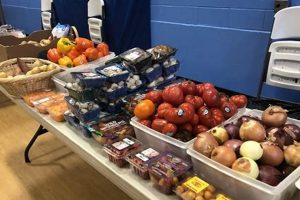
Commonly distributed items include non-perishable staples such as canned goods, grains, pasta, and beans. Availability of fresh produce, dairy products, and meat depends on donations and storage capacity.
Question 3: How often can individuals or families receive assistance?
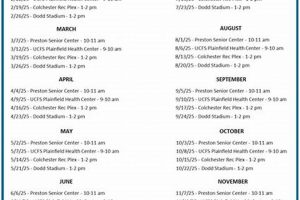
The frequency of assistance is generally determined by organizational policies and resource availability. Many impose limits on the number of visits allowed per month or year to ensure equitable distribution.
Question 4: What documentation is needed to receive assistance?
Required documentation often includes proof of residency, such as a utility bill or lease agreement, identification for all household members, and proof of income, such as pay stubs or government assistance documentation. Specific requirements should be confirmed prior to visiting.
Question 5: How can individuals contribute through donations or volunteer work?
Donations of non-perishable food items, monetary contributions, and volunteer time are vital to sustaining operations. Contact directly to inquire about donation guidelines and volunteer opportunities.
Question 6: What measures ensure the safety and quality of distributed food?
Strict adherence to food safety guidelines, including proper storage, handling, and inspection of all items, is paramount. Staff and volunteers receive training in food safety protocols to minimize the risk of contamination and ensure that distributed food is safe for consumption.
A clear understanding of the eligibility criteria, assistance frequency, and donation processes will facilitate more efficient resource allocation and enhance community support.
The subsequent sections will examine the long-term societal impact of community-based food assistance programs.
Conclusion
This exploration has elucidated the vital role fulfilled by “love thy neighbor food pantry,” underscoring its multifaceted impact on community well-being. From conducting thorough needs assessments to ensuring sustainable food sourcing, fostering volunteer engagement, and practicing responsible financial stewardship, the discussed elements collectively define the operational integrity and societal contribution of such organizations. The commitment to efficient distribution systems and the provision of accessible information, as evidenced by the FAQ section, further reinforces their dedication to serving vulnerable populations.
Recognizing the enduring challenge of food insecurity, continued support for and innovation within charitable food distribution networks remains paramount. Stakeholders from individual donors to community leaders and policymakers are urged to champion initiatives that strengthen these essential resources, thereby fostering a more equitable and resilient society where basic nutritional needs are consistently met. The effectiveness of “love thy neighbor food pantry” and similar initiatives serves as a testament to the power of collective action in addressing fundamental human needs.

![[City] Our Lady of Guadalupe Food Pantry: Fight Hunger Locally | World’s Most Delicious Foods: Must-Try Dishes from Every Country](https://lisasfoods.com/wp-content/uploads/2026/06/th-89-300x200.jpg "[City] Our Lady of Guadalupe Food Pantry: Fight Hunger Locally World’s Most Delicious Foods: Must-Try Dishes from Every Country")