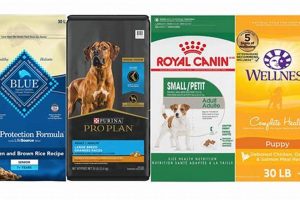
The most suitable nutritional options for canines lacking dentition typically involve softened or easily digestible formulations. Examples include wet food specifically designed for senior dogs, pre-soaked kibble, or homemade blends of cooked meats and vegetables that have been thoroughly mashed. These choices accommodate the animal’s inability to effectively chew harder substances.
Providing appropriate sustenance is paramount for maintaining the health and well-being of edentulous dogs. Adequate nutrition ensures they receive necessary vitamins, minerals, and protein, preventing malnutrition and promoting overall vitality. Historically, caregivers have employed various methods to adapt canine diets, demonstrating a long-standing commitment to ensuring these animals receive proper nourishment despite physical limitations.
The subsequent sections will delve into specific types of soft foods, preparation techniques, and considerations for addressing potential nutritional deficiencies in canines without teeth, providing a detailed guide to support their dietary needs.
Dietary Guidance for Edentulous Canines
The following recommendations address the specific nutritional needs of canines lacking teeth, aiming to ensure their well-being through appropriate dietary adjustments.
Tip 1: Prioritize Wet Food. Commercial wet food formulas are inherently softer and easier to consume, negating the need for chewing and facilitating ingestion.
Tip 2: Hydrate Dry Kibble. Submerging dry kibble in warm water or broth softens it, rendering it manageable for dogs without teeth. Allow sufficient soak time for optimal consistency.
Tip 3: Prepare Homemade Blends. Combinations of cooked and pureed meats (such as chicken or fish) with vegetables (like carrots or sweet potatoes) offer customized nutrition and palatability. Ensure ingredients are thoroughly cooked and free of bones.
Tip 4: Incorporate Bone Broth. Bone broth provides essential nutrients and aids hydration while being gentle on the digestive system. It can be added to food or offered as a standalone supplement.
Tip 5: Consider Commercial “Pt” Formulas. Pt-style dog foods possess a smooth, easily digestible texture that requires minimal effort to consume. Verify ingredient quality and nutritional completeness.
Tip 6: Monitor Body Condition. Regularly assess the canine’s weight and muscle mass to ensure adequate caloric intake and prevent malnutrition. Adjust food portions accordingly.
Tip 7: Consult with a Veterinarian. A veterinary professional can provide personalized dietary recommendations tailored to the individual dog’s health status, age, and specific needs.
Adhering to these guidelines promotes optimal nutrition and health outcomes for canines without teeth, ensuring they receive the necessary sustenance despite their dental limitations.
The subsequent section will address potential challenges and frequently asked questions related to feeding edentulous dogs, offering practical solutions and insights.
1. Soft Texture

The characteristic of soft texture is a primary determinant in identifying suitable food for canines lacking dentition. It directly addresses the fundamental challenge of prehension and mastication, ensuring the animal can ingest and process nutrients effectively.
- Ease of Ingestion
Soft textures inherently require minimal or no chewing, allowing edentulous dogs to swallow food without difficulty. This reduces the risk of choking and facilitates the efficient passage of food through the digestive tract. Examples include commercially prepared wet food and thoroughly moistened kibble.
- Reduced Oral Discomfort
The absence of teeth can leave gums sensitive and prone to irritation. Soft textures minimize friction and pressure on the gums, preventing discomfort and potential inflammation during feeding. Pureed or mashed foods further reduce potential irritation.
- Enhanced Palatability Perception
While taste buds are not directly dependent on teeth, the ability to effectively process and experience flavors is often enhanced by a comfortable and pain-free feeding experience. Soft textures contribute to this by minimizing discomfort, allowing the dog to better appreciate the taste of the food.
- Nutrient Availability
Softer foods are often pre-processed to break down complex carbohydrates and proteins, aiding digestion and increasing nutrient absorption. This is particularly beneficial for senior dogs who may have compromised digestive function, irrespective of their dental status. Thoroughly cooked and mashed vegetables are a prime example.
The described aspects of soft texture directly impact the suitability of a given food source for edentulous canines. By prioritizing this characteristic, caregivers can ensure their dogs receive adequate nutrition without experiencing discomfort or digestive complications.
2. Easy Digestibility

Easy digestibility constitutes a cornerstone of appropriate sustenance for canines lacking teeth. The absence of dentition directly impacts the initial stages of digestion, normally initiated by mastication. Without the mechanical breakdown of food particles through chewing, the burden on the digestive system, particularly the stomach and small intestine, increases substantially. Consequently, food with inherently high digestibility becomes essential to prevent gastrointestinal distress, such as vomiting, diarrhea, or nutrient malabsorption. As an example, finely ground or pureed meats, coupled with thoroughly cooked vegetables, present readily accessible nutrients, minimizing the energy expenditure required for digestion. Furthermore, hydrolyzed protein sources often found in veterinary diets designed for sensitive stomachs further enhance digestibility by pre-breaking down complex protein molecules into smaller, more easily absorbed peptides.
The significance of easy digestibility extends beyond merely preventing immediate digestive upset. Chronic digestive strain can lead to long-term complications, including inflammatory bowel disease (IBD) or exocrine pancreatic insufficiency (EPI), particularly in older canines who are already more susceptible to age-related organ decline. Implementing a diet formulated for optimal digestibility, characterized by low fiber content and high-quality protein sources, mitigates the risk of exacerbating pre-existing conditions or triggering new ones. A practical application of this principle involves the strategic use of prebiotics and probiotics, which promote a healthy gut microbiome, further aiding in the breakdown of food and the absorption of essential nutrients. Additionally, smaller, more frequent meals reduce the workload on the digestive system compared to a single, large meal.
In summary, easy digestibility plays a pivotal role in ensuring the well-being of edentulous dogs. By minimizing the digestive burden, caregivers can facilitate optimal nutrient absorption, prevent gastrointestinal complications, and support long-term health. Addressing challenges associated with digestion often necessitates careful ingredient selection, appropriate food preparation techniques, and, in some instances, veterinary intervention to manage underlying digestive disorders. The principles of easy digestibility directly relate to the overarching goal of providing optimal nutrition and improving the quality of life for canines without teeth.
3. Nutritional Completeness

Nutritional completeness serves as a critical determinant when selecting appropriate sustenance for canines lacking dentition. The absence of teeth necessitates dietary adaptations, but these adjustments must not compromise the intake of essential nutrients required for maintaining optimal health and physiological function.
- Macronutrient Adequacy
Protein, carbohydrates, and fats constitute the macronutrient foundation of a canine diet. Sufficient protein supports muscle mass maintenance and repair, while carbohydrates provide energy. Fats contribute to hormone production and cellular function. The optimal ratio of these macronutrients must be maintained in a softened or pureed form suitable for edentulous dogs, ensuring adequate caloric intake and preventing malnutrition. Examples include precisely formulated wet food designed for senior canines, often fortified with additional protein.
- Micronutrient Provision
Vitamins and minerals, though required in smaller quantities, are vital for various biological processes. Vitamin deficiencies can lead to a range of health problems, while mineral imbalances can disrupt metabolic function. A balanced diet for canines without teeth must incorporate sufficient quantities of vitamins A, D, E, B-complex vitamins, and minerals such as calcium, phosphorus, and zinc. This often necessitates supplementation or the inclusion of nutrient-rich ingredients such as organ meats or fortified vegetable purees.
- Bioavailability Considerations
The availability of nutrients for absorption is as important as their presence in the food. Certain processing methods, such as excessive heat treatment, can reduce the bioavailability of vitamins and minerals. Therefore, careful consideration must be given to the preparation methods of soft foods for edentulous dogs to ensure that nutrients are readily absorbed by the digestive system. Lightly steaming vegetables, rather than boiling them, can help preserve their nutrient content.
- Fiber Content and Digestive Health
While high fiber content can be beneficial for some canines, excessive fiber can hinder nutrient absorption, particularly in the absence of effective chewing. A moderate amount of soluble fiber, such as that found in sweet potatoes or pumpkin, can promote healthy digestion without compromising nutrient uptake. This requires a balanced approach, ensuring adequate fiber intake while prioritizing the overall digestibility and nutrient availability of the food.
The interplay of macronutrient adequacy, micronutrient provision, bioavailability, and fiber content collectively determines the nutritional completeness of a diet for canines without teeth. Adherence to these principles is essential to ensure these animals receive the necessary building blocks for maintaining health, vitality, and overall well-being despite their dental limitations. Failing to address these aspects can lead to malnutrition, weakened immune function, and a diminished quality of life.
4. Palatability

Palatability, defined as the degree of acceptance and enjoyment an animal derives from consuming a particular food, is a critical factor in determining the optimal dietary choices for canines lacking dentition. The absence of teeth presents unique challenges, potentially impacting food intake due to discomfort or difficulty in prehension, thus necessitating careful consideration of palatability to ensure adequate nutrition.
- Aroma and Flavor Profile
The olfactory and gustatory senses play a significant role in a canine’s initial assessment of food. A palatable diet for edentulous dogs often features a robust aroma and flavor profile, stimulating appetite and encouraging consumption. Examples include incorporating broths derived from meat or fish, which release volatile compounds that enhance the perceived desirability of the food. Implication: Failure to address olfactory and gustatory preferences can lead to food refusal, resulting in malnutrition.
- Texture and Consistency
Given the inability to chew, texture and consistency are paramount. A palatable diet for edentulous dogs should be soft, smooth, and easy to swallow. Lumpy or excessively dry food is likely to be rejected. Pureed formulations or thoroughly moistened kibble are preferred examples. Implication: Inappropriate texture can cause oral discomfort and discourage consumption, leading to nutritional deficiencies.
- Temperature and Moisture Content
Food temperature can influence palatability, particularly for canines with sensitive oral tissues. Slightly warming the food can enhance its aroma and improve its texture. Adequate moisture content is crucial for ease of swallowing and preventing dehydration. Examples include adding warm water or broth to dry food. Implication: Incorrect temperature or inadequate moisture can diminish palatability, potentially causing food aversion.
- Individual Preferences and Prior Experiences
Each canine possesses unique preferences based on genetics, prior experiences, and learned associations. A previously enjoyed food, even in a modified form, is more likely to be accepted. Novel ingredients should be introduced gradually to assess tolerance and preference. Implication: Ignoring individual preferences can lead to selective eating and an imbalanced nutritional intake.
The convergence of aroma, flavor, texture, temperature, and individual preference dictates the palatability of food for canines lacking dentition. By addressing these factors, caregivers can improve the likelihood of adequate nutrient intake, promoting optimal health and well-being. Failure to prioritize palatability can compromise nutritional status, necessitating further interventions to ensure sufficient caloric and nutrient consumption.
5. Hydration support

Hydration support is integral to the dietary management of canines without teeth, directly influencing their overall health and well-being. The absence of dentition necessitates dietary modifications that can inadvertently impact hydration status, thus requiring proactive measures to ensure adequate fluid intake.
- Increased Risk of Dehydration
Soft food diets, often recommended for edentulous dogs, may lack the moisture content found in traditional kibble. This can reduce overall water intake if not actively supplemented. Furthermore, senior dogs, who are more likely to experience tooth loss, also have a decreased thirst drive, exacerbating the risk of dehydration. Insufficient hydration can lead to constipation, urinary tract infections, and impaired kidney function.
- Role of Wet Food and Broths
Commercial wet food formulations inherently contain a higher percentage of moisture compared to dry kibble, offering a convenient means of supplementing fluid intake. Bone broths, both commercially available and homemade, provide an additional source of hydration while also supplying essential electrolytes. Adding water or unsalted broth to softened kibble also enhances moisture content.
- Importance of Water Accessibility
Constant access to fresh, clean water is paramount. Multiple water sources throughout the home, particularly near feeding stations, can encourage more frequent drinking. Elevated water bowls may be beneficial for senior dogs or those with mobility issues to reduce strain during drinking. Monitoring water bowl levels can provide an indication of hydration status.
- Monitoring Hydration Status
Regularly assessing the canine’s hydration level is essential. Signs of dehydration include decreased skin elasticity (tenting), dry gums, and sunken eyes. In severe cases, veterinary intervention may be required to administer subcutaneous or intravenous fluids. Capillary refill time, assessed by pressing on the gums and observing the time it takes for color to return, can also provide an indication of hydration.
The multifaceted approach to hydration support underscores its significance in the context of appropriate nutrition for edentulous canines. By actively addressing potential dehydration risks through dietary modifications and vigilant monitoring, caregivers can promote optimal health and improve the quality of life for their animals. Integrating hydration strategies is not merely an ancillary consideration but rather a fundamental component of a well-designed dietary plan.
6. Veterinarian guidance

Veterinarian guidance is a pivotal component of determining the optimal dietary plan for canines lacking dentition. The expertise of a veterinary professional ensures that the selected food meets the specific nutritional needs of the individual animal, accounting for factors such as age, breed, pre-existing health conditions, and the degree of tooth loss. Self-directed dietary adjustments, without veterinary input, may lead to nutritional imbalances or exacerbate underlying medical issues. For instance, a canine with kidney disease requires a diet with controlled phosphorus levels, a consideration that a veterinarian can accurately assess and address. This level of personalized care is not achievable through general dietary recommendations alone.
The veterinarian’s role extends beyond initial dietary recommendations. Regular check-ups and monitoring allow for adjustments to the food plan as the dog’s needs evolve. These evaluations may include blood tests to assess organ function and nutritional status, enabling proactive interventions to prevent or manage health complications. Furthermore, a veterinarian can identify and address any potential food allergies or intolerances that may arise. For example, a dog initially thriving on a particular soft food may develop gastrointestinal upset after prolonged use, necessitating a change in ingredients or formula, guided by veterinary expertise.
In summary, veterinarian guidance is indispensable in ensuring that the chosen diet for edentulous canines adequately supports their health and well-being. It provides a framework for personalized nutritional management, accounting for individual needs and facilitating timely adjustments based on ongoing monitoring. The failure to seek veterinary consultation can result in suboptimal nutrition and potential health complications, underscoring the practical significance of professional guidance in this context. The link between proper veterinary oversight and a tailored diet is fundamental to canine health.
7. Portion control
Portion control is inextricably linked to the concept of providing optimal nutrition for canines lacking dentition. While selecting a soft, easily digestible, and nutritionally complete food addresses the immediate challenges of ingestion, proper portioning ensures that the animal receives the appropriate caloric intake to maintain a healthy body weight and prevent malnutrition or obesity. For example, a senior canine with no teeth may readily consume a large quantity of wet food due to its palatability and ease of consumption, potentially leading to weight gain if portions are not carefully monitored. Conversely, inadequate portion sizes can result in weight loss and nutritional deficiencies, particularly in animals with pre-existing health conditions or increased metabolic demands.
The application of portion control principles requires a nuanced understanding of the individual animal’s needs, taking into account factors such as age, breed, activity level, and any underlying medical conditions. A veterinarian can provide specific guidance on caloric requirements and recommended portion sizes based on a thorough assessment of the canine’s health status. For instance, a small-breed dog with limited activity may require significantly smaller portions compared to a larger breed with a more active lifestyle. Furthermore, adjustments to portion sizes may be necessary over time to accommodate changes in metabolic rate or activity level. Regular weight monitoring and body condition scoring are essential tools for evaluating the effectiveness of the portion control strategy and making necessary modifications. A practical application of portion control involves using measuring cups to ensure consistent portion sizes at each feeding, preventing overfeeding or underfeeding due to estimation.
In summary, portion control is not merely an ancillary consideration but rather a fundamental component of providing optimal nutrition for canines lacking teeth. It ensures that the animal receives the appropriate caloric intake to maintain a healthy body weight, preventing both malnutrition and obesity. Effective portion control requires veterinary guidance, regular monitoring of weight and body condition, and adjustments to portion sizes based on individual needs and changing circumstances. The successful implementation of portion control strategies contributes significantly to the overall health, well-being, and quality of life of edentulous canines.
Frequently Asked Questions
The following addresses common inquiries and concerns regarding the nutritional requirements of canines lacking teeth. The information presented aims to provide clarity and guidance on ensuring adequate sustenance.
Question 1: Is specialized food always necessary for dogs without teeth?
While not invariably required, modifying the food’s texture is typically essential. Standard kibble poses a significant challenge for ingestion. Softening the food with water or transitioning to wet food is generally recommended to facilitate consumption and prevent oral discomfort.
Question 2: Can homemade diets adequately meet the nutritional needs of dogs with no teeth?
Homemade diets can be appropriate, provided they are carefully formulated to ensure nutritional completeness. A veterinarian or a board-certified veterinary nutritionist should be consulted to develop a balanced recipe that meets the dog’s specific requirements. Lack of professional guidance can result in deficiencies or excesses of essential nutrients.
Question 3: How can one ensure a dog with no teeth is consuming enough calories?
Regularly monitoring the dog’s weight and body condition is crucial. If weight loss occurs, increasing the frequency of meals or offering more calorie-dense food options may be necessary. A veterinarian can assist in calculating the appropriate daily caloric intake based on the dog’s age, breed, and activity level.
Question 4: Are there specific ingredients to avoid when feeding a dog with no teeth?
Hard, sharp, or irregularly shaped ingredients should be avoided, as they can cause oral irritation. Bones, large chunks of raw vegetables, and hard treats are generally unsuitable. Ingredients known to cause allergic reactions or digestive upset in the individual dog should also be excluded.
Question 5: How does the absence of teeth affect a dog’s ability to digest food?
The lack of teeth eliminates the initial mechanical breakdown of food. Consequently, easily digestible ingredients and smaller meal sizes are beneficial. Highly processed foods, while soft, may lack essential nutrients. A balance between digestibility and nutritional completeness is essential.
Question 6: What are the potential long-term health consequences of inadequate nutrition in dogs with no teeth?
Chronic malnutrition can lead to a range of health problems, including muscle wasting, weakened immune function, organ dysfunction, and decreased lifespan. Ensuring adequate caloric intake, appropriate nutrient balance, and regular veterinary monitoring is crucial to mitigate these risks.
Adequate nutrition for edentulous canines centers on easy to consume foods with a nutritional composition that supports their health. Veterinary consultation is key to providing a successful diet.
The next section will provide a conclusion to this article.
Concluding Remarks
The preceding analysis has illuminated the multifaceted considerations involved in selecting the best food for dogs with no teeth. Emphasizing soft texture, easy digestibility, and nutritional completeness serves as the cornerstone for maintaining the health and well-being of edentulous canines. Implementing portion control, prioritizing hydration, and seeking regular veterinary guidance are equally vital components of a comprehensive dietary strategy.
Effective dietary management plays a significant role in extending and improving the quality of life for canines facing dental challenges. Continued research and refinement of nutritional approaches will further enhance the ability to support these animals. Caregivers are encouraged to proactively address dietary needs, consulting with veterinary professionals to ensure individualized and optimal care is provided.