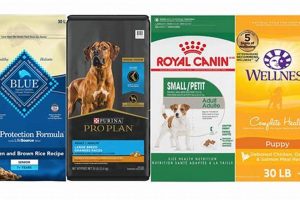
The selection of optimal canine nutrition frequently involves considering the inclusion of grains as a carbohydrate source. These diets incorporate grains like brown rice, barley, oats, and corn, among others, in carefully measured quantities to provide energy and fiber. For example, a formula might feature brown rice as the primary grain component, combined with chicken or fish for protein.
Grain-inclusive diets offer multiple advantages. Grains provide essential nutrients, including B vitamins and minerals. Fiber from grains promotes digestive health, facilitating regular bowel movements. Historically, grains have been a cost-effective and readily available ingredient in commercial pet food, contributing to affordability for pet owners. The inclusion of grains, therefore, provides a balanced nutritional profile with associated cost benefits.
The subsequent sections will delve into the specific considerations when choosing a grain-inclusive diet, examining factors such as ingredient quality, nutritional profiles, and suitability for dogs with specific dietary needs. Furthermore, an objective comparison of various available formulations will be presented to aid in informed decision-making for canine dietary management.
Selecting Optimal Grain-Inclusive Canine Nutrition
The following guidelines offer practical advice for choosing grain-inclusive dog food. Careful consideration of these points will contribute to the well-being of canine companions.
Tip 1: Prioritize Ingredient Quality: Scrutinize the ingredient list for named meat sources (e.g., chicken, beef, lamb) as the primary protein. Avoid formulations with excessive amounts of unnamed “meat by-products”. The quality of the grains used (whole grains vs. refined grains) also impacts digestibility and nutritional value.
Tip 2: Analyze the Nutritional Profile: Verify that the food meets or exceeds the Association of American Feed Control Officials (AAFCO) nutrient profiles for the dog’s life stage (puppy, adult, senior). Ensure adequate levels of protein, fat, and fiber are present. Consider consulting a veterinarian to determine the specific needs of the animal.
Tip 3: Consider the Grain Composition: Different grains offer varying levels of nutritional benefits. Brown rice and oats are typically well-tolerated and provide a good source of fiber. Corn and wheat, while often used, can be allergenic for some dogs. Evaluate the dog’s individual tolerance to specific grains.
Tip 4: Evaluate Fiber Content: Adequate fiber is crucial for digestive health and can aid in weight management. Look for foods with a moderate fiber content, typically between 2% and 5%. Excessive fiber can hinder nutrient absorption.
Tip 5: Observe the Dog’s Response: Closely monitor the dog’s stool quality, energy levels, and overall health after introducing a new food. Changes in stool consistency, excessive gas, or skin irritations may indicate an intolerance or allergy to the food.
Tip 6: Consult with a Veterinarian: Seek professional guidance from a veterinarian or a board-certified veterinary nutritionist. They can provide personalized recommendations based on the dog’s age, breed, health status, and activity level.
Adhering to these tips enhances the likelihood of selecting a grain-inclusive dog food that supports optimal canine health and well-being. Remember that individual needs vary, and monitoring the dog’s response to the diet is essential.
The subsequent sections will delve deeper into specific product comparisons and address common concerns surrounding grain-inclusive diets.
1. Nutrient Density

Nutrient density, defined as the concentration of essential nutrients relative to caloric content, is a crucial attribute of optimal canine nutrition. Within the context of grain-inclusive diets, nutrient density ensures the provision of sufficient vitamins, minerals, and essential amino acids, even when grains constitute a portion of the overall caloric intake. For example, a grain-inclusive food with low nutrient density may require a greater volume to meet the dog’s nutritional needs, potentially leading to digestive upset or weight gain without adequate nutrient absorption. Conversely, a nutrient-dense grain-inclusive formula provides a concentrated source of vital nutrients, supporting overall health and well-being with smaller portion sizes. A real-life example would be a comparison between two grain-inclusive foods, both containing corn as an ingredient. One utilizes highly refined corn, offering primarily carbohydrates with minimal micronutrients. The other incorporates whole-grain corn, providing fiber, B vitamins, and antioxidants alongside the carbohydrates. The latter exhibits superior nutrient density.
The importance of nutrient density in grain-inclusive diets is further underscored by the potential for some grains to dilute the concentration of other essential nutrients, such as protein and fat. To compensate for this effect, manufacturers must carefully formulate the food to ensure that the overall nutrient profile meets or exceeds the AAFCO standards for the dog’s specific life stage. This can be achieved through the strategic inclusion of high-quality protein sources (e.g., named meat meals) and appropriate levels of essential fatty acids. Practical application of this understanding involves scrutinizing the guaranteed analysis on the food label, paying close attention to the protein and fat percentages and comparing them against the recommended levels for the dog’s age, breed, and activity level. Furthermore, reviewing the ingredient list to assess the quality and quantity of protein sources is essential. For instance, a grain-inclusive food listing “chicken meal” as the first ingredient, followed by brown rice, suggests a higher protein concentration compared to a food listing “corn” as the first ingredient and “chicken” as the third.
In conclusion, nutrient density is a critical determinant of the quality of a grain-inclusive canine diet. It ensures adequate provision of essential nutrients despite the inclusion of grains and mitigates potential dilution effects. Addressing the challenge of selecting a nutrient-dense grain-inclusive food requires careful evaluation of the ingredient list, guaranteed analysis, and consideration of the dog’s individual nutritional needs. Understanding nutrient density is intrinsically linked to the broader goal of promoting optimal canine health through informed dietary choices.
2. Grain Digestibility

Grain digestibility is a critical determinant of the nutritional value and suitability of grain-inclusive dog foods. The extent to which a canine can efficiently break down and absorb nutrients from ingested grains directly impacts its health and well-being. Formulations claiming to be “best” in their category must demonstrate superior grain digestibility to substantiate their claims.
- Processing Methods and Digestibility
Grain processing methods significantly influence digestibility. Whole grains, while nutrient-rich, may be less digestible due to their intact outer layers. Milling, cooking, and extrusion can enhance digestibility by breaking down complex carbohydrates and increasing surface area for enzymatic action. For example, flaked oats are generally more digestible than whole oats due to the prior processing. Therefore, the method used to prepare the grains is a factor in determining suitability of the food.
- Fiber Content and Digestibility Trade-offs
While fiber is beneficial for digestive health, excessive fiber can hinder nutrient absorption, particularly if the grain is not sufficiently processed. The fiber content of grains such as brown rice and barley aids in regulating bowel movements, but very high fiber levels might decrease the overall digestibility of other nutrients present in the food. Balancing fiber content with appropriate processing techniques is essential for maximizing nutrient uptake.
- Individual Canine Variability
Digestibility varies based on the individual dog’s digestive system. Factors such as age, breed, and gut microbiome composition affect the capacity to digest specific grains. Some dogs exhibit sensitivities or intolerances to certain grains, such as wheat or corn, resulting in reduced digestibility and potential gastrointestinal distress. Monitoring the dog’s stool consistency and overall health after introducing a new grain-inclusive food is crucial for assessing individual tolerance and digestibility.
- Grain Type and Intrinsic Digestibility
Different grains possess varying inherent digestibility characteristics. Rice, particularly white rice, is generally considered highly digestible, making it a common ingredient in hypoallergenic diets. Conversely, grains like sorghum may be less digestible for some dogs. The selection of grains with inherently high digestibility is a fundamental aspect of formulating a grain-inclusive food optimized for nutrient absorption. Manufacturers typically choose high-quality rice, quinoa, or oat-based formulas, resulting in increased digestibility.
The aforementioned factors illustrate the complexities involved in optimizing grain digestibility within canine diets. A food marketed as the “best grain inclusive dog food” must prioritize the selection of highly digestible grains, employ appropriate processing techniques, account for individual canine variability, and maintain a balanced fiber content to ensure optimal nutrient absorption and overall health.
3. Ingredient Sourcing

Ingredient sourcing represents a foundational aspect of producing optimal grain-inclusive canine diets. The quality, safety, and ethical considerations associated with ingredient origins directly influence the nutritional value and overall suitability of the finished product. Foods identified as the “best grain inclusive dog food” must adhere to stringent sourcing standards to ensure canine well-being.
- Geographic Origin and Contamination Risks
The geographic origin of grains and other ingredients directly impacts potential contamination risks. Regions with lax agricultural practices or prevalent environmental pollutants may produce grains contaminated with pesticides, heavy metals, or mycotoxins. For example, grains sourced from areas with a history of aflatoxin contamination pose a significant health risk to dogs. Selecting grains from regions known for stringent agricultural regulations and rigorous testing protocols minimizes these risks and contributes to safer finished products.
- Supplier Transparency and Traceability
Supplier transparency and traceability are essential components of responsible ingredient sourcing. Manufacturers of “best grain inclusive dog food” establish clear lines of communication with their suppliers and maintain detailed records of ingredient origins. This allows for rapid identification and mitigation of potential issues, such as recalls due to contaminated ingredients. Traceability ensures that the origin and handling of each ingredient can be verified, promoting accountability throughout the supply chain.
- Agricultural Practices and Sustainability
Agricultural practices employed in grain production directly influence the environmental impact of the food. Sustainable farming practices, such as reduced pesticide use, water conservation, and soil health management, minimize the environmental footprint associated with grain cultivation. Foods that prioritize sustainably sourced grains contribute to a more environmentally responsible and ethical approach to canine nutrition. For example, the use of grains grown through regenerative agriculture promotes biodiversity and carbon sequestration.
- Ingredient Quality and Nutritional Value
The inherent quality of ingredients, influenced by sourcing practices, directly impacts the nutritional value of the finished product. Grains sourced from nutrient-rich soils and harvested at optimal maturity possess higher concentrations of vitamins, minerals, and antioxidants. This enhanced nutritional profile translates into a more nutritious and beneficial food for dogs. Furthermore, the absence of contaminants in high-quality ingredients ensures that nutrients are bioavailable and can be efficiently absorbed by the animal.
These facets of ingredient sourcing highlight the complex interplay between agricultural practices, supply chain management, and canine health. A commitment to responsible sourcing practices is a hallmark of foods marketed as “best grain inclusive dog food” and demonstrates a dedication to providing safe, nutritious, and ethically produced canine nutrition.
4. Allergen Potential

Allergen potential represents a critical consideration when evaluating grain-inclusive canine diets, particularly when determining which products qualify as the “best.” The inclusion of grains introduces potential allergens, impacting a significant portion of the canine population. Adverse food reactions, including allergies and intolerances, manifest through dermatological issues, gastrointestinal upset, or a combination thereof. Identifying and mitigating these reactions necessitates careful ingredient selection and formulation strategies. For instance, while rice is frequently considered hypoallergenic, corn and wheat are common allergens. The presence of these higher-risk grains can disqualify a product from being considered the “best,” especially for dogs with known sensitivities.
Managing allergen potential in grain-inclusive diets involves several strategies. First, manufacturers may opt for alternative grains with lower allergenicity, such as oats, barley, or quinoa. Second, they may employ hydrolyzed protein sources, reducing the likelihood of triggering an immune response. Third, comprehensive ingredient labeling allows pet owners to make informed decisions, avoiding specific allergens known to affect their dogs. Real-world examples include grain-inclusive foods formulated with hydrolyzed chicken and oat flour, specifically designed for dogs with sensitivities to common protein and grain allergens. Such formulations exemplify the industry’s efforts to minimize allergen potential.
The connection between allergen potential and the selection of “best grain inclusive dog food” is undeniable. Formulations that prioritize hypoallergenic ingredients, transparent labeling, and strategies to minimize allergic reactions are more likely to meet the needs of a broader range of dogs and, consequently, achieve higher ratings. Challenges remain in accurately identifying canine allergies and intolerances, underscoring the importance of veterinary guidance and careful observation when introducing new grain-inclusive diets. Addressing allergen potential is a paramount aspect of delivering optimal canine nutrition.
5. Fiber Content

Fiber content significantly influences the classification of a canine diet as “best grain inclusive dog food.” Grains contribute varying levels of dietary fiber, which directly impacts digestive health, stool quality, and satiety. The optimal fiber content fosters regular bowel movements and prevents constipation, while insufficient fiber can result in digestive irregularities. For example, a diet formulated with excessive refined grains, stripped of their fiber-rich outer layers, might lack the necessary fiber to support healthy digestion, thereby disqualifying it from consideration as optimal. Conversely, incorporating whole grains like brown rice or oats provides a substantial fiber source, promoting balanced digestive function. Therefore, the specific type and quantity of grains included dictate the ultimate fiber content and subsequent impact on digestive wellness, directly influencing its suitability as a canine diet.
The practical significance of fiber extends beyond basic digestive function. Adequate fiber intake helps regulate blood glucose levels, which is particularly beneficial for dogs with diabetes mellitus. Fiber also contributes to weight management by increasing satiety, thus potentially reducing overall caloric intake. Consider a scenario where two grain-inclusive diets are compared. One has a high fiber content derived from beet pulp and whole grains, promoting a feeling of fullness and aiding in weight control. The other has a low fiber content from highly processed grains, making it less effective for weight management. In this scenario, the diet with the controlled fiber would more likely be considered beneficial for overweight dogs. Manufacturers who prioritize optimal fiber levels understand its benefits and will include fiber in their blends. The right amount of fiber benefits the animal.
In summary, fiber content is an indispensable attribute of “best grain inclusive dog food.” The inclusion of appropriate fiber levels, derived from carefully selected whole grains, directly impacts digestive health, glycemic control, and weight management. Challenges exist in achieving the optimal fiber balance, as excessive fiber can interfere with nutrient absorption. However, the strategic incorporation of diverse fiber sources, coupled with thorough product testing and veterinarian consultation, helps ensure that grain-inclusive diets deliver the intended physiological benefits. This focus on the right fiber levels are crucial to call it best grain inclusive dog food.
6. Life Stage Suitability

Life stage suitability forms a critical determinant in evaluating which grain-inclusive diets qualify as the “best” for canines. Nutritional requirements vary significantly across different life stages, from puppyhood through adulthood and into the senior years. Formulations failing to address these specific needs cannot be considered optimal, regardless of other beneficial attributes.
- Puppy Growth and Development
Puppies require higher levels of protein, fat, and certain minerals, such as calcium and phosphorus, to support rapid growth and skeletal development. Grain-inclusive puppy formulas must be carefully formulated to meet these elevated needs. An example would be a grain-inclusive puppy food with a protein content of at least 28% and a calcium-to-phosphorus ratio within the recommended range. Failure to provide adequate nutrients during this crucial stage can result in developmental abnormalities and long-term health problems.
- Adult Maintenance and Energy Requirements
Adult dogs have different nutritional needs than puppies, requiring a balanced diet to maintain their body condition and energy levels. Grain-inclusive adult maintenance formulas typically contain moderate levels of protein, fat, and carbohydrates to support their activity levels. An ideal example would be a grain-inclusive food with a protein content of 22-26% and a fat content of 12-16%, tailored to the activity level and metabolic rate of the individual dog. Adult dogs’ diet is usually more consistent, however they still need the right nutrition.
- Senior Canine Nutritional Considerations
Senior dogs often experience reduced digestive function and may require diets with lower calorie counts and increased fiber to maintain a healthy weight and support digestive regularity. Grain-inclusive senior formulas may also include joint-supportive ingredients like glucosamine and chondroitin. An appropriate example would be a senior formula with a protein content of 18-22%, increased fiber levels, and added joint supplements, catering to the specific needs of aging canines.
- Breed-Specific Needs and Predispositions
Certain dog breeds have specific nutritional needs or predispositions to certain health conditions. Large-breed puppies, for instance, require controlled levels of calcium and phosphorus to prevent developmental orthopedic diseases. Grain-inclusive diets formulated for specific breeds must consider these unique requirements. A real-life example is a grain-inclusive large-breed puppy food with a lower calcium content and a balanced calcium-to-phosphorus ratio, minimizing the risk of developmental problems.
These life stage considerations underscore the importance of tailoring grain-inclusive diets to meet the evolving nutritional requirements of canines. Formulations neglecting these nuances cannot be considered among the “best,” as they may compromise the health and well-being of the animal. Careful evaluation of life stage suitability is paramount in selecting optimal canine nutrition, and ensures the product meets the appropriate standards for the dog to be considered optimal grain inclusive dog food.
7. Veterinarian Recommendation

Veterinarian recommendation serves as a critical filter in determining which grain-inclusive diets genuinely qualify as the “best.” The professional judgment of a veterinarian, informed by a comprehensive understanding of canine physiology, nutritional science, and individual patient needs, directly impacts the selection of optimal dietary regimens. This recommendation transcends mere brand endorsement, representing a tailored assessment based on factors such as breed, age, health status, activity level, and existing medical conditions. For instance, a dog diagnosed with a grain allergy necessitates a recommendation explicitly excluding allergenic grains like wheat or corn, even if the product is generally well-regarded. Veterinarian advice, therefore, transforms a generic “best” designation into a personalized dietary prescription. This professional guidance, shaped by evidence-based practice and patient-specific considerations, is indispensable for identifying truly beneficial grain-inclusive options.
The significance of veterinarian recommendation extends beyond addressing specific health concerns. It also encompasses preventative care and the optimization of overall well-being. A veterinarian can assess a dog’s body condition score, evaluate its digestive health, and identify potential nutrient deficiencies, guiding the selection of a grain-inclusive diet that supports long-term health. For example, a veterinarian might recommend a grain-inclusive diet rich in omega-3 fatty acids for a dog with osteoarthritis or a high-fiber formula for a dog prone to constipation. This proactive approach to dietary management, informed by veterinary expertise, contributes to enhanced quality of life and reduced risk of future health problems. The absence of such professional guidance increases the likelihood of selecting an inappropriate diet, potentially leading to adverse health outcomes and diminished well-being.
In conclusion, veterinarian recommendation is inextricably linked to the concept of “best grain inclusive dog food.” It provides a crucial layer of personalized assessment, ensuring that dietary choices are aligned with individual canine needs and health objectives. While various commercial diets may claim superiority, the ultimate determination of what constitutes “best” rests with the veterinarian’s informed judgment. Challenges remain in promoting widespread access to veterinary nutritional counseling and in standardizing dietary recommendations. However, prioritizing veterinary guidance in canine dietary management remains essential for optimizing health and well-being.
Frequently Asked Questions
The following addresses common queries regarding grain-inclusive diets for canines, providing evidence-based insights to inform responsible pet ownership.
Question 1: Are grain-free diets inherently superior to grain-inclusive diets for canines?
The assertion that grain-free diets are universally superior lacks scientific consensus. While some canines may benefit from grain-free formulations due to allergies or intolerances, grains provide valuable nutrients and fiber for many dogs. Blanket generalizations regarding the superiority of grain-free diets are unfounded.
Question 2: What specific health benefits do grains offer to canines?
Grains supply essential carbohydrates for energy, fiber for digestive health, and micronutrients, including B vitamins and minerals. The specific benefits depend on the type of grain used; for example, brown rice provides a good source of fiber and selenium.
Question 3: What are the potential risks associated with grain-inclusive diets?
The primary risks involve potential allergic reactions or intolerances to specific grains, such as wheat or corn. Thorough ingredient list evaluation and observation of the dog’s response to the food are crucial for mitigating these risks.
Question 4: How can a pet owner determine if a grain-inclusive diet is appropriate for their dog?
Veterinary consultation is recommended to assess the dog’s individual needs and identify any potential sensitivities or allergies. Monitoring the dog’s stool quality, energy levels, and overall health after introducing a new grain-inclusive food is essential.
Question 5: What ingredients should a pet owner look for in a high-quality grain-inclusive dog food?
Named meat sources (e.g., chicken, beef, lamb) should be listed as the primary ingredients. Whole grains, such as brown rice or oats, are preferable to refined grains. The food should also meet or exceed AAFCO nutrient profiles for the dog’s life stage.
Question 6: Are there specific breeds that benefit more from grain-inclusive diets?
There is no definitive evidence to suggest that specific breeds universally benefit more from grain-inclusive diets. Dietary needs are largely individual, contingent on factors such as activity level, health status, and genetic predispositions. Breed-specific recommendations should be made in consultation with a veterinarian.
Grain-inclusive diets can be a healthy and appropriate choice for many dogs, provided that careful consideration is given to ingredient quality, individual needs, and veterinary guidance. Dismissing grain-inclusive diets outright lacks scientific basis.
The following section will address product comparisons of best grain inclusive dog food.
Best Grain Inclusive Dog Food
The preceding analysis has explored the complexities inherent in identifying the “best grain inclusive dog food.” Factors such as nutrient density, grain digestibility, ingredient sourcing, allergen potential, fiber content, and life stage suitability significantly influence the appropriateness of any given formulation. Veterinarian recommendation provides a crucial, individualized layer of assessment, ensuring alignment with specific canine needs. It is evident that the optimal choice is not a universally applicable designation, but rather a tailored selection informed by careful consideration of multiple variables.
Ultimately, the pursuit of superior canine nutrition necessitates a commitment to informed decision-making. Pet owners must diligently evaluate product labels, consult with veterinary professionals, and closely monitor their dog’s response to any dietary changes. Such diligence, grounded in scientific understanding and individualized assessment, represents the most reliable pathway toward promoting canine health and well-being through appropriate grain-inclusive diets.