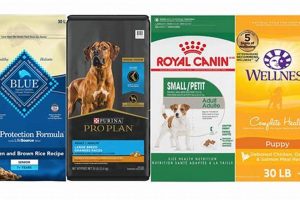
Appropriate nutrition for Labrador Retrievers experiencing adverse reactions to certain food components involves carefully selecting diets formulated to minimize or eliminate common allergens. These specialized formulations often feature novel protein sources, such as duck or venison, or hydrolyzed proteins that are less likely to trigger an immune response. An example includes a diet composed primarily of salmon and potato, avoiding common allergens like chicken, beef, and grains.
The selection of suitable sustenance is crucial for maintaining the overall health and well-being of these canines, mitigating uncomfortable symptoms like skin irritation, gastrointestinal distress, and chronic ear infections. Historically, identification of the specific allergen involved extensive elimination trials. Current diagnostic methods and specifically designed dietary options have significantly improved management of these conditions. Benefits include improved coat condition, reduced inflammation, and enhanced quality of life.
Consequently, understanding available dietary options, appropriate ingredient considerations, and consultation with a veterinary professional are crucial components in addressing food sensitivities in Labrador Retrievers. The following sections will delve into specific ingredients to consider, methods for identifying food sensitivities, and the role of veterinary guidance in selecting the most suitable nutritional plan.
Tips for Managing Dietary Sensitivities in Labrador Retrievers
This section provides practical recommendations for mitigating allergic reactions to sustenance in Labrador Retrievers.
Tip 1: Identify Potential Allergens. Common canine allergens include beef, chicken, dairy, eggs, wheat, and soy. Review food labels meticulously to identify and avoid these ingredients.
Tip 2: Implement an Elimination Diet. Under veterinary supervision, introduce a novel protein and carbohydrate source for a limited period (typically 8-12 weeks). Monitor for symptom resolution to identify potential triggers.
Tip 3: Consider Hydrolyzed Protein Diets. These diets utilize proteins broken down into smaller peptides, reducing the likelihood of triggering an immune response. Consult a veterinarian to determine suitability.
Tip 4: Opt for Limited-Ingredient Diets. These formulations contain a reduced number of ingredients, minimizing the risk of exposure to potential allergens. Select diets with transparent ingredient lists.
Tip 5: Introduce New Foods Gradually. When transitioning to a new diet, introduce it slowly over a week to avoid digestive upset and facilitate allergen identification.
Tip 6: Supplement with Omega-3 Fatty Acids. These supplements possess anti-inflammatory properties and may alleviate skin irritation associated with food sensitivities. Consult a veterinarian for appropriate dosage.
Tip 7: Avoid Cross-Contamination. Use separate food and water bowls for dogs with allergies to prevent exposure to allergenic residue. Clean bowls regularly.
Adherence to these strategies, in conjunction with veterinary guidance, can significantly improve the health and well-being of Labrador Retrievers experiencing dietary sensitivities.
The following section will address diagnostic methods and the importance of professional veterinary consultation.
1. Hypoallergenic Ingredients

The selection of hypoallergenic ingredients constitutes a cornerstone in formulating appropriate diets for Labrador Retrievers with allergies. These ingredients are specifically chosen to minimize the risk of triggering adverse immune responses, a critical factor in managing food sensitivities in this breed. Their use is instrumental in identifying and alleviating dietary-related symptoms.
- Novel Protein Sources
Novel protein sources, such as duck, venison, or salmon, represent proteins that the dog has likely not been exposed to previously. This reduces the likelihood of an existing allergy being triggered. The inclusion of these proteins is based on the principle that an immune system cannot react to a substance it has not encountered. If a Labrador Retriever is sensitive to common proteins like chicken or beef, introducing a novel protein can effectively circumvent the allergic reaction.
- Hydrolyzed Proteins
Hydrolyzed proteins are proteins that have been broken down into smaller peptide fragments through a process called hydrolysis. This process reduces the protein’s molecular size, making it less recognizable to the immune system. In essence, the immune system is less likely to identify the protein as a threat, thus minimizing the risk of an allergic reaction. This approach is particularly valuable when pinpointing specific protein allergies is challenging.
- Limited Ingredient Diets
Hypoallergenic diets are often formulated as limited ingredient diets (LID). This involves minimizing the number of ingredients in the food formulation. By restricting the variety of potential allergens, the task of identifying the specific allergen is simplified. These diets commonly feature a single novel protein source and a single carbohydrate source, minimizing the risk of exposure to common allergens.
- Careful Carbohydrate Selection
While proteins are the primary culprits in food allergies, carbohydrate sources can also contribute to sensitivities. Hypoallergenic formulas often utilize non-grain carbohydrate sources like sweet potato or tapioca. These alternatives minimize exposure to common grain allergens such as wheat, corn, and soy. The careful selection of both protein and carbohydrate sources contributes to the overall effectiveness of the diet in managing allergic reactions.
These facets of hypoallergenic ingredients demonstrate a strategic approach to managing food sensitivities in Labrador Retrievers. By focusing on novel proteins, hydrolyzed proteins, limited ingredients, and careful carbohydrate choices, appropriate diets minimize the likelihood of triggering an allergic response. The ultimate objective remains alleviating symptoms and improving the dog’s overall health and well-being.
2. Limited Ingredient Diet

A Limited Ingredient Diet (LID) plays a crucial role in identifying and managing food sensitivities in Labrador Retrievers. By minimizing the number of ingredients, these diets simplify the process of pinpointing specific allergens, a critical step in selecting the most appropriate sustenance for affected canines.
- Reduced Allergen Exposure
LIDs reduce the likelihood of exposure to common canine allergens such as beef, chicken, wheat, and soy. By formulating diets with a single protein and carbohydrate source, the potential for triggering an allergic response is minimized. For example, a LID might consist solely of salmon and sweet potato, eliminating many common allergenic components. This targeted approach aids in isolating the causative agent behind the allergic reaction.
- Simplified Ingredient Identification
The simplicity of an LID facilitates the identification of problem ingredients. During an elimination trial, the dog is fed the LID exclusively. If symptoms resolve, ingredients are gradually reintroduced to the diet one at a time. Any recurrence of symptoms points directly to the reintroduced component as a potential allergen. This structured approach is far more effective than attempting to identify allergens within complex, multi-ingredient commercial diets.
- Enhanced Digestive Health
LIDs often contain easily digestible ingredients, which can be beneficial for Labrador Retrievers with sensitive digestive systems. These diets minimize the inclusion of artificial additives, fillers, and preservatives that can exacerbate digestive issues. For instance, a LID based on easily digestible protein sources like turkey and simple carbohydrates like rice can promote gut health and reduce inflammation in the digestive tract.
- Facilitates Food Trials
LIDs are instrumental in conducting food trials, the gold standard for diagnosing food allergies. A veterinarian typically prescribes a strict LID for a period of 8-12 weeks. The resolution of allergic symptoms during this period strongly suggests a food allergy. The subsequent reintroduction of individual ingredients, known as a food challenge, confirms the specific allergens involved. Without the simplicity of an LID, accurate interpretation of a food trial is significantly compromised.
The aspects of LIDs underscore their importance in addressing sensitivities in Labrador Retrievers. These diets reduce allergen exposure, simplify allergen identification, promote enhanced digestive health, and facilitate accurate food trials, all of which contribute to improved management of dietary sensitivities.
3. Novel Protein Sources

Novel protein sources represent a critical dietary strategy in managing food allergies in Labrador Retrievers. Their utilization is predicated on the principle of minimizing exposure to common allergens, thereby mitigating adverse immune responses and improving overall canine health. These proteins, unfamiliar to the dog’s immune system, offer a viable alternative when traditional protein sources trigger sensitivities.
- Reduced Allergen Exposure
The fundamental advantage of novel protein sources lies in their reduced likelihood of eliciting an allergic reaction. Labrador Retrievers, like other breeds, can develop sensitivities to commonly used proteins such as beef, chicken, or dairy. By introducing proteins the dog has not previously consumed (e.g., venison, duck, rabbit, or fish like salmon or whitefish), the probability of triggering an immune response is significantly decreased. This approach is particularly useful in initial dietary trials aimed at identifying potential allergens.
- Dietary Elimination Trials
Novel proteins are instrumental in conducting dietary elimination trials, the gold standard for diagnosing food allergies. During such trials, the dog is fed a diet comprised solely of a novel protein and a novel carbohydrate for a period of 8-12 weeks. If symptoms resolve during this period, a food allergy is highly suspected. The subsequent reintroduction of previously consumed ingredients allows for the identification of specific allergens, enabling the creation of a long-term, allergy-friendly diet. This process would be impossible without a readily available source of novel proteins.
- Nutritional Adequacy
Diets based on novel proteins must also provide complete and balanced nutrition. Formulating an appropriate diet requires careful consideration of the protein’s amino acid profile, fat content, and digestibility. The chosen novel protein source should adequately meet the dog’s nutritional requirements, ensuring overall health and well-being. Consultation with a veterinary nutritionist is advisable to guarantee the diet is complete and appropriate for the individual dog’s needs.
- Long-Term Dietary Management
Once identified, novel proteins can form the basis of a long-term dietary management plan. If a Labrador Retriever is found to be allergic to chicken, a diet based on salmon or duck can provide a safe and palatable alternative. It is crucial to avoid cross-contamination with allergenic ingredients and to monitor the dog for any signs of recurring allergic symptoms. The success of this approach hinges on consistent adherence to the prescribed diet and regular veterinary check-ups.
In summary, novel protein sources are an essential tool in managing food allergies in Labrador Retrievers. They facilitate accurate diagnosis through elimination trials, reduce allergen exposure, and enable the formulation of nutritionally adequate, long-term dietary plans, all contributing to improved health and quality of life.
4. Grain-Free Options
Grain-free diets frequently feature in nutritional strategies for Labrador Retrievers experiencing food sensitivities. The premise centers on the assumption that grains, specifically wheat, corn, and soy, often contribute to allergic reactions in canines. Consequently, the elimination of these components is perceived as a means of mitigating adverse immunological responses. Diets excluding grains and substituting alternative carbohydrate sources such as sweet potato or tapioca are marketed as potentially beneficial for canines exhibiting symptoms suggestive of food allergies. However, the actual prevalence of grain allergies in dogs is relatively low, suggesting a more nuanced understanding of the role of grain-free diets in allergy management is warranted. The benefit may be derived from avoiding a specific grain to which the dog is allergic, rather than all grains in general.
The association between grain-free diets and improved allergic symptoms is often circumstantial. Many commercial grain-free formulations also exclude common protein allergens like beef or chicken, confounding the potential link between grain elimination and symptom reduction. Additionally, the increased use of alternative carbohydrate sources may introduce novel allergens, as some dogs can develop sensitivities to sweet potato or peas. A careful evaluation of all ingredients within a grain-free formulation is essential to ensure that it does not simply replace one allergen with another. For example, a grain-free diet containing chicken and pea protein might be inappropriate for a dog with a chicken allergy.
While grain-free diets may offer benefits for some Labrador Retrievers with allergies, their use should be guided by veterinary consultation and a thorough diagnostic process. A food elimination trial using a novel protein source remains the gold standard for diagnosing food allergies. If grains are suspected allergens, a trial involving a grain-free diet may be appropriate, but it should be carefully monitored for effectiveness. It’s important to remember that grain-free does not automatically equate to hypoallergenic. The broader objective remains identifying and avoiding the specific allergens causing the adverse reaction, irrespective of whether they are grains or other dietary components.
5. Hydrolyzed Proteins

The inclusion of hydrolyzed proteins represents a significant advancement in dietary management for Labrador Retrievers experiencing food allergies. These proteins, processed to reduce their molecular size, offer a reduced risk of triggering adverse immune responses, contributing to the formulation of appropriate sustenance for sensitive canines.
- Reduced Allergenicity
Hydrolyzed proteins undergo enzymatic or chemical breakdown, cleaving them into smaller peptide fragments. This process diminishes their ability to bind to IgE antibodies, the primary mediators of allergic reactions. A hypothetical example involves a chicken protein hydrolyzed into peptides too small to cross-link IgE receptors, thereby preventing mast cell degranulation and the subsequent release of histamine. This reduction in allergenicity is the cornerstone of their utility in hypoallergenic diets.
- Improved Digestibility
The smaller peptide size of hydrolyzed proteins facilitates enhanced digestibility. Labrador Retrievers with compromised digestive systems, often associated with chronic allergic inflammation, may benefit from the ease with which these proteins are absorbed. Clinical studies have indicated improved nutrient absorption rates in dogs fed hydrolyzed protein diets compared to those fed intact protein diets, particularly in cases of inflammatory bowel disease.
- Application in Elimination Diets
Hydrolyzed protein diets serve as valuable tools in conducting elimination trials for diagnosing food allergies. Because the immune system is less likely to recognize these altered proteins as allergenic, a strict elimination diet using a hydrolyzed protein source allows for symptom resolution without triggering a reaction. This facilitates accurate identification of non-protein allergens, or confirmation of the implicated protein, and forms the foundation for long-term dietary management.
- Potential Drawbacks
Despite their benefits, potential drawbacks exist. The hydrolysis process can sometimes affect the palatability of the food, leading to reduced acceptance by some dogs. Furthermore, although rare, some individual dogs may still exhibit allergic reactions to hydrolyzed proteins if the hydrolysis process is incomplete or if the source protein remains highly allergenic. Careful monitoring and veterinary oversight are crucial when initiating a hydrolyzed protein diet.
In conclusion, hydrolyzed proteins offer a scientifically sound approach to mitigating food allergies in Labrador Retrievers. Their reduced allergenicity, improved digestibility, and applicability in elimination diets contribute to the creation of dietary formulations designed to alleviate symptoms and improve the overall well-being of sensitive dogs. Careful selection of hydrolyzed protein sources and ongoing veterinary monitoring remain paramount to achieving optimal outcomes.
6. Omega-3 Fatty Acids

Omega-3 fatty acids play a significant role in dietary strategies aimed at managing food allergies in Labrador Retrievers. Their anti-inflammatory properties and contributions to skin health make them a valuable addition to diets formulated to alleviate allergic symptoms.
- Reduction of Inflammation
Omega-3 fatty acids, particularly EPA (eicosapentaenoic acid) and DHA (docosahexaenoic acid), possess anti-inflammatory properties. Allergic reactions often manifest as inflammation in the skin and gastrointestinal tract. EPA and DHA can modulate the inflammatory response by inhibiting the production of pro-inflammatory cytokines. For example, supplementation with fish oil, a rich source of EPA and DHA, has been shown to reduce pruritus (itching) and dermatitis in allergic dogs. The inclusion of omega-3 fatty acids in canine diets can help mitigate the inflammatory consequences of food allergies.
- Improvement of Skin Barrier Function
The skin serves as a primary barrier against external allergens. Omega-3 fatty acids contribute to the integrity of the skin barrier by promoting the production of ceramides and other lipids essential for maintaining its structural integrity. A compromised skin barrier allows for increased allergen penetration, exacerbating allergic symptoms. By supporting skin barrier function, omega-3 fatty acids can reduce allergen exposure and improve overall skin health. Clinical trials have demonstrated that omega-3 supplementation can enhance skin hydration and reduce transepidermal water loss, indicators of improved barrier function.
- Modulation of Immune Response
Omega-3 fatty acids can influence the immune response by modulating the activity of immune cells. EPA and DHA can alter the composition of cell membranes, affecting cell signaling and immune cell function. Specifically, they can decrease the production of pro-inflammatory mediators and promote the resolution of inflammation. While omega-3 fatty acids do not directly address the underlying food allergy, they can help dampen the immune response to allergens, reducing the severity of symptoms. Research suggests that omega-3 supplementation can shift the balance of T-helper cells towards a more regulatory phenotype, promoting immune tolerance.
- Source Considerations
The source of omega-3 fatty acids is a critical consideration when formulating diets for allergic Labrador Retrievers. Fish oil, derived from fatty fish like salmon and mackerel, is a common and effective source of EPA and DHA. However, some fish oils may contain contaminants such as heavy metals. Plant-based sources, like flaxseed oil, contain ALA (alpha-linolenic acid), a precursor to EPA and DHA. While ALA can be converted to EPA and DHA in the body, the conversion rate in dogs is limited. Therefore, fish oil or algal oil, which provides DHA directly, is often preferred for optimal benefit. The source should be carefully evaluated for purity and bioavailability.
These facets highlight the therapeutic potential of omega-3 fatty acids in managing food allergies in Labrador Retrievers. By reducing inflammation, improving skin barrier function, and modulating the immune response, these fatty acids can contribute to a comprehensive dietary strategy aimed at alleviating allergic symptoms and improving the quality of life for affected canines. The selection of an appropriate source and consideration of individual dog needs remain essential for maximizing the benefits of omega-3 fatty acid supplementation.
7. Veterinary Guidance

Veterinary guidance is paramount in determining appropriate nutritional strategies for Labrador Retrievers with food allergies. The complexity of diagnosing and managing these conditions necessitates professional expertise to ensure accurate identification of allergens and the selection of a suitable dietary regimen.
- Accurate Diagnosis
Veterinary expertise is crucial in accurately diagnosing food allergies, distinguishing them from other conditions with similar symptoms. A veterinarian can perform diagnostic tests, such as serum allergy tests or intradermal skin testing, and, more importantly, guide the implementation and interpretation of a properly conducted elimination diet. Elimination diets, considered the gold standard for diagnosing food allergies, require strict adherence to a prescribed food and careful monitoring of the dog’s response, both best achieved under veterinary supervision. Misdiagnosis can lead to inappropriate dietary changes and continued discomfort for the animal.
- Personalized Dietary Recommendations
Each Labrador Retriever with food allergies presents a unique set of sensitivities and nutritional requirements. Veterinarians assess individual factors, such as age, weight, activity level, and concurrent health conditions, to formulate personalized dietary recommendations. These recommendations may include specific protein sources, carbohydrate alternatives, or hypoallergenic commercial diets. A one-size-fits-all approach is often inadequate, and veterinary guidance ensures that the chosen diet meets the dog’s specific nutritional needs while avoiding known allergens. For instance, a senior Labrador with kidney disease requires a different dietary approach than a young, active Labrador with no other health issues.
- Management of Secondary Complications
Food allergies can lead to secondary complications, such as skin infections or gastrointestinal disturbances, that require veterinary intervention. A veterinarian can prescribe appropriate medications, such as antibiotics or anti-inflammatory drugs, to manage these complications. Furthermore, they can adjust the dietary plan as needed to address any emerging issues. For example, a dog experiencing recurrent ear infections due to food allergies may require a specialized diet and targeted treatment to resolve the infection and prevent future occurrences. Neglecting these secondary complications can exacerbate the dog’s discomfort and compromise its overall health.
- Long-Term Monitoring and Adjustments
Managing food allergies in Labrador Retrievers is an ongoing process that requires long-term monitoring and adjustments. Veterinarians can track the dog’s response to the dietary plan and make modifications as needed. This may involve adjusting the protein source, adding supplements, or addressing any recurring symptoms. Regular check-ups allow the veterinarian to assess the dog’s overall health and ensure that the dietary plan remains effective over time. Without ongoing veterinary guidance, food allergies can recur or worsen, leading to chronic discomfort and decreased quality of life.
The facets above underscore the indispensable role of veterinary guidance in the selection process. Accurate diagnosis, personalized recommendations, management of complications, and ongoing monitoring all depend on professional expertise to ensure optimal health and well-being for Labrador Retrievers with food allergies.
Frequently Asked Questions
The following questions address common inquiries regarding appropriate sustenance for Labrador Retrievers exhibiting adverse reactions to specific food components.
Question 1: Are grain-free diets inherently hypoallergenic?
The absence of grains does not automatically qualify a diet as hypoallergenic. While grain sensitivities can occur, common allergens for Labrador Retrievers often include protein sources. A thorough ingredient evaluation is necessary to ensure the elimination of known allergens, irrespective of grain content.
Question 2: How does a limited ingredient diet assist in identifying food allergies?
Limited ingredient diets, by restricting the number of components, simplify the process of identifying potential allergens. Should a Labrador Retriever’s symptoms improve on such a diet, individual ingredients can be reintroduced systematically to pinpoint the causative agent. This process is most effective under veterinary supervision.
Question 3: Can a dog develop an allergy to a novel protein source?
Although less likely, a Labrador Retriever can develop an allergy to a novel protein source over time with repeated exposure. Rotation of novel protein sources may be considered to minimize this risk; however, this strategy requires careful monitoring for any adverse reactions.
Question 4: What role do hydrolyzed proteins play in managing food sensitivities?
Hydrolyzed proteins are broken down into smaller peptides, reducing their likelihood of triggering an immune response. This modification diminishes their capacity to bind to IgE antibodies, thereby minimizing the risk of allergic reactions. However, palatability can sometimes be an issue.
Question 5: How long does a food elimination trial typically last?
A food elimination trial generally lasts for a minimum of eight weeks. This duration allows sufficient time for the dog’s system to clear any residual allergens and for symptoms to resolve. Veterinary consultation should determine the optimal duration.
Question 6: Are there specific supplements that can help alleviate allergy symptoms in Labrador Retrievers?
Omega-3 fatty acids, particularly EPA and DHA, may help alleviate skin inflammation associated with food allergies. However, supplements should be introduced under veterinary guidance to ensure appropriate dosage and to avoid potential interactions with other medications.
Effective management of dietary sensitivities requires a systematic approach guided by veterinary expertise. Ingredient awareness, controlled elimination trials, and strategic dietary modifications contribute to improved health outcomes.
The subsequent section will address long-term dietary considerations for Labrador Retrievers with allergies.
Best Food for Labs with Allergies
This exploration of “best food for labs with allergies” has highlighted key aspects of dietary management for affected canines. Identification of potential allergens, implementation of elimination diets, utilization of novel and hydrolyzed proteins, consideration of grain-free options, and the role of omega-3 fatty acids have been detailed. The paramount importance of veterinary guidance in accurate diagnosis, personalized dietary planning, and ongoing monitoring has been consistently underscored.
Successful long-term management of food sensitivities requires diligent adherence to a veterinarian-prescribed plan and continuous observation for any changes in the dog’s condition. Owners are encouraged to prioritize careful ingredient selection, avoid cross-contamination, and maintain open communication with their veterinary care provider to ensure the continued health and well-being of their Labrador Retriever. The commitment to providing appropriate nutrition will contribute significantly to a higher quality of life for these sensitive animals.