



Nutrition designed to support both the mother and her kittens during lactation is crucial. These specialized formulations are designed to meet the elevated caloric and nutrient requirements of a feline producing milk, ensuring that she maintains her health while adequately nourishing her offspring. Examples include diets rich in protein, fat, and essential vitamins and minerals, tailored to address the specific physiological demands of this life stage.
Meeting these nutritional demands is vital for the queen’s overall well-being and for the healthy development of her litter. Insufficient caloric or nutrient intake during this period can lead to maternal weight loss, decreased milk production, and compromised kitten health. Historically, providing adequate nourishment to lactating felines was often achieved through trial and error, but modern scientific advancements have led to the development of precise and effective dietary solutions.
Understanding the specific components necessary for supporting a nursing cat and her kittens is essential. Further discussion will explore the specific macronutrient requirements, the role of micronutrients, considerations for palatability and digestibility, and practical feeding strategies to ensure optimal health outcomes for both mother and offspring.
Nutritional Strategies for Lactating Felines
Optimizing a lactating cat’s diet is paramount for the health of both the queen and her kittens. The following guidelines offer practical strategies for ensuring appropriate nourishment during this critical period.
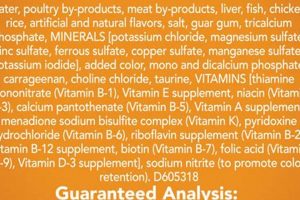
Tip 1: Select a specifically formulated diet. Commercial food labeled for “lactation” or “all life stages” generally provides the elevated levels of protein, fat, and calcium required. Examine the guaranteed analysis on the packaging to confirm adequate nutrient content.
Tip 2: Increase food availability. Lactating cats require significantly more calories than non-pregnant or non-lactating cats. Free-feeding or offering smaller, more frequent meals can help ensure sufficient intake. Monitor weight and body condition to adjust portions as needed.
Tip 3: Ensure adequate hydration. Lactation increases water requirements. Fresh, clean water should be available at all times. Wet food can also contribute to hydration.
Tip 4: Introduce kitten food around week 3-4. This allows the kittens to start sampling solid food while still nursing, which will help ease the transition to weaning. Offer a high-quality kitten food alongside the mother’s diet.
Tip 5: Monitor the queen’s weight and body condition. Gradual weight loss is acceptable, but excessive weight loss indicates inadequate caloric intake. Adjust feeding amounts accordingly.
Tip 6: Consult a veterinarian. Any concerns about the queen’s health or the kittens’ development should be addressed promptly. A veterinarian can provide individualized recommendations based on the specific needs of the cat and her litter.
Tip 7: Consider supplementing with essential fatty acids. Supplementation with omega-3 and omega-6 fatty acids can support skin and coat health for both the queen and her kittens, as well as brain development in the kittens. Discuss appropriate dosages with a veterinarian.
Adhering to these nutritional strategies will support optimal milk production and maintain the well-being of the nursing cat and her offspring, ensuring a healthy start for the next generation of felines.
The following sections will delve into specific ingredient considerations and potential dietary sensitivities to further refine the nutritional approach.
1. High Calorie Density

Lactation demands a significant increase in energy expenditure for a feline. Milk production is an energy-intensive process, requiring a substantial caloric intake to maintain maternal health and ensure adequate milk supply for the kittens. A diet characterized by high calorie density effectively delivers the necessary energy in a smaller volume of food. This is particularly important for nursing cats, as they may have reduced appetites due to hormonal changes or the demands of caring for their litter. Without sufficient caloric intake, the queen will mobilize her own energy reserves, leading to weight loss, compromised health, and potentially reduced milk production. Consider, for example, a standard dry cat food versus a specialized lactation formula; the latter will often contain a higher fat content, contributing to its greater caloric density per cup.
The practical significance of understanding high calorie density lies in the ability to appropriately manage the feeding regimen of a nursing cat. By selecting foods formulated specifically for lactation or all life stages, caregivers can ensure that the queen receives the necessary calories without needing to consume excessive amounts of food. This helps maintain optimal body condition and supports consistent milk production. Furthermore, monitoring the queen’s weight and adjusting food intake accordingly is crucial. A cat that is losing weight despite consuming a high-calorie diet may have underlying health issues that require veterinary attention. Conversely, a cat that is gaining excessive weight may need a reduced portion size.
In summary, high calorie density is a critical attribute of nutrition tailored to the needs of nursing cats. It directly impacts maternal health, milk production, and kitten well-being. Recognizing the importance of this factor enables caregivers to make informed dietary choices and monitor the cat’s condition effectively. While high calorie density is essential, it must be balanced with other crucial nutrients to provide complete and balanced nutrition, addressing the multifaceted needs of a lactating feline.
2. Elevated Protein Content
Protein is a fundamental macronutrient, and its role is amplified in nutrition designed for lactating felines. The synthesis of milk, rich in protein itself, demands a significantly increased protein intake from the maternal diet. Insufficient protein consumption directly compromises milk production and can lead to the queen cat mobilizing her own muscle mass to meet the demands of lactation, resulting in detrimental effects on her health and recovery. An example is the observation of reduced litter growth rates and increased kitten mortality in queens consuming diets with inadequate protein levels compared to those receiving protein-rich formulations. The practical significance lies in understanding that the percentage of protein listed on the food label directly correlates to the availability of essential amino acids required for milk production and tissue maintenance.
Elevated protein content in food intended for nursing cats translates directly to enhanced milk quality. Milk provides the building blocks for the rapidly developing tissues of the kittens. Adequate protein supply in the queen’s diet ensures that the kittens receive the necessary amino acids for muscle growth, immune system development, and overall healthy development. A further implication is that a deficiency in specific amino acids, such as taurine, can have severe consequences, including retinal degeneration and cardiac dysfunction in the offspring. Moreover, higher protein levels contribute to increased satiety, helping the queen to maintain a healthy body weight and reduce the risk of overeating empty calories, which is sometimes observed in cats fed lower-quality diets.
In conclusion, the connection between elevated protein content and appropriate food for nursing cats is direct and essential. Adequate protein is not merely an added benefit but a non-negotiable requirement for successful lactation. Understanding the underlying physiological demands and selecting foods with appropriately high protein levels helps ensure both the health of the queen and the healthy development of her litter. While focusing on protein, it is crucial to acknowledge the interplay of other essential nutrients and maintain a balanced dietary approach to optimize outcomes.
3. Optimal Calcium Levels

Calcium, a critical mineral, assumes amplified importance in nutrition designed for lactating felines. It is a primary constituent of milk, which serves as the sole source of nutrition for newborn kittens. Therefore, the queen’s dietary intake must provide sufficient calcium to meet both her physiological needs and the demands of milk production.
- Skeletal Integrity of the Queen
Lactation places significant demands on the queen’s calcium reserves. If dietary intake is insufficient, the queen’s body will mobilize calcium from her skeletal structure to maintain milk calcium levels. This can lead to demineralization of her bones, increasing the risk of fractures and other skeletal problems later in life. A diet rich in bioavailable calcium mitigates this risk, preserving the queen’s bone density.
- Prevention of Hypocalcemia (Eclampsia)
Hypocalcemia, also known as eclampsia or milk fever, is a potentially life-threatening condition characterized by low blood calcium levels in the queen. It typically occurs in the first few weeks after giving birth and can manifest as muscle tremors, seizures, and even death. Adequate dietary calcium intake is crucial in preventing this condition, ensuring stable blood calcium levels throughout lactation.
- Proper Kitten Development
Calcium is essential for the proper development of bones and teeth in kittens. The milk produced by the queen must contain adequate calcium to support the rapid skeletal growth of the litter. Insufficient calcium intake by the queen can lead to calcium deficiencies in the kittens, resulting in skeletal abnormalities, stunted growth, and increased susceptibility to fractures.
- Calcium-to-Phosphorus Ratio
The calcium-to-phosphorus ratio is as important as the absolute calcium level in the diet. An imbalance in this ratio can interfere with calcium absorption and utilization. A ratio of approximately 1:1 to 2:1 (calcium to phosphorus) is generally recommended for lactating felines to ensure optimal calcium metabolism.
In conclusion, optimal calcium levels are an indispensable component of appropriate food for nursing cats. Adequate calcium intake not only safeguards the skeletal health of the queen but also ensures the proper development of her kittens and prevents potentially fatal conditions like hypocalcemia. A balanced diet with sufficient bioavailable calcium and a proper calcium-to-phosphorus ratio is paramount for the well-being of both mother and offspring during lactation.
4. Omega Fatty Acids

The inclusion of omega fatty acids in nutrition tailored for lactating felines is crucial, stemming from their multifaceted roles in both maternal and offspring health. These essential fats, primarily omega-3 and omega-6, cannot be synthesized by the cat’s body and must be obtained through dietary sources. Their presence in appropriate quantities contributes significantly to overall well-being during this demanding physiological period.
- Enhanced Kitten Development
Omega-3 fatty acids, particularly DHA (docosahexaenoic acid), are vital for neurological and retinal development in kittens. During lactation, the queen transfers these essential fats to her offspring through milk, supporting optimal brain function, visual acuity, and cognitive development. Diets deficient in omega-3 fatty acids can result in impaired learning abilities and reduced visual performance in kittens. For example, studies have shown that kittens receiving DHA-supplemented milk exhibit improved problem-solving skills compared to those receiving standard milk.
- Support for Maternal Health
Lactation places considerable stress on the queen’s body, and omega fatty acids play a role in mitigating this stress. Omega-3 fatty acids possess anti-inflammatory properties, which can help reduce inflammation associated with postpartum recovery. Furthermore, omega-6 fatty acids are crucial for maintaining healthy skin and coat, which can often become compromised during lactation due to nutrient allocation towards milk production. Including omega fatty acids in the queen’s diet helps maintain her physical condition and promotes overall well-being.
- Immune System Modulation
Omega-3 and omega-6 fatty acids are involved in modulating immune function in both the queen and her kittens. They influence the production of eicosanoids, signaling molecules that regulate inflammatory responses and immune cell activity. Appropriate levels of these fatty acids can enhance immune responses to pathogens, reducing the risk of infections in both the mother and her offspring. Imbalances in omega-3 and omega-6 ratios can lead to dysregulation of the immune system, increasing susceptibility to disease.
- Improved Milk Quality
The fatty acid composition of milk directly reflects the queen’s dietary intake. By including omega-3 and omega-6 fatty acids in the queen’s food, the fatty acid profile of her milk is improved. This translates to enhanced nutritional benefits for the kittens, ensuring they receive the necessary building blocks for optimal growth and development. The presence of adequate levels of these fatty acids also improves the texture and palatability of the milk, potentially encouraging kittens to nurse more effectively and ensuring they receive sufficient nourishment.
The described facets collectively underscore the importance of omega fatty acids as integral components of proper food for nursing cats. Addressing these nutritional demands through tailored dietary formulations promotes enhanced kitten development, supports maternal well-being, modulates immune function, and improves milk quality, thereby optimizing health outcomes for both the queen and her litter. Inadequate attention to omega fatty acid levels during lactation can lead to a cascade of adverse effects, emphasizing the necessity of prioritizing these essential nutrients.
5. Digestibility

Digestibility, referring to the extent to which food can be broken down and absorbed by the digestive system, is a critical factor when evaluating the suitability of nutrition intended for lactating felines. Compromised digestion can lead to nutrient malabsorption, impacting both the queen’s health and the quality of her milk, ultimately affecting the kittens’ well-being.
- Reduced Gastrointestinal Stress
Diets formulated with highly digestible ingredients minimize the workload on the digestive system. This is particularly important for nursing cats, as their bodies are already under physiological stress due to milk production. Easily digestible foods, such as those containing hydrolyzed proteins or prebiotics, reduce the risk of gastrointestinal upset, including diarrhea or vomiting. By minimizing digestive disturbances, the queen can efficiently absorb nutrients, ensuring adequate milk production and preventing weight loss. For instance, a diet with poorly digestible plant-based proteins may cause increased fermentation in the gut, leading to discomfort and nutrient loss, whereas a diet with highly digestible animal-based proteins is more efficiently utilized.
- Enhanced Nutrient Absorption
The primary purpose of digestion is to break down food into smaller molecules that can be absorbed into the bloodstream. Highly digestible foods are more efficiently processed, leading to greater absorption of essential nutrients, including protein, fat, vitamins, and minerals. This is especially crucial for lactating cats, as their nutrient requirements are significantly elevated. Consider a diet with high fiber content; while fiber is beneficial for some cats, excessive amounts can interfere with nutrient absorption in nursing queens. Selecting foods with appropriate fiber levels and highly digestible ingredients maximizes the bioavailability of essential nutrients.
- Minimized Fecal Volume and Odor
The digestibility of a diet directly impacts fecal volume and odor. Highly digestible foods result in less undigested material passing through the digestive tract, leading to smaller and less odorous stools. This benefits both the queen and her environment, promoting hygiene and reducing the need for frequent litter box changes. Furthermore, reduced fecal output indicates that the nutrients are being efficiently utilized by the body, rather than being excreted as waste. A diet rich in poorly digestible fillers will invariably lead to larger, more pungent stools, indicating suboptimal nutrient absorption.
- Support for Gut Microbiome Health
The gut microbiome, a complex community of microorganisms residing in the digestive tract, plays a crucial role in digestion and overall health. Highly digestible foods support a balanced gut microbiome by providing readily available nutrients for beneficial bacteria. Certain ingredients, such as prebiotics (non-digestible fibers that promote the growth of beneficial bacteria), can further enhance gut health. A healthy gut microbiome improves digestion, enhances immune function, and contributes to overall well-being. In contrast, a diet with poorly digestible ingredients can disrupt the gut microbiome, leading to dysbiosis and digestive problems.
These facets highlight that digestibility is not merely a passive attribute but an active contributor to the overall success of food intended for nursing cats. Prioritizing highly digestible ingredients in formulations tailored for this life stage directly supports nutrient absorption, minimizes digestive stress, reduces waste, and promotes a healthy gut microbiome, all of which are essential for the well-being of both the queen and her kittens. The consideration of digestibility should be central to any assessment of suitable nutrition during lactation.
6. Palatability

Palatability, the degree to which food is appealing and readily consumed, is a critical attribute impacting the effectiveness of nutrition intended for lactating felines. Reduced food intake, stemming from a lack of palatability, directly undermines the ability of the queen cat to meet her elevated caloric and nutrient requirements. This can lead to insufficient milk production, maternal weight loss, and compromised kitten health. For example, a food formulated with all the necessary nutrients but rejected by the nursing cat due to poor taste or texture is functionally useless. The connection between palatability and nutritional adequacy is therefore direct and profound.
Various factors contribute to palatability in feline diets. Aroma, texture, and taste are primary determinants. A food with an appealing aroma will initially attract the cat. The texture, whether dry kibble or wet food, must be acceptable to her individual preference. Taste, governed by the presence of specific amino acids and other flavor compounds, is the ultimate factor determining whether the cat will consume the food consistently. Manufacturers often enhance palatability through the addition of meat-based ingredients, palatable fats, or flavor enhancers. It’s essential to note that individual preferences vary; a food considered palatable by one cat may be rejected by another. Offering a variety of options and carefully monitoring the cat’s intake can help identify the most palatable and nutritionally suitable choice. Practical application involves observing the cat’s feeding behavior. A nursing queen that consistently leaves food uneaten may require a different formulation. Wet food, often more palatable than dry, can be offered as a supplement to ensure adequate caloric intake. Warming the food slightly can also enhance its aroma and palatability.
In summary, palatability is not merely a superficial characteristic but an indispensable component of food designed for nursing cats. Without adequate palatability, even the most nutritionally complete diet fails to deliver its intended benefits. Careful consideration of aroma, texture, and taste, combined with attentive observation of the cat’s feeding behavior, is essential for ensuring that the nursing queen receives the necessary nourishment to support both her health and the well-being of her litter. Overcoming challenges related to palatability requires a nuanced approach, recognizing individual preferences and adapting the feeding strategy accordingly. The overall goal remains to maximize food intake and optimize nutritional status during this critical period of lactation.
7. Kitten Food Transition

The transition to solid food marks a significant shift in the dietary management of both the nursing queen and her kittens. This process, initiated during lactation, requires careful consideration to ensure the nutritional needs of both mother and offspring are met without disrupting the weaning process or causing digestive upset. The selection of appropriate kitten food is intrinsically linked to ensuring a continued standard of nutrition reflective of good food for nursing cats.
- Gradual Introduction and Nutrient Profile Overlap
Around three to four weeks of age, kittens begin to explore solid foods, initiating the weaning process. Offering small amounts of high-quality kitten food alongside the queens diet allows for a gradual adjustment to a new food source. The chosen kitten food should ideally have a nutrient profile that closely aligns with the elevated requirements of lactation food, particularly in protein, fat, and calcium, to avoid abrupt dietary changes that could disrupt the kittens’ digestive systems or compromise the queens milk production. For example, selecting a kitten food that is also labeled for “all life stages” often provides a suitable overlap in nutrient composition.
- Palatability Considerations for Kittens and Queen
Kitten food is typically formulated to be highly palatable to encourage consumption by young felines. While the primary goal is to encourage kittens to eat solid food, the nursing queen may also consume the kitten food. It is important that the kitten food’s ingredients are not detrimental to the queen’s ongoing nutritional needs. Selecting a palatable, easily digestible kitten food that is also nutritionally appropriate for adult cats ensures that any unintended consumption by the queen does not negatively impact her health or milk production. For instance, some kitten foods may contain smaller kibble sizes or softer textures that are also easy for the nursing queen to ingest and digest.
- Monitoring Weight and Adjusting Portions
As kittens begin to consume more solid food, the queens milk production will gradually decrease. Monitoring the weight and body condition of both the queen and the kittens is crucial during this transition. As the kittens reliance on milk diminishes, the queens food intake may need to be adjusted to prevent excessive weight gain. Simultaneously, it is important to ensure the kittens are gaining weight appropriately on the kitten food. Regularly weighing the kittens and assessing their body condition provides valuable information for adjusting feeding amounts for both the queen and her litter. For example, if the queen begins to gain weight excessively, her portion sizes can be reduced while ensuring the kittens have ample access to the kitten food.
- Ensuring Continued Nutritional Adequacy
The transition to kitten food should not be viewed as a cessation of high-quality nutrition. Rather, it is a carefully managed shift from milk-based nourishment to solid-food nourishment. Even as the queen’s need for lactation-specific nutrition diminishes, ensuring she maintains a healthy weight and receives a balanced diet remains essential for her long-term health. Likewise, the chosen kitten food should provide all the necessary nutrients for optimal growth and development. It is important to consider the long-term implications of this dietary shift and select foods that continue to support overall health and well-being. The selection process should always mirror the principles used to determine good food for nursing cats.
The kitten food transition represents a critical juncture in the nutritional management of a nursing cat and her offspring. By carefully considering the factors outlined above, caregivers can ensure a smooth transition that supports the health and well-being of both mother and kittens. This period demands close monitoring and adjustments to feeding strategies to maintain optimal nutritional status and promote healthy growth and development.
Frequently Asked Questions
This section addresses common inquiries regarding the nutritional management of lactating felines, providing clarity on optimal dietary practices.
Question 1: What constitutes “good food” for a nursing cat, and how does it differ from standard adult cat food?
Nutrition tailored for lactating felines is characterized by higher caloric density, elevated protein content, and optimized levels of calcium and other essential nutrients. Standard adult cat food typically does not meet these heightened nutritional demands, potentially leading to maternal weight loss and compromised milk production.
Question 2: Can a nursing cat be fed a raw food diet, and what precautions should be taken?
Raw food diets for lactating cats require careful formulation and stringent hygiene protocols to minimize the risk of bacterial contamination. Consultation with a veterinary nutritionist is crucial to ensure nutritional completeness and safety, mitigating the risk of foodborne illnesses that could affect both the queen and her kittens.
Question 3: How frequently should a nursing cat be fed to ensure adequate milk production?
Free-feeding or offering multiple small meals throughout the day is generally recommended to meet the elevated caloric demands of lactation. Monitoring the queen’s weight and body condition provides valuable insights into whether her caloric intake is sufficient. Consult with a veterinarian to tailor the feeding schedule to the individual cat’s needs.
Question 4: Are dietary supplements necessary for nursing cats, even when they are fed a high-quality diet?
While a well-formulated diet specifically designed for lactation should provide the majority of necessary nutrients, certain supplements, such as omega-3 fatty acids, may offer additional benefits. Consultation with a veterinarian is recommended to assess the need for supplementation and ensure appropriate dosages.
Question 5: What are the potential consequences of underfeeding a nursing cat?
Inadequate caloric or nutrient intake during lactation can result in maternal weight loss, decreased milk production, and compromised kitten health. Severe underfeeding can lead to life-threatening conditions, such as hypocalcemia (milk fever), in the queen. Close monitoring of the cat’s weight and body condition is crucial to prevent these complications.
Question 6: How long should a nursing cat remain on a lactation-specific diet?
The duration of the lactation-specific diet depends on the weaning schedule of the kittens. Once the kittens are fully weaned, the queen’s caloric and nutrient requirements will decrease. Gradually transitioning her back to a maintenance diet over a period of one to two weeks is recommended to prevent digestive upset and weight gain.
Proper nutrition during lactation is essential for the health and well-being of both the queen and her kittens. Addressing these common questions contributes to a better understanding of optimal feeding practices.
The following section will summarize the key points and considerations discussed in this article.
Conclusion
This exploration has underscored the significance of selecting nutrition designed to support lactating felines. Elevated caloric density, optimal calcium levels, and the inclusion of omega fatty acids are essential components. Digestibility and palatability directly influence nutrient absorption and overall health. The careful transition to kitten food completes the cycle, ensuring the continued well-being of both mother and offspring.
The selection of nutrition constitutes a fundamental aspect of responsible pet ownership. It necessitates diligence, careful observation, and informed decision-making. Ensuring that nursing felines receive appropriate nourishment during this demanding period yields long-term benefits for both the queen and her litter, contributing to a healthier feline population. Prioritize nutritional expertise and veterinary consultation to guide informed choices for sustained health.
![Easy Homemade Gravy Cat Food Recipe [DIY] | World’s Most Delicious Foods: Must-Try Dishes from Every Country](https://lisasfoods.com/wp-content/uploads/2026/04/th-168-300x200.jpg "Easy Homemade Gravy Cat Food Recipe [DIY] World’s Most Delicious Foods: Must-Try Dishes from Every Country")