



Dietary products formulated for felines with reduced salt content are designed to manage specific health conditions. These specialized diets aim to limit the intake of sodium, an essential mineral that, in excess, can exacerbate certain medical issues in cats, such as hypertension or kidney disease. A practical example includes prescription diets recommended by veterinarians for cats diagnosed with chronic kidney disease, often characterized by a controlled sodium level.
Maintaining appropriate sodium levels is crucial for overall feline health, particularly in managing pre-existing conditions or preventing the onset of new ones. By reducing sodium intake through specialized food, the workload on the kidneys and cardiovascular system is potentially lessened, contributing to improved health outcomes. The development and availability of these specialized diets reflect a growing understanding of feline nutritional needs and the impact of dietary components on their well-being.
The subsequent sections will delve into the specific health conditions that benefit from sodium-restricted diets, guidelines for selecting appropriate options, and important considerations for incorporating them into a cat’s nutritional plan.
Guidance on Sodium-Restricted Feline Diets
The following recommendations provide critical insight into the selection and implementation of sodium-restricted diets for felines, emphasizing responsible and informed decision-making.
Tip 1: Veterinary Consultation is Paramount: Prior to initiating any dietary modification, a thorough consultation with a qualified veterinarian is essential. The veterinarian can accurately assess the cat’s specific health condition and determine the necessity and appropriateness of a sodium-restricted diet.
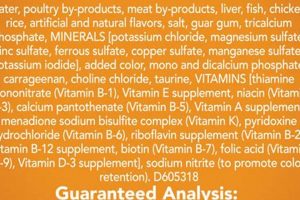
Tip 2: Understand Sodium Content Labeling: Carefully scrutinize the nutritional information on pet food labels. Sodium content is typically expressed as a percentage or in parts per million (ppm). Compare different options and select the one that adheres to the veterinarian’s recommended sodium level for the cat’s condition.
Tip 3: Gradual Dietary Transition: Abrupt changes in diet can lead to digestive upset. Implement a gradual transition by mixing increasing amounts of the new, sodium-restricted option with the current food over a period of several days to weeks.
Tip 4: Monitor Water Intake: Adequate hydration is crucial, especially when modifying a cat’s diet. Ensure fresh, clean water is readily available at all times. Observe drinking habits and consult the veterinarian if there are any concerns about dehydration.
Tip 5: Be Mindful of Treats and Supplements: Many commercial cat treats and dietary supplements contain sodium. Select treats and supplements that are specifically labeled as low-sodium or consult the veterinarian for appropriate alternatives.
Tip 6: Regular Veterinary Check-ups: Following the introduction of a sodium-restricted diet, schedule regular follow-up appointments with the veterinarian. These check-ups allow for monitoring the cat’s progress, adjusting the diet if necessary, and addressing any potential complications.
Tip 7: Avoid Adding Salt: Refrain from adding any table salt or other sodium-containing seasonings to the cat’s food. These additions can negate the benefits of the sodium-restricted diet.
Adhering to these guidelines can contribute to the effective management of health conditions requiring sodium restriction in felines, ultimately supporting their overall well-being.
The subsequent section will address potential risks associated with sodium-restricted diets and necessary precautions to mitigate them.
1. Kidney Disease Management

Chronic kidney disease (CKD) is a prevalent condition in aging felines, characterized by a progressive decline in renal function. Dietary management plays a critical role in mitigating the progression of CKD and alleviating associated clinical signs. Reduced sodium intake, achieved through specialized dietary formulations, represents a significant component of this management strategy.
- Reduced Renal Workload
Limiting sodium intake helps reduce the workload on compromised kidneys. Healthy kidneys regulate sodium and fluid balance. Diseased kidneys struggle to perform this function, and excessive sodium intake can exacerbate fluid retention and increase blood pressure, further damaging the kidneys. A controlled sodium diet minimizes these burdens.
- Blood Pressure Control
Hypertension is a common secondary complication of CKD in cats. Elevated blood pressure accelerates kidney damage. Sodium restriction is a key non-pharmacological approach to managing hypertension. By limiting sodium consumption, blood volume expansion and subsequent increases in blood pressure are mitigated, protecting the kidneys from further injury.
- Phosphorus Management Synergy
Low sodium diets are often formulated in conjunction with other dietary modifications beneficial for CKD, most notably phosphorus restriction. High phosphorus levels contribute to the progression of CKD. Combined reduction of sodium and phosphorus exerts a synergistic effect in slowing disease progression and improving overall feline health.
- Improved Palatability Considerations
Cats with CKD often experience decreased appetite. While sodium restriction is beneficial, it’s crucial that the diet remains palatable to ensure adequate nutrient intake. Manufacturers often formulate low-sodium options with enhanced palatability to encourage consumption and prevent malnutrition in affected felines.
The multifaceted benefits of sodium-restricted diets in CKD management highlight their importance in feline health. Careful consideration of sodium levels, in conjunction with other dietary modifications and veterinary guidance, is essential for optimizing the quality of life and prolonging survival in cats with chronic kidney disease.
2. Hypertension Control

Hypertension, or high blood pressure, is a significant health concern in felines, often secondary to other underlying conditions such as kidney disease or hyperthyroidism. Managing hypertension is crucial to prevent target organ damage, including the eyes, kidneys, brain, and heart. Dietary sodium restriction is a non-pharmacological intervention frequently employed to aid in blood pressure regulation in affected cats.
- Sodium and Blood Volume
Sodium plays a critical role in regulating blood volume. When sodium intake is high, the body retains more water to maintain sodium concentration within a specific range. This increased blood volume elevates blood pressure. Conversely, reducing sodium intake can lower blood volume, leading to a decrease in blood pressure. Therefore, dietary sodium restriction helps to control hypertension by modulating blood volume.
- Renin-Angiotensin-Aldosterone System (RAAS) Modulation
The RAAS is a hormonal system that regulates blood pressure and fluid balance. Sodium intake directly influences the activity of this system. High sodium intake suppresses RAAS activity, while low sodium intake stimulates it. However, in hypertensive cats, the RAAS may be dysregulated. Controlled sodium intake can help to re-sensitize the RAAS to normal regulatory mechanisms, improving blood pressure control.
- Synergistic Effect with Medications
Dietary sodium restriction is often used in conjunction with antihypertensive medications to achieve optimal blood pressure control. By lowering blood pressure through dietary means, the dosage of medication required may be reduced, minimizing the risk of drug-related side effects. The combined approach of diet and medication often proves more effective than either intervention alone.
- Long-Term Cardiovascular Health
Chronic hypertension can lead to significant cardiovascular damage, including left ventricular hypertrophy and heart failure. Maintaining healthy blood pressure through dietary sodium restriction helps to protect the cardiovascular system from long-term damage. This contributes to improved overall health and longevity in hypertensive cats.
In summary, dietary sodium restriction is a valuable tool in the management of feline hypertension. By modulating blood volume, influencing the RAAS, working synergistically with medications, and protecting cardiovascular health, “low sodium cat food” contributes significantly to the effective control of hypertension in affected felines. It is essential to consult a veterinarian to determine the appropriate sodium level and overall dietary plan for each individual cat’s specific needs and medical condition.
3. Heart Health Support
Dietary sodium restriction plays a significant role in supporting heart health in felines, particularly those with pre-existing cardiac conditions or predispositions to heart disease. Excessive sodium intake can lead to fluid retention, increasing blood volume and placing undue strain on the heart. Reduced sodium intake, facilitated by specifically formulated diets, mitigates these effects, thereby assisting in cardiovascular function.
Congestive heart failure (CHF) in cats is a common condition where the heart is unable to pump sufficient blood to meet the body’s needs. Fluid accumulation in the lungs and other tissues is a hallmark of CHF. Limiting sodium intake is a cornerstone of CHF management, as it helps to minimize fluid retention and alleviate pulmonary edema. For example, a cat diagnosed with dilated cardiomyopathy and CHF would typically be prescribed a low-sodium diet alongside other medical interventions such as diuretics. The controlled sodium intake reduces the workload on the heart, improving its efficiency and decreasing the severity of clinical signs.
Consequently, sodium-restricted diets offer a valuable means of supporting heart health in felines, contributing to improved quality of life and potentially extending survival times. However, it is imperative to emphasize that dietary modifications should always be implemented under the guidance of a qualified veterinarian. The specific sodium requirements vary depending on the individual cat’s condition, concurrent medical issues, and overall health status. Self-treating or making dietary changes without professional consultation can be detrimental to the cat’s well-being.
4. Dietary Sodium Reduction

Dietary sodium reduction, as a critical component of specialized feline nutrition, is directly linked to the formulation of “low sodium cat food.” The underlying principle is a cause-and-effect relationship: excessive sodium intake can exacerbate certain feline health conditions, while limiting sodium through dietary means can mitigate their progression or severity. Therefore, when a veterinarian recommends a low-sodium diet for a cat, “low sodium cat food” becomes the practical means of achieving the required dietary sodium reduction.
The importance of dietary sodium reduction stems from its impact on blood volume regulation and kidney function. High sodium levels prompt the body to retain water, increasing blood volume and pressure, which places additional strain on the cardiovascular system and kidneys. Low-sodium diets are particularly relevant for cats with chronic kidney disease (CKD), where the kidneys’ ability to regulate sodium is compromised. Similarly, cats with hypertension or certain heart conditions benefit from sodium reduction to minimize fluid retention and reduce the heart’s workload. A real-life example would be a cat diagnosed with Stage 3 CKD being transitioned to a prescription “low sodium cat food” to help manage their blood pressure and slow the progression of kidney damage.
In summary, “low sodium cat food” is the practical application of dietary sodium reduction principles in feline nutrition. It addresses specific health needs by limiting sodium intake and aims to alleviate associated symptoms and prevent further complications. While effective, the implementation of a “low sodium cat food” regimen should always be conducted under veterinary supervision to ensure appropriate sodium levels, overall nutritional balance, and ongoing monitoring of the cat’s health status. The practical significance of understanding this connection lies in making informed decisions about feline nutrition and seeking professional guidance when dietary modifications are warranted.
5. Veterinary Recommendation
The implementation of a sodium-restricted diet for felines, invariably involving specialized “low sodium cat food,” is inextricably linked to veterinary guidance. This connection is not merely advisory but rather a fundamental prerequisite for responsible and effective dietary management. A veterinarian’s expertise is paramount in determining whether a feline’s clinical condition necessitates sodium restriction, and if so, the specific degree of restriction required to achieve therapeutic benefit without compromising nutritional balance. The availability of specialized “low sodium cat food” options provides the means to implement the veterinarian’s recommendations, but the recommendation itself serves as the critical initiating factor.
The importance of veterinary intervention stems from the potential risks associated with indiscriminate sodium restriction. While excessive sodium can exacerbate certain conditions, insufficient sodium can disrupt electrolyte balance and impact various physiological functions. A veterinarian conducts a thorough assessment, considering factors such as kidney function, blood pressure, cardiac status, and concurrent medical conditions, to establish an individualized dietary plan. For instance, a feline diagnosed with early-stage chronic kidney disease may benefit from a moderate sodium reduction, while a cat with severe heart failure and edema would require a more aggressive restriction. The veterinarian guides the selection of an appropriate “low sodium cat food” based on these parameters, ensuring that the food meets the cat’s specific nutritional needs while adhering to the sodium target. Furthermore, the veterinary recommendation includes ongoing monitoring and potential dietary adjustments based on the cat’s response to therapy and any changes in their clinical status.
In summary, the relationship between “Veterinary Recommendation” and “low sodium cat food” is one of clinical necessity. The former dictates the appropriateness and parameters of the latter. This partnership ensures that sodium-restricted diets are implemented safely, effectively, and in accordance with the individual cat’s health requirements, emphasizing responsible pet ownership and collaboration with qualified veterinary professionals.
Frequently Asked Questions
The following addresses common inquiries regarding the use of diets with reduced sodium content in feline nutrition, providing clarity on their purpose and appropriate application.
Question 1: What specific health conditions warrant the use of “low sodium cat food”?
Diets with reduced sodium are primarily indicated for felines diagnosed with chronic kidney disease, hypertension, or certain cardiac conditions where fluid retention poses a significant concern. A veterinarian’s assessment is essential to determine the appropriateness of such a diet.
Question 2: How does “low sodium cat food” differ from regular cat food?
The primary difference lies in the sodium content. “Low sodium cat food” is specifically formulated to contain a reduced amount of sodium compared to standard maintenance diets. The precise sodium level will vary depending on the brand and the specific dietary requirements for different health conditions.
Question 3: Can “low sodium cat food” be used as a preventative measure?
While sodium restriction can be beneficial for specific health conditions, its routine use as a preventative measure is generally not recommended. Excessive sodium restriction in healthy cats may disrupt electrolyte balance. A veterinarian should be consulted before initiating any dietary changes.
Question 4: Are there potential risks associated with feeding “low sodium cat food”?
Yes, potential risks exist. Excessively restricting sodium can lead to hyponatremia (low blood sodium), causing electrolyte imbalances and potentially impacting neurological function. Furthermore, “low sodium cat food” may not be nutritionally complete if not properly formulated. Veterinary guidance is essential to mitigate these risks.
Question 5: How is the sodium content indicated on “low sodium cat food” labels?
Sodium content is typically expressed as a percentage (%) on a dry matter basis or in parts per million (ppm). It is crucial to compare the sodium levels across different brands and formulations, and to consult with a veterinarian to determine the appropriate level for a specific feline.
Question 6: Can homemade diets effectively replicate “low sodium cat food”?
Preparing a nutritionally balanced and sodium-restricted homemade diet for felines is challenging and requires expert knowledge. Precise ingredient selection and careful monitoring are essential to avoid nutritional deficiencies or imbalances. Commercial “low sodium cat food” options offer a more convenient and reliably balanced alternative.
The key takeaway is that while diets with reduced sodium levels can be therapeutically beneficial, they should only be implemented under veterinary supervision. Individual feline health and dietary requirements dictate the suitability of “low sodium cat food.”
The following section will explore alternative dietary considerations for felines with specific health needs.
Conclusion
The preceding discourse has elucidated the role of “low sodium cat food” as a dietary intervention strategy for managing specific health conditions in felines. These formulations, characterized by reduced sodium content, serve as critical tools in mitigating the progression of ailments such as chronic kidney disease, hypertension, and certain cardiac conditions. The effectiveness of these diets is contingent upon careful consideration of sodium levels, adherence to veterinary recommendations, and continuous monitoring of the cat’s health status.
Given the potential risks associated with indiscriminate sodium restriction, it is imperative that decisions regarding the implementation of “low sodium cat food” be made in consultation with a qualified veterinarian. Responsible pet ownership necessitates informed choices regarding feline nutrition, emphasizing collaboration with veterinary professionals to ensure optimal health outcomes. Future research may focus on refining dietary formulations and developing more precise guidelines for sodium management in felines with varying health needs.

![Easy Homemade Gravy Cat Food Recipe [DIY] | World’s Most Delicious Foods: Must-Try Dishes from Every Country](https://lisasfoods.com/wp-content/uploads/2026/04/th-168-300x200.jpg "Easy Homemade Gravy Cat Food Recipe [DIY] World’s Most Delicious Foods: Must-Try Dishes from Every Country")