



The selection of appropriate nutrition is a crucial determinant of feline health, with coat condition serving as a readily observable indicator. Diets specifically formulated to promote dermal integrity and a lustrous fur appearance are designed to address the nutritional requirements essential for these attributes. These formulations typically incorporate enhanced levels of specific fatty acids, vitamins, and minerals known to support skin cell function and hair follicle health. An example would be a dry kibble or wet food recipe marketed with an emphasis on coat benefits, often containing ingredients like omega-3 and omega-6 fatty acids.
The provision of adequate and balanced nutrition contributes significantly to the overall well-being of felines, extending beyond mere aesthetic considerations. A healthy coat functions as a protective barrier against environmental stressors, regulates body temperature, and plays a role in immune defense. Historically, dietary practices for domestic cats focused primarily on sustenance; however, contemporary understanding of feline nutritional needs has led to the development of specialized diets aimed at optimizing various aspects of their physiology, including dermatological health.
Understanding the specific nutrient profiles that support a healthy coat enables informed decision-making regarding feline dietary choices. The following sections will delve into the key components of such diets, exploring their mechanisms of action and providing practical guidance for selecting suitable nutritional options.
Nutritional Strategies for Optimal Feline Coat Condition
The following recommendations offer guidance in selecting and utilizing dietary options to promote a healthy and vibrant coat in felines. These strategies emphasize nutritional factors known to influence dermal health and hair follicle function.
Tip 1: Prioritize Omega-3 and Omega-6 Fatty Acids: These essential fatty acids play a critical role in reducing inflammation and maintaining skin cell integrity. Look for formulations that include fish oil, flaxseed, or sunflower oil as sources.
Tip 2: Ensure Adequate Protein Intake: Protein is a fundamental building block for hair. Diets should contain a high-quality protein source, such as animal-derived protein, to support hair growth and repair.
Tip 3: Supplement with Vitamin E: This antioxidant protects skin cells from damage caused by free radicals. Consider formulations that include vitamin E or consult with a veterinarian regarding supplementation.
Tip 4: Monitor Zinc Levels: Zinc is essential for skin cell turnover and wound healing. Deficiencies can lead to skin problems. Ensure the diet provides sufficient zinc, but avoid over-supplementation, which can be detrimental.
Tip 5: Consider Hydrolyzed Protein Diets for Sensitivities: If the feline exhibits signs of food allergies or sensitivities, a hydrolyzed protein diet may be beneficial. Hydrolyzed proteins are broken down into smaller fragments, reducing the likelihood of an allergic reaction.
Tip 6: Hydration is Key: Proper hydration supports overall health, including skin and coat condition. Ensure fresh water is always available and consider supplementing with wet food to increase water intake.
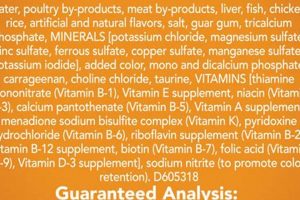
Tip 7: Read Labels Carefully: Scrutinize ingredient lists and nutritional information panels to ensure the chosen formulation meets the feline’s specific nutritional needs. Avoid products with excessive fillers or artificial additives.
Implementing these dietary strategies can contribute to a noticeable improvement in coat condition, reflecting the underlying health and well-being of the feline. However, it is important to remember that dietary changes should be implemented gradually and monitored closely for any adverse effects.
The subsequent section will address potential underlying health conditions that may impact coat quality and necessitate veterinary intervention, even with optimal dietary management.
1. Omega Fatty Acids

Omega fatty acids represent a class of essential polyunsaturated fatty acids that play a pivotal role in maintaining feline dermatological health. Their inclusion in feline diets, specifically those formulated to promote a healthy coat, is predicated on their involvement in various physiological processes directly related to skin and hair follicle function. The two primary omega fatty acids of importance in feline nutrition are omega-3 and omega-6, each contributing distinct benefits.
- Reduction of Inflammation
Omega-3 fatty acids, particularly EPA (eicosapentaenoic acid) and DHA (docosahexaenoic acid), possess anti-inflammatory properties. They modulate the production of inflammatory mediators, thereby mitigating dermatological conditions such as pruritus and dermatitis. In instances of allergic skin reactions or inflammatory skin diseases, the incorporation of omega-3 fatty acids into the diet can lead to a reduction in clinical signs and improved coat quality.
- Support of Skin Barrier Function
Omega-6 fatty acids, such as linoleic acid (LA), are essential components of the epidermal lipid barrier. This barrier prevents transepidermal water loss, maintaining skin hydration and preventing the entry of allergens and pathogens. A deficiency in omega-6 fatty acids can compromise the skin barrier, leading to dry, flaky skin and increased susceptibility to infections. The inclusion of appropriate levels of omega-6 fatty acids in feline diets supports the integrity of this barrier.
- Influence on Hair Follicle Health
Both omega-3 and omega-6 fatty acids exert influence on hair follicle function, affecting hair growth, shedding, and overall coat quality. These fatty acids contribute to the structural integrity of hair shafts, promoting a lustrous and resilient coat. Deficiencies can manifest as dull, brittle hair and excessive shedding. Balanced supplementation with both omega-3 and omega-6 fatty acids can optimize hair follicle function and enhance coat appearance.
- Modulation of Lipid Metabolism
Omega fatty acids play a role in the regulation of lipid metabolism within the skin. They can influence the composition and distribution of lipids in the skin’s cellular membranes, which impacts the texture and overall health of the epidermal layer. When properly modulated through adequate dietary intake, these lipids contribute to a smoother and more supple skin surface, reducing the appearance of dryness and scaling, thereby enhancing coat appearance.
The strategic incorporation of omega-3 and omega-6 fatty acids into feline diets formulated for healthy coat promotion is a scientifically supported approach. While the specific ratio of omega-3 to omega-6 may vary depending on the feline’s individual needs and underlying health conditions, ensuring adequate intake of both classes of fatty acids is crucial for maintaining optimal dermatological health and a vibrant coat.
2. Protein Quality

The quality of protein in feline diets is a critical determinant of coat health. Protein provides the essential amino acids necessary for the synthesis of keratin, the primary structural protein of hair. Inadequate protein quality can manifest as a dull, brittle coat, increased shedding, and impaired skin integrity. Therefore, selecting feline diets with high-quality protein sources is paramount for achieving optimal coat condition.
- Amino Acid Profile
The amino acid composition of a protein source directly impacts its nutritional value. Cats require specific essential amino acids that they cannot synthesize themselves and must obtain from their diet. Animal-derived protein sources, such as meat and fish, generally provide a more complete amino acid profile compared to plant-based proteins. A deficiency in essential amino acids, such as taurine or methionine, can compromise keratin synthesis, leading to impaired coat growth and quality. For example, a cat food lacking sufficient taurine, often seen in poorly formulated vegetarian diets, can result in a dry, sparse coat.
- Digestibility and Bioavailability
Even if a diet contains adequate amounts of protein, its digestibility and bioavailability are crucial for nutrient absorption. Highly digestible protein sources are more readily broken down into amino acids that can be utilized by the body. Factors such as processing methods and the presence of anti-nutritional factors can affect protein digestibility. For instance, raw food diets, while containing high levels of protein, may pose digestibility challenges due to their complex protein structures. Similarly, heavily processed kibble may contain denatured proteins that are less readily absorbed. A cat food with high protein digestibility ensures that the cat can efficiently utilize the amino acids for keratin synthesis, promoting a healthy coat.
- Source of Protein
The source of protein significantly influences its quality. Animal-derived proteins, such as chicken, fish, and beef, typically have a higher biological value for cats than plant-derived proteins, like soy or corn gluten meal. This is because animal proteins contain a more complete amino acid profile and are more easily digested. For instance, a cat food that lists chicken as its primary ingredient is likely to provide a more readily available and usable source of amino acids for keratin synthesis compared to a cat food with corn as the main protein source.
- Impact of Processing Methods
The methods used to process cat food can affect protein quality. Excessive heat treatment, extrusion, and other processing techniques can denature proteins, reducing their digestibility and bioavailability. Choosing minimally processed cat food or opting for cooking methods that preserve protein integrity can help ensure that the cat receives high-quality protein. For example, gently steamed or freeze-dried cat food may retain more of the protein’s natural structure and amino acid profile compared to highly processed dry kibble.
In conclusion, protein quality is a multifaceted aspect of feline nutrition that significantly influences coat health. Attention to amino acid profile, digestibility, protein source, and processing methods is essential when selecting cat food formulated to promote a healthy coat. Prioritizing high-quality protein sources ensures that cats receive the necessary building blocks for keratin synthesis, resulting in a lustrous, resilient coat.
3. Vitamin E Enrichment
Vitamin E, a group of fat-soluble compounds with potent antioxidant properties, is a crucial component in feline diets formulated to promote a healthy coat. Its inclusion, often denoted as “Vitamin E enrichment” on product labels, directly addresses the oxidative stress that can compromise skin and hair follicle health, ultimately impacting coat condition.
- Protection Against Oxidative Damage
Vitamin E acts as a primary antioxidant, neutralizing free radicals generated during normal metabolic processes and environmental exposure. These free radicals can damage cellular structures, including those within the skin and hair follicles, leading to inflammation, impaired cell function, and ultimately, a dull, brittle coat. By scavenging these free radicals, Vitamin E protects cellular membranes and DNA, preserving their integrity and supporting optimal function. For example, cats exposed to environmental pollutants benefit from increased Vitamin E intake to mitigate the oxidative damage caused by these stressors.
- Support for Skin Barrier Function
Vitamin E contributes to the maintenance of the skin barrier, which is essential for preventing transepidermal water loss and protecting against external irritants and pathogens. By protecting the lipid components of the skin barrier from oxidative damage, Vitamin E helps maintain its integrity and functionality. A compromised skin barrier can lead to dry, itchy skin and increased susceptibility to infections, negatively impacting coat condition. Cat food enriched with Vitamin E can help strengthen this barrier, promoting a healthier, more resilient coat. Cats with pre-existing skin conditions often benefit from Vitamin E supplementation as part of a broader treatment plan.
- Enhancement of Immune Response
Vitamin E plays a role in modulating the immune system, supporting its ability to respond effectively to infections and other challenges. A healthy immune system is crucial for maintaining skin health, as it helps prevent and resolve infections that can compromise coat condition. Vitamin E enhances the function of immune cells, promoting a more robust and balanced immune response. In cats with underlying immune deficiencies, Vitamin E supplementation can improve their ability to fight off skin infections and maintain a healthy coat. For instance, older cats, whose immune systems may be less efficient, benefit from the immune-boosting properties of Vitamin E to protect against dermatological issues.
- Synergistic Effects with Other Nutrients
Vitamin E often works synergistically with other nutrients, such as selenium and vitamin C, to enhance its antioxidant and immune-boosting effects. The combination of these nutrients can provide a more comprehensive approach to protecting skin and hair follicle health. For instance, selenium helps recycle Vitamin E, extending its antioxidant activity. Cat food formulations that include a combination of these nutrients are more likely to deliver optimal results in terms of coat condition. The inclusion of Vitamin C alongside Vitamin E supports collagen synthesis, further promoting skin elasticity and health.
In conclusion, Vitamin E enrichment is a critical consideration when selecting cat food formulated for a healthy coat. Its antioxidant properties, contribution to skin barrier function, enhancement of immune response, and synergistic effects with other nutrients collectively support dermatological health and promote a lustrous, resilient coat. The inclusion of adequate levels of Vitamin E in the diet helps protect skin and hair follicles from oxidative damage and supports their optimal function, contributing to overall feline well-being.
4. Zinc Bioavailability

Zinc bioavailability, the proportion of dietary zinc that is absorbed and utilized by the body, is a critical factor in the formulation of feline diets intended to promote a healthy coat. While the total zinc content in a cat food is important, the extent to which that zinc can be absorbed and used for physiological processes directly influences its efficacy. Poor zinc bioavailability can lead to deficiencies, even when total zinc levels appear adequate, resulting in dermatological issues that compromise coat quality.
- Role in Keratin Synthesis
Zinc is an essential cofactor for enzymes involved in keratin synthesis, the primary structural protein of hair and skin. Adequate zinc bioavailability ensures that these enzymes function optimally, promoting the production of strong, resilient hair shafts and healthy skin cells. Deficiencies in bioavailable zinc can impair keratin production, leading to a dull, brittle coat and increased shedding. For example, cat foods containing high levels of phytates, which bind zinc and reduce its absorption, can inadvertently lead to zinc deficiency despite seemingly adequate zinc content.
- Influence on Skin Cell Turnover
Zinc plays a vital role in skin cell turnover and wound healing. It supports the proliferation and differentiation of keratinocytes, the cells that make up the outermost layer of the skin. Bioavailable zinc facilitates efficient skin cell regeneration, contributing to a healthy skin barrier and preventing the accumulation of dead skin cells that can lead to a dull coat. Cat food formulations lacking sufficient bioavailable zinc can result in delayed wound healing and increased susceptibility to skin infections. For instance, diets based on processed ingredients with limited zinc availability can cause chronic skin problems despite adequate caloric intake.
- Impact on Immune Function
Zinc is a crucial component of the feline immune system, influencing the activity of immune cells and the production of antibodies. Adequate zinc bioavailability supports a robust immune response, helping to prevent skin infections and allergic reactions that can compromise coat health. Zinc deficiency can weaken the immune system, making cats more susceptible to dermatological problems. For example, senior cat food formulations that do not adequately address zinc bioavailability can lead to increased skin sensitivity and susceptibility to opportunistic infections that impair coat quality.
- Chelation and Absorption Enhancers
The bioavailability of zinc can be influenced by the presence of chelating agents and absorption enhancers in cat food. Chelating agents, such as amino acids and organic acids, can bind to zinc, improving its solubility and absorption in the digestive tract. Conversely, certain ingredients, such as phytates found in plant-based proteins, can reduce zinc bioavailability. Cat food manufacturers may add chelated zinc or other absorption enhancers to their formulations to improve the utilization of zinc by the cat. Examples include zinc proteinate or zinc methionine, which offer higher bioavailability compared to zinc oxide or zinc sulfate. Formulations with carefully balanced chelating agents can significantly improve the dermatological health of cats compared to standard zinc supplementation.
In conclusion, zinc bioavailability is a key consideration when formulating cat food for a healthy coat. While the total zinc content is important, the extent to which that zinc can be absorbed and utilized for physiological processes directly influences its efficacy. Prioritizing cat food with easily absorbed forms of zinc is essential for promoting optimal dermatological health and a lustrous coat. Addressing zinc bioavailability issues will have positive downstream effects on the coats health, contributing to overall feline well-being.
5. Hydration Levels

Adequate hydration levels are inextricably linked to feline coat health, functioning as a cornerstone of effective dermatological maintenance. Dehydration compromises cellular function throughout the body, including the skin and hair follicles, directly impacting coat appearance and resilience. The physiological processes that support a healthy coat depend on sufficient water intake to facilitate nutrient transport, waste removal, and the maintenance of cellular turgor. Without proper hydration, the coat becomes dry, brittle, and prone to breakage. For instance, cats exclusively fed dry kibble, which has a low moisture content, are at a higher risk of dehydration and associated coat problems if their water intake is not actively managed.
The relationship between hydration and coat health is further exemplified in the context of skin barrier function. The skin’s stratum corneum, the outermost layer, requires adequate hydration to maintain its integrity as a protective barrier. Dehydration disrupts this barrier, increasing transepidermal water loss and making the skin more susceptible to environmental irritants and pathogens. This, in turn, can lead to inflammation, itchiness, and a dull, unhealthy coat. Moreover, chronic dehydration can exacerbate underlying dermatological conditions, such as allergies, making them more difficult to manage. Therefore, promoting optimal hydration through diet and readily available water sources is an essential component of any strategy aimed at improving feline coat health. For example, integrating wet food into the diet, providing multiple water sources, and encouraging water consumption through flavored water or water fountains are practical steps to ensure proper hydration.
In summary, maintaining adequate hydration levels is not merely an ancillary consideration but a fundamental requirement for a healthy feline coat. Dehydration directly impairs cellular function and compromises the skin barrier, leading to a cascade of negative effects on coat appearance and resilience. By prioritizing hydration as a key component of feline nutritional management, owners can significantly contribute to the overall dermatological health and well-being of their cats, leading to a visibly improved and healthier coat. Addressing hydration challenges is crucial for any holistic approach to feline coat care.
Frequently Asked Questions
This section addresses common inquiries regarding the selection and utilization of feline diets to promote optimal coat condition. The information provided is intended to offer clarification and evidence-based guidance.
Question 1: Can a specific diet truly improve a feline’s coat condition, or is it primarily genetic?
While genetics play a role, dietary factors significantly influence coat health. Specific nutrients, such as omega fatty acids and high-quality protein, directly support skin and hair follicle function, leading to improved coat quality.
Question 2: What ingredients should be avoided in “cat food for healthy coat?”
Fillers, artificial additives, and excessive carbohydrates should be minimized. These ingredients offer limited nutritional value and can contribute to digestive issues, potentially affecting coat condition.
Question 3: Is grain-free “cat food for healthy coat” always a superior choice?
Grain-free diets are not inherently superior. The focus should be on the overall nutritional profile, including protein quality, fatty acid balance, and vitamin/mineral content, rather than simply eliminating grains. Some cats may benefit from grain-free options if they have sensitivities or allergies, but this is not universally applicable.
Question 4: How long does it typically take to see improvements in a feline’s coat after switching to a specialized diet?
Visible improvements may take several weeks to months. Hair growth is a relatively slow process, and it requires time for the new, healthier hair to replace the existing coat. Consistent adherence to the dietary regimen is crucial.
Question 5: Can “cat food for healthy coat” address underlying medical conditions affecting coat quality?
Specialized diets can support overall health and potentially alleviate some dermatological symptoms. However, underlying medical conditions, such as allergies, infections, or hormonal imbalances, require veterinary diagnosis and treatment. Dietary modifications should be considered part of a comprehensive management plan, not a replacement for veterinary care.
Question 6: Are there any risks associated with switching to a specialized “cat food for healthy coat?”
Sudden dietary changes can cause digestive upset. It is recommended to transition gradually over a period of several days to minimize the risk of gastrointestinal issues. Monitoring the feline’s response to the new diet is essential.
In summary, proper nutrition is a critical aspect of maintaining optimal feline coat health. Careful selection of diets, focusing on nutrient quality and digestibility, can contribute significantly to a lustrous and resilient coat. However, veterinary consultation remains essential for addressing underlying medical conditions that may impact coat quality.
The following section will explore the role of grooming practices in maintaining a healthy feline coat, complementing the benefits of a well-balanced diet.
Cat Food for Healthy Coat
The preceding analysis has elucidated the significant impact of nutrition on feline coat condition. Specifically, the appropriate selection of cat food, emphasizing the inclusion of omega fatty acids, high-quality protein, adequate zinc bioavailability, vitamin E enrichment, and sufficient hydration, serves as a cornerstone of dermatological health. The synergy between these nutritional components directly influences keratin synthesis, skin barrier function, and immune response, collectively contributing to a lustrous and resilient coat.
Ultimately, informed dietary choices, coupled with regular veterinary care, are essential for optimizing feline well-being. Prioritizing scientifically sound nutritional principles and diligently monitoring a cat’s coat condition provides valuable insights into its overall health status, facilitating proactive intervention when necessary. A sustained commitment to responsible nutritional management ensures the maintenance of feline dermatological integrity and contributes to a higher quality of life.
![Easy Homemade Gravy Cat Food Recipe [DIY] | World’s Most Delicious Foods: Must-Try Dishes from Every Country](https://lisasfoods.com/wp-content/uploads/2026/04/th-168-300x200.jpg "Easy Homemade Gravy Cat Food Recipe [DIY] World’s Most Delicious Foods: Must-Try Dishes from Every Country")