



Whole grain rice, frequently incorporated into feline diets, represents a carbohydrate source. Its inclusion aims to provide energy and fiber. The grain undergoes minimal processing, retaining the bran and germ layers, which contribute to its nutritional profile compared to its refined counterpart. A typical formulation might list it amongst other ingredients after protein sources.
Its significance within these formulations stems from its potential to contribute soluble fiber, which can aid in digestive regularity. Historically, grains have been utilized as a cost-effective means of supplementing caloric content. The nutritional advantages, while present, are secondary to the primary protein sources essential for obligate carnivores. The ingredient’s role is often debated due to the specific dietary needs of cats.
Further discussion will address its presence in varying formulations, the potential advantages and disadvantages associated with its use, and alternative carbohydrate sources that may be considered in feline nutrition. A balanced approach to understanding its impact is necessary for informed pet owner decisions.
Considerations for Feline Diets Containing Whole Grain Rice
The following points offer guidance regarding the inclusion of a specific grain in feline diets, promoting informed choices based on nutritional needs.
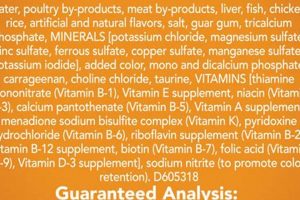
Tip 1: Understand Ingredient Order: Check the ingredient list. Ingredients are listed in descending order by weight. Its position relative to protein sources indicates its prominence in the formulation.
Tip 2: Assess Fiber Content: Evaluate the dietary fiber percentage on the guaranteed analysis. Fiber can contribute to digestive health, but excessive amounts might hinder nutrient absorption.
Tip 3: Observe Digestive Response: Monitor the cat’s stool consistency. Diarrhea or constipation may suggest intolerance or improper formulation.
Tip 4: Compare Protein Levels: Prioritize formulations with high-quality animal protein sources. The grain should supplement, not replace, essential amino acids.
Tip 5: Consider Breed and Activity Level: Active or larger breeds may benefit from the added caloric density, whereas sedentary cats may require lower carbohydrate options.
Tip 6: Consult a Veterinarian: Seek professional advice regarding specific dietary requirements, especially for cats with health conditions such as diabetes or allergies.
Tip 7: Evaluate for Allergies: While rare, grain allergies can occur. Signs include skin irritation, vomiting, or diarrhea. Consider alternative carbohydrate sources if suspected.
Proper assessment of dietary compositions and monitoring a cat’s response are crucial for ensuring nutritional adequacy. Veterinary guidance is recommended for individualized dietary plans.
The subsequent sections will delve into specific dietary requirements and alternative feeding strategies for optimal feline health.
1. Carbohydrate Source

As a carbohydrate source within feline diets, whole grain rice supplies glucose, a primary energy substrate. The process begins with digestion, where enzymes break down complex carbohydrates into simpler sugars, absorbed into the bloodstream. Insulin facilitates glucose uptake by cells for energy production or storage as glycogen in the liver and muscles. The efficiency of this process and the subsequent impact on feline health depend on the quantity and quality of the carbohydrate source and the animal’s individual metabolic characteristics.
For instance, a formulation where this grain constitutes a substantial portion may lead to a rapid rise in blood glucose levels. Chronically elevated glucose can contribute to insulin resistance and potentially diabetes, a condition observed in some felines. Conversely, a smaller, controlled inclusion rate might provide a sustained energy release without overwhelming the metabolic system. Commercial diets frequently utilize it as a more cost-effective means of providing energy compared to solely relying on animal protein.
In summary, the role of the grain as a carbohydrate source must be viewed within the context of overall dietary composition, considering its potential impact on feline metabolism. Over-reliance on this carbohydrate source presents a risk of metabolic dysregulation. A balanced approach, prioritizing animal protein and limiting the quantity of plant-based carbohydrates, aligns with the obligate carnivorous physiology of felines, promoting metabolic health and mitigating potential adverse effects.
2. Fiber Contribution

Whole grain rice introduces both soluble and insoluble fiber into feline diets. Soluble fiber absorbs water, forming a gel-like substance that can slow gastric emptying and regulate blood sugar levels. Insoluble fiber adds bulk to the stool, promoting intestinal motility and preventing constipation. The specific fiber content and the ratio between soluble and insoluble fractions vary depending on the variety and processing of the grain itself. For example, a less processed grain variant will typically yield higher fiber levels. The inclusion of this grain in commercial feline diets aims to provide a supplemental fiber source, often complementing other fiber-rich ingredients like beet pulp or cellulose.
The beneficial effects of fiber depend on the individual cat’s digestive physiology and the overall diet composition. Insufficient fiber can lead to digestive irregularities, such as diarrhea or constipation. Conversely, excessive fiber can impede nutrient absorption by binding to minerals and reducing their bioavailability. As an example, a cat consuming a diet heavily reliant on this grain might exhibit reduced absorption of essential minerals, such as iron or zinc, if the fiber content is disproportionately high. Careful consideration of the amount and type of fiber present is therefore essential when formulating feline diets.
The fiber fraction supplied by this grain represents a component with both potential benefits and risks. Its contribution to digestive health depends on appropriate inclusion levels, balanced with other nutritional elements. Over-reliance on this grain as a primary fiber source might inadvertently create digestive imbalances, necessitating careful observation and adjustment to maintain optimal feline health. Veterinary consultation can help determine appropriate fiber levels based on individual feline needs and existing health conditions.
3. Ingredient Positioning

Ingredient positioning on a pet food label directly reflects the relative weight of each component within the formulation, prior to processing. Consequently, placement is a crucial indicator of the proportion of this grain present in the finished product. Regulations mandate that ingredients be listed in descending order by weight. Therefore, its position relative to animal protein sources, such as chicken, fish, or beef, serves as a primary indicator of its prominence in the diet. A listing before these protein sources suggests it comprises a significant portion of the formulation.
For example, if a feline diet lists “chicken, this grain, corn gluten meal…” it indicates that chicken is the most abundant ingredient by weight, followed by the grain. This positioning has implications for the nutritional profile. Higher placement may suggest a formulation that prioritizes carbohydrate content over animal protein, which is often debated for obligate carnivores. Conversely, a lower position indicates a smaller proportion, potentially serving as a supplementary fiber or energy source. Several brands employ this grain lower in the ingredient list, positioning animal proteins at the top, thereby signaling a protein-centric diet.
In conclusion, the ingredient’s positioning functions as a readily accessible marker for assessing the dietary composition. Pet owners can leverage this information to evaluate the protein-to-carbohydrate ratio of different formulations, making informed decisions aligning with the nutritional needs of their cats. However, understanding requires recognizing limitations, as ingredient weights do not necessarily correlate with nutrient bioavailability or digestibility. It remains one of the more transparent indicators available on commercial pet food labels.
4. Digestive Impact

The inclusion of whole grain rice in feline diets can exert varied effects on digestive processes. Its fiber content, encompassing both soluble and insoluble fractions, directly influences stool consistency, gut motility, and nutrient absorption. As a complex carbohydrate, it undergoes enzymatic breakdown within the digestive tract. The efficiency of this breakdown, and the subsequent absorption of glucose, impacts blood sugar regulation and energy availability. Improper digestion can lead to digestive upset. As an example, a sudden dietary shift introducing a high concentration of this grain can trigger diarrhea, resulting from the rapid fermentation of undigested carbohydrates in the large intestine.
The soluble fiber fraction contributes to the formation of a viscous gel in the digestive tract, potentially slowing gastric emptying and promoting satiety. This can be beneficial in weight management formulations. Conversely, the insoluble fiber adds bulk to the stool, facilitating passage through the colon and mitigating constipation. The balance between these fiber types is crucial. An excess of insoluble fiber, for example, may lead to reduced nutrient absorption, as it binds to minerals and carries them out of the body. Certain cats may exhibit sensitivities, manifested as vomiting or diarrhea, even with moderate inclusion levels. Thus, its digestive impact is contingent upon individual physiology, dietary composition, and the processing of the grain itself.
In summary, the digestive consequences are a function of the grain’s interaction with the feline gastrointestinal system. Positive effects, such as regulated bowel movements, are contingent on appropriate fiber levels and tolerance. Negative effects, including digestive upset or reduced nutrient absorption, arise from imbalances or individual sensitivities. Awareness of these potential impacts, coupled with careful monitoring of stool quality and digestive health, is essential when considering the inclusion of whole grain rice in feline diets.
5. Allergy Potential

The allergy potential associated with whole grain rice in feline diets represents a consideration in hypoallergenic formulations and management of adverse food reactions. While not as prevalent as protein-based allergies, carbohydrates, including this grain, can elicit immune responses in susceptible individuals. Assessment of dietary composition and careful observation of clinical signs are crucial for managing such allergies.
- Incidence Rate
Grain allergies in felines are less common compared to protein allergies, specifically those stemming from beef, fish, or chicken. However, the exact incidence remains difficult to ascertain due to underreporting and the challenges of definitive diagnosis. Sensitivities to specific grains may vary geographically and depend on dietary exposure patterns. The assumption that rice is inherently hypoallergenic is not uniformly accurate, as some cats may develop an immune response to it over time.
- Mechanism of Allergic Reaction
The allergic reaction to this grain is fundamentally an immunological response. It initiates when the feline’s immune system mistakenly identifies components within the grain as harmful. This prompts the production of IgE antibodies, which then bind to mast cells. Subsequent exposure triggers mast cell degranulation, releasing histamine and other inflammatory mediators. These mediators cause clinical signs such as pruritus, gastrointestinal distress, and, in rare cases, respiratory symptoms. The reaction may develop over time with repeated exposure.
- Clinical Manifestations
Clinical signs of a rice allergy in cats can manifest in various forms. Dermatologic signs include pruritus (itching), erythema (redness), and lesions, often around the face, ears, and paws. Gastrointestinal signs may involve vomiting, diarrhea, and flatulence. In severe cases, systemic reactions such as anaphylaxis, though rare, are possible. Differentiating these signs from other allergies or dermatological conditions requires careful clinical evaluation and potentially diagnostic testing.
- Diagnostic and Management Strategies
Diagnosing a rice allergy typically involves an elimination diet. This requires feeding the cat a novel protein and carbohydrate source (i.e., one they have not previously been exposed to) for a defined period, usually several weeks, followed by a controlled reintroduction of this grain. If clinical signs recur upon reintroduction, an allergy is suspected. Management primarily consists of avoidance. Alternatives include grain-free diets, novel carbohydrate sources, or hydrolyzed protein formulations, where proteins are broken down into smaller, less allergenic fragments. Veterinary guidance is essential for proper diagnosis and dietary management.
Considering the allergy potential, prudent dietary management involves assessing the individual feline’s history, observing any adverse reactions, and consulting with a veterinarian. While this grain is often considered a benign carbohydrate source, the possibility of allergic response warrants attention when selecting and managing feline diets.
6. Nutritional Value

The nutritional value of whole grain rice in feline diets centers on its contribution of carbohydrates, fiber, and certain micronutrients. However, this must be viewed within the context of the cat’s obligate carnivorous nature. The primary effect of including this grain stems from its provision of glucose, a readily available energy source. Its significance lies in supplying calories, but its impact is subordinate to protein and fat derived from animal sources, essential for tissue maintenance and metabolic processes. As a real-life example, a diet relying excessively on this grain might provide adequate calories but lack the essential amino acids crucial for muscle synthesis. Understanding this is practically significant for formulating diets that meet the fundamental physiological needs of cats.
Further analysis reveals that this grain contributes soluble and insoluble fiber. Soluble fiber supports digestive regulation and can influence blood glucose levels. Insoluble fiber promotes bowel regularity. However, excessive fiber may hinder nutrient absorption. For instance, a diet high in this grain may reduce the bioavailability of minerals like iron and zinc. The selection and processing of this grain influence its fiber content. A coarsely ground grain provides more fiber than a finely milled version. Practical applications include using this grain in weight management formulations due to its ability to promote satiety, though careful monitoring is needed to prevent nutritional deficiencies.
In summary, the nutritional value depends on the formulation’s balance and the individual feline’s needs. While this grain can provide energy and fiber, its inclusion necessitates careful consideration to avoid compromising the intake of essential nutrients derived from animal sources. Challenges arise in ensuring adequate protein and fat intake alongside carbohydrate sources. Linking to the broader theme of feline nutrition, the goal remains to create a diet that aligns with the cat’s physiological requirements, with carbohydrate sources playing a supplementary, rather than central, role. Understanding of nutritional value of this grain is crucial in formulating feline diets that meet essential physiological needs.
7. Formulation Balance
The concept of formulation balance is central to understanding the suitability of including whole grain rice in feline diets. It refers to the precise ratio of macronutrients (protein, fat, carbohydrates) and micronutrients (vitamins, minerals) designed to meet the specific nutritional requirements of cats. An imbalance can lead to deficiencies, excesses, or metabolic stress.
- Protein-to-Carbohydrate Ratio
In feline diets, maintaining a high protein-to-carbohydrate ratio is crucial, reflecting their obligate carnivorous physiology. The protein content should primarily derive from animal sources to provide essential amino acids. The inclusion of this grain must not displace or dilute the concentration of animal protein. A formulation predominantly composed of this grain might lead to inadequate protein intake, potentially causing muscle loss or impaired immune function. Properly balanced formulations will list animal proteins as the primary ingredients and incorporate the grain in smaller proportions.
- Fiber and Digestibility
The dietary fiber provided by this grain can influence digestive health, but excessive fiber content can reduce the digestibility of other nutrients. The fiber must be balanced to promote regular bowel movements without impairing the absorption of essential nutrients like amino acids and minerals. A formulation excessively high in this grain and other fiber sources could result in nutrient deficiencies, even if the nutrient levels appear adequate on paper. Formulations must consider the bioavailability of nutrients alongside their absolute quantities.
- Glycemic Index and Metabolic Effects
The glycemic index (GI) of carbohydrate sources affects blood glucose levels. While whole grain rice has a lower GI compared to refined grains, it still contributes to glucose load. Balancing its presence with sufficient protein and fat can help mitigate rapid glucose spikes. Frequent consumption of high-glycemic carbohydrate sources may contribute to insulin resistance and diabetes in susceptible cats. Formulations must account for the overall glycemic load and its potential impact on metabolic health, particularly in less active or overweight cats.
- Vitamin and Mineral Fortification
Formulations incorporating this grain may require additional vitamin and mineral fortification to compensate for potential reductions in bioavailability or to meet specific feline requirements. The grain itself does not provide a complete micronutrient profile. Calcium, taurine, and certain B vitamins are often supplemented to ensure nutritional adequacy. Unbalanced formulations may lead to deficiencies, even if the ingredient list appears comprehensive. Proper formulation considers not only the presence but also the bioavailability and interactions of all nutrients.
In conclusion, the formulation balance serves as the framework for evaluating the appropriateness of this grain in feline diets. It is essential to consider the impact on protein intake, fiber digestibility, glycemic response, and micronutrient availability. Thoughtful formulation is paramount to ensure that its inclusion complements, rather than compromises, the overall nutritional value of the diet.
Frequently Asked Questions Regarding the Inclusion of Whole Grain Rice in Feline Diets
This section addresses common inquiries and dispels misconceptions regarding the presence of a specific grain in feline nutritional plans, providing clarity and informed perspectives.
Question 1: Is whole grain rice a necessary ingredient in feline diets?
Whole grain rice is not an essential ingredient for felines. Cats are obligate carnivores and primarily require nutrients derived from animal sources. The inclusion of this grain typically serves as a carbohydrate source for energy or a fiber source for digestive regulation, not as a primary nutritional necessity.
Question 2: Does the presence of this grain indicate a lower quality diet?
The presence of this grain does not automatically signify lower diet quality. However, its position on the ingredient list is a critical indicator. If it precedes animal protein sources, it suggests a higher proportion of carbohydrates relative to protein, which may not be optimal for obligate carnivores. Quality is determined by the overall nutritional balance and source of ingredients.
Question 3: Can a cat be allergic to this grain?
Yes, while less common than protein allergies, felines can exhibit allergic reactions to this grain. Signs may include skin irritation, digestive upset, or respiratory symptoms. Diagnosis typically involves an elimination diet under veterinary supervision. Hypoallergenic alternatives exist.
Question 4: Does cooking or processing affect the nutritional value of the grain?
Cooking significantly improves the digestibility of this grain for felines. Raw grains are difficult for cats to digest and can lead to digestive upset. Processing methods, such as extrusion used in kibble production, also enhance digestibility but may affect the fiber content and glycemic index.
Question 5: Is brown rice better than white rice in feline diets?
Brown rice generally offers more fiber and micronutrients compared to white rice, making it a marginally preferable option when including rice in feline diets. However, the overall quantity and balance of nutrients remain more critical than the specific type of rice used.
Question 6: Should this grain be avoided in diabetic feline diets?
The suitability of including this grain in diabetic feline diets requires careful consideration. Carbohydrates can impact blood glucose levels. While whole grains have a lower glycemic index than refined grains, the quantity should be controlled. Consultation with a veterinarian is essential to determine appropriate carbohydrate levels and manage blood glucose effectively.
The key takeaways from this FAQ section emphasize that this grain, while not inherently detrimental, must be assessed within the context of the overall diet and the specific needs of the feline. The inclusion requires careful evaluation, monitoring, and, when necessary, veterinary guidance.
The following section will delve into alternative carbohydrate sources and their suitability for feline diets.
Conclusion
The preceding analysis reveals that whole grain rice in feline diets represents a multifaceted ingredient. Its inclusion necessitates careful consideration of nutritional balance, digestive impact, and potential allergenic responses. While not inherently detrimental, the ingredient’s suitability hinges on appropriate formulation, prioritizing animal protein and mindful integration of carbohydrate sources. Ingredient positioning, fiber content, and individual feline sensitivities are critical determinants of its overall impact.
Continued vigilance and informed decision-making are essential for pet owners navigating dietary choices for their feline companions. Recognizing that feline nutrition is not a one-size-fits-all endeavor, individualized assessment and, when needed, professional veterinary consultation are strongly advised to ensure optimal health and well-being.
![Easy Homemade Gravy Cat Food Recipe [DIY] | World’s Most Delicious Foods: Must-Try Dishes from Every Country](https://lisasfoods.com/wp-content/uploads/2026/04/th-168-300x200.jpg "Easy Homemade Gravy Cat Food Recipe [DIY] World’s Most Delicious Foods: Must-Try Dishes from Every Country")