Organizations in the Shreveport area of Louisiana play a vital role in addressing food insecurity within the community. These entities function as central hubs, collecting and distributing donated food items to individuals and families facing hunger. This coordinated effort ensures that resources are efficiently channeled to those in need throughout the region.
The impact of these resource centers extends beyond immediate hunger relief. By providing consistent access to nutritious food, they contribute to improved health outcomes, increased economic stability, and enhanced overall well-being for vulnerable populations. Their existence is often rooted in a history of community activism and a commitment to addressing systemic issues related to poverty and food access within the local environment. These organizations collaborate with local businesses, volunteers, and other non-profits to maximize their reach and effectiveness.
Understanding the specific operational models, the challenges faced, and the diverse programs offered by these institutions provides a crucial lens through which to examine the broader landscape of food security efforts in northern Louisiana. Further examination into volunteer opportunities, donation procedures, and the populations served helps illuminate their crucial function within the Shreveport community.
Guidance for Supporting Food Security in Shreveport, Louisiana
Individuals and organizations seeking to contribute to hunger relief in the Shreveport area should consider the following guidelines to maximize their impact.
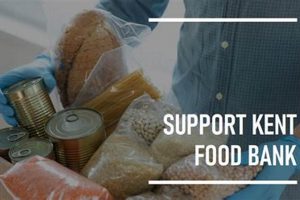
Tip 1: Prioritize Non-Perishable Donations: Canned goods, shelf-stable milk alternatives, and dry goods offer extended storage life and facilitate efficient distribution. Check expiration dates to ensure product safety.
Tip 2: Offer Financial Contributions: Monetary donations provide the flexibility to purchase needed items in bulk and address specific dietary requirements, such as gluten-free or low-sodium options. Financial contributions also support operational costs, including transportation and storage.
Tip 3: Volunteer Time and Expertise: Assist with sorting, packing, and distributing food items. Skilled volunteers can offer administrative support, fundraising assistance, or expertise in areas like nutrition education.
Tip 4: Advocate for Policy Changes: Support legislative initiatives that address food insecurity at the local, state, and federal levels. Engage in discussions with elected officials regarding funding for food assistance programs and policies that promote equitable access to nutritious food.
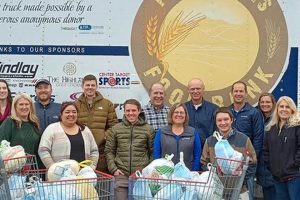
Tip 5: Organize Food Drives: Coordinate food drives within communities, workplaces, or schools to collect non-perishable items. Promote awareness of the specific needs of local food banks to ensure that donations are aligned with current demand.
Tip 6: Partner with Local Businesses: Collaborate with grocery stores, restaurants, and other food-related businesses to establish donation programs or reduce food waste. Explore opportunities for businesses to contribute excess inventory or sponsor fundraising events.
By implementing these strategies, individuals and organizations can meaningfully contribute to alleviating hunger and strengthening food security within the Shreveport community. Collective action and sustained commitment are essential for addressing this ongoing challenge.
Implementing these suggestions can amplify the impact and improve the effectiveness of the efforts aimed at supporting the food security of the region.
1. Resource Acquisition

Resource acquisition forms the foundational pillar upon which any entity serving as a regional food bank, including those operating in Shreveport, Louisiana, can effectively address food insecurity. Without a consistent and robust supply of food and essential resources, these organizations cannot fulfill their mission of providing sustenance to vulnerable populations. The success of acquiring adequate resources directly impacts the number of individuals and families who can receive assistance, as well as the quality and variety of food offered. A scarcity of resources can lead to rationing, limited nutritional options, and ultimately, a reduced capacity to alleviate hunger in the Shreveport area. Conversely, successful resource acquisition efforts translate to greater food security and improved community health.
Effective acquisition strategies within the Shreveport context necessitate a multi-pronged approach. This includes establishing partnerships with local grocery stores, farms, and food manufacturers to secure donations of surplus or near-expiration food items. Organizing community food drives and fundraising events are also crucial in generating support from individuals and businesses. Grant writing and seeking funding from governmental and private organizations can provide significant financial resources to support operational costs and large-scale food purchases. A diverse portfolio of resource acquisition methods ensures resilience and reduces reliance on any single source, mitigating the impact of potential disruptions in supply chains or donation patterns. For example, a local Shreveport food bank might partner with a regional agricultural cooperative to receive regular donations of fresh produce, while simultaneously conducting an annual food drive targeting specific non-perishable items needed to supplement their inventory.
The efficiency and effectiveness of resource acquisition directly correlate with the ability of Shreveport food banks to combat hunger in their community. Overcoming challenges such as limited storage capacity, transportation constraints, and fluctuating donation levels requires strategic planning, strong community engagement, and a commitment to building sustainable partnerships. Continuous evaluation and refinement of resource acquisition strategies are essential to ensure these organizations can meet the evolving needs of the food-insecure population in Shreveport and maintain their vital role as a safety net for those struggling to access nutritious food.
2. Volunteer Network

The operational capacity of a Shreveport food bank relies heavily on its volunteer network. These individuals provide critical labor that directly translates to the organization’s ability to gather, sort, and distribute food to individuals and families facing food insecurity. Without a consistent and dedicated volunteer base, the reach and efficiency of food distribution efforts are significantly curtailed. Volunteer contributions encompass a wide range of tasks, from logistical support like warehouse management and transportation to client-facing activities such as food packing and distribution at various sites throughout the Shreveport region. Real-world examples show that volunteer shortages directly lead to delayed distributions and reduced availability of assistance, especially during peak demand periods.
The relationship between the Shreveport food bank and its volunteers is symbiotic. Volunteers not only contribute their time and effort but also act as advocates for the organization within the broader community. This advocacy translates to increased awareness of food insecurity issues and encourages further volunteer recruitment and financial donations. Moreover, a strong volunteer network can contribute skills beyond manual labor. Individuals with expertise in areas like grant writing, fundraising, or marketing can lend their talents to bolster the food bank’s overall organizational capacity and sustainability. The effective management and training of volunteers are, therefore, essential components of a successful food bank operation.
In conclusion, the volunteer network is an indispensable asset for any food bank operating in Shreveport, Louisiana. Its presence directly influences the organization’s ability to meet the needs of the food-insecure population. Overcoming challenges related to volunteer recruitment, retention, and effective management requires proactive strategies and a recognition of the vital role volunteers play in combating hunger within the community. Strengthening this network should be a priority for ensuring the long-term sustainability and impact of food assistance efforts in the region.
3. Community Partnerships

Community partnerships are instrumental in augmenting the reach and effectiveness of food banks operating within Shreveport, Louisiana. These collaborations establish a network of support, enabling the food bank to address food insecurity more comprehensively than it could independently. Strategic alliances amplify resource acquisition, enhance service delivery, and promote greater community engagement in addressing hunger.
- Collaborations with Local Businesses
Partnerships with grocery stores, restaurants, and food manufacturers facilitate consistent donations of surplus or unsold food items. These businesses may also sponsor food drives or provide financial support to the food bank. For example, a local supermarket chain might donate day-old bread and slightly bruised produce, preventing waste and providing valuable resources to the food bank’s clients.
- Relationships with Social Service Organizations
Collaboration with organizations such as homeless shelters, domestic violence support centers, and senior centers allows the food bank to reach vulnerable populations that may not directly access its services. These partnerships enable coordinated referrals and service provision, ensuring that individuals receive comprehensive assistance to address their needs. A homeless shelter, for instance, could partner with the food bank to provide meals and supplemental food packages to its residents.
- Engagements with Faith-Based Institutions
Churches, synagogues, and mosques often serve as distribution sites or collection points for food donations. These institutions can mobilize volunteers and provide access to facilities for food storage and distribution. Additionally, faith-based organizations frequently offer emotional support and counseling services to individuals facing food insecurity, complementing the food bank’s efforts. A local church might host a weekly food pantry and organize volunteer teams to deliver meals to homebound seniors.
- Alliances with Healthcare Providers
Partnerships with hospitals and clinics enable healthcare providers to screen patients for food insecurity and connect them with the food bank’s resources. Addressing food insecurity can improve health outcomes and reduce healthcare costs. Furthermore, these collaborations can facilitate nutrition education programs, promoting healthier eating habits among food bank clients. A local clinic could routinely screen patients for food insecurity and provide referrals to the food bank, as well as offer educational materials on healthy meal planning.
In summary, community partnerships are a critical element of a successful food bank operation in Shreveport, Louisiana. By forging strategic alliances with diverse organizations, the food bank can maximize its impact, reach more people in need, and foster a community-wide commitment to addressing food insecurity. These collaborations provide not only resources and logistical support but also crucial connections to vulnerable populations and expertise in addressing the multifaceted challenges associated with hunger.
4. Nutritional Programs

Nutritional programs, when integrated with the operations of Shreveport food banks, serve as a critical complement to the provision of raw food resources. While alleviating immediate hunger is a primary function, these programs address the underlying need for informed dietary choices and contribute to the long-term health and well-being of individuals accessing these services. The absence of nutritional education or guidance can lead to suboptimal food selection, potentially exacerbating existing health conditions or contributing to the development of new ones. For instance, clients primarily selecting processed foods with high sodium or sugar content, due to lack of awareness or limited access to nutritional information, may experience negative health consequences despite receiving adequate caloric intake. This highlights the practical significance of coupling food distribution with targeted educational initiatives.
Shreveport food banks implement diverse nutritional programs tailored to the specific needs of the populations they serve. These programs may include cooking demonstrations emphasizing affordable and healthy recipes, educational workshops on reading food labels and making informed purchasing decisions, and individualized counseling sessions with registered dietitians or nutritionists. Some organizations may also provide culturally sensitive resources, adapting recipes and dietary recommendations to reflect the diverse ethnic and cultural backgrounds of their clientele. Furthermore, collaborative partnerships with local healthcare providers can facilitate screenings for nutritional deficiencies and provide referrals to appropriate medical care. These programs contribute to the development of sustainable dietary habits and empower individuals to make healthier choices within their available resources. A practical example includes a food bank offering a series of workshops on preparing balanced meals using commonly available food items from its distribution center, coupled with a handout containing cost-effective recipes and nutritional guidelines.
In conclusion, nutritional programs are an essential component of comprehensive food security efforts in Shreveport. By moving beyond the provision of basic food resources, these programs address the underlying need for nutritional knowledge and promote long-term health and well-being. The success of these initiatives relies on strategic integration with existing food distribution services, targeted interventions based on the needs of the community, and sustained investment in resources and personnel. Overcoming challenges such as limited funding, staffing constraints, and the need for culturally sensitive programming requires a collaborative and community-driven approach. Ultimately, the integration of nutritional programs with food bank operations represents a crucial step towards creating a healthier and more food-secure Shreveport.
5. Distribution Logistics

Distribution logistics are fundamentally intertwined with the efficacy of any food bank, including those serving the Shreveport, Louisiana area. Efficient and well-organized logistical operations are paramount to ensuring that donated and purchased food resources reach individuals and families experiencing food insecurity in a timely and cost-effective manner. The success of a food bank in fulfilling its mission is, in large part, determined by the strength and optimization of its distribution network.
- Warehouse Management
Warehouse management encompasses the receipt, storage, and inventory control of all food items. Effective management includes proper storage techniques to maintain food safety and minimize spoilage. In Shreveport, given the climate, climate-controlled storage is a critical consideration for preserving perishable items. Inventory tracking systems are essential to monitor stock levels, identify potential shortages, and prevent waste. The physical layout of the warehouse impacts efficiency; optimized layouts facilitate smooth movement of goods and streamline order fulfillment.
- Transportation Networks
Transportation networks involve the movement of food from donation sources to the warehouse and from the warehouse to distribution points. These networks require a fleet of vehicles suitable for transporting various types of food, including refrigerated trucks for perishable items. Route optimization is crucial to minimize travel time and fuel costs. Logistical considerations include navigating traffic patterns within Shreveport and reaching rural or underserved areas. Fuel costs directly affect operating budgets, necessitating efficient route planning and vehicle maintenance.
- Distribution Site Coordination
Distribution site coordination involves the management of food distribution locations, which may include food pantries, soup kitchens, and mobile distribution sites. This requires scheduling distribution events, coordinating volunteer staff, and ensuring adequate staffing levels at each location. Effective coordination also entails communicating distribution schedules to the community and ensuring accessibility for individuals with disabilities or transportation limitations. Successful coordination minimizes wait times and ensures equitable access to food resources.
- Technology Integration
Technology plays an increasingly vital role in optimizing distribution logistics. Inventory management software enables real-time tracking of food supplies. Route optimization software streamlines delivery schedules and minimizes transportation costs. Client management systems facilitate efficient registration and tracking of individuals receiving assistance. Technology integration enhances transparency, accountability, and overall efficiency in the distribution process. Funding the adoption and maintenance of such technology, however, presents a challenge for many food banks.
These facets of distribution logistics are essential for ensuring that resources are effectively and efficiently delivered to those in need within the Shreveport community. Without a strong logistical framework, even the most generous donations cannot reach their intended recipients in a timely manner, undermining the overall mission of the food bank and failing to address the pressing issue of food insecurity effectively.
6. Client Eligibility

Client eligibility criteria constitute a fundamental aspect of any food bank operating within Shreveport, Louisiana. These guidelines define who can receive assistance, ensuring resources are directed toward those most in need and preventing misuse of limited supplies. Establishing clear and equitable eligibility standards is vital for maintaining public trust, maximizing impact, and adhering to regulatory requirements.
- Income Verification and Thresholds
Income verification stands as a primary means of determining eligibility. Food banks typically set income thresholds based on federal poverty guidelines or a percentage thereof. Applicants are required to provide documentation such as pay stubs, tax returns, or proof of government assistance to verify their income levels. The specific threshold and required documentation may vary slightly between different food banks and distribution sites within Shreveport. Stricter income verification processes can limit access for some vulnerable populations, while more lenient standards may strain resources.
- Geographic Restrictions
Geographic restrictions often limit assistance to individuals residing within a specific service area. These boundaries are established to ensure that food banks can effectively serve their designated communities. Applicants may be required to provide proof of residency, such as a utility bill or lease agreement. Geographic restrictions can create challenges for individuals living near border areas or those experiencing homelessness who lack a permanent address. This element ensures localized support within Shreveport and surrounding areas.
- Household Composition and Size
Household composition and size are considered when determining the amount of assistance provided. Larger households typically receive more food than smaller households to accommodate their greater needs. Applicants may be required to provide information about the number of individuals living in their household and their ages. This information helps the food bank allocate resources equitably based on household size, preventing food insecurity across all family members. Consideration for dependents and their specific needs is critical in Shreveport and surrounding regions.
- Categorical Eligibility
Categorical eligibility streamlines the process for individuals already receiving certain forms of public assistance. Participation in programs such as SNAP (Supplemental Nutrition Assistance Program) or TANF (Temporary Assistance for Needy Families) may automatically qualify individuals for food bank assistance. This approach reduces administrative burdens and ensures that those already identified as needing support can readily access food resources. Categorical eligibility simplifies access for Shreveport residents already enrolled in government assistance programs, promoting efficient service delivery.
Client eligibility criteria are pivotal for ensuring that food resources are distributed fairly and effectively within the Shreveport, Louisiana community. These standards, while necessary for responsible resource management, must be carefully designed to balance the need for accountability with the goal of providing accessible assistance to those facing food insecurity. Adapting these criteria to reflect the changing needs of the community and streamlining the application process can enhance the food bank’s ability to serve its intended beneficiaries.
7. Donation Management
Effective donation management forms the core operational competency of any food bank, including those serving Shreveport, Louisiana. The ability to solicit, receive, track, and appropriately allocate donated resources directly dictates the quantity and quality of support that can be provided to food-insecure individuals and families within the region. Poor donation management leads to wasted resources, reduced efficiency, and a diminished capacity to meet the community’s needs. Conversely, well-managed donations translate to increased impact and a sustainable source of support for those relying on food bank assistance. For instance, a Shreveport food bank with robust tracking systems can identify periods of high demand and proactively solicit specific types of donations, ensuring adequate supplies are available when needed most.
Donation management encompasses several key functions. This includes establishing clear procedures for accepting various types of donations, from non-perishable food items to monetary contributions. Implementing a comprehensive inventory tracking system allows for real-time monitoring of stock levels and expiration dates, minimizing waste and maximizing resource utilization. Effective donation management also involves cultivating relationships with donors, providing regular updates on the impact of their contributions, and ensuring transparency in the use of funds. Consider a scenario where a local grocery store donates a large quantity of canned goods. Efficient donation management ensures these items are quickly processed, properly stored, and distributed to those in need, rather than languishing in the warehouse and expiring. Moreover, accurate record-keeping allows the food bank to demonstrate its accountability to donors and the public, fostering trust and encouraging continued support.
In conclusion, donation management is not merely an administrative task; it is a critical component of a food bank’s overall effectiveness in Shreveport, Louisiana. Challenges such as fluctuating donation levels, storage limitations, and the need for volunteer support require strategic planning and continuous improvement in donation management practices. By prioritizing efficiency, transparency, and donor engagement, Shreveport food banks can strengthen their capacity to address food insecurity and provide essential support to the community. This focus on well-managed donations contributes to the long-term sustainability and impact of food assistance efforts within the region.
Frequently Asked Questions Regarding Food Bank Operations in Shreveport, Louisiana
This section addresses common inquiries concerning the operation of food banks within the Shreveport, Louisiana region, providing clarity on their functions, eligibility requirements, and methods of support.
Question 1: What geographic area does the Shreveport, Louisiana food bank primarily serve?
The service area typically encompasses Shreveport and surrounding parishes within northern Louisiana. Specific geographic boundaries may vary by organization; interested parties should consult the individual food bank’s website or contact them directly for detailed service area information.
Question 2: How does an individual determine eligibility for receiving assistance from a Shreveport, Louisiana food bank?
Eligibility requirements generally include income verification, proof of residency within the service area, and documentation of household size. Specific criteria may vary; contacting the food bank directly or visiting their website provides the most accurate information.
Question 3: What types of food donations are most needed by Shreveport, Louisiana food banks?
Non-perishable items, such as canned goods, dry goods, and shelf-stable milk alternatives, are consistently in high demand. Products with extended expiration dates are particularly valuable. Consult local food banks for specific needs.
Question 4: How can individuals volunteer their time to support food bank operations in Shreveport, Louisiana?
Volunteer opportunities include sorting and packing food, assisting with distribution, and providing administrative support. Interested individuals can contact the food bank directly to inquire about available positions and scheduling.
Question 5: Are monetary donations accepted and how are these funds utilized by Shreveport, Louisiana food banks?
Monetary donations are gratefully accepted and used to purchase food items, cover operational costs, and support program initiatives. Financial contributions often provide greater flexibility in meeting the specific needs of the community.
Question 6: How do Shreveport, Louisiana food banks ensure the safety and quality of food distributed to clients?
Food banks adhere to strict food safety guidelines, including proper storage techniques, regular inspections, and adherence to expiration dates. Emphasis is placed on providing nutritious and safe food to all recipients.
Understanding these frequently asked questions offers a clearer picture of how these essential organizations function and how individuals can contribute to addressing food insecurity within the Shreveport community.
Next, information regarding how to access resources is reviewed.
Concluding Remarks on Food Bank Operations in Shreveport, Louisiana
This exploration has examined the multifaceted role of food banks operating in Shreveport, Louisiana, detailing their operational structure, key challenges, and essential contributions to the community. Resource acquisition, volunteer networks, community partnerships, nutritional programs, distribution logistics, client eligibility, and donation management each contribute to their effectiveness. Understanding these elements is crucial for anyone seeking to support or improve food security in the region.
The continued existence and success of these organizations hinges on sustained community support and a commitment to addressing the root causes of food insecurity. Awareness, advocacy, and proactive engagement are vital for ensuring that all residents of Shreveport have access to adequate and nutritious food. Addressing food insecurity in Shreveport necessitates a sustained, collaborative effort.