The act of preparing and sharing specific dishes that blend culinary traditions from China with the Christmas holiday is gaining traction. This fusion often involves incorporating classic Chinese flavors and cooking techniques into festive meals, creating unique and memorable dining experiences during the Yuletide season. An example could include Peking duck served alongside traditional Christmas roast vegetables, or dumplings filled with seasonal stuffing ingredients.
This practice serves as a powerful expression of cultural identity and adaptation within multicultural communities. It allows individuals and families to maintain ties to their heritage while participating in broader holiday celebrations. The blending of culinary styles can create new traditions that resonate with future generations and foster a sense of belonging for those navigating diverse cultural landscapes. Historically, such culinary fusions reflect the ongoing exchange and integration of cultures within globalized societies.
Subsequent sections will delve into specific examples of such culinary creations, explore regional variations in their preparation, and examine the symbolism and significance attached to particular ingredients and dishes within this evolving gastronomic tradition. Furthermore, this exploration will consider the impact of this trend on culinary innovation and the adaptation of traditional food practices in a modern context.
Tips for a Culturally Integrated Christmas Feast
The successful incorporation of Chinese culinary elements into Christmas celebrations requires careful planning and consideration. These tips aim to guide individuals in creating a harmonious and respectful fusion of traditions.
Tip 1: Understand Flavor Profiles. Familiarize oneself with the core flavor profiles of both Chinese and Western cuisines. Consider how elements like soy sauce, ginger, and sesame oil can complement, rather than clash with, traditional Christmas flavors such as rosemary, sage, and cranberries. Experiment with small-batch recipes before committing to a large-scale holiday meal.
Tip 2: Respect Dietary Restrictions. Inquire about any dietary restrictions or preferences among guests. Many traditional Christmas dishes contain pork or dairy, which may not be suitable for all individuals. Consider offering vegetarian or vegan alternatives that incorporate Chinese ingredients, such as tofu stir-fries or vegetable dumplings.
Tip 3: Balance Tradition with Innovation. While experimentation is encouraged, maintain a balance between traditional Christmas dishes and Chinese-inspired creations. Present familiar holiday favorites alongside new, culturally integrated options to cater to diverse palates and maintain a sense of holiday nostalgia.
Tip 4: Consider Presentation and Plating. Pay attention to the presentation of each dish. Incorporate Chinese plating techniques, such as using colorful garnishes and arranging food artfully on the plate. Ensure that the overall presentation reflects the celebratory nature of the occasion.
Tip 5: Source Authentic Ingredients. Whenever possible, source authentic Chinese ingredients from reputable suppliers. This will ensure the quality and authenticity of the Chinese-inspired dishes. Freshly made noodles, high-quality soy sauce, and locally sourced produce can elevate the overall dining experience.
Tip 6: Embrace Shared Cooking Experiences. Involve family members or guests in the preparation of the meal. Cooking together can be a fun and educational experience that fosters a deeper appreciation for both Chinese and Western culinary traditions. Consider hosting a dumpling-making workshop or a communal stir-fry session.
Tip 7: Provide Clear Labeling. Clearly label each dish, indicating its ingredients and any potential allergens. This is especially important when serving dishes that incorporate unfamiliar ingredients or flavor combinations. Include brief descriptions of the dish’s origin and cultural significance to enhance the dining experience.
By carefully considering these tips, individuals can create a culturally integrated Christmas feast that is both delicious and respectful of diverse culinary traditions. Such a celebration fosters a sense of unity and appreciation for the richness of global cultures.
These strategies will serve as a foundation for crafting a menu that harmonizes these diverse culinary influences, creating a truly memorable Christmas celebration.
1. Flavor Integration

Flavor integration, a cornerstone of Chinese-influenced Christmas cuisine, directly impacts the palatability and cultural resonance of resulting dishes. The introduction of distinct Chinese flavors into traditional Christmas recipes often necessitates careful calibration to avoid overwhelming existing profiles. Cause and effect are evident: incorporating ginger, for instance, can impart warmth and depth, but excessive use can eclipse the subtle flavors of sage or thyme typically associated with holiday meals. The successful synthesis, therefore, hinges on a nuanced understanding of both culinary traditions.
The importance of flavor integration is demonstrable through various examples. Consider a Christmas roast duck prepared with a five-spice rub. The five-spice powder, a hallmark of Chinese cuisine, introduces a complex blend of sweet, savory, and subtly spicy notes. When applied judiciously, it complements the richness of the duck, creating a unique and memorable flavor experience. Conversely, an imbalanced application can result in a dish that is either overly pungent or devoid of the familiar Christmas flavors. The practical significance lies in the ability to enhance, rather than overshadow, the core essence of both culinary traditions. Another instance, the use of soy sauce to flavor gravy. It adds a depth of umami without overpowering the roast turkey’s flavor.
In conclusion, the skillful integration of flavors is paramount to the success of blending Chinese and Christmas culinary traditions. Achieving a harmonious balance requires careful consideration of ingredient proportions, cooking techniques, and the overall desired flavor profile. Challenges include potential clashes between dominant flavor notes and the risk of diluting the essence of each culinary tradition. However, a well-executed flavor integration can lead to a richer, more nuanced, and culturally significant dining experience, reflecting the evolving nature of holiday celebrations in a globalized world.
2. Cultural Symbolism
The selection of ingredients and dishes within a fusion of Chinese and Christmas culinary traditions frequently extends beyond mere gustatory preference, carrying significant cultural symbolism. The incorporation of specific items is often intended to imbue the holiday meal with elements of luck, prosperity, or longevity, reflecting deeply ingrained beliefs. Cause and effect are demonstrated when particular ingredients, historically associated with positive omens in Chinese culture, are intentionally added to Christmas dishes with the expectation of eliciting similar auspicious outcomes. The importance of cultural symbolism in this context lies in its ability to imbue an already meaningful holiday celebration with a layer of personal and ancestral significance.
Examples of this are numerous. The inclusion of dumplings, resembling ancient Chinese money, can symbolize wealth and prosperity for the coming year. Long noodles, representing longevity, might be served as a side dish. Citrus fruits, such as tangerines and oranges, associated with good fortune and abundance, may be prominently displayed or incorporated into desserts. The practical significance of understanding this symbolism lies in appreciating the deeper meaning behind the food choices and recognizing that these decisions often represent a conscious effort to connect with cultural heritage and imbue the holiday meal with positive intentions. This contributes to a richer, more nuanced understanding of the evolving traditions.
In conclusion, cultural symbolism plays a crucial role in shaping the composition of dishes. Understanding the symbolism behind ingredients offers insight into motivations for food choices. By recognizing and respecting the cultural context of the chosen dishes, celebrants can create a truly meaningful experience. This helps to understand the significance in blending both chinese christmas food and to improve it, while maintain the true sense of the holiday for both cultures.
3. Menu Adaptation
Menu adaptation is a critical process when integrating Chinese culinary traditions into Christmas celebrations. It necessitates a careful balance between honoring both cultural palates and adapting dishes to appeal to diverse preferences. The following elements explore its multifaceted nature in the context of unique culinary practice.
- Fusion Dish Development
Fusion dish development represents the intentional creation of dishes that seamlessly blend elements from both Chinese and Western culinary traditions. This can involve incorporating Chinese sauces and spices into traditional Christmas dishes or adapting Chinese cooking techniques to prepare Western ingredients. An example includes a turkey stir-fry with hoisin sauce or dumplings filled with minced pie ingredients. These adaptations aim to create novel and appealing flavor profiles while retaining familiar holiday elements.
- Ingredient Substitution
Ingredient substitution involves replacing traditional Christmas ingredients with Chinese alternatives to create unique flavor combinations and accommodate dietary restrictions. Examples include using bok choy instead of Brussels sprouts, substituting rice noodles for pasta in a gratin, or using tofu in place of meat in a Christmas stew. This adaptation allows for the integration of Chinese flavors and textures while maintaining the structural integrity of traditional dishes. It also accounts for dietary preferences and limitations.
- Course Structure Modification
Course structure modification refers to the reorganization of the traditional Christmas meal to incorporate Chinese dining customs. This can involve serving smaller, shared dishes as appetizers, offering a communal hot pot as a main course, or including a traditional Chinese soup as part of the meal. This adaptation promotes a more communal and interactive dining experience, reflecting Chinese dining etiquette. This is a major change, adding a cultural influence.
- Dessert Innovation
Dessert innovation focuses on creating desserts that incorporate Chinese flavors and ingredients into Christmas-themed sweets. Examples include egg tarts with a gingerbread spice, fortune cookies with Christmas-themed messages, or a yule log cake decorated with edible Chinese characters. These adaptations provide a sweet and visually appealing conclusion to the meal, while also showcasing the versatility of Chinese ingredients in a Western context. Such dessert elements also can act as a conversation piece for guests.
These facets of menu adaptation highlight the dynamic process of blending Chinese and Christmas culinary traditions. By carefully considering the interplay of flavors, ingredients, and dining customs, chefs and home cooks can create memorable and culturally enriching experiences. This adaptation is not merely about replacing ingredients, but rather about honoring both traditions and creating something new and unique in the process, enriching dining experience.
4. Ingredient Sourcing

Ingredient sourcing presents a critical facet in the successful execution of holiday dishes blending Chinese and Western culinary traditions. The availability and quality of specific ingredients directly impact the authenticity and flavor profile of the final product. Cause and effect are evident: utilizing subpar or inauthentic ingredients can compromise the intended taste and cultural representation of the dish. The importance of thoughtful ingredient procurement, therefore, cannot be understated when crafting dishes that endeavor to harmonize these distinct culinary heritages.
Consider the preparation of a Peking duck served with traditional Christmas side dishes. The quality of the duck itself, sourced from a reputable supplier specializing in Peking duck preparation, significantly influences the outcome. Furthermore, obtaining authentic hoisin sauce and thin pancakes, essential components of the Peking duck experience, ensures a genuine representation of the dish. Conversely, relying on generic or inauthentic substitutions diminishes the overall impact and may misrepresent the intended culinary experience. This careful selection extends beyond the primary components to include spices, sauces, and even produce. The ability to procure high-quality, culturally relevant ingredients elevates the dish from a mere fusion attempt to a respectful and accurate culinary representation. This sourcing ensures the authenticity of Chinese flavors within the Christmas setting.
In conclusion, ingredient sourcing is not merely a logistical concern; it is an integral aspect of culinary authenticity and cultural representation. Prioritizing the acquisition of high-quality, culturally appropriate ingredients serves to elevate the dining experience, ensuring a respectful and accurate portrayal of both Chinese and Western culinary traditions. While challenges such as availability and cost may arise, the investment in proper sourcing is essential for achieving a truly harmonious and culturally significant celebration. This practice ensures that the essence of Chinese Christmas Food is preserved and honored.
5. Fusion Techniques
Fusion techniques, in the context of bridging Chinese and Christmas culinary traditions, represent the strategic application of cooking methods and processes originating from disparate culinary backgrounds. These techniques are not merely about combining ingredients; they represent a deliberate effort to synthesize distinct culinary philosophies, resulting in dishes that are both novel and reflective of their diverse origins. The proper execution of fusion techniques is essential to crafting cohesive and palatable dishes within this culinary domain.
- Stir-Frying with Christmas Ingredients
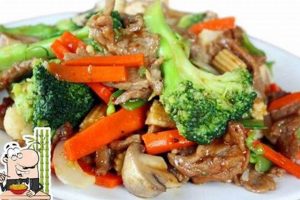
The stir-frying technique, a cornerstone of Chinese cuisine, involves rapidly cooking ingredients in a wok over high heat. Its application to Christmas ingredients can yield unique textural and flavor profiles. For instance, Brussels sprouts, typically roasted or steamed, can be stir-fried with garlic, ginger, and a touch of soy sauce, retaining a crisp-tender texture while acquiring a savory, umami-rich flavor. This method efficiently cooks ingredients while introducing complex flavors that complement the traditional Christmas palate. The proper use of this technique requires consideration of vegetable water content to avoid steaming within the wok. This method will deliver a unique take on the typical christmas vegetable side.
- Dumpling-Making with Holiday Fillings
Dumpling-making, another fundamental Chinese cooking method, involves encasing various fillings within a dough wrapper and then steaming, boiling, or pan-frying the resulting parcel. In the context of holiday cuisine, traditional Christmas fillings, such as minced meat, cranberry sauce, or mashed sweet potatoes, can be incorporated into dumpling fillings. The resulting dumplings offer a familiar yet novel flavor combination, providing a culturally relevant twist on traditional holiday fare. Success depends on adjusting the moisture content of the filling to prevent dough rupture during cooking. Dumplings becomes a vessel for familiar flavors.
- Roasting with Chinese Marinades
Roasting, a common Western method for preparing meats, can be augmented by Chinese marinades to impart distinct flavor profiles. For example, a Christmas turkey can be marinated in a blend of soy sauce, honey, five-spice powder, and ginger, resulting in a bird with a flavorful, lacquered skin and subtly spiced interior. This fusion technique leverages the high-heat cooking of roasting while infusing the meat with complex Chinese flavors. Careful consideration must be given to the salt content of the marinade to avoid over-salting the meat. Such marinade will influence the taste of this christmas classic.
- Braising with Rice Wine and Soy Sauce
Braising, a method involving searing meat followed by slow-cooking in liquid, lends itself well to the integration of Chinese flavors. A Christmas ham, for instance, can be braised in a mixture of rice wine, soy sauce, star anise, and cinnamon, resulting in a tender, flavorful dish with a distinctive Asian-inspired glaze. This technique allows for the infusion of aromatic flavors while tenderizing the meat. The balance of sweet, savory, and aromatic elements within the braising liquid is crucial to achieving a harmonious flavor profile. The braising offers a new way to savor the ham meat, a twist that still feels like home.
These fusion techniques, when skillfully applied, bridge the gap between Chinese and Christmas culinary traditions, creating dishes that are both innovative and respectful of their origins. The deliberate application of these methods allows for the creation of unique flavor combinations and textural experiences, enriching the overall dining experience and fostering a greater appreciation for culinary diversity. While it opens the doors for unique holiday meals.
6. Community Celebration

The practice of blending Chinese cuisine with Christmas traditions frequently extends beyond the confines of the individual household, evolving into a communal expression of cultural identity and inclusivity. The preparation and sharing of such blended dishes often become a focal point for community gatherings, neighborhood potlucks, and cultural festivals. The act of celebrating together, centered around these unique culinary creations, strengthens social bonds and fosters a sense of belonging among individuals from diverse backgrounds. The importance of this communal celebration lies in its ability to promote intercultural understanding and appreciation, transforming the holiday season into an opportunity for shared experiences and the recognition of cultural diversity. The cause-and-effect relationship is evident: the creation and sharing of this specific culinary practice leads to increased community engagement and strengthened social cohesion.
Real-world examples of this phenomenon can be observed in multicultural communities across the globe. Churches, community centers, and cultural organizations often host Christmas feasts that intentionally incorporate Chinese dishes, providing a platform for individuals to share their heritage and culinary skills. Furthermore, online forums and social media groups dedicated to this niche culinary practice serve as virtual gathering spaces where individuals can exchange recipes, tips, and experiences, fostering a sense of community even across geographical boundaries. This online and offline community strengthens the sense of holiday.
In summary, the community celebration surrounding culinary fusion serves as a powerful catalyst for social cohesion and cultural understanding. By bringing people together to share and appreciate these unique dishes, this practice strengthens bonds within communities and promotes a broader appreciation for cultural diversity. The challenges associated with coordinating such events, such as addressing dietary restrictions and logistical considerations, are outweighed by the positive impact on community relations and the fostering of a more inclusive holiday season. The overall effect enhances cultural appreciation in all parties involved, further solidifying the importance and necessity of this fusion. This contributes to a richer and more inclusive cultural landscape.
Frequently Asked Questions
The subsequent questions and answers address common inquiries and concerns regarding the integration of Chinese and Christmas culinary traditions. These aim to provide clarity and insight into this unique gastronomic practice.
Question 1: Is combining Chinese and Christmas food considered culturally insensitive?
The combination is not inherently insensitive, but requires thoughtful execution and respect for both cultural traditions. A genuine effort to understand and appreciate the nuances of each cuisine is paramount. Intentional misrepresentation or appropriation for purely aesthetic purposes can be construed as insensitive.
Question 2: What are the most common dishes blending Chinese and Christmas food?
Common examples include dumplings filled with Christmas-themed ingredients, such as turkey or cranberry sauce; roast meats prepared with Chinese marinades; and stir-fried vegetables incorporating traditional Christmas spices. The specific dishes vary based on regional preferences and individual creativity.
Question 3: How can dietary restrictions be accommodated when preparing meals blending Chinese and Christmas food?
Dietary restrictions can be addressed by substituting ingredients and modifying recipes accordingly. Vegan or vegetarian alternatives can be created using tofu, vegetables, and plant-based sauces. Gluten-free options are achievable using rice noodles or gluten-free dumpling wrappers. Careful labeling of ingredients is essential to inform guests of potential allergens.
Question 4: Is it necessary to be of Chinese descent to participate in this cultural integration?
Individuals of any ethnic background can respectfully engage in this culinary practice, provided they approach it with a genuine interest in learning about and appreciating both culinary traditions. Cultural exchange should be approached with sensitivity and a willingness to understand the historical and cultural context of each cuisine.
Question 5: Where can authentic Chinese ingredients be sourced?
Authentic Chinese ingredients can be sourced from specialty grocery stores, Asian markets, and online retailers. The quality and authenticity of the ingredients can significantly impact the flavor and overall success of the dishes. Researching reputable suppliers is recommended.
Question 6: What are some potential pitfalls to avoid when blending Chinese and Christmas food?
Potential pitfalls include flavor clashes, imbalanced seasoning, and a lack of cultural understanding. Overly sweet or salty dishes, an inappropriate use of spices, and a failure to respect the origins of each cuisine can detract from the overall dining experience.
In summary, the fusion of Chinese and Christmas culinary traditions presents opportunities for innovation and cultural exchange. A thoughtful approach, informed by respect and understanding, is essential for creating a positive and enriching experience.
The following article sections delve deeper into the symbolism and cultural significance attached to this unique food practice, providing insight into the evolving landscape.
Chinese Christmas Food
This exploration has elucidated various facets of the practice. The discussion encompassed flavor integration, cultural symbolism, menu adaptation, ingredient sourcing, fusion techniques, and community celebration. Each element contributes to a nuanced understanding of how two distinct culinary traditions can be harmonized to create unique and meaningful holiday experiences. The analysis underscores the importance of respect, authenticity, and thoughtful innovation in crafting dishes that bridge cultural divides.
As global interconnectedness continues to increase, the evolution of culinary traditions will inevitably continue. This specific practice serves as a microcosm of broader cultural exchange, highlighting the potential for creativity and understanding that arises when different heritages are celebrated together. Continued exploration and thoughtful participation are essential to ensuring that such culinary fusions remain respectful, authentic, and enriching for all involved. Future culinary innovation can build upon this foundation.