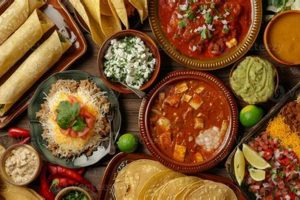
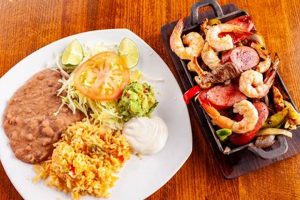
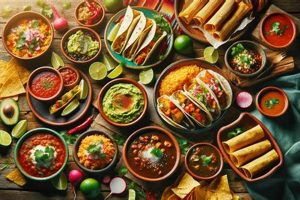
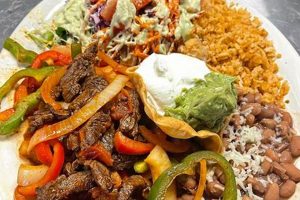
The sodium content in many preparations originating from south of the border is noteworthy. This characteristic arises from the frequent use of ingredients such as processed cheeses, canned beans, and commercially prepared sauces. Furthermore, traditional cooking methods, including the application of salt as a preservative and flavor enhancer, contribute to the overall levels. For example, a single serving of commercially prepared nachos can contain a significant portion of the recommended daily sodium intake.
Understanding the composition of these culinary offerings is crucial for individuals managing hypertension or other conditions requiring restricted sodium consumption. Awareness of preparation methods and ingredient selection enables informed dietary choices. Historically, salt has played a significant role in food preservation and flavor enhancement across numerous cultures, and its abundant use in some forms of Mexican cuisine reflects this tradition.
The following sections will delve into specific menu items that contribute substantially to sodium intake. The analysis will also cover strategies for mitigating sodium consumption when enjoying dishes from this culinary tradition, along with guidance on preparing lower-sodium versions at home.
The following guidelines offer strategies for mitigating sodium consumption while still enjoying the diverse flavors of Mexican food. Consideration of portion size, ingredient selection, and preparation methods can significantly impact overall sodium intake.
Tip 1: Prioritize Homemade Options: Preparing Mexican dishes at home allows for complete control over ingredient selection and sodium content. Opt for fresh, unprocessed ingredients and adjust seasoning according to dietary needs.
Tip 2: Scrutinize Restaurant Choices: When dining out, inquire about sodium content and request modifications such as reduced salt or sauces served on the side. Select items that are grilled, baked, or steamed rather than fried.
Tip 3: Moderate Salsa Consumption: Commercially prepared salsas can be high in sodium. Opt for fresh, homemade versions or request a small serving size. Consider adding fresh lime juice or cilantro to enhance flavor without increasing sodium.
Tip 4: Limit Processed Cheese and Dairy Products: Processed cheeses, sour cream, and other dairy products frequently used in Mexican dishes contribute to overall sodium levels. Choose lower-sodium cheese varieties or reduce the amount used.
Tip 5: Be Mindful of Beans: Canned beans often contain added sodium. Rinse canned beans thoroughly before use or prepare beans from scratch to control sodium content.
Tip 6: Reduce Tortilla Chip Consumption: Tortilla chips are often heavily salted. Limit portion sizes and consider alternatives such as vegetables or whole-wheat tortillas.
Tip 7: Hydrate Adequately: Increased water intake can assist in flushing excess sodium from the body.
Adopting these strategies can help individuals maintain a balanced diet while still enjoying the diverse and flavorful offerings of Mexican cuisine. Careful attention to ingredient selection and preparation methods allows for mindful consumption and reduced sodium intake.
The subsequent section will address specific menu items frequently associated with elevated sodium levels and provide tailored recommendations for healthier choices.
1. Processed Ingredients

The correlation between processed ingredients and elevated sodium levels in Mexican cuisine is substantial. Many commercially prepared items, commonly utilized in both restaurant and home settings, contain significant amounts of sodium as a preservative and flavor enhancer. The use of these components directly contributes to the high sodium content observed in many popular dishes. Examples include canned beans, which often undergo brining processes; processed cheeses, such as those found in queso dips, that require sodium-based emulsifiers; and pre-packaged seasoning blends, which routinely incorporate high concentrations of salt and monosodium glutamate (MSG). These ingredients, while offering convenience and consistent flavor profiles, introduce a significant sodium load into the final culinary product.
The reliance on such processed components has tangible effects on the nutritional profile of prepared foods. For instance, substituting dried beans, soaked and cooked from scratch, in place of their canned counterparts can drastically reduce the sodium content of a bean burrito. Similarly, creating homemade seasoning blends using fresh herbs and spices allows for precise control over sodium addition, circumventing the high salt concentrations present in commercial mixes. Moreover, opting for fresh, unprocessed cheese varieties or reducing cheese usage altogether can significantly lower the sodium levels in dishes like enchiladas or quesadillas. The cumulative impact of these substitutions and modifications is a notable decrease in overall sodium consumption.
In summary, processed ingredients represent a key source of sodium within Mexican cuisine. Recognizing the contribution of these items is essential for individuals seeking to manage their sodium intake. By prioritizing fresh, unprocessed alternatives and adopting mindful ingredient selection practices, it is possible to enjoy the flavors of this culinary tradition while mitigating the associated health risks related to excessive sodium consumption.
2. Cooking techniques

The methods employed in preparing foods profoundly influence their nutritional characteristics, and Mexican cuisine is no exception. Specific culinary techniques frequently contribute to elevated sodium levels in numerous dishes. The application of salt as a flavor enhancer is a primary factor. Many recipes call for generous amounts of salt to season meat, vegetables, and sauces, thereby increasing the overall sodium content. Frying, a common technique for dishes like tacos and chimichangas, can indirectly raise sodium levels. Prepared batters and coatings often contain sodium, and the process of frying can further concentrate sodium already present in the food. Furthermore, the reduction of sauces through simmering, a technique used to develop rich flavors, concurrently concentrates sodium, resulting in higher concentrations per serving.
Certain traditional preservation methods also impact sodium levels. The curing of meats, a practice integral to dishes like carnitas, utilizes salt to inhibit bacterial growth and extend shelf life. This process inherently results in a high sodium concentration in the cured meat. Similarly, the pickling of vegetables, a common practice in Mexican cuisine, involves brining solutions with high salt concentrations, leading to significant sodium uptake by the vegetables. Examining specific recipes reveals the quantitative impact of these techniques. For example, a traditional mole sauce, involving a lengthy simmering process and the addition of salt throughout, can contain hundreds of milligrams of sodium per serving. Understanding these relationships enables informed dietary choices and potential modifications for lower-sodium alternatives.
In conclusion, various techniques employed in the preparation of Mexican cuisine significantly contribute to the overall sodium content of many dishes. The liberal use of salt as a seasoning, the concentration of sodium through frying and sauce reduction, and the employment of salt-based preservation methods all play a role. Awareness of these factors is crucial for individuals seeking to manage their sodium intake while still enjoying the flavors of Mexican food. Exploring alternative cooking methods and ingredient substitutions represents a practical approach to mitigating the contribution of culinary techniques to elevated sodium levels.
3. Restaurant versus homemade

A significant disparity in sodium content exists between Mexican cuisine prepared in restaurants and versions made at home. Restaurant preparations tend to exhibit substantially higher sodium levels due to several factors. Commercial kitchens often prioritize speed and consistency, frequently relying on pre-made ingredients and seasoning blends that contain high concentrations of sodium. Portion sizes in restaurants are often larger than those typically consumed at home, further contributing to increased sodium intake. Furthermore, restaurant chefs may liberally use salt to enhance the flavor of dishes, catering to a broader palate and maximizing customer satisfaction. In contrast, homemade versions allow for precise control over ingredient selection and seasoning. Home cooks can opt for fresh, unprocessed ingredients, minimize the use of salt, and adjust portion sizes according to individual dietary needs. The difference in sodium content can be substantial; a restaurant burrito might contain twice or even three times the sodium of a similar burrito prepared at home.
The availability and accessibility of ingredients also influence sodium levels. Restaurants often source ingredients from suppliers who prioritize shelf life and cost-effectiveness, which can lead to the selection of products with higher sodium content. Home cooks, on the other hand, have the flexibility to choose lower-sodium alternatives, such as fresh produce, low-sodium canned goods, and homemade spice blends. Moreover, the knowledge and awareness of sodium content play a role. Home cooks who are conscious of their sodium intake are more likely to take steps to reduce it, whereas restaurant patrons may be less aware of the sodium content of the dishes they order. Simple substitutions can make a significant difference. For example, using fresh tomatoes and onions instead of canned salsa can dramatically reduce sodium levels. Preparing beans from scratch instead of using canned beans can also have a similar effect.
In summary, the distinction between restaurant and homemade Mexican cuisine is critical when considering sodium intake. Restaurant versions tend to be significantly higher in sodium due to the use of processed ingredients, larger portion sizes, and liberal seasoning. Homemade versions offer greater control over sodium content through the selection of fresh ingredients, mindful seasoning, and adjusted portion sizes. Recognizing this difference empowers individuals to make informed dietary choices and prioritize home-cooked meals when managing sodium consumption is a concern.
4. Ingredient variation

Ingredient variation significantly influences the sodium content of Mexican dishes. Regional differences and personal preferences contribute to substantial diversity in recipes, directly impacting the presence of sodium. The choice between fresh versus processed ingredients, the type and quantity of spices used, and the inclusion of specific vegetables or proteins all contribute to the sodium load. For example, a traditional mole poblano from Puebla might incorporate numerous ingredients, including chocolate, chili peppers, and spices, each potentially contributing varying levels of sodium, depending on their preparation and sourcing. In contrast, a simpler fish taco from Baja California might feature grilled fish, cabbage, and a creamy sauce. The sodium level in the taco hinges on the seasoning applied to the fish and the composition of the sauce.
The selection of cheese exemplifies the impact of ingredient variation. Substituting queso fresco, a fresh, relatively low-sodium cheese, for processed cheese sauces or aged cheeses can noticeably reduce the sodium content of dishes like enchiladas or quesadillas. Similarly, the use of fresh herbs and spices in lieu of pre-packaged seasoning blends offers precise control over sodium levels. Consider the difference between a commercially available taco seasoning, typically laden with salt, and a homemade blend featuring chili powder, cumin, garlic powder, and oregano, allowing the cook to adjust the sodium content to suit individual dietary needs. Even seemingly minor alterations, such as using low-sodium chicken broth or preparing beans from scratch without added salt, can have a cumulative effect on reducing overall sodium intake.
Understanding the role of ingredient variation in determining the sodium content of Mexican food provides individuals with practical strategies for making informed dietary choices. By carefully selecting ingredients, prioritizing fresh alternatives, and controlling seasoning, it is possible to enjoy the flavors of Mexican cuisine while mitigating the associated health risks of excessive sodium consumption. Awareness of regional variations and the specific ingredients used in different recipes is paramount for individuals seeking to manage their sodium intake effectively.
5. Serving sizes

The quantity of food consumed in a single sitting directly influences overall sodium intake, particularly with Mexican dishes. Many items, even those prepared with lower-sodium ingredients, can contribute significantly to daily sodium limits if consumed in large portions. Restaurant servings, in particular, frequently exceed recommended portion sizes, exacerbating the problem. A single burrito, for instance, may contain a substantial amount of sodium; consuming a second portion effectively doubles the intake, potentially exceeding recommended daily limits. Similarly, large plates of nachos or enchiladas can quickly contribute to excessive sodium consumption, especially considering the cumulative effect of multiple sodium-rich components.
The impact of serving size is not limited to restaurant settings. Even when preparing Mexican food at home, awareness of appropriate portioning is crucial. Many individuals underestimate the amount of food they consume, leading to unintentional overconsumption of sodium. Using smaller plates, measuring ingredients carefully, and avoiding second helpings are practical strategies for managing serving sizes and, consequently, sodium intake. Furthermore, consider dividing larger dishes into smaller, individual servings before consumption to promote mindful eating and prevent overeating. Real-life examples include comparing a standard restaurant-sized taco salad to a smaller, homemade version with half the ingredients; the difference in sodium content can be substantial.
In summary, serving sizes are a critical determinant of overall sodium intake in Mexican cuisine. Regardless of ingredient selection or preparation method, consuming large portions of sodium-rich dishes can negate any efforts to reduce sodium content. Implementing portion control strategies, both at home and in restaurants, is essential for managing sodium consumption and maintaining a healthy diet. Understanding the relationship between serving size and sodium intake empowers individuals to make informed choices and enjoy Mexican food in moderation.
6. Regional differences
Variations across regions significantly influence sodium levels in Mexican cuisine. The geography, climate, and cultural history of each region dictate ingredient availability and traditional preparation methods. Northern Mexico, characterized by its cattle ranching heritage, features dishes often incorporating cured meats and cheeses, both known sodium contributors. In contrast, the coastal regions, such as Veracruz, utilize fresh seafood seasoned with locally sourced spices. The sodium content in these coastal preparations may be lower due to the reduced reliance on processed ingredients and salt curing.
The cuisine of Oaxaca, renowned for its complex mole sauces, presents another example. These sauces, requiring lengthy preparation and numerous ingredients, can exhibit varying sodium levels based on the specific ingredients used and the degree of salt reduction achieved during simmering. The Yucatan peninsula’s cuisine, influenced by Mayan traditions, favors citrus marinades and achiote paste, potentially offering lower-sodium alternatives to dishes from regions that rely more heavily on salt for preservation and flavoring. Examining specific examples, consider the difference between a heavily salted carne asada from northern Mexico and a fish dish prepared with lime juice and herbs in coastal regions. Understanding these regional differences allows for more informed dietary choices.
Regional culinary traditions constitute a key factor in understanding the broader issue of sodium content in Mexican cuisine. Awareness of these differences enables individuals to identify dishes that are inherently higher or lower in sodium and make appropriate choices to manage their dietary intake. Ignoring these distinctions risks oversimplifying the complexity of Mexican cuisine and potentially misrepresenting its nutritional profile.
Frequently Asked Questions
The following questions and answers address common concerns and misconceptions regarding sodium levels in various food preparations.
Question 1: Is all Mexican food inherently high in sodium?
No. Sodium content varies significantly based on ingredient selection, preparation methods, and regional variations. Dishes featuring fresh, unprocessed ingredients and prepared with minimal added salt tend to have lower sodium levels.
Question 2: Which specific menu items commonly exhibit elevated sodium levels?
Processed cheese dips, commercially prepared salsas, canned beans, enchiladas with cheese sauces, and dishes incorporating cured meats often contain high concentrations of sodium.
Question 3: Can sodium levels be reduced when dining at Mexican restaurants?
Yes. Inquire about sodium content, request sauces on the side, choose grilled or baked options over fried dishes, and limit consumption of tortilla chips and processed cheese.
Question 4: How does homemade Mexican food compare to restaurant versions in terms of sodium?
Homemade versions generally contain less sodium due to the ability to control ingredient selection and seasoning. Utilizing fresh ingredients and minimizing added salt contributes to lower sodium content.
Question 5: Are there any healthy substitutions that can be made to reduce sodium?
Yes. Substituting fresh vegetables for canned, using low-sodium broth, preparing beans from scratch, opting for fresh cheeses like queso fresco, and using homemade spice blends are effective substitutions.
Question 6: Does rinsing canned beans reduce their sodium content?
Yes, rinsing canned beans thoroughly before use can remove a significant portion of the added sodium. This simple step is a readily accessible method for mitigating sodium intake.
Understanding the variables that influence sodium content is essential for making informed dietary choices within this cuisine. Employing these strategies will assist in enjoying its flavors while managing overall sodium intake.
The subsequent section provides practical tips for preparing lower-sodium versions of popular dishes, enabling individuals to enjoy familiar flavors without compromising dietary goals.
Is Mexican Food High in Sodium
The preceding analysis confirms that many dishes originating from south of the border exhibit significant sodium levels. Factors such as reliance on processed ingredients, specific cooking techniques, and a tendency towards larger serving sizes in restaurants contribute substantially to this outcome. While not all preparations are inherently high in sodium, careful consideration of ingredient selection and portion control is necessary to mitigate excessive intake.
An informed approach to enjoying this cuisine necessitates awareness of regional variations, understanding ingredient substitutions, and prioritizing homemade versions whenever feasible. Dietary management, achieved through mindful eating and conscious choices, will permit individuals to reconcile culinary preferences with sodium intake goals. Maintaining a balanced perspective remains paramount.