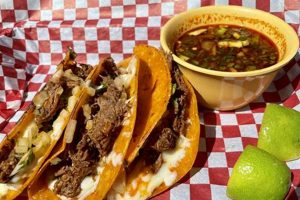
The culinary landscape of Mrida, Mexico, is characterized by a distinctive blend of indigenous Maya traditions, Spanish colonial influences, and Caribbean flavors. This fusion results in dishes that are both unique to the region and reflective of its complex history. The cuisine is known for its use of ingredients such as achiote, habanero peppers, and sour orange, lending depth and vibrancy to its preparations. A notable example is Cochinita Pibil, a slow-roasted pork dish marinated in achiote paste, a testament to the city’s culinary heritage.
Understanding the gastronomic offerings provides insight into the cultural identity and economic vitality of the area. Culinary tourism plays a significant role, attracting visitors interested in experiencing authentic flavors and traditional cooking methods. Furthermore, many dishes have historical significance, representing a continuity of cultural practices passed down through generations. Exploring the distinctive culinary traditions allows for a deeper connection with the region’s past and present.
A detailed examination of specific dishes, regional ingredients, and preferred dining establishments will provide a more comprehensive understanding. Furthermore, insight into culinary festivals and cooking classes enhances awareness. The sections below will delve into particular dishes and related cultural facets to foster a complete comprehension.
Tips for Experiencing Authentic Mrida Cuisine
Navigating the culinary scene effectively requires awareness of local customs and seasonal availability. The following guidelines enhance the experience of savoring authentic regional fare.
Tip 1: Prioritize Local Markets: Visiting markets such as Mercado Lucas de Glvez and Mercado Santiago provides direct access to fresh, regional ingredients. Engage with vendors to learn about local produce and their preparation methods. Observe local shoppers to discover which items are highly regarded.
Tip 2: Seek Out Family-Run Restaurants (Fondas): Establishments of this type often maintain traditional recipes and cooking techniques passed down through generations. These venues typically offer a more authentic and less commercialized experience compared to larger restaurants catering primarily to tourists.
Tip 3: Embrace Seasonal Specialties: The availability of certain dishes varies throughout the year, reflecting seasonal ingredients. Researching local produce calendars helps anticipate dishes such as “Pib” (mucbipollo) during the Day of the Dead season or citrus-based preparations in the winter months.
Tip 4: Sample Street Food with Discretion: While street is prevalent, exercise caution by selecting vendors who maintain a clean environment and have a high turnover of customers. This reduces the risk of consuming food that has been exposed to unsanitary conditions.
Tip 5: Learn Basic Spanish Phrases: Communicating in Spanish, even minimally, enhances interactions with local vendors and facilitates a more immersive culinary experience. Knowing phrases related to ingredients, preparation methods, and dietary restrictions proves valuable.
Tip 6: Explore Beyond the City Center: Venturing beyond the main tourist areas reveals a wider range of culinary options and offers exposure to less-modified versions of traditional dishes. Local neighborhoods often feature smaller, family-run establishments that are less influenced by tourist demand.
Employing these tips optimizes engagement with the gastronomic culture, ensuring a more authentic and enriching culinary journey.
These guidelines pave the way for a deeper appreciation of the cultural history and gastronomic traditions of the area, as preparation for the final article section.
1. Achiote Infusion

Achiote is fundamental to the flavor profile, playing a significant role in defining dishes. Extracted from the seeds of the achiote tree, it imparts a distinctive reddish-orange hue and an earthy, slightly peppery flavor. The infusion is a core element of many local preparations, shaping not only the taste but also the visual appeal. Its use is a direct result of both the ingredient’s availability and its historical significance within the region. Its impact on dishes cannot be overstated, as it is often the foundation upon which other flavors are built.
Cochinita Pibil provides a prime example of achiote’s importance. The pork is marinated extensively in achiote paste, along with sour orange juice and other spices. The marinade not only flavors the meat but also tenderizes it during the slow-cooking process. Without achiote, Cochinita Pibil would lack its characteristic color and depth of flavor, fundamentally altering the dish. Similarly, achiote is used in recados, spice blends that form the base for numerous sauces and stews, further illustrating its ubiquity. The practical application extends to providing a natural food coloring, enhancing the appeal of many plates, particularly those served during festivals and special occasions.
In summary, the infusion contributes significantly to its unique culinary identity. Its use is both historical and practical, serving as a flavoring agent, a natural colorant, and a binding element in many traditional recipes. Understanding its importance is critical to appreciating the region’s cuisine. The absence of achiote would fundamentally change the character of many local dishes. The ongoing use of achiote ensures the preservation of tradition while continuing to shape the culinary future.
2. Habanero Heat

The habanero pepper is a defining component, contributing a significant level of heat and a distinctive fruity flavor. This pepper is integrated into numerous dishes and sauces, impacting the overall taste profile. The degree to which habaneros are used varies, ranging from subtle enhancements to intense spiciness, depending on the specific preparation. The habanero’s presence reflects a historical tolerance and preference for spicy flavors within the region. The understanding of habanero usage is key to navigating the culinary landscape.
Several preparations highlight the habanero’s role. In Xnipec, a salsa common, finely diced habaneros are combined with sour orange juice, red onion, and cilantro. The pepper’s heat is tempered by the acidity of the orange and the sharpness of the onion, creating a balanced condiment. Habanero peppers are also incorporated into some versions of Sikil P’ak, a pumpkin seed dip, adding a spicy counterpoint to the earthy flavors. While not every dish features habaneros prominently, their availability and frequent usage signal their importance. The careful application of habaneros is a skill refined over generations of cooking.
The use of habaneros presents both opportunities and challenges. Chefs must exercise precision in their application to avoid overpowering other flavors. For diners, awareness of the pepper’s heat level is important, particularly for those unaccustomed to spicy foods. The habanero’s presence provides a distinctive regional flavor, and a careful consideration of its role is essential for appreciating the area’s culinary traditions. Its proper application remains central to local gastronomic identity.
3. Citrus Marinades

Citrus marinades are integral to the flavor profiles that characterize the cuisine. Sour orange, in particular, serves as a primary ingredient in many preparations, contributing acidity, tenderizing properties, and a distinctive aroma. This practice stems from the abundance of citrus fruits in the region and a historical preference for acidic flavors. The practical effect of using citrus marinades is the creation of dishes that are both flavorful and easily digestible. Consider Cochinita Pibil, where pork is marinated extensively in sour orange juice; this process not only imparts flavor but also breaks down the meat fibers, resulting in a tender and succulent final product. Similarly, the marinade forms the basis for escabeche sauces, providing a tangy counterpoint to the richness of the protein.
The application of citrus marinades extends beyond meat dishes. Many vegetable preparations benefit from a brief immersion in citrus juice, which enhances their natural flavors and prevents discoloration. Pickled onions, a common accompaniment, are often marinated in lime juice, which mellows their pungency and adds a refreshing element. The strategic use of citrus marinades reflects an understanding of flavor balancing and ingredient interaction. The preservation and enhancement of natural tastes, rather than their masking, is a key characteristic of the approach. This carefulness in application allows for dishes that are both intense and nuanced.
The significance of citrus marinades lies in their ability to transform basic ingredients into complex and layered flavors. They represent a culinary technique deeply rooted in local traditions and adapted over time to suit available resources and preferences. Challenges may arise in replicating these flavors outside the region due to differences in citrus varieties and their acidity levels. However, the principles of acid-based marination remain applicable, highlighting the need for careful adjustments and substitutions. By understanding the role and function of these marinades, a greater appreciation for the unique culinary experience can be attained.
4. Cochinita Pibil

Cochinita Pibil occupies a central position in the culinary landscape. It exemplifies the convergence of indigenous Maya traditions and Spanish colonial influences that define the region’s gastronomy. The dish’s preparation, involving slow-roasted pork marinated in achiote paste, sour orange juice, and other spices, reflects a long-standing reliance on local ingredients and traditional cooking methods. Its significance extends beyond mere sustenance; it is a dish frequently served at special occasions, celebrations, and family gatherings, cementing its cultural importance. The integration of Cochinita Pibil into local cuisine provides insight into the history and social dynamics of the region, serving as a tangible link to past traditions and present-day cultural practices. The dish’s widespread consumption and recognition within and beyond Mexico solidify its role as an emblem of culinary identity.
Examining the ingredients and cooking techniques further reveals the dish’s significance. Achiote, derived from the seeds of the achiote tree, lends both color and a subtle earthy flavor, while sour orange juice tenderizes the pork and imparts a distinct citrusy tang. The slow-roasting process, traditionally done in an underground pit (pibil), results in exceptionally tender meat infused with the flavors of the marinade. Variations in preparation exist across different households and restaurants, reflecting regional and personal preferences. Some cooks incorporate additional spices or adjust the ratio of ingredients to create unique flavor profiles. Restaurants often serve Cochinita Pibil with pickled red onions, habanero salsa, and warm tortillas, providing a complete and balanced meal. These variations contribute to the dynamic nature of the dish, demonstrating its adaptability and ongoing evolution.
In summation, Cochinita Pibil functions as both a culinary staple and a cultural symbol. The dish’s ingredients, preparation techniques, and historical context converge to form a representation of the area’s gastronomic heritage. Understanding Cochinita Pibil is critical to comprehending the multifaceted culinary identity. While variations exist, the core elements remain consistent, reflecting the enduring traditions and local ingredients.
5. Sopa de Lima

Sopa de Lima, a citrus-based soup, represents a significant facet. Its flavors and preparation methods are firmly rooted in regional ingredients and culinary traditions, making it a prime example of distinctive dishes. The soups defining ingredient, the lima agria (sour lime), provides a unique tartness that differentiates it from other lime-based soups. The use of local poultry, often turkey or chicken, and the incorporation of toasted tortillas or tortilla strips contribute to the authentic experience. Understanding the relationship between Sopa de Lima and the broader scope enhances comprehension of the culinary identity.
The soup’s preparation involves simmering poultry in a broth infused with the sour lime. Shredded meat is then added to the broth along with tomatoes, onions, and cilantro. The soup is traditionally garnished with fried tortilla strips, avocado, and additional lime wedges. The combination of tart, savory, and crispy textures creates a balanced and satisfying dish. The soup is commonly served as a starter or light meal, often enjoyed during warmer months due to its refreshing qualities. Variations exist, with some recipes incorporating habanero peppers for added heat or other regional vegetables for enhanced flavor. This dish highlights the adaptability within the overall culinary framework.
In conclusion, Sopa de Lima is emblematic within the culinary landscape. Its reliance on regional citrus and traditional cooking techniques encapsulates the broader essence. Appreciating its distinct characteristics allows for a deeper understanding. The soup provides a tangible example of the connection between local ingredients, cultural practices, and gastronomic identity. Recognizing Sopa de Lima as a key component ensures a thorough appreciation of the region’s culinary heritage.
6. Papadzules Tradition

Papadzules represents a direct and enduring link to pre-Columbian Maya cuisine, and is a key component. This dish, consisting of corn tortillas dipped in a pumpkin seed sauce (sikil p’ak) and filled with boiled eggs, stands as a testament to the region’s culinary heritage and showcases the use of indigenous ingredients. The sikil p’ak itself, made from ground pumpkin seeds, tomatoes, and epazote, a regional herb, underscores the reliance on locally sourced products. The dish’s simplicity belies its historical significance, offering insight into the dietary staples and cooking techniques of the Maya people. Its presence within the modern culinary context highlights the resilience of traditional practices. The act of preparing and consuming Papadzules serves as a reminder of the cultural continuity.
The practical significance of understanding Papadzules extends to appreciating the broader culinary evolution. While Spanish influence is evident in other dishes, Papadzules remains relatively untouched, providing a window into pre-Columbian flavors. Its preparation involves techniques passed down through generations, emphasizing the importance of oral tradition in preserving culinary knowledge. Chefs and cooks often modify and modernize other classic dishes. However, Papadzules is one dish that they rarely modify, showcasing the cultural importance. The ongoing consumption of Papadzules strengthens the link between past and present, reinforcing cultural identity and tradition.
In summary, Papadzules is not merely food. Its ingredients and preparation methods reflect a connection to the regions deep past. Understanding Papadzules provides a lens through which to examine the dynamics between culinary heritage and cultural identity. This insight fosters a more comprehensive understanding of the culinary offerings and historical roots. The continued presence of Papadzules, therefore, ensures the perpetuation of culinary heritage.
Frequently Asked Questions Regarding Mrida Cuisine
The following section addresses common inquiries and misconceptions about the culinary offerings.
Question 1: What distinguishes the cuisine from other Mexican regional cuisines?
Mrida cuisine is distinguished by its unique blend of Maya, Spanish, and Caribbean influences. This fusion results in the use of specific ingredients, such as achiote, sour orange, and habanero peppers, which are not as prevalent in other regions. The slow-cooking techniques, often employing underground ovens, further contribute to its distinctive character.
Question 2: Is the food overwhelmingly spicy?
While habanero peppers are frequently used, the level of spiciness varies considerably across different dishes. Many preparations incorporate habaneros in moderation to enhance flavor, while others may offer more intense heat. Diners are advised to inquire about the spiciness level before ordering.
Question 3: Are there vegetarian or vegan options available?
Vegetarian options are increasingly available, although they may not always be prominently featured on menus. Dishes such as papadzules (without eggs) and sikil p’ak (pumpkin seed dip) can be suitable for vegetarians. Vegan options are less common but may be available upon request, particularly at restaurants catering to tourists. Exploring local markets for fresh produce also provides opportunities for vegetarian and vegan meals.
Question 4: What are some must-try dishes for first-time visitors?
First-time visitors are encouraged to sample Cochinita Pibil (slow-roasted pork), Sopa de Lima (citrus-based soup), and Papadzules (egg-filled tortillas in pumpkin seed sauce). These dishes represent a range of flavors and cooking techniques that encapsulate the essence of the regional cuisine.
Question 5: Is it safe to consume street ?
Consumption of street poses a potential risk, as with street in any location. It is advisable to select vendors with high customer turnover and visibly clean preparation areas. Exercising caution reduces the likelihood of foodborne illness. Opting for cooked is generally safer than consuming raw or minimally processed items.
Question 6: How has the cuisine evolved over time?
The cuisine has undergone a continuous evolution, influenced by historical events and cultural exchanges. Indigenous Maya traditions form the foundation, while Spanish colonial influences introduced new ingredients and cooking techniques. The impact of Caribbean flavors further diversified the culinary landscape. Contemporary chefs are increasingly incorporating modern techniques while striving to preserve traditional flavors and methods.
These answers provide clarity on common concerns, enabling a more informed and enjoyable exploration. Further research into specific restaurants and culinary events is recommended for a complete experience.
This understanding facilitates a more nuanced engagement as the article transitions into actionable advice for enjoying the regional cuisine.
Conclusion
This exploration has highlighted the significance of Merida Mexico food as a complex reflection of history, culture, and regional ingredients. The analysis of signature dishes, the prominence of achiote, habanero, and citrus, combined with historical context, showcases distinct culinary identity. This culinary scene is more than sustenance; it’s a living tapestry woven with Maya, Spanish, and Caribbean threads. Understanding its defining elements is critical to appreciating the nuances of the region’s heritage.
The continued preservation and promotion of these culinary traditions hold significant value. By supporting local producers, respecting the historical significance of dishes, and embracing the evolving culinary landscape, one contributes to the enduring legacy. The distinct flavors and cooking methods represent a valuable cultural asset, deserving of continued recognition and preservation for future generations. The act of engaging is an act of cultural preservation.