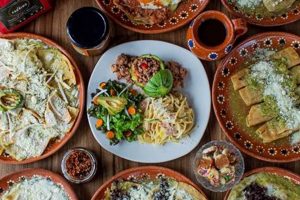
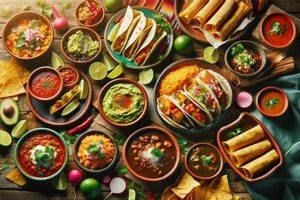
Reduced sodium variations of typically high-sodium dishes from Mexican cuisine prioritize flavor balance without relying on excessive salt. This can involve using fresh herbs and spices, citrus juices, and careful preparation techniques to enhance taste while minimizing sodium content. Common examples include dishes like homemade salsas with fresh tomatoes and lime, grilled chicken or fish marinated in low-sodium adobo sauce, and vegetable-based enchiladas with a reduced-sodium cheese filling.
Maintaining a balanced diet is vital, and moderating sodium intake contributes significantly to cardiovascular health and overall well-being. Traditional preparations within Mexican gastronomy often utilize salt for preservation and flavor enhancement. However, modern culinary adaptations acknowledge the health implications associated with excessive sodium consumption. By employing alternative flavoring agents and careful portion control, it is possible to enjoy the rich and diverse flavors of Mexican cuisine without compromising dietary needs.
The subsequent sections will delve into specific ingredients and preparation methods used in creating flavorful, reduced-sodium Mexican dishes. Considerations for selecting appropriate spices, optimizing cooking techniques, and adapting traditional recipes to lower sodium levels will be explored, providing practical guidance for incorporating these modifications into meal planning.
Tips for Preparing Reduced Sodium Mexican Cuisine
Adhering to a reduced sodium diet does not necessitate the elimination of flavorful Mexican dishes. Implementing specific techniques and ingredient substitutions allows for the creation of satisfying meals while maintaining dietary guidelines.
Tip 1: Emphasize Fresh Herbs and Spices: Utilize a wide array of fresh herbs like cilantro, oregano, and epazote, alongside spices such as cumin, chili powder, and smoked paprika. These elements provide depth and complexity of flavor without relying on salt.
Tip 2: Incorporate Citrus Juices and Vinegars: Lime juice, orange juice, and vinegars, such as apple cider vinegar, offer acidity and brightness, enhancing the perceived flavor intensity and potentially reducing the need for salt.
Tip 3: Prepare Homemade Salsas and Sauces: Avoid commercially prepared salsas and sauces, which often contain high levels of sodium. Creating homemade versions allows for precise control over sodium content and ingredient quality.
Tip 4: Select Low-Sodium Ingredients: Opt for low-sodium broths, beans, and canned tomatoes. Rinse canned beans thoroughly to further reduce sodium levels.
Tip 5: Control Portion Sizes: Even with reduced sodium preparations, mindful portion control is essential. Larger portions can still contribute to an overall higher sodium intake.
Tip 6: Utilize Smoked Paprika and Chipotle Peppers: These ingredients introduce smoky flavors that can mimic the taste of salt while adding minimal sodium.
Tip 7: Experiment with Umami-Rich Ingredients: Incorporating ingredients like mushrooms, roasted vegetables, and nutritional yeast contributes umami, a savory taste that enhances the overall flavor profile and potentially reduces the perceived need for salt.
By consciously implementing these strategies, it becomes feasible to enjoy the vibrant flavors of Mexican cuisine while adhering to a reduced sodium diet. The emphasis on fresh ingredients and mindful preparation ensures both culinary satisfaction and adherence to health-conscious dietary choices.
The concluding section will provide examples of adapted recipes, showcasing the practical application of these techniques in creating delicious and healthful meals.
1. Fresh Ingredients

The incorporation of fresh ingredients forms a cornerstone of sodium reduction in Mexican cuisine. Minimizing processed components and maximizing the use of whole, unprocessed foods allows for greater control over sodium content and enhances the overall flavor profile naturally.
- Reduced Reliance on Processed Foods
Fresh ingredients inherently reduce reliance on pre-packaged and processed items, which often contain significant amounts of sodium as a preservative or flavor enhancer. By opting for whole foods, such as fresh vegetables, fruits, and herbs, the amount of sodium introduced into a dish is significantly minimized.
- Enhanced Natural Flavors
Fresh ingredients possess inherent, natural flavors that can be amplified through proper preparation techniques. These natural flavors can compensate for the reduction of salt, providing a satisfying taste experience without the need for excessive sodium. For example, ripe tomatoes and freshly squeezed lime juice can contribute substantial flavor to salsas and marinades.
- Nutritional Benefits
Fresh ingredients are rich in vitamins, minerals, and antioxidants, contributing to a more nutrient-dense and healthful meal. This increased nutritional value complements the health benefits of reduced sodium intake, promoting overall well-being.
- Control Over Ingredient Quality
Using fresh ingredients allows for greater control over the quality and sourcing of ingredients. Selecting high-quality, locally sourced produce ensures optimal flavor and freshness, further enhancing the dining experience while adhering to sodium-reduction goals.
The strategic use of fresh ingredients enables the creation of flavorful and satisfying reduced-sodium Mexican dishes. By prioritizing whole, unprocessed foods, chefs and home cooks can effectively minimize sodium content, enhance natural flavors, and promote a healthier and more nutritious eating experience without sacrificing the authentic tastes of Mexican cuisine. This approach underscores the importance of fresh ingredients as a foundational element in low-sodium Mexican food preparation.
2. Herb Infusion

Herb infusion serves as a critical technique in the preparation of palatable reduced-sodium Mexican food. The strategic use of fresh herbs significantly enhances flavor profiles, thereby compensating for the diminished taste impact of salt. This method involves incorporating herbs, either whole or chopped, into dishes during various stages of cooking to extract and impart their aromatic and flavor compounds. For example, cilantro, a staple in Mexican cuisine, can be added towards the end of cooking to salsas, stews, or soups, imparting a fresh, vibrant flavor that mitigates the need for excessive salt. Similarly, epazote, often used in bean dishes, contributes a unique, slightly medicinal flavor that can reduce the reliance on sodium for taste enhancement.
The efficacy of herb infusion extends beyond simple addition. Techniques such as creating herb-infused oils or vinegars can further amplify their flavor contributions. Chili oil infused with garlic and oregano, for instance, can add both heat and depth to dishes, replacing the need for salt to create a complex flavor profile. Marinades utilizing herbs like oregano, thyme, and marjoram can permeate proteins with aromatic compounds, creating a robust taste that diminishes the perceived lack of salt. The key lies in understanding the specific flavor characteristics of each herb and how they complement other ingredients within a dish.
In summary, herb infusion represents a fundamental strategy in crafting flavorful reduced-sodium Mexican food. While challenges may arise in balancing the intensity of herbal flavors and achieving the desired taste profile, the deliberate and informed use of herbs provides a viable and effective method for reducing sodium content without sacrificing palatability. The understanding of herb-flavor interactions and proper application techniques is essential for successful implementation and contributes significantly to the broader goal of creating healthful and satisfying culinary experiences.
3. Citrus Enhancement

Citrus enhancement, specifically the use of lime, lemon, and orange juices, is a critical strategy within the preparation of low sodium Mexican food. The acidity of these juices acts as a flavor intensifier, stimulating taste receptors and creating a perception of increased saltiness even in the absence of high sodium levels. This effect is crucial for maintaining the characteristic zest and vibrancy of Mexican dishes while adhering to dietary sodium restrictions. For example, a squeeze of fresh lime juice over grilled fish tacos or a low-sodium black bean soup can significantly elevate the flavor profile, masking the lack of added salt.
The use of citrus extends beyond merely adding a final touch of flavor. Citrus juices can be incorporated into marinades for meats and vegetables, tenderizing the ingredients and infusing them with a bright, tangy taste that complements other spices and herbs. Furthermore, citrus-based dressings for salads or salsas provide a complex flavor dimension without the need for high-sodium preservatives or flavor enhancers commonly found in commercially prepared products. The strategic integration of citrus can transform otherwise bland low-sodium dishes into flavorful and satisfying meals, demonstrating its significance as a component of healthy eating.
In summary, citrus enhancement represents a valuable method for creating flavorful low sodium Mexican food. By leveraging the natural acidity and flavor-enhancing properties of citrus fruits, it is possible to achieve satisfying culinary results without compromising dietary restrictions. Recognizing the importance of this technique allows individuals to enjoy traditional Mexican flavors while prioritizing health and well-being. The careful and deliberate application of citrus is a cornerstone of successful low-sodium Mexican cooking and a testament to the power of natural ingredients in creating delicious and healthful meals.
4. Homemade Sauces
The preparation of sauces from scratch directly influences the sodium content of Mexican food. Commercial sauces frequently contain elevated levels of sodium as preservatives and flavor enhancers. Opting for homemade alternatives enables precise control over ingredient selection and salt levels, allowing for a more healthful dietary approach.
- Sodium Content Control
Crafting sauces at home affords the ability to significantly reduce or eliminate added salt. Recipes can be modified to emphasize alternative flavorings, such as herbs, spices, and citrus, thereby compensating for the lack of sodium. Commercially produced sauces typically lack this flexibility due to mass-production requirements and shelf-life considerations. The reduced sodium levels in homemade sauces support dietary guidelines for individuals managing hypertension or other sodium-sensitive conditions.
- Ingredient Selection and Freshness
Homemade sauces allow for the incorporation of fresh, high-quality ingredients. Fresh tomatoes, chiles, onions, garlic, and herbs contribute richer, more nuanced flavors than their processed counterparts. These fresh ingredients minimize the need for added salt to achieve desired flavor profiles. The absence of artificial preservatives and additives, common in store-bought sauces, further enhances the nutritional value and overall healthfulness of the final product.
- Flavor Customization
Preparing sauces at home allows for precise customization of flavor profiles. Individuals can adjust the balance of sweet, sour, spicy, and umami notes to suit personal preferences. This contrasts with the standardized flavors of commercial sauces, which may not align with individual dietary needs or taste preferences. By carefully selecting and blending ingredients, homemade sauces can achieve complex and satisfying flavors without relying on sodium as a primary flavoring agent.
- Elimination of Hidden Sodium Sources
Many commercially prepared sauces contain hidden sources of sodium, such as monosodium glutamate (MSG), sodium benzoate, and hydrolyzed vegetable protein. These additives contribute to the overall sodium content of the sauce without being immediately apparent. Homemade sauces eliminate these hidden sources, allowing for a more transparent and controlled approach to sodium intake. This transparency is particularly important for individuals closely monitoring their sodium consumption.
The benefits of homemade sauces extend beyond sodium reduction. By preparing sauces from scratch, individuals gain greater control over the nutritional content and flavor profiles of their meals. This approach aligns with a broader emphasis on healthful eating and mindful food preparation, enabling the enjoyment of Mexican cuisine without compromising dietary needs. The strategic use of fresh ingredients and careful flavor balancing techniques contributes to the creation of delicious, low-sodium sauces that enhance the overall dining experience.
5. Spice Blends

The preparation of reduced-sodium Mexican cuisine necessitates a strategic reliance on spice blends as a primary flavor source. When sodium intake is restricted, the taste profile of dishes can become diminished, impacting overall palatability. Carefully constructed spice blends, however, introduce complexity and depth of flavor, effectively compensating for the reduction of salt. The selection and proportion of individual spices are crucial. For instance, a blend of cumin, chili powder, smoked paprika, oregano, and garlic powder can provide a robust and savory foundation for dishes like fajitas or enchiladas, minimizing the need for added salt. These blends not only contribute distinct flavors but also introduce aromatic compounds that stimulate the olfactory senses, further enhancing the perception of taste.
Furthermore, the creation of effective spice blends involves understanding the interplay between different spices and their impact on the final dish. For example, adding a touch of cayenne pepper can introduce a subtle heat that intensifies other flavors, while smoked paprika provides a smoky note that mimics the taste associated with salt. The use of toasted spices, such as coriander seeds or cumin seeds, can also enhance their flavor intensity, requiring less of the spice blend to achieve the desired effect. Beyond individual dishes, standardized spice blends can be prepared in advance, offering convenience and consistency in flavor across multiple recipes. This approach necessitates careful consideration of storage conditions to maintain freshness and potency.
In summary, the deliberate and informed use of spice blends represents a critical component of successful reduced-sodium Mexican cooking. While challenges may arise in achieving the appropriate flavor balance and ensuring consistent quality, the strategic application of spice blends provides a viable method for reducing sodium content without sacrificing taste. Understanding the characteristics of individual spices and their interactions with other ingredients is essential for effective implementation and contributes significantly to the broader goal of creating flavorful and healthful culinary experiences. The practical significance of this understanding lies in its ability to empower individuals to enjoy authentic Mexican flavors while adhering to dietary guidelines.
6. Lean Proteins

The selection of lean proteins is a significant consideration when formulating reduced-sodium Mexican dishes. While traditional preparations may include higher-fat meats or processed options, prioritizing lean proteins contributes to both sodium reduction and overall nutritional balance.
- Reduced Sodium Content in Protein Sources
Many processed or cured meats, such as chorizo or some types of carne asada, contain substantial amounts of sodium. Opting for naturally lean proteins like skinless chicken breast, fish (such as tilapia or cod), shrimp, or lean cuts of pork allows for a significant reduction in the amount of sodium introduced into the dish at its base. These proteins can be seasoned with low-sodium spice blends and marinades instead of relying on salt for flavor.
- Enhanced Flavor Absorption
Lean proteins often serve as a blank canvas for flavor absorption. Without the high fat content masking the taste of seasonings, lean meats readily absorb the flavors of herbs, spices, and citrus. This characteristic allows for more aggressive seasoning strategies using sodium-free alternatives, ensuring a flavorful final product without the need for excessive salt. Marinating lean proteins prior to cooking is particularly effective in enhancing flavor penetration.
- Nutritional Synergy
The combination of lean proteins with fresh vegetables and whole grains, common elements in Mexican cuisine, creates a nutritionally synergistic meal. Lean proteins provide essential amino acids, while vegetables and grains contribute fiber, vitamins, and minerals. This combination supports overall health and well-being, complementing the benefits of reduced sodium intake. Dishes such as grilled chicken tacos with a variety of fresh toppings exemplify this synergistic effect.
- Preparation Techniques for Lean Proteins
Proper cooking techniques are crucial for maintaining the moisture and tenderness of lean proteins. Overcooking can result in dryness and a less palatable texture. Techniques such as grilling, baking, or poaching help retain moisture while allowing for the infusion of flavors. Slow cooking methods, such as braising or simmering, can also tenderize tougher cuts of lean meat, making them suitable for a variety of Mexican dishes. Avoiding excessive use of fats during cooking further contributes to a healthier overall dish.
The strategic integration of lean proteins into Mexican cuisine enables the creation of flavorful and satisfying meals that adhere to dietary sodium guidelines. By prioritizing lean protein sources, employing effective seasoning techniques, and utilizing appropriate cooking methods, individuals can enjoy the authentic tastes of Mexican dishes while supporting their health and well-being. The careful selection and preparation of lean proteins represent a critical component of successful reduced-sodium Mexican cooking.
7. Portion Control
Portion control constitutes a fundamental element in managing sodium intake, particularly within the context of Mexican cuisine. Even when employing low-sodium ingredients and preparation techniques, excessive consumption can negate the benefits of these efforts. Therefore, awareness and implementation of appropriate portion sizes are crucial for adhering to dietary sodium restrictions.
- Moderating Sodium Density
Some reduced-sodium Mexican dishes, while lower in sodium per serving compared to traditional versions, still contain moderate levels of sodium. Consistent overconsumption of these dishes can result in exceeding recommended daily sodium limits. Portion control helps to moderate the overall sodium density of meals, ensuring that sodium intake remains within acceptable parameters.
- Balancing Macronutrient Intake
Implementing portion control strategies supports a balanced macronutrient intake. Limiting portion sizes helps to regulate the consumption of carbohydrates, fats, and proteins, contributing to overall dietary health. This balance is particularly relevant in Mexican cuisine, where dishes can be high in carbohydrates and fats. Controlled portions promote a more healthful distribution of macronutrients.
- Psychological Impact of Controlled Portions
Employing mindful portioning techniques fosters a greater awareness of food consumption habits. This heightened awareness can lead to improved self-regulation and a reduced tendency to overeat. By consciously controlling portion sizes, individuals develop a more disciplined approach to dietary choices, which is essential for maintaining long-term adherence to a low-sodium diet. Visually measuring portions can assist in reinforcing this awareness.
- Complementing Other Sodium-Reduction Strategies
Portion control is most effective when combined with other sodium-reduction techniques, such as using fresh ingredients, emphasizing herbs and spices, and preparing homemade sauces. When these strategies are integrated, the overall sodium content of meals is significantly reduced, allowing for a greater enjoyment of Mexican cuisine while minimizing health risks. Portion control acts as a crucial final step in managing sodium intake.
In summary, the judicious application of portion control serves as an essential tool in managing sodium intake within the context of reduced-sodium Mexican cuisine. When integrated with other sodium-reduction strategies, it promotes a balanced and sustainable approach to healthful eating, enabling individuals to savor the flavors of Mexican dishes without compromising their dietary objectives. The emphasis on controlled portions underscores the significance of mindful consumption in achieving long-term health and well-being.
Frequently Asked Questions
The following questions address common concerns and misconceptions regarding the preparation and consumption of reduced-sodium Mexican cuisine. The answers provide factual information and practical guidance for individuals seeking to reduce their sodium intake while enjoying the flavors of Mexican food.
Question 1: Is it possible to create truly flavorful Mexican dishes without relying heavily on salt?
Yes, flavorful Mexican dishes can be achieved through the strategic use of fresh herbs, spices, citrus juices, and homemade sauces. These ingredients contribute complex and robust flavors that can compensate for the reduction of salt.
Question 2: What are some common high-sodium ingredients to avoid in Mexican cuisine?
Ingredients such as processed cheeses, canned beans (unless rinsed thoroughly), commercially prepared salsas and sauces, cured meats (e.g., chorizo), and bouillon cubes are often high in sodium and should be used sparingly or avoided altogether.
Question 3: How can homemade salsas be made low in sodium without sacrificing flavor?
Homemade salsas can be made low in sodium by using fresh tomatoes, onions, garlic, cilantro, and chiles. Lime juice and spices, such as cumin and chili powder, can be added to enhance the flavor without relying on salt.
Question 4: What are some suitable low-sodium protein options for Mexican dishes?
Lean proteins, such as skinless chicken breast, fish (e.g., tilapia, cod), shrimp, and lean cuts of pork, are excellent choices for low-sodium Mexican dishes. These proteins can be seasoned with sodium-free spice blends or marinades.
Question 5: How does portion control contribute to reducing sodium intake when consuming Mexican food?
Even with low-sodium ingredients and preparation methods, consuming large portions can still lead to excessive sodium intake. Portion control helps to moderate overall sodium consumption, ensuring that it remains within recommended dietary guidelines.
Question 6: Are there any specific cooking techniques that can help reduce the sodium content of Mexican dishes?
Techniques such as grilling, baking, and steaming can help retain the natural flavors of ingredients while minimizing the need for added salt. Marinating meats in low-sodium mixtures before cooking also enhances flavor without increasing sodium levels.
The information provided in these FAQs emphasizes the feasibility of enjoying flavorful Mexican food while adhering to low-sodium dietary guidelines. By implementing strategic ingredient selection, preparation methods, and portion control, individuals can maintain their health and well-being without sacrificing the authentic tastes of Mexican cuisine.
The next section will explore adapted recipes showcasing the practical application of these techniques.
Conclusion
This exploration of low salt mexican food has demonstrated the feasibility of adapting traditional recipes to meet contemporary health requirements. Strategic ingredient selection, informed use of herbs and spices, and mindful preparation techniques are essential components in achieving reduced sodium content without sacrificing authentic flavor profiles. The implementation of portion control further reinforces the dietary benefits, ensuring adherence to recommended sodium intake levels.
The successful integration of these principles underscores a commitment to both culinary heritage and well-being. Further research and development in sodium reduction techniques within Mexican gastronomy are encouraged. Continued application of these strategies will contribute to healthier dietary choices, promoting both individual and public health while preserving the rich culinary traditions of Mexico.