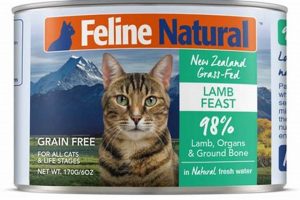
Gastrointestinal distress, manifested as loose or watery stools in felines, can be attributed to various dietary factors. While often perceived as a palatable and hydrating option, moist feline diets are not inherently problematic. However, specific characteristics and components present within these formulations can disrupt the normal digestive processes, leading to episodes of diarrhea.
Understanding the potential link between a feline’s diet and digestive health is paramount for responsible pet ownership. Identifying and mitigating dietary triggers not only improves the animal’s immediate well-being but also contributes to long-term health by preventing chronic digestive issues and ensuring optimal nutrient absorption. Considering the prevalence of gastrointestinal sensitivities in cats, a proactive approach to dietary management can significantly enhance their quality of life.
Several elements within wet cat food, such as high fat content, novel protein sources, or artificial additives, may contribute to digestive upset. Furthermore, rapid dietary changes or underlying health conditions can exacerbate the potential for loose stools. This article will explore these contributing factors in detail, providing insights into identifying and addressing dietary-related diarrhea in felines.
Mitigating Diarrhea Associated with Moist Feline Diets
Managing dietary-induced diarrhea in cats requires a methodical approach. The following tips provide guidance on minimizing the likelihood of digestive upset when incorporating wet food into a feline’s diet.
Tip 1: Gradual Introduction: Implement any dietary changes incrementally. Introduce small portions of wet food alongside the existing diet, gradually increasing the ratio of wet to dry food over a period of 7-10 days. This allows the digestive system to adapt to the new food composition.
Tip 2: Ingredient Analysis: Scrutinize the ingredient list of the wet food. Be aware of potential allergens or ingredients known to cause sensitivities in cats, such as certain grains, artificial colors, or preservatives. Opt for limited-ingredient diets to minimize potential irritants.
Tip 3: Fat Content Monitoring: Assess the fat content of the wet food. Diets high in fat can sometimes overwhelm the digestive system, leading to diarrhea. Choose formulations with moderate fat levels, particularly if the cat has a history of digestive sensitivity.
Tip 4: Protein Source Evaluation: Recognize that novel protein sources, while beneficial for some cats, can trigger digestive upset in others. If introducing a wet food with a protein the cat has not previously consumed, monitor stool consistency closely for any adverse reactions.
Tip 5: Portion Control: Adhere to recommended feeding guidelines and avoid overfeeding. Excessive food intake, especially of a richer wet food, can disrupt the digestive balance and result in diarrhea.
Tip 6: Food Quality Assurance: Select reputable brands that adhere to stringent quality control standards. Avoid purchasing dented or damaged cans, as this could indicate compromised food integrity.
Tip 7: Veterinary Consultation: If diarrhea persists despite implementing these strategies, seek veterinary advice. Underlying medical conditions or food sensitivities may require further investigation and specialized dietary management.
Adherence to these guidelines helps to minimize the chances of dietary-induced diarrhea and promote a healthy digestive system, ensuring optimal nutrient absorption and well-being for the feline companion.
Implementing these strategies will contribute to the effective management of dietary factors associated with gastrointestinal disturbances in felines.
1. Ingredient Sensitivity

Ingredient sensitivity, a form of adverse food reaction, constitutes a primary etiology in diet-related diarrhea in felines. While not necessarily an allergic reaction mediated by the immune system, a sensitivity arises when a specific ingredient, commonly a protein source, elicits an abnormal gastrointestinal response. This response disrupts the digestive process, leading to inflammation, altered gut motility, and ultimately, diarrhea. The causal link stems from the inability of the feline’s digestive system to properly process and absorb the offending ingredient. As an example, a cat previously unexposed to poultry protein may exhibit diarrhea upon consuming a wet food formulated with chicken due to an inability to efficiently digest and assimilate it. This highlights the critical role of ingredient selection in feline diets.
The identification of ingredient sensitivities often necessitates a process of elimination. Veterinarians may recommend a hypoallergenic or limited-ingredient diet, wherein the protein and carbohydrate sources are novel or hydrolyzed (broken down into smaller, less allergenic components). By systematically introducing ingredients back into the diet, while monitoring stool consistency, the offending agent can be pinpointed. The practical significance lies in the ability to tailor the diet to avoid these triggers, thereby mitigating recurring episodes of diarrhea. For instance, if a feline is identified as sensitive to beef, the avoidance of beef-based wet food formulations becomes paramount in managing its digestive health. Proper ingredient scrutiny can alleviate many digestive issues.
In summary, ingredient sensitivity represents a significant and manageable cause of diarrhea related to moist feline diets. The key to addressing this issue lies in careful ingredient selection, systematic elimination diets, and veterinary guidance. While challenges exist in accurately identifying specific sensitivities, proactive dietary management offers a means to minimize digestive upset and improve the overall well-being of felines prone to adverse food reactions. Addressing the challenge of diarrhea by understanding ingredient sensitivities ensures a higher quality of life for the animal, improving both its digestive health and comfort.
2. High Fat Content

The elevated lipid concentration in certain moist feline diets can significantly influence digestive function and, consequently, contribute to the development of diarrhea. The digestibility and absorption of fats are crucial for maintaining normal gastrointestinal motility and stool consistency. Deviation from optimal fat levels can disrupt this equilibrium.
- Pancreatic Overload
Elevated fat intake necessitates increased pancreatic enzyme production for proper digestion. An excessive fat load can overwhelm the pancreas, leading to incomplete fat digestion. Undigested fats draw water into the colon via osmosis, resulting in loose or watery stools. For example, a feline consuming a wet food exceeding 20% fat (on a dry matter basis) may experience diarrhea due to pancreatic insufficiency, particularly if pre-existing pancreatic issues are present. This situation directly highlights how fat levels exceeding a cat’s digestive capacity affects stool form.
- Bile Acid Insufficiency
Bile acids, synthesized by the liver, emulsify fats to facilitate their absorption in the small intestine. Insufficient bile acid production or impaired bile flow can hinder fat digestion. The subsequent malabsorption of fats triggers diarrhea through similar osmotic mechanisms as described with pancreatic overload. A cat with liver disease, and therefore reduced bile production, could develop diarrhea when switched to a high-fat wet food. This illustrates the liver-digestion connection and the potential for a high-fat diet to cause digestive issues.
- Altered Gut Microbiota
High dietary fat can alter the composition of the gut microbiota, favoring the proliferation of fat-digesting bacteria. This shift can disrupt the delicate balance of the microbial ecosystem, leading to inflammation and changes in intestinal permeability. An imbalanced microbiome can disrupt the normal digestive environment. The inflammation that results can have an adverse effects on the colon.
- Reduced Intestinal Motility
High-fat diets can influence intestinal motility, slowing down the transit time of ingesta through the digestive tract. Prolonged exposure of the intestinal lining to undigested fats can further exacerbate inflammation and contribute to diarrhea. The slow transit of food through the digestive tract is worsened when inflammation affects the colon.
In conclusion, excessive fat content in moist feline diets represents a significant factor in the etiology of diarrhea. The mechanisms involved, including pancreatic overload, bile acid insufficiency, altered gut microbiota, and reduced intestinal motility, underscore the complex interplay between dietary fat and digestive function. The importance of maintaining a balanced diet is that it is vital to the wellness of the animal.
3. Rapid Dietary Changes
Abrupt alterations to a feline’s diet, particularly the introduction of moist food, frequently precipitate gastrointestinal disturbances, including diarrhea. The feline digestive system, like that of many mammals, relies on a stable gut microbiota to facilitate efficient digestion and nutrient absorption. These microorganisms, which reside within the intestines, are highly sensitive to dietary composition. When a cat transitions quickly from one food to another, the existing microbial population struggles to adapt to the new nutrient profile. This imbalance, known as dysbiosis, can lead to reduced digestive capacity and inflammation of the intestinal lining, subsequently causing diarrhea. For instance, abruptly switching a cat from a dry kibble diet to a wet food diet with a significantly different protein or fat content often results in loose stools, as the gut flora has not had adequate time to adjust.
The practical significance of understanding the effect of rapid dietary changes lies in the ability to prevent unnecessary digestive distress in felines. Implementing a gradual transition, typically over a period of 7 to 10 days, allows the gut microbiota to adapt progressively. This involves mixing small amounts of the new food with the existing diet, gradually increasing the proportion of the new food while decreasing the old. The gradual approach minimizes the risk of dysbiosis and reduces the likelihood of diarrhea. A well-executed dietary transition prevents gut bacteria that thrive in the existing diet from dying-off too quickly as the new food type becomes the predominant diet. This promotes a more stable and healthful microbiome, reducing the risk of diarrhea related to the food change. This careful process reduces stress on the digestive system.
In summary, rapid dietary changes represent a common trigger for diarrhea in felines consuming moist food. The underlying cause is a disruption of the gut microbiota, leading to impaired digestion and inflammation. Adopting a gradual transition period enables the digestive system to adapt, mitigating the risk of diarrhea. Understanding this connection empowers pet owners to make informed dietary choices that prioritize the digestive health and well-being of their feline companions. The application of these insights has shown to minimize cases of food change related diarrhea among cats.
4. Food Spoilage
Microbial contamination resulting from food spoilage represents a significant etiological factor contributing to gastrointestinal distress, specifically diarrhea, in felines consuming moist diets. Wet cat food, by its very nature, possesses a high moisture content, creating an ideal environment for bacterial proliferation. Once the protective seal of the packaging is breached, whether through opening or damage, the food becomes susceptible to colonization by various microorganisms, including pathogenic bacteria such as Salmonella, E. coli, and Clostridium. These microorganisms, upon ingestion, disrupt the delicate balance of the gut microbiota, leading to inflammation, toxin production, and ultimately, diarrhea. For instance, a can of wet food left unrefrigerated for an extended period after opening provides ample opportunity for bacterial growth. A feline consuming this contaminated food would likely experience gastrointestinal symptoms due to the toxins released by the bacteria and the inflammatory response triggered within the digestive tract. Proper food handling is thus essential to ensure the cat food remains safe for consumption.
The effects of ingesting spoiled wet cat food range from mild, self-limiting diarrhea to severe, life-threatening systemic infections, depending on the degree of contamination and the overall health of the animal. Young kittens, senior cats, and immunocompromised individuals are particularly vulnerable to the detrimental effects of foodborne pathogens. Moreover, prolonged exposure to spoiled food can lead to chronic gastrointestinal issues, further compromising the feline’s well-being. Practical implications include meticulous attention to expiration dates, proper refrigeration of opened cans (typically for no more than 24-48 hours), and discarding any food exhibiting signs of spoilage, such as discoloration, off-odors, or unusual textures. For example, the presence of mold or a sour smell in wet cat food is a clear indication of spoilage, mandating immediate disposal of the product. Paying close attention to the conditions of the cat food is essential.
In summary, food spoilage is a critical consideration in the context of moist feline diets and their potential to induce diarrhea. Microbial contamination can disrupt the gut microbiota and trigger inflammatory responses, leading to gastrointestinal distress. Adherence to proper storage and handling practices, including refrigeration and discarding spoiled food, is essential for minimizing the risk of foodborne illnesses and ensuring the digestive health of felines. While preventing spoilage completely is unrealistic, it is possible to maintain conditions that discourage microbial growth.
5. Underlying Conditions
Pre-existing medical conditions can significantly influence a feline’s susceptibility to diarrhea when consuming moist diets. While the food itself may not be inherently problematic, compromised physiological function can impair the digestive system’s ability to process even a seemingly benign diet. For example, a cat with inflammatory bowel disease (IBD) may experience exacerbated symptoms, including diarrhea, upon the introduction of a new wet food, regardless of its composition. The underlying inflammation within the intestinal tract renders it more sensitive to dietary changes, making diarrhea a more likely outcome than in a healthy animal. Therefore, establishing a comprehensive medical history is essential when evaluating dietary contributions to digestive upset.
Specific organ dysfunction can further complicate the relationship between diet and diarrhea. Pancreatic insufficiency, characterized by inadequate production of digestive enzymes, impairs the breakdown of fats and proteins, leading to malabsorption and osmotic diarrhea. Similarly, liver disease can disrupt bile acid synthesis, which is essential for fat emulsification and absorption. In these cases, even a moderately high-fat wet food can trigger diarrhea due to the compromised digestive capacity. Endocrine disorders, such as hyperthyroidism, can also affect gastrointestinal motility, altering transit time and potentially causing diarrhea. Consequently, addressing these underlying conditions is paramount for effective management of dietary-related digestive issues.
Ultimately, recognizing the interplay between pre-existing medical conditions and dietary factors is crucial for accurate diagnosis and effective treatment of diarrhea in felines. While dietary adjustments are often necessary, they may not be sufficient in the presence of untreated underlying illnesses. A thorough veterinary examination, including diagnostic testing to assess organ function and rule out inflammatory conditions, is essential for developing a comprehensive management plan. Therefore, any dietary interventions should be integrated into a broader treatment strategy that addresses the root cause of the digestive problem. The interaction can be complex, and a nuanced approach is often necessary.
6. Lack of Fiber

Dietary fiber plays a multifaceted role in maintaining optimal feline gastrointestinal health, influencing stool consistency, gut motility, and the composition of the gut microbiota. Inadequate fiber intake, particularly within moist diets, can disrupt these processes, leading to digestive irregularities, including diarrhea. The absence of sufficient fiber impairs the normal functioning of the colon.
- Water Absorption and Stool Bulking
Fiber’s primary function in the colon involves absorbing water, thereby increasing stool bulk and promoting firmer consistency. This prevents stools from becoming overly liquid and reduces the likelihood of diarrhea. Moist diets inherently contain higher water content. Fiber helps to balance the moisture levels in the digestive tract. The absence of sufficient fiber results in loose, poorly formed stools due to excessive water content in the colon. For instance, a cat consuming a wet food with minimal fiber may produce watery stools, reflecting the inability of the colon to effectively absorb excess fluid.
- Regulation of Gut Motility
Fiber stimulates peristalsis, the rhythmic contractions of the intestinal muscles that propel waste through the digestive tract. Appropriate levels of fiber promote regular bowel movements and prevent both constipation and diarrhea. Insufficient fiber can lead to erratic gut motility, resulting in either slowed transit time (constipation) or accelerated transit time (diarrhea). An accelerated transit time causes incomplete water absorption and the expulsion of loose stools. The inclusion of moderate amounts of insoluble fiber helps to regulate intestinal contractions and maintain optimal transit speed.
- Support of Beneficial Gut Microbiota
Fiber serves as a prebiotic, providing a source of nourishment for beneficial gut bacteria. These bacteria ferment fiber, producing short-chain fatty acids (SCFAs) that promote gut health, reduce inflammation, and improve nutrient absorption. A lack of fiber can starve beneficial bacteria. The overall health of the gut is compromised if this lack of fiber is prolonged. This can lead to an overgrowth of pathogenic organisms and an increased risk of diarrhea. Different types of fiber support different bacterial populations.
- Binding of Toxins and Irritants
Certain types of fiber can bind to toxins and irritants within the digestive tract, preventing them from being absorbed into the bloodstream and reducing their potential to cause inflammation or diarrhea. In the absence of fiber, these substances remain free to irritate the intestinal lining, contributing to digestive upset. The binding action of fiber helps to detoxify the gut and protect against inflammatory stimuli. This is a mechanism that would not function in the absence of adequate fiber.
The absence of adequate dietary fiber within moist diets can disrupt normal digestive processes, influencing water absorption, gut motility, microbial balance, and toxin binding. These disruptions collectively increase the risk of diarrhea. Fiber inclusion can mitigate these issues by promoting bulkier stools, regulating gut movement, supporting beneficial bacteria, and binding harmful substances, highlighting the integral role of fiber in maintaining healthy digestion in felines consuming moist food.
7. Overfeeding

Excessive food consumption, irrespective of the food type, places undue stress on the digestive system of felines. This principle applies equally, if not more so, to moist diets given their often higher palatability and caloric density compared to dry kibble. Overfeeding overwhelms the digestive capacity, exceeding the ability of the gastrointestinal tract to efficiently process and absorb nutrients. The consequence is frequently manifested as diarrhea, characterized by loose or watery stools resulting from incomplete digestion and increased fluid secretion into the intestinal lumen. A cat allowed unrestricted access to wet food, for instance, may consume quantities exceeding its metabolic needs, leading to digestive overload and subsequent diarrhea. This cause-and-effect relationship highlights the critical role of controlled portion sizes in maintaining gastrointestinal health.
The digestive challenges posed by overfeeding are multifaceted. An overabundance of nutrients, particularly fats, can exceed the digestive enzyme production capacity, leading to malabsorption. Undigested nutrients draw water into the colon via osmosis, contributing to loose stools. Furthermore, overfeeding can disrupt the delicate balance of the gut microbiota, fostering the proliferation of opportunistic bacteria that exacerbate diarrhea. Moreover, it decreases the efficiency of the digestive tract. Consider a scenario where a feline typically consumes 200 calories daily. If that intake doubles due to unrestricted access to palatable wet food, the digestive system will struggle to process the increased caloric load, leading to digestive upset. The practical significance of this understanding lies in the need for pet owners to meticulously measure food portions and adhere to feeding guidelines, thereby preventing digestive overload and maintaining optimal stool consistency.
In summary, overfeeding, especially with palatable moist diets, can overwhelm the feline digestive system, disrupting nutrient absorption, altering gut microbiota, and ultimately precipitating diarrhea. Responsible pet ownership entails diligent portion control, ensuring that food intake aligns with the animal’s metabolic needs and digestive capacity. This proactive approach minimizes the risk of digestive disturbances and promotes overall well-being. While various factors can contribute to diarrhea, overfeeding represents a modifiable risk factor that can be effectively addressed through responsible feeding practices. Therefore, the connection between food quantity and resulting digestive stress is an important consideration to the health of the animal.
Frequently Asked Questions
The following addresses common inquiries regarding the association between moist feline diets and the occurrence of diarrhea in cats. The information provided aims to clarify the relationship and offer guidance on mitigating potential digestive issues.
Question 1: Is moist feline food inherently more likely to cause diarrhea compared to dry kibble?
Moist feline food is not inherently more problematic than dry kibble. Diarrhea results from factors related to ingredients, handling, or the animal’s individual sensitivities, rather than the moisture content itself.
Question 2: What specific ingredients in wet cat food are most commonly associated with digestive upset?
Common culprits include novel protein sources, artificial additives, high fat content, and certain preservatives. Ingredient sensitivities vary between individual animals.
Question 3: How quickly can a dietary change to moist food trigger diarrhea in a sensitive cat?
Diarrhea can manifest within 24-48 hours of a rapid dietary shift, particularly when introducing a food with significantly different ingredients or nutrient profiles.
Question 4: What are the best practices for transitioning a cat to a moist food diet to minimize the risk of diarrhea?
Implement a gradual transition over 7-10 days, incrementally increasing the proportion of moist food while decreasing the previous diet. Monitor stool consistency closely for any adverse reactions.
Question 5: Besides diet, what other factors can contribute to diarrhea in a cat consuming moist food?
Underlying medical conditions (e.g., inflammatory bowel disease, pancreatic insufficiency), food spoilage due to improper storage, and overfeeding can all contribute to diarrhea.
Question 6: When should veterinary intervention be sought for diarrhea in a cat consuming moist food?
Veterinary attention is warranted if diarrhea persists for more than 24-48 hours, is accompanied by other symptoms (e.g., vomiting, lethargy, loss of appetite), or if blood is present in the stool.
Understanding the nuances of moist feline diets and their potential impact on digestive health allows for proactive dietary management and timely intervention when necessary. By addressing these common concerns, pet owners can make informed decisions that promote the well-being of their feline companions.
The next section will discuss methods for assessing the quality and suitability of different moist feline food formulations.
Conclusion
The exploration of “can wet cat food cause diarrhea” has revealed that while moist feline diets are not inherently problematic, various factors associated with their composition, handling, and the individual animal’s physiology can contribute to gastrointestinal distress. Ingredient sensitivities, high fat content, rapid dietary changes, food spoilage, underlying medical conditions, inadequate fiber intake, and overfeeding have all been identified as potential triggers for diarrhea in felines consuming wet food. A comprehensive understanding of these factors is essential for responsible pet ownership and effective management of feline digestive health.
Ultimately, informed dietary choices and diligent monitoring are crucial for preventing and addressing dietary-related diarrhea in felines. Prioritizing high-quality ingredients, implementing gradual dietary transitions, practicing proper food handling, and consulting with a veterinarian are all vital steps in ensuring optimal digestive health and overall well-being for feline companions. Continued vigilance and a proactive approach to dietary management will minimize the risk of digestive upset and contribute to a higher quality of life for cats.

![[FAQ] Can I Feed Goldfish Betta Food? Risks & Tips | World’s Most Delicious Foods: Must-Try Dishes from Every Country](https://lisasfoods.com/wp-content/uploads/2026/05/th-278-300x200.jpg "[FAQ] Can I Feed Goldfish Betta Food? Risks & Tips World’s Most Delicious Foods: Must-Try Dishes from Every Country")