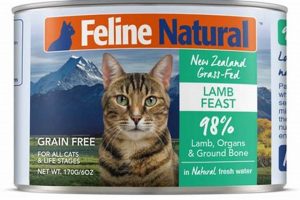
The question of whether domestic felines can consume canine-specific food products is frequently raised by individuals encountering stray animals. While offering sustenance to a stray cat is compassionate, providing it with a diet specifically formulated for dogs presents potential nutritional imbalances.
Sustained consumption of dog food by a cat can lead to taurine deficiency. Taurine, an essential amino acid for cats, is present in cat food but often lacking in sufficient quantities in dog food. This deficiency can result in serious health problems for the feline, including heart conditions and vision impairment. Furthermore, the different protein and fat requirements between species mean that a diet designed for dogs might not adequately meet the needs of a cat, potentially affecting its overall health and well-being.
Therefore, while dog food may provide temporary sustenance, it is not a suitable long-term dietary solution for a stray cat. Efforts should be made to provide cat-specific food or contact local animal welfare organizations for guidance on the appropriate care and feeding of stray animals.
Guidance Regarding Feline Consumption of Canine Food
When confronted with a stray cat, providing appropriate nourishment is crucial. In situations where only canine food is accessible, consider the following guidelines.
Tip 1: Offer Dog Food Sparingly. Dog food should only be provided as a temporary measure. Prioritize obtaining feline-specific food as soon as feasible.
Tip 2: Monitor for Digestive Issues. Observe the cat for signs of gastrointestinal distress, such as vomiting or diarrhea. Discontinue offering dog food if such symptoms arise.
Tip 3: Supplement with Taurine. If prolonged reliance on dog food is unavoidable, consider supplementing the cat’s diet with taurine. Consult with a veterinarian regarding appropriate dosage.
Tip 4: Ensure Access to Fresh Water. Regardless of the food source, maintaining consistent access to clean, fresh water is essential for the cat’s hydration and overall health.
Tip 5: Seek Cat Food Donations. Contact local animal shelters, rescue organizations, or pet food banks. These entities may be able to supply feline-specific food for the stray cat.
Tip 6: Transition Gradually. Upon obtaining cat food, introduce it slowly. Mix small amounts of cat food with the dog food, gradually increasing the ratio of cat food over several days. This approach minimizes the risk of digestive upset during the transition.
Tip 7: Understand Nutritional Deficiencies. Recognize that continuous ingestion of canine food can lead to dietary insufficiencies in felines. Seek qualified veterinarian guidance for long-term animal health.
Adhering to these guidelines when temporary reliance on canine food is unavoidable can help mitigate potential health risks for a stray cat. Remember, proper nutritional support remains a cornerstone of animal welfare.
Proceeding to explore options for acquiring feline-specific nutrition or seeking assistance from local animal care facilities is the recommended next step.
1. Nutritional deficiency

Nutritional deficiency becomes a central concern when assessing the suitability of canine food for feline consumption. Addressing the question of whether a stray cat should consume dog food demands an understanding of the specific nutritional needs of felines and the potential consequences of dietary inadequacies.
- Taurine Depletion
Taurine, an essential amino acid for cats, is often present in insufficient quantities in canine food formulations. This deficiency can lead to severe health complications in felines, including dilated cardiomyopathy (DCM) and retinal degeneration, potentially resulting in blindness. The prolonged absence of adequate taurine intake underscores a primary risk associated with a diet of dog food.
- Protein Imbalance
Cats are obligate carnivores, requiring a higher proportion of protein in their diet compared to dogs. Canine food, formulated to meet the protein needs of dogs, may not adequately satisfy the protein requirements of cats. This discrepancy can result in muscle loss and reduced overall health in felines sustained on dog food.
- Vitamin and Mineral Deficiencies
Feline and canine nutritional requirements differ beyond just protein and taurine. Dog food might lack adequate levels of specific vitamins and minerals crucial for feline health. Deficiencies in nutrients such as arachidonic acid and certain B vitamins can compromise a cat’s immune function, coat health, and neurological function.
- Digestive and Metabolic Strain
The physiological processes of cats are adapted for a diet rich in animal-derived protein and fat. Consuming a diet that deviates significantly from this optimal profile, such as dog food, can place undue stress on the feline digestive and metabolic systems, potentially leading to chronic health issues over time.
The potential for nutritional deficiencies stemming from the exclusive consumption of canine food by felines highlights the importance of providing cat-specific sustenance. While offering dog food to a stray cat might seem like a compassionate act, the long-term implications of nutritional imbalances warrant careful consideration and the prioritization of a diet tailored to the unique physiological needs of cats.
2. Taurine Absence and Canine Food for Felines

The critical link between taurine absence and the suitability of canine food for felines stems from the distinct nutritional requirements of each species. Taurine, a beta-amino sulfonic acid, functions as an essential nutrient for cats, playing vital roles in vision, heart muscle function, digestion, and reproduction. Unlike dogs, cats cannot synthesize sufficient taurine endogenously, necessitating dietary intake. The insufficient taurine content in most canine food formulations poses a significant health risk to felines. Consequently, extended reliance on dog food leads to taurine deficiency, potentially triggering severe health consequences.
Examples of taurine deficiency-related illnesses resulting from the practice of feeding cats dog food include dilated cardiomyopathy (DCM), characterized by an enlarged and weakened heart, and retinal degeneration, leading to vision impairment and eventual blindness. Clinical cases reveal a direct correlation between long-term consumption of taurine-deficient diets and the onset of these conditions. Furthermore, the absence of sufficient taurine can affect fetal development and neurological function in cats. From a practical standpoint, this knowledge emphasizes the critical need to avoid substituting cat food with dog food, particularly for extended periods. Animal shelters and rescue organizations encounter these issues frequently, highlighting the real-world impact of dietary misunderstandings.
In summary, the absence of adequate taurine in canine food renders it nutritionally inadequate for felines. While dog food may serve as a temporary caloric source, the associated risk of taurine deficiency and subsequent health complications outweighs any short-term convenience. Prioritizing cat-specific food, supplemented with taurine if necessary under veterinary guidance, remains essential for maintaining the health and well-being of stray cats.
3. Digestive distress

The introduction of canine food into a feline’s diet can frequently trigger digestive distress, a direct consequence stemming from differences in digestive physiology and nutritional requirements between the two species. Cats, as obligate carnivores, possess digestive systems optimized for processing high protein and fat content, with a shorter digestive tract compared to dogs. Canine food often contains higher levels of carbohydrates and plant-based ingredients, which the feline digestive system struggles to process efficiently. This incompatibility can lead to a range of adverse reactions.
Common manifestations of digestive distress in cats consuming canine food include vomiting, diarrhea, abdominal discomfort, and loss of appetite. Undigested food particles may appear in the stool, indicating malabsorption. In severe cases, persistent digestive upset can result in dehydration, electrolyte imbalances, and weight loss. For instance, a stray cat that scavenges dog food from a nearby residence may exhibit frequent episodes of diarrhea and vomiting, hindering its ability to absorb essential nutrients and maintain a healthy weight. This scenario underscores the importance of providing species-appropriate nutrition to prevent digestive complications and ensure optimal health.
In conclusion, the link between digestive distress and feeding canine food to stray cats highlights a significant health concern. The physiological differences between cats and dogs dictate that canine food is not a suitable long-term dietary option for felines. Recognizing the potential for digestive upset and providing cat-specific food are crucial steps in ensuring the well-being of stray cats and preventing avoidable health complications.
4. Temporary solution

The allowance of canine food for feline consumption functions solely as a short-term expedient. In scenarios where no alternative feline-specific sustenance is readily accessible, offering dog food to a stray cat can address immediate hunger. However, this practice should not extend beyond the timeframe required to procure appropriate nourishment. The formulation of canine food lacks the necessary taurine and possesses an imbalanced protein and fat profile, rendering it inadequate for sustaining feline health over extended periods. The application of dog food is therefore an emergency measure, aimed at averting starvation until a more suitable dietary option can be implemented.
Consider a situation where a rescuer encounters a stray kitten exhibiting signs of severe malnutrition. The immediate priority is to provide any available source of calories. If dog food is the only option, it is permissible to offer it, provided steps are immediately taken to acquire kitten-specific formula or food. Neglecting to transition to a nutritionally complete feline diet following this initial intervention can result in long-term health deficits for the kitten. Therefore, the perception of dog food as a solution must be explicitly qualified by its temporality. Animal welfare organizations emphasize the urgency of switching to a feline-appropriate diet as soon as possible.
The significance of recognizing “can i feed a stray cat dog food” as a temporary solution lies in mitigating the potential for long-term physiological harm. While addressing immediate caloric needs is paramount, the inherent nutritional deficiencies of canine food for felines necessitate a prompt and decisive shift to a species-appropriate diet. The duration of canine food administration should be minimized to prevent irreversible damage, ensuring the cat’s sustained health and well-being. Therefore, acknowledging this practice as a temporary measure is vital for responsible animal care.
5. Health Implications

The practice of feeding canine food to felines carries a range of potential health implications, demanding careful consideration before implementing such a dietary strategy, even on a temporary basis. The physiological differences between cats and dogs translate to disparate nutritional needs, making sustained reliance on canine food potentially detrimental to feline well-being.
- Taurine Deficiency and Cardiomyopathy
Taurine, an essential amino acid for cats, is often present in insufficient quantities within canine food formulations. Prolonged taurine deficiency can lead to dilated cardiomyopathy (DCM), a severe heart condition characterized by an enlarged and weakened heart muscle. This condition can manifest as lethargy, difficulty breathing, and, in severe cases, sudden death. The absence of adequate taurine supplementation necessitates avoiding long-term canine food provision to felines.
- Protein Imbalance and Muscle Atrophy
Cats, being obligate carnivores, require a higher protein intake compared to dogs. Canine food, formulated with a protein profile tailored to canine needs, may not satisfy the protein demands of felines. Consequently, cats sustained on dog food can experience muscle atrophy, weakness, and impaired immune function due to protein deficiency. Monitoring for signs of muscle loss and ensuring adequate protein intake are crucial in mitigating these effects.
- Digestive Upset and Malabsorption
The feline digestive system is optimized for processing high protein and fat content, unlike the carbohydrate-rich composition often found in canine food. Feeding dog food to cats can result in digestive upset, including vomiting, diarrhea, and abdominal discomfort. Moreover, the malabsorption of nutrients can exacerbate underlying nutritional deficiencies, further compromising the cat’s health and well-being.
- Vitamin and Mineral Imbalances and Systemic Effects
Canine food may lack adequate levels of certain vitamins and minerals essential for feline health, such as arachidonic acid and specific B vitamins. These imbalances can lead to various systemic effects, including skin problems, impaired coat quality, compromised immune function, and neurological deficits. Addressing these imbalances through supplementation, under veterinary guidance, is crucial to minimizing long-term health consequences.
The health implications associated with feeding canine food to felines underscore the critical importance of providing species-appropriate nutrition. While dog food may serve as a temporary caloric source, the potential for long-term health consequences necessitates a prompt transition to a nutritionally balanced feline diet. Prioritizing the cat’s specific nutritional needs remains paramount for ensuring its overall health and well-being.
6. Alternative options

The suitability of providing canine food to stray felines is often questioned, underscoring the importance of exploring viable alternative options for their sustenance. Considering potential nutritional imbalances and health risks associated with canine food consumption, identifying and implementing alternative feeding strategies becomes paramount.
- Feline-Specific Commercial Food
The optimal alternative is providing commercially available cat food, formulated to meet the specific nutritional needs of felines. These products contain appropriate levels of taurine, protein, and other essential nutrients, minimizing the risk of dietary deficiencies. Purchasing dry or wet cat food from a local pet store or supermarket offers a readily accessible solution for ensuring adequate nutrition. Animal welfare organizations strongly advocate for prioritizing commercially available cat food whenever possible.
- Temporary Homemade Feline Food
In situations where commercial cat food is temporarily unavailable, a carefully prepared homemade diet can serve as a short-term alternative. This option requires meticulous attention to nutritional balance, typically involving lean meat sources, such as cooked chicken or fish, supplemented with taurine and other essential nutrients under veterinary guidance. However, the complexity of formulating a nutritionally complete homemade diet makes this a less practical solution for most individuals.
- Reaching Out to Local Animal Shelters and Rescue Organizations
Local animal shelters and rescue organizations frequently maintain resources for assisting stray animals, including providing food and medical care. Contacting these organizations can provide access to donated cat food or guidance on responsible feeding practices. Moreover, these entities may offer assistance in capturing and rehoming stray cats, addressing the underlying issue of food insecurity.
- Community Cat Feeding Programs
In some communities, organized cat feeding programs provide consistent sustenance for stray and feral cat populations. These programs often involve designated feeding stations and volunteers who ensure regular provision of cat food and monitor the health of the cats. Participating in or establishing a community cat feeding program can offer a sustainable solution for addressing the nutritional needs of stray cats within a specific geographic area.
The evaluation of whether canine food should be administered to stray felines necessitates a thorough consideration of available alternatives. While dog food might offer temporary caloric intake, the associated risks of nutritional deficiencies and digestive upset render it a suboptimal choice. Prioritizing commercially available cat food, exploring temporary homemade diets under veterinary supervision, contacting local animal shelters, or participating in community cat feeding programs offers viable strategies for ensuring the well-being of stray cats and mitigating the potential harms associated with canine food consumption.
Frequently Asked Questions
This section addresses common inquiries concerning the appropriateness of providing canine-specific food to stray feline populations. These questions aim to clarify potential risks and provide informed guidance on nutritional support.
Question 1: Is canine food a suitable long-term dietary solution for a stray cat?
No. Dog food lacks sufficient taurine, an essential amino acid for feline health, and contains an imbalanced protein-to-fat ratio, leading to potential health complications over time.
Question 2: What are the immediate health risks associated with feeding a cat dog food?
Short-term consumption may result in digestive upset, including vomiting and diarrhea. Long-term consumption poses risks of taurine deficiency, potentially leading to cardiac and ophthalmic issues.
Question 3: Can supplementing canine food with taurine mitigate the risks for a cat?
While taurine supplementation can partially address the deficiency, the imbalanced protein and fat content in canine food remains a concern. Feline-specific food is always preferable.
Question 4: What should one do if canine food is the only available option for a stray cat?
Offer the canine food as a temporary measure, ensuring access to fresh water. Immediately seek feline-specific food or contact local animal welfare organizations for assistance.
Question 5: How does the nutritional composition of canine food differ from feline food?
Canine food generally contains lower protein and higher carbohydrate levels than feline food. It also lacks adequate amounts of taurine and arachidonic acid, essential nutrients for cats.
Question 6: What are the long-term consequences of a cat consistently consuming canine food?
Potential long-term consequences include dilated cardiomyopathy (DCM), retinal degeneration, muscle atrophy, compromised immune function, and other systemic health problems related to nutritional deficiencies.
In summary, while providing sustenance to a stray cat is commendable, ensuring access to feline-specific nutrition is crucial for maintaining its long-term health and well-being.
Proceeding to explore options for obtaining feline-specific nutrition or seeking assistance from local animal care facilities is the recommended next step.
Can I Feed a Stray Cat Dog Food
The foregoing exploration of “can I feed a stray cat dog food” reveals that while such a practice might offer temporary sustenance, it is not a sustainable or advisable long-term solution. Canine food formulations lack the specific nutritional components required by felines, notably taurine, and possess an imbalanced protein-to-fat ratio. Consistent consumption of canine food by cats can lead to severe health complications, including cardiac issues, vision impairment, and compromised immune function.
Therefore, individuals encountering stray cats should prioritize providing species-appropriate nutrition. Seeking assistance from local animal welfare organizations, acquiring commercially available feline food, or, in extreme circumstances, preparing a carefully balanced homemade diet under veterinary guidance are all superior alternatives. The long-term health and well-being of the animal should be the primary consideration, necessitating a shift away from canine food as soon as feasible. Responsible stewardship dictates providing adequate care, which begins with appropriate nutrition.

![[FAQ] Can I Feed Goldfish Betta Food? Risks & Tips | World’s Most Delicious Foods: Must-Try Dishes from Every Country](https://lisasfoods.com/wp-content/uploads/2026/05/th-278-300x200.jpg "[FAQ] Can I Feed Goldfish Betta Food? Risks & Tips World’s Most Delicious Foods: Must-Try Dishes from Every Country")