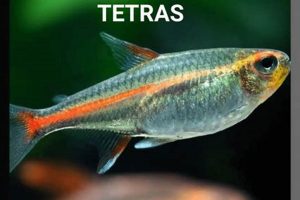
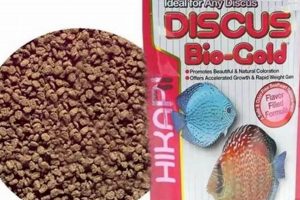
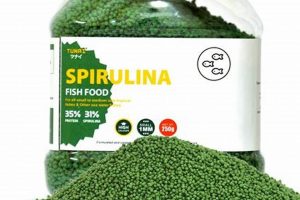
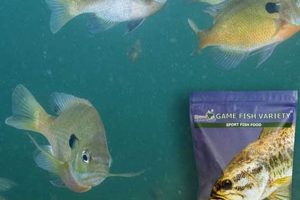
The ideal nutritional intake for aquatic creatures represents a crucial aspect of their well-being. Supplying the correct quantity and type of sustenance directly influences growth, coloration, and overall health. For example, providing a balanced diet, tailored to a specific species’ needs, ensures optimal physiological function.
Achieving this balanced state yields numerous advantages, promoting robust immune systems and vibrant appearances. Historically, understanding specific dietary needs evolved from observational studies of wild fish populations, gradually leading to the formulation of scientifically balanced commercial products. The correct strategy in this ensures minimal waste and a thriving aquatic ecosystem.
The subsequent sections will delve into key aspects of achieving a state of peak nutrition for various species, focusing on the selection of appropriate ingredients, determination of feeding schedules, and the assessment of overall health indicators linked to nutritional status. This guidance will enable aquarists to maintain healthy and vibrant aquatic environments.
Optimizing Aquatic Nutrition
Implementing optimal feeding strategies is paramount for maintaining thriving aquatic ecosystems. The following guidance outlines essential considerations for achieving nutritional balance.
Tip 1: Species-Specific Formulations: Recognizing the diverse dietary requirements across aquatic species is crucial. Select prepared foods specifically formulated for the intended inhabitants of the aquatic environment.
Tip 2: Portion Control and Feeding Frequency: Overfeeding negatively impacts water quality and potentially harms aquatic life. Administer small, appropriately sized portions multiple times daily, ensuring complete consumption within a few minutes.
Tip 3: Ingredient Analysis and Selection: Scrutinize the ingredients list of commercial feeds. Prioritize products containing high-quality protein sources, essential fatty acids, and necessary vitamins and minerals.
Tip 4: Observe Feeding Behavior: Monitor the feeding habits of aquatic organisms. Reduced appetite or avoidance of food may indicate underlying health issues or environmental imbalances requiring investigation.
Tip 5: Supplementation for Enhanced Health: Consider supplementing with live or frozen foods to provide a diverse range of nutrients and stimulate natural feeding behaviors. Ensure these supplements are sourced from reputable suppliers to minimize the risk of contamination.
Tip 6: Water Quality Monitoring: Regularly test water parameters, including ammonia, nitrite, and nitrate levels. Elevated levels may indicate overfeeding or inadequate filtration, necessitating corrective action.
Effective implementation of these strategies promotes enhanced growth, vibrant coloration, and robust immune function in aquatic organisms. Consistent adherence to these guidelines fosters a healthier and more sustainable aquatic environment.
The following sections will elaborate on specific applications of these tips, addressing common challenges and outlining best practices for various aquatic ecosystems.
1. Species-Specific Needs

The concept of “fish food optimum” hinges critically on addressing species-specific nutritional requirements. Diverse aquatic organisms exhibit vastly different dietary needs determined by their evolutionary history, physiology, and natural habitat. These needs encompass not only the type of food but also the size, shape, and method of delivery. Failing to acknowledge these intrinsic differences leads to malnutrition, compromised immune systems, and increased susceptibility to disease. For example, herbivorous species require diets rich in plant matter, while carnivorous species necessitate high protein intake derived from animal sources. Supplying a predominantly carnivorous diet to an herbivore results in digestive issues and nutritional deficiencies. Conversely, an herbivorous diet for a carnivore leads to stunted growth and compromised vitality.
The practical application of this understanding is evident in the formulation of commercially available fish foods. Reputable manufacturers design species-specific formulations based on rigorous scientific research, analyzing the natural diets of various fish. These formulations incorporate precise ratios of proteins, carbohydrates, fats, vitamins, and minerals tailored to each species’ unique physiological demands. For instance, foods designed for bottom-dwelling fish often sink rapidly to ensure access, while those for surface feeders float, allowing for easy consumption. The texture and size of the food particles are also meticulously engineered to match the mouth size and feeding mechanisms of the target species. Goldfish, known for their inefficient digestive systems, benefit from easily digestible foods with lower protein content to prevent excessive waste production and maintain water quality.
In conclusion, the success of achieving the ideal nutritional intake is inextricably linked to understanding and addressing species-specific dietary needs. The challenges lie in accurately identifying these needs through ongoing research and in effectively communicating this knowledge to aquarists. Prioritizing this understanding is fundamental to maintaining healthy and thriving aquatic ecosystems, preventing nutritional deficiencies, and fostering optimal growth, coloration, and overall well-being.
2. Nutritional Balance

The concept of nutritional balance is central to achieving the desired state. It represents a carefully calibrated ratio of essential components that directly influence physiological function, disease resistance, and overall health in aquatic organisms. Establishing an appropriate dietary composition, tailored to specific needs, is crucial for promoting longevity and vitality.
- Macronutrient Ratios
Macronutrients, namely proteins, carbohydrates, and fats, form the foundation of a balanced diet. The optimal ratio varies considerably among species, reflecting their natural feeding habits. For example, carnivorous fish necessitate a higher proportion of protein for tissue repair and growth, while herbivorous fish thrive on carbohydrate-rich diets that provide energy. An imbalance in macronutrient ratios results in metabolic stress, leading to impaired growth and reduced reproductive success. Overfeeding protein to herbivorous species, for instance, can lead to digestive complications and elevated levels of nitrogenous waste, negatively impacting water quality.
- Micronutrient Sufficiency
Micronutrients, including vitamins and minerals, play vital roles in enzymatic processes, immune function, and skeletal development. Deficiencies in essential vitamins, such as vitamin C, can compromise immune response, rendering fish more susceptible to infections. Similarly, inadequate mineral intake, particularly calcium and phosphorus, can lead to skeletal deformities and impaired growth. Supplementation with micronutrients is frequently necessary in captive environments, as natural sources may be limited or unavailable. A balanced micronutrient profile is critical for maintaining overall health and preventing deficiency-related diseases.
- Essential Fatty Acids
Essential fatty acids, such as omega-3 and omega-6 fatty acids, are crucial for cell membrane structure, hormone production, and inflammatory response. Fish cannot synthesize these fatty acids de novo and must obtain them through their diet. Deficiencies in essential fatty acids can result in compromised immune function, impaired growth, and abnormal coloration. The inclusion of ingredients rich in essential fatty acids, such as fish oil or flaxseed, is essential for maintaining optimal health, particularly in carnivorous and omnivorous species. A properly balanced ratio of omega-3 to omega-6 fatty acids promotes a healthy inflammatory response and reduces the risk of chronic diseases.
- Fiber Content and Digestibility
The inclusion of fiber in aquatic diets, particularly for herbivorous species, aids in digestion and promotes gut health. Fiber facilitates the movement of food through the digestive tract, preventing constipation and promoting nutrient absorption. However, excessive fiber intake can reduce the digestibility of other nutrients. The ideal fiber content varies depending on the species and the overall composition of the diet. Careful consideration of fiber content and digestibility is essential for maximizing nutrient utilization and maintaining a healthy digestive system. For carnivorous species, a minimal amount of indigestible fiber sources support intestinal peristalsis and prevent digestive impaction.
Achieving nutritional balance directly influences the extent to which desired outcome can be realized. A deficiency in any essential nutrient can negate the benefits of an otherwise well-formulated diet. Aquarists must carefully consider the specific nutritional requirements of their fish and select foods that provide a balanced profile of macronutrients, micronutrients, essential fatty acids, and fiber to promote optimal health, growth, and longevity. Therefore, “fish food optimum” is not merely about providing any food, but about providing a nutritionally complete and balanced diet tailored to each species needs.
3. Proper Portioning
Optimal nutrition requires precise allocation of food, a practice known as proper portioning, which is fundamental to achieving the best state of fish health. Insufficient or excessive food intake compromises physiological function and overall well-being. Precise control over portion size is therefore essential.
- Metabolic Rate and Energy Requirements
The metabolic rate dictates the energy needs of aquatic organisms. Species-specific metabolic rates influence the quantity of sustenance required for maintaining bodily functions, growth, and activity. For example, highly active species demand greater caloric intake compared to sedentary counterparts. Adjusting portion sizes to accommodate metabolic demands ensures efficient energy utilization and prevents metabolic disorders. Inadequate provision of energy leads to stunted growth and compromised immune function, while excessive intake results in obesity and related complications.
- Digestive Capacity and Nutrient Absorption
The digestive capacity of aquatic organisms limits the quantity of food that can be effectively processed at any given time. Overfeeding overwhelms the digestive system, leading to incomplete digestion and nutrient wastage. Unabsorbed nutrients decompose in the aquatic environment, contributing to water quality degradation. Conversely, restricting portion sizes below the digestive capacity limits nutrient availability, hindering growth and physiological processes. Adjusting portion sizes to align with digestive capacity optimizes nutrient absorption and minimizes waste production. Smaller, more frequent feedings often prove more efficient than infrequent, large meals.
- Water Quality Management
Proper portioning directly influences water quality. Excess food decomposes, releasing ammonia, nitrites, and nitrates, which are toxic to aquatic organisms. Accumulation of these compounds necessitates frequent water changes to maintain a habitable environment. Inadequate filtration exacerbates the problem, leading to chronic stress and increased susceptibility to disease. Precise control over portion sizes minimizes the introduction of organic waste, thereby reducing the burden on the filtration system and promoting stable water parameters. Sustainable aquatic ecosystems require a balanced approach to feeding and waste management.
- Feeding Behavior and Social Dynamics
Portion sizes affect feeding behavior and social dynamics within aquatic communities. Unequal distribution of food results in competition among individuals, leading to stress and potential injury. Dominant individuals may monopolize food resources, depriving subordinate individuals of adequate nutrition. Precisely calibrated portion sizes ensure equitable access to food, promoting social harmony and minimizing competition-related stress. Careful observation of feeding behavior allows for adjustments in portion sizes to accommodate individual needs and maintain a balanced social structure.
The link between portion control and optimal nutrition highlights the importance of mindful feeding practices. Regular observation of feeding behavior, coupled with routine water quality monitoring, enables fine-tuning of feeding strategies. Consistently adhering to these principles contributes to a healthy and thriving aquatic ecosystem, realizing the desired outcome of a balanced and sustainable environment.
4. Water Quality

Water quality is intrinsically linked to the ideal dietary intake for aquatic organisms. The composition of sustenance directly influences the aquatic environment’s chemical and biological balance. Food introduced into the system becomes a source of organic waste, impacting parameters such as ammonia, nitrite, nitrate levels, pH, and dissolved oxygen. Imbalances in these parameters can create stressful, even lethal, conditions for fish and other aquatic life. Therefore, achieving and maintaining acceptable water quality constitutes an integral component of any effective nutritional strategy.
The type and quantity of diet administered have profound implications for water quality. Overfeeding introduces excess organic matter, which decomposes and releases nitrogenous compounds, causing ammonia spikes. Similarly, food with low digestibility leads to increased fecal production, further contributing to waste accumulation. In recirculating aquaculture systems, for example, a balanced diet with high digestibility is crucial to minimize the burden on biofilters responsible for removing toxic nitrogenous wastes. Regular water testing, coupled with precise feeding practices, allows aquarists to monitor and adjust feeding regimes to mitigate adverse impacts on water quality.
Effective management of water quality, inextricably connected to nutritional intake, relies on a holistic approach. It requires selecting high-quality ingredients, implementing appropriate feeding schedules, maintaining effective filtration systems, and conducting routine water testing. The challenges lie in optimizing these components to create a stable and sustainable aquatic environment. A comprehensive understanding of the intricate interplay between food inputs and water parameters is fundamental to ensuring the health and longevity of fish populations. Neglecting water quality in the pursuit of enhanced nutrition ultimately undermines the very goals of a well-formulated dietary strategy.
5. Feeding Behavior

The study of feeding behavior is crucial to optimizing dietary strategies for aquatic organisms. Observing and interpreting feeding patterns offers valuable insights into nutritional status, environmental conditions, and overall health, which are directly relevant to achieving “fish food optimum.” Careful consideration of behavioral cues allows for targeted adjustments to feeding regimes, ensuring optimal nutrient uptake and minimizing waste.
- Appetite and Food Intake
Appetite serves as a primary indicator of an organism’s nutritional needs and physiological state. A sudden decrease or increase in appetite can signal underlying health issues, environmental stressors, or dietary imbalances. Monitoring food intake patterns allows aquarists to adjust portion sizes and feeding frequency, ensuring adequate nutrient consumption without overfeeding. For example, a fish exhibiting reduced appetite may require a more palatable diet or an adjustment in water temperature to stimulate feeding.
- Feeding Response and Competition
The speed and eagerness with which fish respond to food introduction reveals insights into their nutritional state and the overall health of the aquatic environment. A sluggish feeding response might indicate illness or stress, while aggressive competition for food could suggest inadequate resource availability or overcrowding. Observing these interactions allows for optimizing feeding strategies to minimize stress and ensure equitable access to resources. Distributing food evenly and providing sufficient feeding stations can reduce competition and promote a more balanced nutritional intake across the population.
- Food Preferences and Dietary Diversity
Examining food preferences sheds light on nutritional deficiencies or imbalances in the diet. Fish exhibiting a strong preference for a particular food type may be seeking specific nutrients lacking in their regular diet. Providing a diverse range of food options, including live, frozen, and prepared foods, allows fish to express their natural foraging behaviors and obtain a more complete nutritional profile. Introducing novel food items and observing their acceptance can reveal valuable information about species-specific dietary requirements.
- Ingestion and Digestion Efficiency
Observing how fish ingest and digest food provides critical information about their ability to process nutrients effectively. Difficulties in swallowing or regurgitation might indicate physical impairments or inappropriate food particle size. Similarly, examining fecal matter can reveal insights into the digestibility of the diet and the efficiency of nutrient absorption. Adjusting food particle size, selecting more digestible ingredients, and optimizing water temperature can improve digestion efficiency and minimize waste production.
The facets of feeding behavior highlight the dynamic interplay between aquatic organisms and their nutritional environment. By actively observing and interpreting these behaviors, aquarists can fine-tune their feeding strategies to align with individual and species-specific needs. This proactive approach fosters a healthier and more sustainable aquatic ecosystem, maximizing the benefits derived from a well-formulated diet. Understanding these behavioral cues is essential for realizing “fish food optimum” and promoting overall health.
6. Ingredient Quality

The nutritional efficacy of aquatic diets hinges significantly on the quality of the ingredients employed. Sourcing, processing, and composition dictate the availability and digestibility of nutrients, directly influencing growth, health, and coloration. Compromised ingredients yield diminished nutritional value, regardless of formulation sophistication.
- Protein Source and Digestibility
The protein source constitutes a critical determinant of dietary value. High-quality sources, such as fish meal derived from sustainable fisheries or insect-based proteins, offer a complete amino acid profile essential for tissue synthesis and enzymatic function. Lower-quality sources, such as rendered animal byproducts or excessive plant-based proteins, exhibit reduced digestibility and may lack essential amino acids, leading to malnutrition and impaired growth. Proper processing methods, such as enzymatic hydrolysis, enhance protein digestibility and improve nutrient availability.
- Lipid Composition and Stability
The lipid fraction provides a concentrated energy source and essential fatty acids, crucial for cell membrane structure and hormone production. High-quality lipids, such as fish oil rich in omega-3 fatty acids, promote immune function and vibrant coloration. Rancid or oxidized lipids, resulting from improper storage or processing, generate harmful free radicals and diminish nutritional value. Antioxidant additives, such as vitamin E, help stabilize lipids and preserve their integrity. The ratio of omega-3 to omega-6 fatty acids influences inflammatory responses and overall health.
- Vitamin and Mineral Bioavailability
Vitamins and minerals act as vital cofactors in enzymatic reactions and contribute to skeletal development and immune function. High-quality ingredients supply bioavailable forms of these micronutrients, ensuring efficient absorption and utilization. Synthetic vitamins and chelated minerals often exhibit enhanced bioavailability compared to naturally occurring forms. Proper storage and handling are essential to prevent vitamin degradation. Mineral imbalances can disrupt physiological processes and lead to skeletal deformities or metabolic disorders.
- Absence of Contaminants and Anti-nutritional Factors
The absence of contaminants and anti-nutritional factors ensures the safety and efficacy of aquatic diets. Contaminants, such as heavy metals, pesticides, and mycotoxins, pose significant health risks and can compromise immune function. Anti-nutritional factors, such as trypsin inhibitors found in raw soybeans, interfere with nutrient absorption and digestion. Rigorous testing and quality control measures are essential to prevent contamination and minimize the presence of anti-nutritional factors. Selecting ingredients from reputable suppliers who adhere to strict quality standards mitigates the risk of introducing harmful substances into aquatic diets.
The confluence of these facets underscores that dietary success depends not only on formulation but fundamentally on the intrinsic worth of its constituents. Employing superior ingredients translates to augmented nutrient availability, minimized waste production, and enhanced overall aquatic well-being, thus achieving the target. Inferior components, conversely, impede these goals, regardless of meticulous balancing of macronutrient ratios or careful portioning.
Frequently Asked Questions
This section addresses common inquiries regarding the ideal nutritional state for aquatic organisms. The information provided aims to clarify misconceptions and provide practical guidance for maintaining healthy aquatic ecosystems.
Question 1: What constitutes “fish food optimum”?
It is not a single formula, but rather a state where dietary intake perfectly aligns with the specific nutritional requirements of a given species. This involves considering species-specific needs, nutritional balance, portion control, water quality implications, feeding behavior, and ingredient quality.
Question 2: How does species-specific diet influence “fish food optimum?”
Different species possess unique dietary adaptations. Carnivorous species require diets rich in protein, while herbivorous species necessitate plant-based diets. Failure to accommodate these species-specific needs compromises physiological function and overall health.
Question 3: Why is nutritional balance vital to “fish food optimum?”
Nutritional balance refers to the appropriate ratio of macronutrients (proteins, carbohydrates, and fats) and micronutrients (vitamins and minerals). An imbalance in these nutrients leads to metabolic stress and increased susceptibility to disease.
Question 4: How does portion control impact “fish food optimum?”
Excessive food intake results in water quality degradation and potential health issues, while insufficient intake leads to malnutrition. Precise portioning, aligned with an organism’s metabolic rate and digestive capacity, is essential.
Question 5: What role does water quality play in achieving “fish food optimum?”
Water quality and dietary intake are inextricably linked. Excessive food contributes to elevated ammonia, nitrite, and nitrate levels, creating a stressful environment for aquatic organisms. Proper feeding practices and effective filtration are essential for maintaining water quality.
Question 6: How does observation of feeding behavior contribute to “fish food optimum?”
Monitoring appetite, feeding response, and food preferences allows for fine-tuning of feeding strategies. Changes in these behaviors may indicate underlying health issues or nutritional deficiencies, prompting adjustments to dietary regimes.
Achieving the best state of nutrition requires a comprehensive understanding of aquatic organisms’ specific needs and their interaction with the environment. Ignoring these factors negates the benefits of a well-formulated diet.
The subsequent sections will delve into practical applications of these principles, providing specific examples and best practices for various aquatic ecosystems.
Conclusion
The preceding discourse has explored the intricacies of “fish food optimum,” highlighting the multifaceted considerations essential for achieving this state. From species-specific nutritional requirements to the profound impact of water quality and ingredient sourcing, it has been demonstrated that nutritional management extends far beyond simply providing sustenance.
Continued research, diligent observation, and a commitment to best practices are imperative for advancing the understanding and application of “fish food optimum.” Achieving and maintaining this nutritional state represents a significant undertaking, one that directly influences the health, longevity, and overall well-being of aquatic ecosystems. The future success of aquatic husbandry hinges on a dedication to these principles, thereby promoting a sustainable and thriving environment for aquatic life.