The selection of optimal nutrition for ornamental carp is a critical aspect of their health, coloration, and overall well-being. This dietary provision, often commercially formulated, aims to satisfy the specific nutritional requirements of these fish, contributing to vigorous growth, vibrant pigment expression, and a robust immune system. An example includes specialized pellets containing high-quality protein, balanced fats, and essential vitamins and minerals tailored for these aquatic creatures.
Providing appropriate nutrition plays a crucial role in maximizing the lifespan and aesthetic appeal of these prized fish. Historically, koi diets consisted of naturally available food sources within their environment. However, modern aquaculture has led to the development of sophisticated feed formulations that enhance growth rates, intensify color saturation, and promote disease resistance. The benefits extend beyond individual fish health, influencing the overall health and stability of the aquatic ecosystem.
Understanding the key factors that contribute to optimal koi nutrition is essential for any keeper. This understanding encompasses considerations such as ingredient quality, nutritional content, feeding strategies, and the environmental impact of different feed options. The following discussion will delve into these critical aspects, providing a framework for informed decision-making regarding these fishes’ diets.
Optimizing Koi Health Through Nutritional Choices
Selecting the right diet is crucial for maintaining healthy and vibrant ornamental carp. The following tips provide guidance on how to make informed decisions about their nutritional needs.
Tip 1: Prioritize Ingredient Quality: Examine ingredient lists carefully. Look for formulations that feature fish meal, shrimp meal, or other high-quality protein sources as primary ingredients. Avoid feeds that rely heavily on fillers like wheat or soy.
Tip 2: Balance Protein and Fat Content: Younger koi and those in warmer water benefit from higher protein levels (35-40%). Mature koi and colder water conditions necessitate lower protein levels (30-35%) and increased fat content for energy reserves.
Tip 3: Supplement with Vitamins and Minerals: Ensure the feed contains a balanced array of vitamins, particularly Vitamin C and Vitamin E, which contribute to immune system health and antioxidant protection. Mineral supplementation, including calcium and phosphorus, supports bone development and overall physiological function.
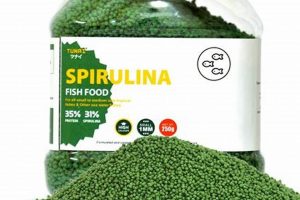
Tip 4: Consider Color Enhancement: For koi exhibiting desired coloration, choose a feed that incorporates natural color enhancers such as spirulina, astaxanthin, or krill. These pigments contribute to vibrant red, orange, and yellow hues.
Tip 5: Adjust Feeding Frequency Based on Water Temperature: Metabolic rates are directly influenced by water temperature. Feed more frequently in warmer water when koi are more active and digest food more rapidly. Reduce feeding frequency or cease feeding altogether when water temperatures fall below 50F (10C).
Tip 6: Practice Portion Control: Overfeeding can lead to water quality issues and obesity. Provide only as much feed as the koi can consume within a few minutes to minimize waste and maintain optimal water parameters.
Tip 7: Observe Koi Behavior and Adjust Accordingly: Regularly monitor koi for signs of illness or nutritional deficiencies. Adjust the diet based on individual needs, growth rates, and overall health status.
Implementing these nutritional strategies directly impacts the vitality and longevity of koi. Diligent attention to diet promotes vibrant coloration, robust growth, and enhanced disease resistance.
By implementing the discussed strategies, one can improve fish health. This article will now move to an end.
1. Ingredient Quality

The quality of ingredients constitutes a cornerstone in the formulation of optimal nutrition for ornamental carp. Specifically, the composition of the diet directly influences the health, growth, and coloration of these fish. The inclusion of high-quality protein sources, such as fish meal or shrimp meal, provides essential amino acids crucial for tissue development and repair. Conversely, the presence of low-quality fillers, such as excessive amounts of soy or wheat, may offer limited nutritional value and potentially contribute to digestive issues. Consequently, dietary formulations with superior ingredients are closely associated with improved health outcomes.
A practical example lies in the utilization of spirulina, a blue-green algae, as a natural color enhancer. Diets incorporating spirulina have been observed to intensify the red and orange hues of koi, enhancing their aesthetic appeal. Similarly, the inclusion of stabilized Vitamin C contributes to immune system support and disease resistance. The presence of these high-quality components translates to tangible benefits for fish health and appearance, while the avoidance of inferior ingredients mitigates potential negative consequences. Specifically, cheaper ingredients are more difficult to digest, and as a result pollute their environment faster.
In summation, the connection between the quality of ingredients and dietary efficacy is undeniable. The selection of formulations comprised of superior protein sources, essential vitamins, and natural color enhancers is paramount in promoting the well-being of ornamental carp. A discerning approach to ingredient evaluation enables keepers to make informed decisions, ensuring their fish receive the necessary nutrients for optimal health and vibrant coloration. The challenges associated with accurately assessing ingredient quality necessitate careful examination of product labels and consideration of reputable manufacturers, ultimately underscoring the critical role of ingredient quality in dietary selection.
2. Protein-Fat Ratio

The protein-fat ratio in feed formulations is a crucial determinant of the nutritional adequacy for ornamental carp. This balance influences growth rates, energy reserves, and overall physiological function, directly impacting the health and appearance of these fish.
- Growth and Development
Higher protein levels (35-40%) are generally required for younger, actively growing koi. These elevated protein levels support tissue synthesis and skeletal development. Conversely, excessive protein without adequate fat can lead to inefficient energy utilization and potential metabolic strain.
- Energy Storage and Utilization
Fats serve as a concentrated energy source, particularly vital in colder water temperatures when metabolic rates decrease. A sufficient fat content (5-10%) allows koi to build energy reserves for periods of reduced feeding activity or increased energy expenditure. Inadequate fat can result in weight loss and compromised immune function.
- Water Temperature Considerations
Metabolic activity is directly correlated with water temperature. Warmer water allows for more efficient protein digestion and utilization, supporting higher protein diets. Colder water necessitates a shift towards higher fat and lower protein, optimizing energy reserves and minimizing metabolic stress.
- Impact on Coloration
While protein and fat do not directly impart coloration, they influence the absorption and metabolism of pigments. Adequate protein supports the synthesis of enzymes involved in pigment deposition, while sufficient fat aids in the absorption of fat-soluble pigments like carotenoids, contributing to vibrant colors.
Selecting a feed with an appropriate protein-fat ratio based on the age, growth stage, and environmental conditions of koi is paramount for promoting their health and vitality. An imbalance in this ratio can lead to suboptimal growth, compromised immune function, and diminished aesthetic appeal, emphasizing the importance of informed dietary choices.
3. Color Enhancement
The pursuit of vibrant coloration in ornamental carp is intrinsically linked to dietary formulations. Optimal nutrition strategies specifically target the enhancement of red, orange, and yellow hues, contributing to the overall aesthetic value. Color enhancement, therefore, constitutes a critical component in the consideration of ideal nutritional solutions for these fish. This effect relies on the inclusion of natural pigments, such as carotenoids, sourced from ingredients like spirulina, astaxanthin, and krill meal. These compounds are ingested by the fish and subsequently deposited in their skin, intensifying the desired colors.
The effectiveness of color-enhancing feed relies on several factors. First, the concentration and bioavailability of the pigments within the feed are essential. Second, the fish’s ability to absorb and metabolize these pigments is influenced by its overall health and genetic predisposition. For instance, koi fed a diet rich in astaxanthin exhibit demonstrably more intense red coloration compared to those fed a standard diet lacking this pigment. A comparative study involving different feed formulations revealed a direct correlation between the concentration of carotenoids and the saturation of red hues in the test subjects. Furthermore, environmental conditions, such as water quality and lighting, can also impact the expression of color, highlighting the interplay between nutrition and the external environment. Practical significance in appreciating the proper pigment components in food, results in more vibrant pigmentation in fish. Without proper knowledge, no matter the fish genetic, fish will not be in optimal color.
In summary, color enhancement represents a tangible benefit of optimal nutrition for ornamental carp. The strategic incorporation of natural pigments into feed formulations directly influences the aesthetic appeal of these fish. The success of color enhancement hinges on ingredient quality, bioavailability of pigments, and the fish’s overall health, making it an integral consideration in the pursuit of an ideal diet. Despite the benefits, it must be emphasized that an overreliance on artificial color enhancers should be avoided, as a balanced nutritional profile is paramount for overall fish health and well-being.
4. Water Temperature

Water temperature plays a critical role in determining the metabolic rate and digestive efficiency of ornamental carp, directly influencing their nutritional requirements and the selection of optimal dietary provisions. Understanding the correlation between water temperature and physiological processes is essential for formulating appropriate feeding strategies.
- Metabolic Rate Modulation
Water temperature directly influences the metabolic rate of koi. Warmer temperatures elevate metabolic activity, increasing energy demands and digestive capacity. Conversely, cooler temperatures reduce metabolic rates, necessitating a decrease in food intake and a shift toward more easily digestible formulations. Ignoring this temperature-dependent modulation can lead to overfeeding in cooler conditions or underfeeding during warmer periods.
- Digestive Efficiency Variation
Digestive enzyme activity is highly sensitive to temperature fluctuations. In warmer water, koi are capable of efficiently processing higher protein diets, facilitating growth and tissue repair. Colder temperatures impair enzyme activity, making it difficult for koi to digest complex proteins. Feeding high-protein diets in cold water can result in undigested food, water quality degradation, and potential health problems.
- Seasonal Dietary Adjustments
Effective nutrition management requires seasonal dietary adjustments based on water temperature. During warmer months, a diet rich in protein supports growth and coloration. As temperatures decline, transitioning to a diet with lower protein and higher carbohydrate content provides readily available energy while minimizing digestive strain. A proactive approach to seasonal dietary changes is crucial for maintaining koi health and vigor.
- Feeding Frequency and Quantity
Water temperature dictates the appropriate feeding frequency and quantity. In warmer conditions, koi can be fed multiple times per day in small portions. Colder temperatures necessitate a reduction in feeding frequency to once daily or even cessation of feeding when temperatures fall below a critical threshold (typically around 10C or 50F). Overfeeding in cold water poses a significant risk to water quality and fish health.
Optimal nutrition requires careful consideration of water temperature and its impact on koi physiology. Effective feeding strategies involve adjusting dietary composition, feeding frequency, and portion sizes based on temperature fluctuations. A failure to account for these temperature-dependent variables can compromise koi health and negate the benefits of high-quality feed formulations.
5. Feeding Frequency
The frequency with which ornamental carp are fed is intrinsically linked to the effectiveness of any nutritional regimen, including those employing specifically formulated diets. Optimal feeding schedules maximize nutrient absorption, minimize waste production, and support overall fish health. Establishing an appropriate feeding frequency necessitates a careful consideration of factors such as water temperature, fish size, and the composition of the chosen food.
- Metabolic Rate and Digestion
Metabolic rates are directly influenced by water temperature, with higher temperatures leading to increased metabolic activity and faster digestion. In warmer conditions, more frequent feedings in smaller portions can optimize nutrient absorption and minimize the risk of overfeeding. Conversely, cooler temperatures slow metabolism and digestion, requiring less frequent feeding to prevent undigested food from accumulating in the environment.
- Growth Stage and Nutritional Needs
Younger, rapidly growing koi require more frequent feedings to support their developmental needs. These fish benefit from multiple small meals throughout the day to ensure a constant supply of essential nutrients. Mature koi, with slower growth rates, can typically thrive on fewer, larger feedings. Adjusting feeding frequency to match the growth stage optimizes nutrient utilization and minimizes waste.
- Food Composition and Digestibility
The digestibility of the chosen food formulation plays a significant role in determining optimal feeding frequency. Feeds containing high-quality protein sources and readily digestible ingredients can be administered more frequently without compromising water quality. Formulations with lower digestibility may require less frequent feeding to allow for complete processing and prevent the accumulation of waste products.
- Water Quality and Waste Management
Overfeeding, regardless of the quality of food, can lead to a rapid deterioration of water quality. Excess food introduces organic waste, ammonia, and other pollutants into the aquatic environment, stressing the fish and potentially causing illness. Careful monitoring of water parameters and adjusting feeding frequency to maintain optimal water quality is essential for long-term fish health.
In summation, the selection of an appropriate feeding frequency represents a crucial aspect of implementing any diet, including those marketed as optimal for ornamental carp. A well-designed feeding schedule, tailored to water temperature, fish size, food composition, and water quality considerations, maximizes the benefits of even the most nutritionally complete diets. Conversely, an inappropriate feeding frequency can negate the advantages of high-quality food, emphasizing the importance of a holistic approach to nutrition management.
6. Portion Control

Effective portion control is an indispensable element in maximizing the benefits of any dietary regimen for ornamental carp, including those utilizing specifically formulated, high-quality feeds. The judicious regulation of food quantity directly influences nutrient assimilation, waste generation, and the overall physiological well-being of these aquatic organisms. An understanding of the principles of portion control is therefore essential for responsible care.
- Nutrient Utilization Efficiency
Appropriate portion sizes enhance the efficiency of nutrient absorption within the digestive tract. When koi are fed in moderation, their digestive systems can effectively process and assimilate essential vitamins, minerals, and proteins. Conversely, overfeeding can overwhelm the digestive capacity, leading to incomplete digestion and reduced nutrient uptake. This principle suggests that even with superior feed composition, overfeeding diminishes its intended benefits.
- Waste Minimization and Water Quality
Portion control directly affects the levels of waste produced within the aquatic environment. Excessive quantities of food that remain uneaten contribute to the buildup of organic matter, ammonia, and other deleterious compounds. These pollutants degrade water quality, creating a stressful and potentially toxic environment for the fish. Therefore, precise portion management serves as a critical tool for maintaining optimal water parameters and minimizing the burden on filtration systems.
- Prevention of Obesity and Related Ailments
Overfeeding, coupled with insufficient exercise, can lead to obesity in koi, predisposing them to various health problems. Obese koi may exhibit reduced swimming ability, impaired reproductive function, and increased susceptibility to disease. Portion control helps prevent excessive weight gain, promoting healthy body condition and reducing the risk of associated ailments. A balanced approach to feeding contributes to increased longevity and vitality.
- Behavioral and Social Dynamics
In community tanks, portion control can mitigate competitive feeding behaviors. When food is dispensed in excessive quantities, dominant fish may monopolize resources, depriving subordinate individuals of adequate nutrition. By regulating portion sizes and ensuring even distribution, keepers can promote equitable access to food, minimizing stress and fostering harmonious social interactions within the group. This element underscores the importance of responsible feeding practices in multi-fish environments.
In conclusion, the strategic implementation of portion control optimizes the nutritional benefits derived from any diet intended for ornamental carp. By enhancing nutrient utilization, minimizing waste production, preventing obesity, and promoting equitable feeding dynamics, careful attention to portion size proves integral to responsible koi husbandry. The impact of portion control transcends the simple provision of nourishment, shaping the overall health, well-being, and aesthetic appeal of these prized aquatic creatures, thus underscoring the critical importance of portion control even when using what may be considered optimal feed formulations.
Frequently Asked Questions About Optimal Koi Nutrition
The following addresses prevalent inquiries and misconceptions regarding the selection and utilization of feed for ornamental carp. This information intends to provide clarity on nutritional requirements and best practices.
Question 1: Are all koi feeds created equal?
No. Significant variations exist in ingredient quality, nutritional content, and manufacturing processes. Formulations vary considerably in their ability to support growth, coloration, and immune function. Selection should be based on careful evaluation of ingredient lists and guaranteed analysis.
Question 2: How does water temperature affect feeding practices?
Water temperature directly influences koi metabolism and digestive efficiency. Warmer temperatures increase metabolic activity, requiring more frequent feeding. Colder temperatures slow digestion, necessitating reduced feeding or cessation altogether. Appropriate adjustments prevent overfeeding and digestive issues.
Question 3: What are the key ingredients to look for in a high-quality feed?
Ideal ingredients include fish meal, shrimp meal, or other high-quality protein sources, as well as essential vitamins and minerals. Natural color enhancers like spirulina and astaxanthin are beneficial for enhancing coloration. Avoid feeds containing excessive fillers like wheat or soy.
Question 4: Can overfeeding lead to health problems?
Yes. Overfeeding results in water quality degradation and can lead to obesity, digestive issues, and increased susceptibility to disease. Precise portion control is essential for maintaining optimal health and water parameters.
Question 5: Are color-enhancing feeds necessary for all koi?
Color-enhancing feeds are not strictly necessary, but they can significantly enhance the vibrancy of red, orange, and yellow hues. The decision to use such feeds depends on the individual keeper’s aesthetic preferences.
Question 6: How often should koi be fed?
Feeding frequency depends on water temperature, fish size, and food composition. Younger koi benefit from more frequent feedings. Adjustments based on observation of feeding behavior and water quality are crucial.
In summary, informed decision-making, coupled with responsible feeding practices, is paramount in realizing the full benefits. Understanding nutritional requirements and best practices promotes the health, vitality, and aesthetic appeal of ornamental carp.
The subsequent discussion will address the long-term considerations for maintaining health.
Conclusion
The preceding exploration has underscored the multifaceted nature of optimal nutrition for ornamental carp. Consideration of ingredient quality, protein-fat ratios, color enhancement strategies, and the influence of water temperature on feeding frequency and portion control represents a holistic approach to ensuring the well-being of these aquatic creatures. A thorough understanding of these parameters is essential for any serious keeper.
Ultimately, the long-term health and aesthetic appeal of koi depend on informed decisions and diligent implementation of appropriate feeding practices. A commitment to ongoing learning and adaptation to the individual needs of the fish will yield the most favorable results, solidifying the importance of responsible stewardship in the cultivation of these living jewels.