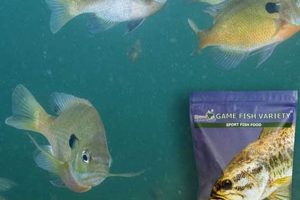
The dietary intake of gourami specimens comprises a varied selection of consumables designed to meet their nutritional requirements. These sustenance options range from commercially manufactured flakes and pellets to live and frozen invertebrates. The selection of appropriate nourishment is dependent on the gourami species, its age, and overall health status. As an example, smaller gourami species may benefit from smaller-sized food particles, whereas larger varieties can consume more substantial offerings.
Providing appropriate sustenance is crucial for the well-being and vibrant coloration of gourami. A balanced diet contributes to their immune system function, promoting resistance to diseases and parasites. Historically, aquarists have understood the need for diverse dietary sources for these fish, supplementing prepared foods with live or frozen options to mimic their natural feeding habits and ensure optimal nutrient intake.
The subsequent sections will delve into the specific types of sustenance suitable for gourami, the proper feeding techniques to employ, and potential dietary deficiencies to monitor. Understanding these aspects is essential for maintaining a healthy and thriving gourami population within an aquarium environment.
Guidance on Gourami Nourishment
Optimizing the dietary intake of gourami is crucial for their health, coloration, and longevity. Careful attention to feeding practices can significantly enhance their well-being within a captive environment.
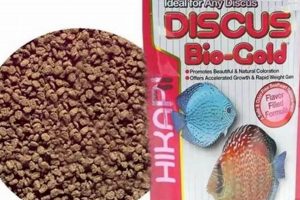
Tip 1: Select High-Quality Prepared Diets:Opt for flake or pellet formulations specifically designed for tropical fish. Ensure these products contain a balanced ratio of protein, carbohydrates, and fats. High-quality ingredients contribute to overall health and vibrant coloration.
Tip 2: Supplement with Live or Frozen Foods: Incorporate live or frozen foods such as bloodworms, daphnia, and brine shrimp into the feeding regimen. These provide essential nutrients and stimulate natural foraging behavior, enhancing the gourami’s overall well-being.
Tip 3: Vary the Diet Regularly: Offering a diverse range of dietary options prevents nutritional deficiencies and maintains the gourami’s interest in feeding. Rotate between different types of flakes, pellets, and live/frozen foods to provide a broad spectrum of nutrients.
Tip 4: Feed Small Amounts Frequently: Gourami benefit from multiple small feedings throughout the day rather than one large meal. This mimics their natural feeding habits and prevents overeating, which can lead to health problems.
Tip 5: Observe Feeding Behavior: Closely monitor the gourami during feeding to ensure all individuals are receiving adequate sustenance. Adjust the amount of sustenance provided based on observation and the gourami’s overall condition. Remove any uneaten sustenance promptly to maintain water quality.
Tip 6: Consider Species-Specific Requirements: Different gourami species may have varying dietary needs. Research the specific requirements of the gourami species being maintained to ensure the sustenance provided aligns with their natural feeding preferences and nutritional needs.
Tip 7: Avoid Overfeeding: Overfeeding is a common mistake that can lead to health problems and water quality issues. Only provide the amount of sustenance the gourami can consume within a few minutes. Uneaten sustenance should be removed promptly.
Adhering to these recommendations will contribute significantly to the health and vibrancy of gourami specimens. A balanced and varied dietary intake is paramount to their well-being.
The following sections will explore common gourami health concerns and preventative measures to ensure a thriving aquarium environment.
1. Nutrient Balance

Nutrient balance, regarding the sustenance of gourami, refers to the proportional intake of essential macronutrients and micronutrients required for optimal physiological function. The sustenance provided directly impacts the gourami’s health, growth, coloration, and reproductive capabilities. An imbalance in nutrient intake can trigger various adverse health consequences, including stunted growth, compromised immune response, and decreased reproductive success. For instance, a diet deficient in protein may lead to muscle wasting and impaired growth, while an excess of carbohydrates can contribute to obesity and liver dysfunction. The provision of appropriate sustenance is, therefore, not merely a matter of providing calories, but of carefully considering the nutrient composition to meet the gourami’s specific needs.
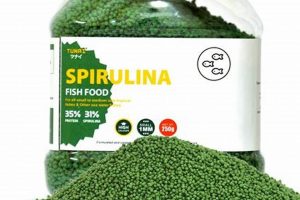
A practical example illustrating the significance of nutrient balance involves the administration of spirulina-enriched sustenance to gourami intended for breeding. Spirulina, a type of blue-green algae, is rich in carotenoids, which are precursors to vitamin A and contribute to enhanced coloration and immune function. Gourami receiving spirulina-enriched sustenance exhibit improved coloration, increased disease resistance, and enhanced spawning success compared to those receiving a standard flake diet lacking such supplementation. This exemplifies how targeted nutritional interventions can positively influence specific aspects of gourami health and performance.
In conclusion, the concept of nutrient balance is paramount when considering suitable sustenance for gourami. A thorough understanding of their nutritional requirements, coupled with careful selection of sustenance sources and appropriate supplementation strategies, is essential for maintaining healthy and thriving specimens. The challenge lies in accurately assessing the nutritional content of available sustenance options and adapting feeding strategies to address the specific needs of individual gourami species and life stages, with an overarching goal of promoting long-term health and well-being.
2. Dietary Variety
Dietary variety, concerning the sustenance of gourami, is a critical component of a comprehensive feeding strategy. A varied diet ensures a broad spectrum of nutrients, promoting overall health and preventing deficiencies associated with monotonous feeding regimens. This principle aligns with the natural feeding habits of gourami in their native environments, where they consume a diverse range of food sources.
- Provision of Essential Nutrients
A restricted diet may lack certain essential nutrients necessary for optimal health. Dietary variety mitigates this risk by incorporating different food types, each contributing a unique nutritional profile. Flakes, pellets, frozen foods, and live foods offer distinct combinations of proteins, fats, carbohydrates, vitamins, and minerals. This ensures that the gourami receives a balanced intake of all necessary nutrients, supporting immune function, growth, and coloration.
- Stimulation of Natural Foraging Behavior
Gourami, in their natural habitats, actively forage for sustenance. Replicating this behavior in captivity through dietary variety provides mental stimulation and prevents boredom. Offering live foods, such as bloodworms or daphnia, encourages the gourami to engage in natural hunting instincts, improving their overall well-being and preventing lethargy. This enrichment contributes to a more stimulating and fulfilling captive environment.
- Prevention of Dietary Fixation
Consistent exposure to the same food type can lead to dietary fixation, where gourami become reluctant to accept new sustenance options. Introducing variety early on prevents this issue, ensuring the fish remain receptive to different food sources throughout their lives. This adaptability is particularly important during periods of stress or illness, when gourami may require specific dietary adjustments or medicated sustenance.
- Enhancement of Coloration and Breeding Potential
Certain dietary components, such as carotenoids found in crustaceans and algae, play a crucial role in enhancing the vibrant coloration of gourami. A varied diet incorporating these ingredients can significantly improve their aesthetic appeal and market value. Furthermore, a nutritionally diverse diet supports reproductive health and increases the likelihood of successful breeding, ensuring healthy offspring.
In conclusion, the implementation of dietary variety within the feeding regimen of gourami is not merely a supplementary practice, but a fundamental aspect of responsible care. The strategic incorporation of diverse sustenance options, ranging from prepared flakes to live invertebrates, promotes optimal health, stimulates natural behaviors, and enhances both the aesthetic and reproductive potential of these fish. Understanding and applying this principle is essential for maintaining thriving gourami specimens in a captive environment.
3. Particle Size

The dimension of sustenance particles is a critical factor in the effective nourishment of gourami. Gourami exhibit varying mouth sizes and feeding behaviors depending on their species and age. Inappropriately sized particles can lead to feeding difficulties, malnutrition, and increased stress. Small gourami or juveniles may struggle to ingest large pellets or flakes, while excessively fine particles can dissipate quickly, reducing accessibility and contributing to water quality degradation. The selection of sustenance should, therefore, prioritize particle size compatibility with the gourami’s physical capabilities.
A practical illustration of the significance of particle size involves the administration of commercially available flake sustenance to dwarf gourami. Standard flake formulations, designed for larger community fish, often present a challenge for dwarf gourami due to their small mouths. These gourami may struggle to break down the flakes into manageable pieces, leading to inefficient feeding and potential nutrient deficiencies. In contrast, the provision of micro-pellets or finely crushed flakes allows for easier ingestion and improved nutrient uptake, promoting growth and overall health. This necessitates a careful evaluation of sustenance options and adjustments to particle size as needed.
In summary, attention to particle size is paramount in ensuring effective sustenance delivery to gourami. The correlation between particle size, species-specific morphology, and feeding behavior directly impacts nutrient acquisition and overall well-being. Aquarists must, therefore, diligently select sustenance options that align with the gourami’s physical capabilities and adjust particle size as necessary to optimize feeding efficiency and prevent potential health complications. The understanding of these parameters is essential for responsible gourami husbandry.
4. Feeding Frequency

Feeding frequency is a critical component of maintaining healthy gourami specimens. The temporal distribution of nourishment significantly impacts their digestive processes, nutrient absorption, and overall well-being. Gourami, in their natural habitats, typically consume small amounts of sustenance throughout the day. Replicating this feeding pattern in captivity is crucial for preventing digestive overload and minimizing the risk of water quality degradation. Providing large meals infrequently can lead to incomplete digestion, resulting in the excretion of excess organic waste, thereby elevating ammonia and nitrite levels within the aquarium environment. Conversely, excessively frequent feedings, even in small quantities, can similarly contribute to water quality issues if the filtration system is unable to process the increased bioload. The appropriate frequency, therefore, requires careful consideration of the gourami’s species, age, size, and metabolic rate, as well as the capacity of the aquarium’s filtration system.
A practical example illustrating the importance of feeding frequency involves comparing the growth rates of juvenile gourami fed twice daily versus those fed once daily. Studies have demonstrated that juvenile gourami receiving twice-daily feedings exhibit significantly higher growth rates and improved overall health compared to their counterparts. The increased frequency allows for more efficient nutrient assimilation, supporting rapid development and strengthening the immune system. However, it is essential to emphasize that the quantity of sustenance provided at each feeding must be carefully controlled to prevent overfeeding. A common practice is to provide an amount that the gourami can consume within a two-to-three-minute period, ensuring minimal waste and preventing water quality issues. Regular observation of the gourami’s body condition is crucial for adjusting feeding frequency and quantity accordingly.
In summary, feeding frequency is inextricably linked to the well-being of gourami. An optimal feeding schedule mimics their natural feeding patterns, promoting efficient digestion, nutrient absorption, and overall health. The selection of an appropriate feeding frequency requires careful consideration of the gourami’s individual needs, the aquarium’s filtration capacity, and meticulous observation of feeding behavior and body condition. Ignoring this crucial aspect of gourami care can lead to various health problems and compromise their long-term survival. Therefore, a thorough understanding of feeding frequency and its impact is essential for responsible gourami husbandry.
5. Water Quality

The relationship between water quality and sustenance provided to gourami is demonstrably direct and significant. The type, quantity, and frequency of dietary provisions directly influence the aquarium’s biological load, subsequently impacting water parameters such as ammonia, nitrite, and nitrate levels. Excessive sustenance, particularly high-protein formulations, contributes to elevated ammonia production through decomposition of uneaten food and fish waste. This ammonia, if not efficiently processed by beneficial bacteria within the biological filter, can reach toxic levels, causing stress, immunosuppression, and even mortality in gourami. Furthermore, poor water quality can impede the gourami’s ability to properly digest sustenance, creating a negative feedback loop where malnutrition exacerbates existing health problems.
Consider a scenario where an aquarist feeds gourami an excess of flake sustenance daily without performing regular water changes. The accumulation of organic waste leads to a gradual increase in nitrate levels. Chronically elevated nitrate can inhibit the gourami’s immune response, rendering them more susceptible to parasitic infections and bacterial diseases. Moreover, the diminished water quality reduces the oxygen-carrying capacity of the water, impacting the gourami’s respiration and overall vitality. Addressing this situation requires not only reducing the quantity of sustenance provided but also implementing a consistent water change schedule to maintain optimal water parameters. Regularly testing the water for ammonia, nitrite, and nitrate is essential for monitoring the effectiveness of these measures.
In conclusion, maintaining optimal water quality is inextricably linked to the dietary management of gourami. The sustenance provided directly affects the aquarium’s biological load and, consequently, the stability of water parameters. Careful consideration of sustenance type, quantity, and feeding frequency, coupled with diligent water testing and maintenance practices, is paramount for creating a healthy and thriving environment for gourami specimens. Ignoring this fundamental connection can lead to a cascade of health problems and ultimately compromise their well-being. Therefore, responsible gourami husbandry necessitates a comprehensive approach that integrates dietary management with water quality control.
6. Species Specificity

Dietary requirements within the Osphronemidae family, commonly known as gourami, exhibit considerable variation contingent upon species. Generalizations regarding their sustenance are insufficient; a nuanced approach considering each species’ unique morphology, digestive physiology, and natural habitat is imperative. Misalignment between dietary provision and species-specific needs can precipitate malnutrition, compromised immunity, and reduced longevity.
- Morphological Adaptations and Prey Size
Mouth size and shape differ significantly across gourami species, directly influencing the size and type of sustenance they can effectively consume. For example, smaller species such as Trichopsis pumila (Sparkling Gourami) possess diminutive mouths, necessitating microscopic food items like infusoria or commercially available micro-pellets. Conversely, larger species such as Osphronemus goramy (Giant Gourami) are capable of consuming larger invertebrates, plant matter, and commercially prepared pellets. Attempting to feed inappropriately sized sustenance can result in feeding inefficiency and potential starvation.
- Dietary Classification and Nutritional Requirements
While many gourami species are omnivorous, their dietary preferences and proportional needs for protein, carbohydrates, and fats diverge. Some species exhibit a greater proclivity for plant matter, necessitating a diet rich in algae and vegetable-based components. For instance, Trichogaster leerii (Pearl Gourami) benefits from the inclusion of spirulina-based flakes to enhance coloration and provide essential micronutrients. Other species may require a higher protein intake to support growth and reproduction. Failing to recognize these specific nutritional demands can lead to imbalances and health complications.
- Habitat and Natural Food Sources
Understanding a gourami species’ natural habitat provides valuable insights into its evolutionary dietary adaptations. Gourami originating from heavily vegetated environments often consume a greater proportion of algae and plant matter. Others, inhabiting areas with abundant insect larvae, demonstrate a preference for live or frozen invertebrates. Replicating these natural dietary components in captivity can promote optimal health and stimulate natural foraging behaviors. For example, providing live blackworms to Colisa lalia (Dwarf Gourami) can enhance their overall condition and reproductive success.
- Digestive Physiology and Food Processing
Variations in digestive tract length and enzyme production among gourami species influence their ability to process different types of sustenance. Species with longer digestive tracts are generally better equipped to digest plant matter, while those with shorter tracts may require more easily digestible protein sources. The efficiency of nutrient absorption is directly affected by these physiological differences. Therefore, selecting sustenance that aligns with a gourami’s digestive capabilities is crucial for maximizing nutrient uptake and preventing digestive disorders.
The foregoing facets underscore the critical importance of considering species specificity when formulating a dietary regimen for gourami. A generalized approach to sustenance provision is inadequate and can compromise the health and well-being of these fish. Thorough research into the specific dietary requirements of each gourami species is essential for responsible and effective aquarium husbandry. This encompasses consideration of morphology, dietary classification, habitat, and digestive physiology to ensure that the selected sustenance aligns with the gourami’s unique biological needs.
Frequently Asked Questions Regarding Gourami Sustenance
This section addresses common inquiries concerning the appropriate nourishment for gourami specimens, providing factual information to optimize their health and well-being within a captive environment.
Question 1: What constitutes a suitable base diet for most gourami species?
A high-quality flake or pellet sustenance formulated for tropical fish generally serves as an appropriate base diet. These prepared options should contain a balanced ratio of protein, carbohydrates, and fats, along with essential vitamins and minerals to support overall health and immune function.
Question 2: Is supplementation with live or frozen sustenance necessary for gourami?
Supplementation with live or frozen sustenance such as bloodworms, daphnia, or brine shrimp is highly recommended. These options provide essential nutrients and stimulate natural foraging behaviors, contributing to the gourami’s overall well-being and vibrant coloration. The frequency of supplementation may vary based on individual species requirements.
Question 3: How frequently should gourami be provided with sustenance?
Feeding gourami small amounts two to three times daily is generally preferable to providing a single large meal. This feeding pattern mimics their natural feeding habits and promotes efficient digestion, minimizing the risk of digestive problems and water quality issues.
Question 4: What is the appropriate quantity of sustenance to provide at each feeding?
The quantity of sustenance provided at each feeding should be limited to what the gourami can consume within approximately two to three minutes. Overfeeding can lead to obesity, digestive problems, and the deterioration of water quality. Uneaten sustenance should be removed promptly to prevent ammonia spikes.
Question 5: Do the dietary needs of different gourami species vary significantly?
Yes, the dietary needs of different gourami species can vary substantially. Researching the specific requirements of the gourami species being maintained is crucial for ensuring appropriate sustenance provision. For example, some species exhibit a greater preference for plant matter, while others require a higher protein intake.
Question 6: What are the potential consequences of providing an unbalanced or inappropriate diet to gourami?
Providing an unbalanced or inappropriate diet can lead to a range of health problems, including stunted growth, compromised immune function, reduced coloration, and increased susceptibility to diseases and parasites. Long-term nutritional deficiencies can significantly shorten the gourami’s lifespan.
Adhering to these guidelines contributes significantly to the health and vitality of gourami specimens maintained in an aquarium environment. Prioritizing appropriate sustenance provision is paramount for responsible gourami husbandry.
The subsequent section will explore potential health concerns associated with gourami and preventative measures that can be implemented.
Concluding Remarks on Gourami Sustenance
The preceding discourse has underscored the multifaceted considerations pertinent to “food for gourami fish.” The selection of sustenance transcends mere provision; it necessitates a thorough understanding of species-specific dietary requirements, appropriate particle size, optimal feeding frequency, and the critical interplay between dietary provisions and water quality management. Ignoring these parameters can precipitate detrimental consequences, compromising the health and longevity of these aquatic specimens.
The responsible aquarist must therefore prioritize diligent research and implement informed feeding strategies, recognizing that “food for gourami fish” is not simply a commodity but a foundational element of their well-being. A commitment to continuous learning and adaptive husbandry practices remains paramount in ensuring the sustained health and vitality of gourami populations within captive environments. The future of responsible gourami care rests upon a dedication to informed and conscientious dietary practices.