Small crustaceans belonging to the copepod group, frequently used as a food source in aquariums, are the topic of this discussion. These tiny invertebrates offer a nutritious meal for a variety of fish and invertebrate species. Often cultured or harvested, they represent a readily available live food option. For instance, newly hatched fry of many fish species, due to their small size, can readily consume these minute organisms.
The significance of incorporating these organisms into an aquatic diet stems from their high nutritional value and the stimulation of natural feeding behaviors. Their small size makes them suitable for young or small fish that cannot consume larger food items. Historically, their use has been widespread in aquaculture and hobbyist settings to promote growth, vibrant coloration, and overall health. Furthermore, they contribute to a more natural and diverse diet, enriching the aquatic environment.
The subsequent sections will delve into the sourcing, culturing, and specific applications of this live food, examining the benefits and considerations associated with its use in maintaining healthy aquarium ecosystems. A detailed look at the nutritional profile and effective feeding strategies will also be presented.
Tips Regarding the Use of Copepods as Fish Food
The following recommendations aim to maximize the benefits and minimize potential drawbacks when employing copepods as a food source for aquarium inhabitants.
Tip 1: Establish a Culture. Culturing copepods ensures a consistent supply, especially crucial for species with demanding feeding requirements. Small containers, aerated water, and phytoplankton provide a suitable environment.
Tip 2: Consider Species Compatibility. Not all fish species can effectively consume copepods. Researching dietary needs before introduction prevents wasted food and potential water quality issues.
Tip 3: Moderate Feeding. Overfeeding can lead to water quality degradation. Observe feeding habits and adjust the amount provided accordingly. Small, frequent feedings are preferable.
Tip 4: Supplement with Other Foods. While nutritious, copepods should not be the sole food source. A varied diet, including flakes or pellets, ensures a balanced nutritional intake.
Tip 5: Quarantine New Cultures. Introducing copepods from external sources without quarantine can introduce unwanted parasites or diseases to the main aquarium.
Tip 6: Maintain Optimal Water Parameters. Copepod cultures thrive in specific water conditions. Monitoring and adjusting parameters like salinity, pH, and temperature is essential for a healthy culture.
Tip 7: Harvest Appropriately. Employ fine-mesh nets to harvest copepods without disturbing the culture’s overall health. Allow sufficient time for the population to recover between harvests.
Adhering to these suggestions helps maintain a healthy and sustainable food source, contributing to the well-being of the aquarium’s inhabitants.
The concluding section will summarize the critical aspects of utilizing copepods in aquarium management, solidifying the knowledge presented.
1. Nutritional composition

The nutritional composition of copepods directly influences their value as a food source for aquarium fish. Understanding these components is essential for maximizing the benefits of this live food and ensuring the health and vitality of aquatic inhabitants.
- Protein Content
Copepods boast a high protein content, critical for fish growth, tissue repair, and enzyme production. Protein levels vary slightly among species but generally range from 50-70% of dry weight. This high protein concentration supports the rapid development of fry and the overall health maintenance of adult fish.
- Lipid Profile
Lipids, particularly omega-3 fatty acids like EPA and DHA, are abundant in copepods. These essential fatty acids contribute to immune system function, vibrant coloration, and reproductive success in fish. The lipid content and specific fatty acid ratios vary depending on the copepod species and their diet.
- Vitamin and Mineral Content
Copepods contain a range of vitamins and minerals, including Vitamin A, Vitamin B complex, and essential minerals like calcium and phosphorus. These micronutrients play vital roles in various physiological processes, such as bone development, nerve function, and immune response. The specific vitamin and mineral profile can be influenced by the rearing conditions of the copepod culture.
- Carotenoids
The presence of carotenoid pigments, such as astaxanthin, contributes to the vibrant coloration of fish that consume copepods. Astaxanthin is a potent antioxidant that also supports immune function and protects against cellular damage. The concentration of carotenoids in copepods is dependent on their diet, particularly the type of algae they consume.
The complex nutritional composition of copepods renders them a valuable food source for a wide range of fish species. The specific benefits derive from the interaction of these key components, underscoring the importance of providing a varied and balanced diet in aquarium management. This can affect the overall health, and coloration of different fish populations.
2. Size appropriateness

The effectiveness of copepods as fish food hinges on size appropriateness. Copepods, being small crustaceans, present a manageable food item for juvenile fish (fry) and small-mouthed adult species. If the size of the cyclops is inappropriate for the intended consumer, it can lead to refusal of the food, nutritional deficiencies, and ultimately, reduced growth rates or even mortality. For instance, newly hatched fry often require minuscule food particles, and copepods, particularly smaller species and nauplii stages, fulfill this requirement effectively. Conversely, offering copepods to larger fish with mouths adapted for significantly larger prey would prove inefficient, with minimal nutritional benefit derived by the predator.
The practical significance of understanding size appropriateness lies in optimizing feeding strategies. Aquarists must consider the gape size of their fish to ensure the offered copepods can be consumed. Culturing different copepod species or selectively harvesting different life stages (nauplii, copepodites, adults) provides options for various fish sizes. Careful observation of feeding behavior is crucial; if fish are observed ignoring or struggling with the copepods, a smaller size or alternative food source is necessary. Similarly, overly large cyclops can impact the digestion system.
In summary, size appropriateness is a critical factor in the successful utilization of copepods as fish food. Mismatched sizes lead to nutritional inefficiencies and potential harm. Careful selection and matching copepod size to the needs of the fish population being fed are crucial for the well-being of the aquarium ecosystem. It may require some trial and error to ascertain the ideal species of cyclops to ensure optimal health and growth, and minimizes wastage.
3. Culture maintenance

The consistent availability of copepods as fish food relies directly on effective culture maintenance. The sustainability of copepod usage in aquaculture or home aquaria necessitates the establishment and upkeep of thriving cultures. Neglecting culture maintenance leads to population crashes, food shortages, and subsequent negative impacts on the fish dependent on this dietary component. For example, if a culture experiences a sudden drop in salinity or a lack of appropriate algal food, the copepod population will decline rapidly, causing a food shortage for the fish. The absence of proper aeration, temperature control, or regular water changes also creates an unsuitable environment for copepod reproduction and survival, diminishing their availability as a food source. The provision of suitable nutrition is directly tied to the success of copepod culturing.
Beyond ensuring a consistent supply, proper culture maintenance impacts the nutritional value of the copepods themselves. Copepods, as filter feeders, incorporate the nutrients present in their environment. Therefore, the quality of the culture media and the specific type of algae or other food sources provided influence the copepods nutritional profile, affecting the health benefits they impart to the fish. For instance, culturing copepods with algae rich in omega-3 fatty acids results in copepods with a higher omega-3 content, enhancing their value as fish food. Maintaining stable and healthy culture conditions minimizes the risk of disease outbreaks or the proliferation of undesirable organisms within the culture, protecting the fish population from potential pathogens.
In conclusion, the consistent availability and nutritional quality of copepods as fish food are inextricably linked to effective culture maintenance. Failing to maintain stable, healthy cultures results in unreliable food supplies and diminished nutritional benefits. Understanding and implementing appropriate culture techniques, including water quality management, nutrition provision, and environmental control, are essential for aquarists and aquaculture professionals seeking to utilize copepods as a sustainable and beneficial food source for fish.
4. Feeding frequency

Feeding frequency represents a critical factor influencing the health and well-being of fish populations consuming copepods. The appropriate feeding schedule ensures optimal nutrient uptake, minimizes waste accumulation, and supports a stable aquatic environment. Inconsistent or inappropriate feeding frequencies can have detrimental consequences, affecting growth rates, coloration, and overall health.
- Metabolic Rate Considerations
Fish species exhibit diverse metabolic rates, which directly influence their food requirements and feeding frequency. Highly active species, for example, necessitate more frequent feedings compared to sedentary ones. Understanding the metabolic needs of specific fish populations informs the development of tailored feeding schedules that optimize nutrient availability from copepods. The provision of excess food beyond the fish’s metabolic capacity results in uneaten copepods, contributing to water quality degradation. Juvenile fish, due to their rapid growth rates, typically require more frequent feedings than mature adults. For example, some fry may need hourly feedings with copepod nauplii.
- Water Quality Implications
Overfeeding, irrespective of the food source, poses a significant threat to water quality. Uneaten copepods decompose, releasing ammonia and other nitrogenous compounds that elevate toxicity levels in the aquatic environment. Frequent large feedings can disrupt the biological filtration capacity of the system, leading to increased ammonia and nitrite concentrations. Conversely, infrequent or insufficient feedings deprive fish of essential nutrients, compromising their immune system function and overall vitality. Maintaining a balanced feeding schedule, calibrated to the fish’s metabolic needs and the tank’s carrying capacity, helps minimize waste accumulation and maintain optimal water quality parameters.
- Competition and Social Dynamics
In community aquariums, feeding frequency can influence the distribution of food and the expression of social hierarchies. Dominant individuals may monopolize food resources during infrequent or large feedings, depriving subordinate fish of adequate nutrition. Frequent, smaller feedings allow all individuals within the community to access the available copepods more equitably, promoting balanced growth and reducing stress. However, too frequent feedings can trigger constant competition, causing its own stress. Observation of feeding behavior aids in identifying and addressing disparities in food acquisition within the community.
- Life Stage Requirements
Feeding frequency needs to be adjusted based on the fish’s life stage. Larval and juvenile fish typically require more frequent feedings to support their rapid growth. Mature fish can typically be fed less frequently without compromising their health. Providing age-appropriate feeding schedules ensures that fish receive the necessary nutrients for optimal development at each life stage. Newly hatched fry will require microscopic copepod nauplii fed several times per day, whereas adult fish may thrive with a single daily feeding of larger copepodites or adult copepods.
Effective management of feeding frequency when using copepods as fish food is essential for achieving optimal fish health, maintaining water quality, and promoting harmonious community dynamics. A balanced approach, tailored to the specific needs of the fish population and the aquarium ecosystem, is crucial. Regular monitoring of feeding behavior and water quality parameters informs adjustments to the feeding schedule, ensuring long-term success in utilizing copepods as a dietary component.
5. Water quality

Maintaining optimal water quality is paramount when utilizing copepods as a food source for fish. Water quality impacts the health of both the fish and the copepods themselves, creating a complex interplay that requires careful management.
- Ammonia and Nitrite Levels
Uneaten copepods contribute to the bioload within an aquarium, leading to the production of ammonia and nitrite through decomposition. Elevated levels of these compounds are toxic to fish and can disrupt the nitrogen cycle. Regular water changes and efficient biological filtration are necessary to mitigate the impact of copepod feeding on ammonia and nitrite concentrations. Overfeeding with copepods exacerbates this issue, underscoring the need for judicious feeding practices. Similarly, decomposing cultures of copepods can degrade water conditions.
- Oxygen Depletion
The decomposition of uneaten copepods, and the respiration of high densities of copepods within a culture, consume dissolved oxygen within the water column. Insufficient oxygen levels can stress fish, leading to respiratory distress and increased susceptibility to disease. Adequate aeration and water circulation are essential to maintain sufficient dissolved oxygen levels in both the fish tank and copepod cultures. Oxygen depletion is more pronounced in densely populated aquariums and poorly aerated copepod cultures.
- pH Stability
The introduction of copepods and their subsequent decomposition can influence the pH of the aquarium water. Fluctuations in pH can stress fish and disrupt the delicate balance of the aquatic ecosystem. Regular monitoring of pH and the implementation of appropriate buffering strategies are necessary to maintain stable pH levels. Extreme pH swings can occur if large quantities of copepods are introduced without adequate water buffering capacity.
- Nutrient Imbalance
Excessive feeding with copepods can lead to an accumulation of nutrients, such as nitrates and phosphates, in the water. Elevated nutrient levels can promote the growth of undesirable algae and bacteria, impacting water clarity and overall aesthetic appeal. Regular water changes and the use of phosphate-absorbing media can help control nutrient levels and maintain a balanced aquatic environment. The type of food used to culture copepods also influences the nutrient profile of the aquarium water after feeding.
The influence of copepods on water quality necessitates careful monitoring and proactive management strategies. Judicious feeding practices, efficient filtration, regular water changes, and adequate aeration are essential to mitigate the negative impacts of copepod feeding and maintain a healthy and stable aquatic environment. Failing to consider water quality implications can lead to significant problems within the aquarium ecosystem, affecting the well-being of both the fish and the copepod populations.
6. Species suitability

The effectiveness of copepods as a dietary component in aquaria is fundamentally governed by species suitability. This principle dictates that the fish species intended to consume copepods must possess the physical capacity and behavioral predisposition to effectively utilize this food source. A mismatch between the copepod and fish species results in inefficient feeding, nutritional deficiencies, and potential environmental imbalances within the aquarium. For example, while copepods serve as an ideal first food for many larval fish due to their small size and nutritional profile, they would be unsuitable as a primary food source for large predatory fish with dietary requirements centered around larger prey items. Supplying copepods to species that cannot effectively consume them leads to wasted resources and a decline in water quality.
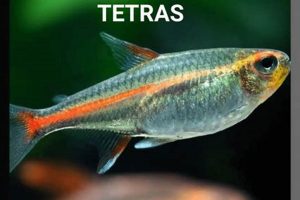
The practical significance of considering species suitability extends to both the selection of fish for a specific aquarium setup and the determination of appropriate food sources for existing fish populations. Thorough research into the dietary needs and feeding behaviors of each species is essential before introducing them into a shared environment. For instance, small, peaceful fish species with small mouths, such as certain types of tetras or rasboras, thrive on copepods. Conversely, larger or more aggressive species may ignore copepods entirely, requiring alternative food sources. Moreover, the size and type of copepods cultured should align with the gape size and feeding preferences of the target fish species. Culturing a range of copepod species of varying sizes offers aquarists the flexibility to cater to diverse dietary needs. Understanding and accommodating these species-specific requirements promotes optimal health, growth, and coloration within the aquarium population.
In conclusion, species suitability represents a critical consideration in the successful utilization of copepods as fish food. Overlooking this factor results in inefficient feeding practices, nutritional deficiencies, and environmental instability within the aquarium. By carefully evaluating the dietary needs and feeding behaviors of each fish species and selecting appropriate copepod sizes and types, aquarists can maximize the benefits of this live food source and maintain a thriving and balanced aquatic ecosystem. Challenges remain in accurately assessing the dietary requirements of all fish species and in ensuring a consistent supply of appropriately sized and nutritionally enriched copepods.
Frequently Asked Questions About Cyclops as Fish Food
The following questions and answers address common inquiries and concerns regarding the use of cyclops, a type of copepod, as a food source for aquarium fish. The information is intended to provide a comprehensive understanding of this topic.
Question 1: Are all types of cyclops suitable for all fish species?
No, not all species are universally suitable. Size and nutritional needs vary among fish. Smaller fish or fry require smaller cyclops, while larger fish may not find them nutritionally sufficient. Researching the specific dietary requirements of the fish species is crucial.
Question 2: How does cyclops contribute to water quality in an aquarium?
Uneaten cyclops decompose, contributing to the bioload and potentially increasing ammonia and nitrite levels. Overfeeding exacerbates this issue. Maintaining a balanced feeding schedule and adequate filtration are essential to mitigate negative impacts on water quality.
Question 3: What is the best method for culturing cyclops for fish food?
Culturing cyclops involves maintaining stable water parameters, providing appropriate algal food sources, and ensuring adequate aeration. Regular monitoring and adjustments are necessary for a thriving culture. Specific protocols vary depending on the cyclops species.
Question 4: What are the nutritional benefits of feeding cyclops to fish?
Cyclops offer a source of protein, lipids, and carotenoids, contributing to fish growth, coloration, and overall health. The specific nutritional profile depends on the cyclops species and their diet. Supplementation with other food sources may be necessary for a balanced diet.
Question 5: How often should fish be fed with cyclops?
Feeding frequency depends on the fish species, their metabolic rate, and life stage. Frequent, small feedings are often preferable to infrequent, large feedings. Overfeeding should be avoided to prevent water quality degradation. Observing fish feeding behavior provides valuable insights.
Question 6: Are there any risks associated with feeding cyclops to fish?
Potential risks include the introduction of parasites or pathogens if the cyclops are not sourced or cultured properly. Quarantine procedures for new cultures are recommended to mitigate these risks. Also, some fish may not effectively digest cyclops due to differences in digestive capability.
In summary, using cyclops as fish food involves careful consideration of species suitability, water quality management, and culture maintenance. A thorough understanding of these factors is crucial for maximizing the benefits and minimizing potential risks.
The subsequent section provides concluding remarks on the overall application of cyclops in fish nutrition.
Conclusion
This exposition has detailed various facets of cyclops fish food, covering its nutritional value, appropriate usage parameters, and potential impact on aquarium ecosystems. Key considerations include species suitability, culture maintenance protocols, and the significance of regulated feeding schedules to prevent water quality degradation. A comprehensive understanding of these factors is crucial for aquarists and aquaculture professionals aiming to integrate cyclops fish food effectively.
The sustained and responsible utilization of cyclops fish food demands diligence in application and ongoing monitoring of the aquatic environment. Further research is encouraged to refine culture techniques and optimize feeding strategies, thereby maximizing the benefits of this live food source for the long-term health and vitality of captive fish populations. The information presented here serves as a foundation for informed decision-making and promotes a more sustainable approach to aquarium management and fish nutrition.