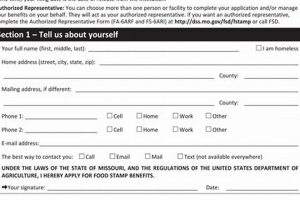
Federal nutrition assistance programs, designed to alleviate food insecurity among low-income individuals and families, experienced proposed reductions under the previous administration. These potential adjustments targeted eligibility requirements and benefit levels, with the stated aim of promoting self-sufficiency and reducing government spending. Changes to the Supplemental Nutrition Assistance Program (SNAP), for instance, sought to limit broad-based categorical eligibility, impacting individuals who might otherwise qualify due to slightly higher incomes or modest assets.
The significance of federal nutrition assistance lies in its role as a safety net, preventing hunger and supporting economic stability within vulnerable populations. Historically, SNAP has proven effective in mitigating poverty and boosting local economies, as benefits are often spent at grocery stores and farmers markets. Proposed changes, therefore, prompted debate regarding the potential consequences for food security, public health, and economic well-being, particularly during times of economic hardship or rising unemployment.
The following analysis examines the specific policy proposals, their projected impact on beneficiary households, and the broader implications for food access and poverty reduction strategies. It will also explore the counterarguments raised by advocates for maintaining or expanding nutrition assistance programs.
The following offers guidance on understanding and adapting to potential shifts in federal food assistance policies. These tips are designed to provide clarity amidst evolving regulations.
Tip 1: Stay Informed. Actively monitor official announcements from the USDA and state agencies regarding changes to SNAP eligibility and benefits. Reliable information sources are crucial.
Tip 2: Verify Eligibility. Even if previously eligible, re-evaluate current household income, assets, and work requirements against updated criteria. Clarification prevents unexpected benefit loss.
Tip 3: Understand Work Requirements. Be aware of any new or revised work-related mandates attached to SNAP benefits. Document compliance through job searches, training programs, or volunteer activities.
Tip 4: Explore Alternative Resources. Identify local food banks, soup kitchens, and charitable organizations that offer supplementary food assistance. Diversify support networks for food security.
Tip 5: Advocate for Continued Support. Communicate with elected officials at the local, state, and federal levels regarding the importance of maintaining robust food assistance programs. Participate in public forums and share personal experiences.
Tip 6: Seek Legal Assistance. If facing wrongful denial or termination of SNAP benefits, consult with legal aid organizations or attorneys specializing in public assistance law. Protect legal rights throughout the process.
These strategies empower individuals and families to proactively address potential alterations to food assistance programs, ensuring continued access to essential nutrition. Informed action is paramount during periods of policy change.
The subsequent section will explore the arguments surrounding the economic and social implications of these policy modifications.
1. Eligibility Restrictions

Eligibility restrictions formed a central component of proposals to modify federal nutrition assistance programs. These restrictions directly impacted who could receive benefits under programs like SNAP. For example, a proposed change targeted “Broad-Based Categorical Eligibility” (BBCE). BBCE allowed states to automatically enroll households with incomes slightly above the federal poverty line if they received non-cash benefits from Temporary Assistance for Needy Families (TANF). Eliminating or limiting BBCE would have disproportionately affected working families with low incomes, potentially causing them to lose food assistance.
The proposed limitations stemmed from the argument that existing eligibility rules were overly broad and allowed individuals who did not genuinely need assistance to receive benefits, increasing government spending. This perspective viewed stricter requirements as a means of ensuring that assistance reached only the most vulnerable and incentivized self-sufficiency. Critics, however, argued that these restrictions would increase food insecurity among working families and individuals facing temporary economic hardship, effectively punishing those who were striving to improve their circumstances. The potential economic impact included reduced spending at local grocery stores, as lower SNAP benefits translate to less money available for food purchases.
In conclusion, eligibility restrictions represent a key mechanism through which modifications to federal nutrition assistance were pursued. These changes triggered significant debate regarding the balance between fiscal responsibility, program efficiency, and the social safety net’s obligation to prevent hunger and poverty. The practical effect would likely have been a reduction in the number of individuals and families receiving SNAP benefits, with corresponding consequences for food security and economic stability within affected communities.
2. Work Requirements Expansion

Work requirements expansion formed a significant component of proposed adjustments to federal nutrition assistance, specifically SNAP, during the previous administration. These adjustments aimed to link the receipt of benefits more directly to participation in the workforce or related activities. The rationale was to incentivize self-sufficiency and reduce long-term dependence on government assistance. For instance, proposals included stricter enforcement of existing work requirements for able-bodied adults without dependents (ABAWDs), limiting exemptions and shortening the time frame for benefit eligibility without meeting specified work hours. This meant ABAWDs could only receive SNAP benefits for three months out of every 36-month period unless they worked or participated in a qualifying work program for at least 20 hours per week.
The expansion of work requirements generated considerable debate regarding its potential impact. Proponents argued that it would encourage employment and reduce dependence on government programs. However, critics pointed out that many SNAP recipients already work but earn wages insufficient to meet their basic needs. Furthermore, they noted that access to jobs, particularly in rural areas or during economic downturns, is not always readily available. Concerns arose regarding the potential for increased hardship among individuals unable to meet the work requirements due to disability, lack of childcare, or limited job opportunities. The practical consequence could be the loss of food assistance for vulnerable individuals, potentially leading to increased food insecurity and reliance on emergency food providers.
In summary, work requirements expansion represents a key strategy in altering the structure of federal nutrition assistance. While proponents frame it as a means to promote self-sufficiency, critics express concern about its potential to exacerbate hardship among those facing barriers to employment. The effectiveness and ethical implications of this approach remain subjects of ongoing debate, with potential impacts on food security and poverty levels across the nation. The policy’s practical consequences are contingent on the availability of jobs, accessible job training programs, and adequate support services for individuals facing employment challenges.
3. Benefit Amount Reductions

Benefit amount reductions represent a core mechanism through which proposed changes to federal nutrition assistance, often associated with the phrase “trump cutting food stamps,” were implemented. These reductions directly translated into less financial support for eligible individuals and families, impacting their ability to purchase food. The connection is causal: policies aimed at lowering federal spending on nutrition programs resulted in decreased benefit levels for recipients. The importance of understanding these reductions lies in recognizing their immediate and long-term consequences for food security and overall well-being. For example, the Thrifty Food Plan, used to calculate SNAP benefits, was revised under the 2018 Farm Bill, impacting the allocation of funds. Smaller benefit packages force low-income households to make difficult choices, potentially sacrificing nutritional quality or reducing overall food consumption.
Further analysis reveals that benefit amount reductions are often tied to changes in eligibility criteria or administrative rules. For instance, adjustments to the Excess Shelter Deduction, which allows deductions for housing costs exceeding a certain threshold, can indirectly reduce benefit amounts by decreasing the overall allowable deductions. Similarly, eliminating or restricting state waivers that allowed for higher benefit levels during periods of economic hardship directly resulted in reduced assistance for those residing in affected states. The practical application of this understanding involves assessing the specific impact of these reductions on different demographic groups, such as families with children, the elderly, and individuals with disabilities, who may experience disproportionate challenges in accessing sufficient food.
In conclusion, benefit amount reductions are a crucial component of broader efforts to modify federal nutrition assistance programs. The consequences of these reductions extend beyond individual households, affecting community-level food security and potentially increasing demand on emergency food providers. Understanding the link between specific policy changes and the resulting reduction in benefits is essential for informed policy analysis and effective advocacy aimed at mitigating the negative impacts on vulnerable populations. Addressing these challenges requires a comprehensive approach that considers both the immediate needs of food-insecure households and the long-term goals of promoting economic self-sufficiency.
4. Categorical Eligibility Limits

Categorical eligibility limits, a key element within proposed alterations to federal nutrition assistance, represent a direct pathway through which reductions in access to SNAP were pursued. This mechanism, significantly debated during the previous administration, restricted states’ ability to automatically enroll families in SNAP if they received non-cash benefits or services from programs funded by Temporary Assistance for Needy Families (TANF). The premise was that such automatic enrollment circumvented thorough income and asset verification, potentially extending benefits to households not truly in need, therefore justifying a reduction in government spending and increased program integrity. As a consequence, altering categorical eligibility rules led to the disenrollment of families who, while having incomes marginally above strict poverty thresholds, still struggled with food insecurity. This underscores the importance of categorical eligibility in providing a safety net for working families with low incomes and highlights its vulnerability to policy changes aimed at reducing program costs.
The practical significance of these limits can be observed in specific state-level implementations. For instance, states that previously utilized broad-based categorical eligibility (BBCE) to streamline SNAP enrollment faced significant challenges in reassessing the eligibility of numerous households following the proposed changes. This reassessment imposed administrative burdens on state agencies and resulted in delays and potential errors in benefit determinations. Moreover, the limitations disproportionately affected certain demographic groups, such as families with young children and individuals with disabilities, who often rely on TANF-funded services to support their employment and well-being. The removal of categorical eligibility created a barrier to SNAP access for these vulnerable populations, potentially exacerbating food insecurity and increasing reliance on emergency food assistance providers.
In summary, categorical eligibility limits represent a critical policy lever in shaping the reach and effectiveness of federal nutrition assistance programs. The decision to restrict or maintain categorical eligibility reflects fundamental choices about the role of government in addressing food insecurity and supporting low-income families. The consequences of these limits extend beyond budgetary considerations, impacting the health, well-being, and economic stability of countless individuals and communities. The challenge lies in finding a balance between ensuring program integrity and providing timely and effective assistance to those most in need, a balance that requires careful consideration of the real-world impacts of policy decisions on vulnerable populations.
5. Administrative Burden Increase
Proposed adjustments to federal nutrition assistance programs under the previous administration, actions often referred to as “trump cutting food stamps,” frequently led to a demonstrable increase in administrative burden. These burdens affected both program beneficiaries and the state agencies responsible for administering these critical safety net programs. The relationship is multifaceted, with policy changes triggering a ripple effect throughout the system.
- Increased Documentation Requirements
Policy modifications often involved stricter eligibility verification processes, demanding more extensive documentation from applicants and recipients. This included income verification, proof of work hours, and detailed asset reporting. This increased documentation burden disproportionately impacted low-income individuals, particularly those with limited literacy or access to technology, requiring them to navigate complex bureaucratic procedures to maintain their benefits.
- Heightened Verification Scrutiny
State agencies faced greater pressure to verify the accuracy of applicant information, leading to more frequent audits, data matching, and cross-referencing of records. While intended to prevent fraud and abuse, this heightened scrutiny placed a strain on agency resources, diverting staff time from other essential functions like outreach and application processing, further delaying benefit delivery and reducing service quality.
- Implementation of Complex Rule Changes
The frequent introduction of new rules and regulations created significant challenges for state agencies, requiring them to retrain staff, update computer systems, and develop new protocols for eligibility determination. This complexity led to errors in benefit calculations and inconsistent application of the rules, further exacerbating administrative inefficiencies and creating confusion among beneficiaries regarding their rights and responsibilities.
- Appeals Process Overload
Denials and terminations of benefits stemming from stricter eligibility criteria or documentation failures resulted in a surge of appeals filed by affected individuals. This influx of appeals placed a significant strain on administrative hearing systems, leading to lengthy delays in resolving disputes and potentially depriving eligible individuals of much-needed assistance for extended periods.
In conclusion, the administrative burden increase associated with revisions to federal nutrition assistance programs represents a significant consequence of policies often described as “trump cutting food stamps.” These burdens had tangible effects on both the individuals seeking assistance and the agencies responsible for providing it, potentially undermining the effectiveness of the programs and exacerbating food insecurity among vulnerable populations. The complexities inherent in these policies necessitate a careful evaluation of their overall impact on program efficiency, accessibility, and the well-being of those relying on these essential safety nets.
6. Poverty Impact Concerns
Actions categorized under the phrase “trump cutting food stamps” generated significant poverty impact concerns. These concerns stemmed from the anticipated reduction in food assistance benefits and the potential increase in food insecurity among low-income households. The relationship is direct: reductions in food assistance exacerbate poverty by limiting access to essential resources, specifically food. The importance of understanding these concerns arises from the need to assess the social and economic consequences of policy changes and to develop strategies to mitigate potential harm. For example, restrictions on categorical eligibility threatened to remove SNAP benefits from working families who, while having incomes slightly above poverty thresholds, still struggled to afford adequate nutrition. These families were subsequently at risk of increased food insecurity, potentially leading to adverse health outcomes, reduced school performance among children, and decreased work productivity among adults.
Further poverty impact concerns centered on the potential for increased strain on charitable food assistance providers, such as food banks and soup kitchens. As federal nutrition assistance programs contracted, these organizations were anticipated to experience a surge in demand for their services. However, charitable organizations often lack the capacity to fully meet the needs of all individuals and families facing food insecurity, leading to gaps in the safety net. The practical application of this understanding involves developing comprehensive strategies that combine federal nutrition assistance programs with support from charitable organizations and local communities. This requires a multi-pronged approach that addresses both the immediate needs of food-insecure households and the underlying causes of poverty.
In summary, poverty impact concerns represent a critical dimension of the debate surrounding modifications to federal nutrition assistance. The policies associated with “trump cutting food stamps” raised legitimate fears about increased food insecurity and hardship among vulnerable populations. Addressing these concerns necessitates a comprehensive understanding of the interplay between federal policies, community resources, and the lived experiences of low-income individuals and families. A proactive and evidence-based approach is essential to mitigating the potential harm and promoting food security for all.
Frequently Asked Questions Regarding Federal Nutrition Assistance Policy Changes
The following addresses common questions concerning adjustments to federal nutrition assistance programs, often linked to the term “trump cutting food stamps.” These questions aim to clarify the nature and implications of these policy shifts.
Question 1: What specific changes were proposed to SNAP eligibility?
Proposed changes included stricter income limits, limitations on categorical eligibility, and expanded work requirements for able-bodied adults without dependents (ABAWDs). These changes sought to narrow the criteria for program access.
Question 2: How would benefit amount reductions affect recipient households?
Reduced benefit amounts directly lowered the purchasing power of SNAP recipients, potentially leading to decreased food consumption and nutritional deficiencies, especially among vulnerable populations.
Question 3: What is “categorical eligibility,” and why was it targeted for reform?
Categorical eligibility allowed states to automatically enroll families in SNAP if they received certain non-cash benefits. Critics argued it broadened eligibility beyond those truly in need, while proponents maintained it streamlined access for working families with low incomes.
Question 4: What are the work requirements for SNAP, and how were they proposed to be expanded?
Existing work requirements mandate that ABAWDs work or participate in qualifying activities for at least 20 hours per week to maintain benefits. Proposed expansions aimed to limit exemptions and shorten the duration of benefit eligibility without meeting these requirements.
Question 5: How would increased administrative burdens impact state agencies and beneficiaries?
Stricter verification processes and complex rule changes would strain agency resources, potentially leading to delays in benefit delivery and increased errors. Beneficiaries would face more documentation requirements and potential challenges navigating the system.
Question 6: What were the potential consequences for poverty and food insecurity?
Reduced access to SNAP and lower benefit amounts raised concerns about increased food insecurity and poverty, particularly among children, the elderly, and individuals with disabilities. This could strain charitable food assistance providers.
In summary, the proposed changes to federal nutrition assistance programs triggered significant debate regarding the balance between fiscal responsibility, program efficiency, and the social safety net’s obligation to prevent hunger and poverty.
The next section delves into the legal challenges and potential future directions of these policies.
Conclusion
The examination of actions described by the phrase “trump cutting food stamps” reveals a complex interplay of policy decisions impacting federal nutrition assistance programs. Stricter eligibility criteria, benefit amount reductions, and expanded work requirements were key components of proposed changes. These alterations triggered debates regarding the potential consequences for food security, poverty levels, and the strain on charitable resources. The administrative burdens imposed on both state agencies and beneficiaries further compounded these concerns.
The enduring significance of these policy shifts necessitates continued scrutiny and informed dialogue. Assessing the long-term impact on vulnerable populations and the effectiveness of alternative strategies for addressing food insecurity remains crucial. Understanding the complexities surrounding federal nutrition assistance is essential for promoting effective and equitable solutions that ensure access to adequate nutrition for all individuals and families.