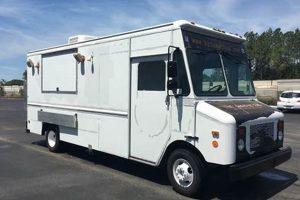
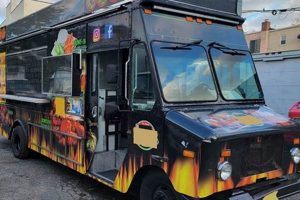
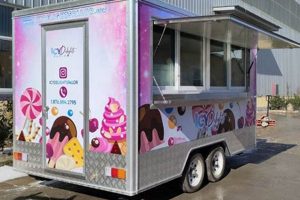
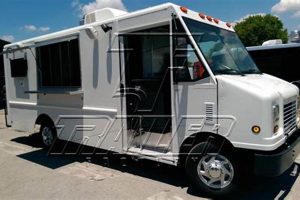
Pre-owned mobile kitchens and concession units represent a significant sector within the culinary equipment market. These units, typically mounted on truck chassis or towed as trailers, provide a cost-effective entry point for entrepreneurs seeking to establish or expand food service operations. They offer a flexible alternative to traditional brick-and-mortar restaurants, allowing for mobility and adaptability to different locations and events. These units vary widely in size, features, and condition, reflecting their previous usage and maintenance.
The availability of these mobile kitchens is driven by factors such as business closures, upgrades to newer models, or changes in owners’ strategic direction. Acquiring a pre-owned unit can significantly reduce initial investment costs compared to purchasing a new, custom-built vehicle. This financial advantage allows operators to allocate resources toward other essential aspects of their business, such as inventory, marketing, and staffing. Historically, the growth of this market segment mirrors the increasing popularity of street food and mobile vending as viable business models.
Understanding the nuances of purchasing a pre-owned mobile kitchen involves careful consideration of several factors, including the unit’s mechanical condition, kitchen equipment functionality, regulatory compliance, and overall suitability for the intended menu and operating environment. Subsequent sections will delve into these critical areas, providing a framework for informed decision-making when evaluating available options.
Guidance on Procuring Pre-Owned Mobile Kitchens
The acquisition of pre-owned mobile kitchens requires careful due diligence. Thorough inspection and research are essential to ensure the selected unit aligns with operational needs and regulatory requirements.
Tip 1: Conduct a Thorough Physical Inspection. Prior to purchase, inspect the unit’s structural integrity, paying close attention to signs of rust, corrosion, or damage to the frame, body, and roof. Engage a qualified mechanic to assess the engine, transmission, and other critical mechanical components if it’s a self-propelled truck.
Tip 2: Verify Equipment Functionality. Test all installed kitchen equipment, including cooking appliances, refrigeration units, and ventilation systems. Ensure that all components are operational, properly maintained, and meet the demands of the intended menu. Obtain service records for verification.
Tip 3: Research Regulatory Compliance. Confirm that the unit complies with local health and safety regulations, including those pertaining to food handling, sanitation, and fire suppression. Obtain copies of relevant permits and licenses to ensure a smooth transition of ownership.
Tip 4: Assess Electrical and Plumbing Systems. Have the electrical and plumbing systems inspected by qualified professionals. Ensure that the wiring is up to code and that the plumbing is free of leaks and corrosion. Verify the capacity of the generator or shore power connection meets operational needs.
Tip 5: Review Maintenance Records. Request and meticulously review all available maintenance records. These records provide valuable insights into the unit’s past performance, maintenance history, and potential future repair needs.
Tip 6: Negotiate Based on Condition. Use the findings from the inspection and equipment assessment to negotiate the purchase price. Factor in the cost of any necessary repairs or upgrades when making an offer.
Tip 7: Secure Financing and Insurance. Explore financing options if necessary and obtain adequate insurance coverage to protect the investment against potential risks, such as accidents, theft, or equipment failure.
Adhering to these guidelines minimizes risks associated with acquiring a previously owned mobile kitchen, enhancing the likelihood of a successful and sustainable business venture.
The subsequent section will provide a concluding summary, reinforcing key considerations for navigating the pre-owned mobile kitchen market.
1. Condition Assessment

Condition assessment is a critical phase in the procurement process for pre-owned mobile culinary units. This evaluation determines the structural integrity, operational readiness, and potential long-term expenses associated with these assets, influencing purchasing decisions and overall viability.
- Structural Integrity Evaluation
This facet encompasses a detailed inspection of the chassis, frame, body panels, and roof for signs of rust, corrosion, or physical damage. Compromised structural components can lead to safety hazards and costly repairs, including compromised towing capacity, leading to additional expenses. For instance, a trailer exhibiting extensive rust on its frame may require significant welding or even frame replacement, effectively negating any perceived initial cost savings.
- Mechanical Systems Examination
If the unit is self-propelled, a comprehensive evaluation of the engine, transmission, braking system, and suspension is necessary. Undetected mechanical issues can result in breakdowns, downtime, and expensive repairs. Consider a scenario where a used food truck’s engine exhibits signs of excessive oil consumption. This could indicate worn piston rings or valve seals, potentially leading to a complete engine failure requiring costly overhaul or replacement.
- Equipment Operational Verification
This involves testing the functionality of all installed kitchen equipment, including cooking appliances (ovens, fryers, griddles), refrigeration units, and ventilation systems. Malfunctioning or inefficient equipment can impact food quality, increase energy consumption, and require immediate repair or replacement. A refrigeration unit operating at a reduced capacity might struggle to maintain safe food storage temperatures, leading to potential health code violations and spoilage.
- Electrical and Plumbing Systems Inspection
Thorough examination of the electrical wiring, plumbing lines, and propane or natural gas connections is essential. Defective wiring can create fire hazards, while leaks in plumbing or gas lines can lead to water damage or explosions. For example, faulty wiring in a used food trailer could overload circuits, triggering electrical fires or damaging connected equipment.
The multifaceted nature of condition assessment directly impacts the financial prudence of acquiring a pre-owned mobile food unit. Addressing identified deficiencies prior to purchase, or factoring the cost of repairs into the negotiated price, is crucial for maximizing the return on investment and ensuring long-term operational success.
2. Equipment Functionality

The operational efficacy of installed equipment is paramount when evaluating pre-owned mobile food units. Functionality deficiencies directly impact a food vendor’s ability to conduct business, influencing menu offerings, service speed, and overall profitability. Consider a used food truck equipped with a non-functional refrigeration unit. The inability to store perishable ingredients at safe temperatures would severely restrict menu options and potentially lead to significant food spoilage, resulting in financial losses and potential health code violations.
Similarly, malfunctioning cooking equipment, such as ovens, fryers, or griddles, diminishes production capacity and compromises food quality. A used food trailer with a faulty exhaust hood presents a potential safety hazard and violates fire codes in many jurisdictions. Moreover, inadequate power supply or improperly functioning generators can lead to inconsistent equipment performance and operational disruptions. Comprehensive testing and inspection of all equipment, including detailed documentation of operational status, are essential to accurately determine the true value and suitability of a used mobile food unit. This assessment should extend beyond basic functionality to encompass energy efficiency, maintenance requirements, and adherence to relevant industry standards.
In conclusion, equipment functionality is not merely a superficial consideration but a fundamental component of the overall value proposition of pre-owned mobile food units. Failing to thoroughly assess the condition and performance of onboard equipment carries significant financial and operational risks. Prioritizing a meticulous evaluation of these systems ensures a sound investment, minimizing unforeseen expenses and maximizing the potential for a successful mobile food service operation.
3. Regulatory Compliance

Regulatory compliance constitutes a critical, non-negotiable aspect of acquiring pre-owned mobile food units. These units are subject to a complex web of regulations at the federal, state, and local levels, encompassing food safety, sanitation, fire safety, and operational permits. Failure to adhere to these regulations can result in significant penalties, including fines, operational shutdowns, and legal liabilities. For instance, a used food trailer lacking proper ventilation may violate health codes, leading to a forced closure until compliant systems are installed. Similarly, a mobile kitchen operating without the necessary permits faces the risk of immediate shutdown and potential impoundment of the unit.
The responsibility for ensuring regulatory compliance typically falls on the purchaser of the pre-owned unit. Therefore, thorough due diligence is essential to verify that the unit meets all applicable standards before completing the purchase. This process involves inspecting the unit for compliance with health codes, fire safety regulations, and accessibility standards. It also requires confirming that the unit possesses the necessary permits and licenses to operate legally in the intended jurisdiction. Engaging qualified professionals, such as health inspectors and fire safety experts, can provide valuable assistance in assessing the unit’s compliance status. A real-world example illustrates the importance of this step: a food truck purchased without verifying compliance with local fire suppression system requirements was forced to undergo costly retrofitting to meet code, significantly increasing the overall investment.
In conclusion, regulatory compliance represents a fundamental consideration when evaluating pre-owned mobile food units. Ignoring this aspect can expose buyers to significant financial and operational risks. Prioritizing thorough due diligence, engaging qualified professionals, and ensuring complete adherence to all applicable regulations are essential steps in mitigating these risks and ensuring a successful and sustainable mobile food service operation. Overlooking these requirements may turn an otherwise promising investment into a costly and potentially unviable venture.
4. Financing Options

Securing appropriate financing is a pivotal step in acquiring pre-owned mobile food units. The availability of diverse financial instruments directly influences the accessibility and affordability of these assets, impacting the viability of aspiring food entrepreneurs.
- Small Business Loans
Small Business Administration (SBA) loans, offered through participating lenders, represent a viable financing avenue. These loans often feature favorable interest rates and repayment terms, facilitating access to capital for businesses with limited credit history. An aspiring food truck owner might utilize an SBA 7(a) loan to finance the purchase of a pre-owned unit, benefiting from longer repayment periods and reduced down payment requirements. However, securing SBA loans typically involves a rigorous application process and may require collateral.
- Equipment Financing
Specialized equipment financing caters specifically to the acquisition of machinery and vehicles, including pre-owned mobile food units. These financing options often entail shorter repayment terms and may require a higher down payment compared to SBA loans. A prospective buyer could leverage equipment financing to acquire a fully equipped used food trailer, with the unit itself serving as collateral. The approval process is often streamlined, focusing primarily on the value of the equipment and the borrower’s ability to generate revenue.
- Leasing Arrangements
Leasing provides an alternative to outright purchase, allowing businesses to utilize a pre-owned mobile food unit in exchange for recurring lease payments. Leasing agreements typically involve lower upfront costs compared to purchasing, offering flexibility and potentially tax advantages. A startup food business might opt to lease a used food truck, conserving capital for other essential expenses such as inventory and marketing. However, leasing does not result in ownership of the asset, and the cumulative lease payments may exceed the purchase price over time.
- Personal Loans and Lines of Credit
Personal loans and lines of credit represent another potential source of financing, particularly for smaller acquisitions or as a supplement to other funding sources. These options may offer faster approval times and less stringent requirements compared to business-specific loans. An individual seeking to purchase a small, used concession trailer could utilize a personal loan or line of credit to cover the cost. However, personal loans often carry higher interest rates and shorter repayment terms compared to business loans, potentially increasing the overall cost of financing.
The selection of the optimal financing strategy hinges on individual circumstances, including creditworthiness, business plan, and financial goals. Careful evaluation of available options is essential to secure the most favorable terms and ensure the long-term financial sustainability of the mobile food venture. The accessibility of these financing avenues directly correlates with the prevalence and appeal of pre-owned mobile food units as a viable business entry point.
5. Market Valuation

Market valuation plays a pivotal role in transactions involving used food trucks and trailers. It establishes a reasonable price range, mitigating the risk of overpayment and enabling informed negotiation. The valuation process considers several factors, including the unit’s age, condition, equipment, location, and prevailing market trends. A comprehensive assessment provides both buyers and sellers with a realistic understanding of the asset’s worth. For example, a 2015 food truck with a well-maintained kitchen and a recent health inspection might command a higher price than a comparable unit lacking these attributes. Conversely, a newer model with significant mechanical issues will likely be valued lower.
The absence of a proper market valuation can lead to unfavorable outcomes. Buyers may overspend on a unit with hidden defects or inflated pricing, while sellers may underestimate its true worth, resulting in financial losses. Furthermore, reliable valuation data facilitates access to financing. Lenders often require a professional appraisal to determine the loan amount, ensuring that the loan is adequately secured by the asset’s value. The use of online valuation tools, industry reports, and expert appraisals contribute to the accuracy and reliability of market valuations. For instance, an online tool might provide a preliminary estimate based on the unit’s specifications, while a certified appraiser can conduct a more detailed on-site inspection to factor in specific condition and local market conditions. Such practices safeguard both parties and encourage fair and transparent transactions.
In conclusion, market valuation is an indispensable component of the used food truck and trailer market. It provides a crucial benchmark for pricing, facilitates access to financing, and promotes transparency in transactions. While challenges remain in accurately assessing the value of these unique assets, the adoption of standardized valuation methodologies and the use of professional expertise are essential for fostering a healthy and sustainable market. Understanding the principles of market valuation empowers stakeholders to make informed decisions, minimizing risks and maximizing the potential for success in the mobile food industry.
Frequently Asked Questions
The following questions address common inquiries and concerns regarding the purchase and operation of pre-owned mobile food units, providing essential information for prospective buyers.
Question 1: What factors significantly impact the valuation of used food trucks and trailers?
The age, condition, installed equipment, mileage (if applicable), and regulatory compliance status of a pre-owned mobile food unit exert substantial influence on its market value. Units with updated equipment, documented maintenance records, and current certifications generally command higher prices.
Question 2: How does one verify the operational readiness of kitchen equipment within a pre-owned mobile food unit?
Verification requires a hands-on inspection and testing of all appliances, refrigeration units, and ventilation systems. Obtain documentation of recent maintenance or repairs. If possible, engage a qualified technician to assess the equipment’s condition and functionality.
Question 3: What are the primary regulatory considerations when purchasing a used food truck or trailer?
Compliance with local health codes, fire safety regulations, and zoning ordinances is paramount. Confirm that the unit possesses the necessary permits and certifications to operate legally in the intended jurisdiction. Consult with local authorities to ascertain specific requirements.
Question 4: What are typical financing options available for acquiring pre-owned mobile food units?
Financing options include small business loans, equipment financing, and leasing agreements. The availability and terms of financing depend on the buyer’s creditworthiness, business plan, and the value of the unit. Explore options from banks, credit unions, and specialized equipment lenders.
Question 5: How can potential buyers protect themselves from fraudulent sales or misrepresented condition of used food trucks and trailers?
Conduct thorough inspections, request detailed documentation, and obtain a professional appraisal. Verify the seller’s credentials and history. Utilize secure payment methods and obtain a written purchase agreement outlining the terms of sale and warranty provisions.
Question 6: What ongoing maintenance costs should be anticipated when operating a pre-owned mobile food unit?
Ongoing maintenance costs include routine servicing of the engine (if applicable), kitchen equipment repairs, plumbing and electrical maintenance, and compliance with safety regulations. Develop a preventative maintenance schedule to minimize unexpected breakdowns and extend the unit’s lifespan.
These FAQs provide foundational guidance for navigating the pre-owned mobile food unit market. Due diligence and professional consultation are essential for making informed decisions and mitigating potential risks.
The subsequent section will address potential pitfalls during the purchase process, offering strategies for risk mitigation.
Conclusion
The preceding discussion has underscored the critical factors influencing the acquisition and utilization of used food trucks and trailers for sale. Examination of condition assessment, equipment functionality, regulatory compliance, financing options, and market valuation reveals the complexities inherent in this sector. Prudent navigation of these elements is essential for mitigating financial risk and optimizing operational potential.
The pre-owned mobile food unit market presents both opportunities and challenges. Successful entry requires diligent research, meticulous inspection, and adherence to best practices. Potential operators are urged to prioritize thorough due diligence and professional consultation to ensure a sustainable and profitable venture. The evolving landscape of the mobile food industry demands informed decision-making, and a comprehensive understanding of the factors discussed herein represents a crucial first step toward achieving long-term success within the context of used food trucks and trailers for sale.