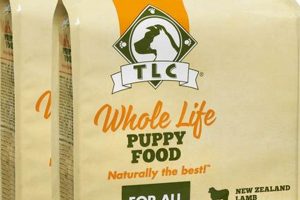
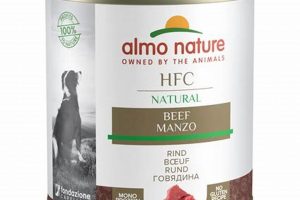
Dietary options featuring a restricted number of components, with lamb as the primary protein source, are formulated to address canine sensitivities and digestive concerns. These specialized formulations minimize potential allergens and irritants, providing a simplified nutritional profile. An example would be a product containing lamb, brown rice, and a select few vitamins and minerals, excluding common additives like corn, soy, or wheat.
Such nutritional strategies can be valuable in managing food sensitivities, promoting healthy digestion, and reducing instances of allergic reactions in dogs. The reduced component list simplifies the digestive process and minimizes the likelihood of adverse reactions to specific ingredients. Historically, these types of diets arose from veterinary and owner observations of food-related sensitivities in canines, leading to the development of formulations designed for sensitive systems.
The subsequent sections will delve into specific aspects such as selection criteria, potential benefits for different breeds, considerations for transitioning a dog to such a diet, and key factors in assessing the overall quality of these specialized canine nutrition products.
Considerations for Integrating a Simplified Lamb-Based Diet
The following recommendations are designed to aid in the responsible and effective implementation of a canine diet featuring a limited ingredient profile with lamb as the primary protein source.
Tip 1: Consultation with a Veterinarian: Prior to introducing any new dietary regimen, it is crucial to consult with a qualified veterinarian. The veterinarian can assess the dog’s specific needs, identify potential allergies or sensitivities, and provide guidance tailored to the animal’s health status.
Tip 2: Ingredient List Scrutiny: Carefully examine the ingredient list. The fewer components listed, generally, the lower the potential for adverse reactions. Ensure that lamb is clearly identified as the primary protein source and that other additions are minimal and easily digestible.
Tip 3: Gradual Transition: Abrupt dietary changes can cause digestive upset. Introduce the new diet slowly by mixing it with the existing food, gradually increasing the ratio of the new food over a period of 7-10 days.
Tip 4: Monitoring for Adverse Reactions: Closely observe the dog for any signs of adverse reactions, such as skin irritation, gastrointestinal distress (vomiting, diarrhea), or changes in appetite or behavior. Should any of these occur, discontinue use and consult a veterinarian.
Tip 5: Single Protein Source Focus: The benefits are maximized when the formulation contains a single, novel protein source. Avoid products that include multiple protein sources, as this can complicate the identification of potential allergens.
Tip 6: Avoidance of Common Allergens: Ensure the formulation is free from common canine allergens such as corn, soy, wheat, artificial colors, and preservatives. These additives can negate the benefits of a limited ingredient diet.
Tip 7: Storage Considerations: Store the food properly in a cool, dry place to maintain its freshness and nutritional integrity. Exposure to heat or moisture can degrade the quality of the ingredients and potentially lead to spoilage.
Adherence to these considerations contributes to a more successful integration of a simplified diet. The objective is to provide optimal nutrition while minimizing the risk of adverse reactions, ultimately promoting the dog’s overall well-being.
The following sections will provide deeper insights into specific concerns, ingredient analysis, and practical guidance for owners.
1. Digestibility

Digestibility represents a pivotal factor in the nutritional efficacy of specialized canine diets, particularly those formulated with a limited ingredient profile and lamb as the primary protein source. Proper digestion ensures that the dog can effectively extract and utilize the nutrients present, thereby maximizing the benefits of the diet while minimizing potential gastrointestinal distress.
- Simplified Composition and Gastric Load
A diet containing few ingredients, such as lamb and rice, reduces the complexity of the digestive process. The canine digestive system encounters a smaller variety of substances, decreasing the workload on digestive enzymes and potentially lessening the likelihood of incomplete breakdown and subsequent digestive issues. This is crucial for dogs with sensitive stomachs or compromised digestive function.
- Reduced Allergen Exposure and Intestinal Inflammation
Ingredients frequently associated with canine allergies or intolerances, such as corn, soy, and wheat, are deliberately excluded. Minimizing exposure to these potential allergens reduces the risk of intestinal inflammation, which can impair digestive function and nutrient absorption. A calmer intestinal environment fosters improved digestion and overall health.
- Lamb as a Highly Digestible Protein Source
Lamb offers a digestible protein source for many dogs. Its protein structure is often more readily broken down by canine digestive enzymes compared to some other protein alternatives. This enhanced digestibility translates to better amino acid availability for tissue repair, immune function, and other essential physiological processes.
- Fiber Content and Bowel Regulation
The inclusion of appropriate fiber sources, such as beet pulp, in these diets aids in regulating bowel movements. Fiber promotes the formation of well-formed stools, facilitating efficient waste elimination. Proper bowel regulation further contributes to enhanced digestibility by preventing issues such as constipation or diarrhea, both of which can impede nutrient absorption.
The careful consideration of digestibility factors within formulations represents a key element in optimizing the nutritional value and tolerance of these diets. By reducing complexity, mitigating allergen exposure, selecting digestible protein sources, and promoting proper bowel regulation, these diets aim to enhance nutrient absorption and minimize gastrointestinal distress in dogs with specific dietary needs. The direct relationship between these aspects underscores the importance of digestibility in this specialized nutrition.
2. Protein Source

The selection of the protein source is a central consideration in the formulation of canine diets with a restricted number of components, particularly when lamb is utilized. The protein source dictates the diet’s amino acid profile, its potential allergenicity, and its overall digestibility, thereby influencing the animal’s health and well-being.
- Novel Protein and Allergenicity
Lamb frequently serves as a novel protein source for canines, meaning they have had limited prior exposure to it. This reduced prior exposure decreases the likelihood of triggering an allergic reaction in dogs sensitive to more common protein sources like beef or chicken. Formulations leverage this aspect to mitigate allergic responses.
- Amino Acid Profile and Nutritional Adequacy
The amino acid composition of lamb must adequately meet the dog’s essential amino acid requirements. These requirements are crucial for tissue maintenance, immune function, and enzyme production. A high-quality lamb source provides a balanced array of amino acids, ensuring the diet supports optimal physiological function.
- Digestibility and Bioavailability
The digestibility of lamb protein impacts the bioavailability of amino acids. A more digestible protein source allows for more efficient amino acid absorption in the small intestine, maximizing the nutritional value of the diet. Factors like the processing method and the presence of anti-nutritional factors influence lamb protein digestibility.
- Single Protein Source and Dietary Management
Formulations often utilize a single protein source, in this case lamb, to simplify dietary management and facilitate the identification of potential allergens. This approach allows for easier elimination trials and helps pinpoint the specific ingredient causing an adverse reaction, should one occur.
The interconnected nature of allergenicity, amino acid profile, digestibility, and single-source formulation underscores the importance of careful protein source selection in canine diets. The use of lamb offers a strategy for addressing sensitivities and optimizing nutritional intake, provided attention is paid to sourcing, processing, and overall formulation.
3. Allergen Control

The deliberate management of potential allergens constitutes a primary objective in formulating canine diets with a restricted number of ingredients, particularly those utilizing lamb as the primary protein source. Careful control minimizes the risk of adverse reactions and promotes digestive health in sensitive animals.
- Elimination of Common Irritants
A core principle involves excluding ingredients known to frequently induce allergic responses in canines. Common examples include corn, soy, wheat, dairy products, and artificial additives. By avoiding these substances, the likelihood of triggering an immune-mediated reaction is substantially reduced. The absence of these elements is a defining characteristic of many simplified lamb-based diets.
- Novel Protein Utilization
The selection of a novel protein, such as lamb, plays a significant role. A protein source to which the dog has had limited prior exposure minimizes the chances of a pre-existing sensitization. Lamb, therefore, offers a viable alternative for canines exhibiting sensitivities to more conventional protein sources like beef or chicken. This strategy aims to prevent the activation of the immune system.
- Restricted Ingredient List and Traceability
A concise ingredient list facilitates allergen control by simplifying the identification of potential triggers. When a reaction occurs, a limited list streamlines the process of pinpointing the causative agent. Furthermore, transparent sourcing and traceability measures enable manufacturers to ensure the absence of cross-contamination with allergenic substances during production. This diligence enhances product safety and reliability.
- Hypoallergenic Certification and Testing
Some formulations undergo rigorous testing and certification processes to validate their hypoallergenic properties. These assessments may involve controlled feeding trials and analytical assays to confirm the absence of specific allergens. Certification from reputable organizations provides an added layer of assurance for owners seeking allergen-controlled options.
These facets of allergen control, when effectively implemented in the production of simplified lamb-based canine diets, contribute to a reduced risk of adverse food reactions. Careful ingredient selection, rigorous testing, and transparent manufacturing practices collectively promote the well-being of dogs with sensitivities and intolerances, enhancing their quality of life.
4. Nutrient Density
In the context of canine nutrition, nutrient density refers to the concentration of essential nutrients within a given serving of food. For canine diets with restricted ingredients featuring lamb, nutrient density is of paramount importance. Because these diets deliberately limit the variety of components, each ingredient must contribute significantly to meeting the dog’s nutritional requirements. An absence of fillers and non-essential additions necessitates a higher concentration of vitamins, minerals, and essential fatty acids from the included ingredients. Without sufficient nutrient density, even a palatable and easily digestible diet might fail to provide the foundation for optimal health, potentially leading to deficiencies over time. For example, a limited ingredient lamb diet relying primarily on lamb and a single grain source must ensure that the lamb is of high quality and contains adequate levels of essential amino acids, while the grain provides necessary carbohydrates and fiber without compromising the overall nutrient profile.
The formulation process for these diets requires careful calculation and ingredient selection. Manufacturers often supplement the primary ingredients with concentrated sources of vitamins and minerals to compensate for the restricted variety. For instance, flaxseed oil might be added to provide essential omega-3 fatty acids, crucial for skin and coat health, while a blend of chelated minerals ensures optimal absorption. The practical application of this understanding lies in the ability to select diets that deliver comprehensive nutrition despite their simplified ingredient lists. Dog owners should scrutinize the guaranteed analysis on the product label, paying particular attention to the levels of protein, fat, vitamins, and minerals, to ensure the diet meets or exceeds the established nutritional guidelines for the dog’s life stage and activity level.
In summary, nutrient density is a critical attribute of simplified lamb-based canine diets. The challenge lies in achieving nutritional completeness with a limited selection of components. By prioritizing high-quality ingredients and supplementing strategically, manufacturers can produce diets that effectively address sensitivities and allergies while providing the necessary nutrients for canine health. Recognizing the importance of nutrient density empowers owners to make informed decisions, selecting products that provide comprehensive nutrition for their dogs despite dietary restrictions, as well as enabling collaboration with veterinarians on specific nutrient needs.
5. Ingredient Transparency

Ingredient transparency is a critical factor in the context of limited ingredient lamb diets for canines. The deliberate restriction of components necessitates a clear and unambiguous understanding of what is included in the formulation, ensuring informed decision-making by owners and facilitating the management of canine sensitivities.
- Detailed Ingredient Lists
Comprehensive and explicit ingredient lists are paramount. These lists should not only name each component but also specify the form in which it is included (e.g., “lamb meal” versus “fresh lamb”). Furthermore, the origin of certain ingredients may be relevant, particularly in cases of heightened sensitivity. Detailed lists empower owners to identify potential allergens or irritants and make informed choices based on their dog’s specific needs. Lack of detail diminishes the value of a limited ingredient approach.
- Guaranteed Analysis Clarity
The guaranteed analysis provides a breakdown of the macronutrient composition of the food, including protein, fat, and fiber. However, true transparency extends beyond these basic metrics. Manufacturers should provide information regarding the amino acid profile of the protein source and the specific types of fatty acids present, particularly omega-3 and omega-6. This level of detail enables a more precise assessment of the diet’s nutritional adequacy and suitability for individual dogs.
- Sourcing and Manufacturing Practices
Transparency extends to the sourcing of ingredients and the manufacturing processes employed. Ethical and responsible sourcing practices, coupled with stringent quality control measures, contribute to the overall integrity of the product. Information regarding the origin of the lamb, the absence of cross-contamination during manufacturing, and any certifications held by the manufacturer enhances consumer confidence and allows for a more holistic evaluation of the diet.
- Open Communication and Consumer Education
Manufacturers demonstrate transparency through open communication channels and consumer education initiatives. Providing readily accessible information regarding the diet’s formulation, rationale, and potential benefits fosters trust and empowers owners to make informed decisions. Addressing consumer inquiries promptly and providing educational resources further solidify a commitment to transparency.
The intersection of ingredient transparency and limited ingredient lamb-based canine nutrition is vital for ensuring both the safety and efficacy of these diets. Transparent practices enable owners to make informed choices, manage sensitivities, and provide optimal nutrition for their dogs. Without transparency, the benefits of a limited ingredient approach are significantly compromised.
Frequently Asked Questions
The following questions and answers address common concerns and provide factual information regarding dietary options that feature a restricted number of components, with lamb as the primary protein source.
Question 1: What constitutes a “limited ingredient” diet?
A limited ingredient diet (LID) is characterized by a reduced number of components compared to conventional formulations. These diets are formulated to minimize potential allergens and digestive irritants, typically featuring a single protein source and a simplified carbohydrate source.
Question 2: Why is lamb often chosen as the protein source in such diets?
Lamb is frequently selected due to its novelty as a protein source for many canines. This novelty reduces the likelihood of triggering allergic reactions in dogs sensitive to more common proteins like beef or chicken.
Question 3: Are limited ingredient lamb formulations nutritionally complete?
Reputable limited ingredient lamb diets are designed to be nutritionally complete and balanced, meeting the Association of American Feed Control Officials (AAFCO) standards for canine nutrition. The limited component list does not inherently compromise nutritional value.
Question 4: How does one transition a dog to a limited ingredient lamb diet?
A gradual transition is crucial to avoid digestive upset. Mix the new diet with the existing food, gradually increasing the proportion of the new food over 7-10 days until the dog is exclusively consuming the limited ingredient formulation.
Question 5: What signs indicate a dog may benefit from a limited ingredient lamb diet?
Symptoms such as skin irritation, chronic ear infections, gastrointestinal upset (vomiting, diarrhea), and excessive itching may suggest a food sensitivity that could potentially be managed with a limited ingredient approach.
Question 6: Are there potential drawbacks to feeding a limited ingredient lamb diet?
While generally safe, some dogs may still exhibit sensitivities to specific components within a limited ingredient formulation. Furthermore, relying solely on a limited diet long-term without veterinary guidance may inadvertently lead to nutritional imbalances if not carefully monitored.
In summary, limited ingredient lamb-based nutrition can serve as a valuable tool in managing canine sensitivities and promoting digestive health. However, it’s important to emphasize the necessity of veterinary consultation to ascertain its appropriateness for individual dogs.
The subsequent section will delve into breed-specific considerations and factors influencing ingredient selection.
Limited Ingredient Lamb Dog Food
This exploration of “limited ingredient lamb dog food” has underscored its role as a targeted dietary intervention. Key considerations include allergen control, protein source selection, nutrient density, digestibility, and ingredient transparency. These factors are not merely marketing claims but represent essential parameters in evaluating the suitability of this dietary approach for individual canines. The information presented serves as a foundational resource for responsible decision-making.
The responsible application of specialized lamb-based nutrition requires ongoing veterinary collaboration. While these formulations offer potential benefits for sensitive animals, they are not a universal solution. The ultimate goal remains the optimization of canine health through informed dietary choices, grounded in scientific understanding and professional guidance. Continued research and vigilance are essential to ensure the long-term efficacy and safety of these specialized diets.