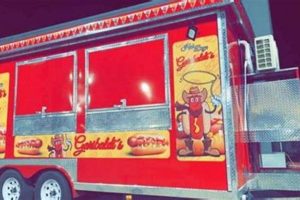
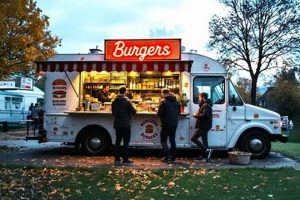
A mobile culinary business necessitates a complete set of tools and appliances for food preparation, storage, and service. This typically includes items such as commercial-grade cooking equipment (grills, fryers, ovens), refrigeration units, food preparation surfaces, sinks with potable water systems, and point-of-sale (POS) systems for order processing. The presence of these elements facilitates efficient and compliant operation. Imagine a vehicle outfitted with all necessary instruments to prepare gourmet burgers, from grilling the patty to assembling the final product, all within a compact, mobile workspace.
The existence of comprehensive onboard facilities provides numerous advantages. It enables businesses to operate in diverse locations, reaching a wider customer base than a stationary establishment. Moreover, it allows for efficient food production, reducing wait times and maximizing customer satisfaction. Historically, the evolution of these mobile kitchens has mirrored advancements in cooking technology and transportation, transitioning from basic carts to sophisticated, self-contained units offering diverse menus and sophisticated operational capabilities.
The following sections will delve into specific aspects such as regulatory compliance, cost considerations, operational best practices, and design considerations for creating a functional and profitable mobile food vending business.
Operational Guidelines for Mobile Food Vendors
Effective operation hinges on several critical factors, ensuring profitability, safety, and regulatory compliance.
Tip 1: Equipment Maintenance: Regular maintenance is paramount. Implement a schedule for inspecting and servicing all cooking, refrigeration, and power generation systems. Neglecting this aspect can result in costly breakdowns and operational downtime. For example, fryer oil should be changed according to the manufacturer’s recommendations to maintain food quality and prevent equipment damage.
Tip 2: Inventory Management: Implement a robust inventory tracking system. This minimizes waste and ensures sufficient supplies for peak operating hours. Regularly assess stock levels of perishable goods to prevent spoilage. Consider using a digital inventory management solution for real-time tracking.
Tip 3: Food Safety Protocols: Strict adherence to food safety standards is non-negotiable. Maintain proper temperature controls for all food items, both in storage and during preparation. Implement a comprehensive cleaning and sanitization schedule. Ensure all staff are properly trained in food safety procedures.
Tip 4: Power Management: Understand power consumption and optimize energy usage. Implement strategies to reduce energy waste. Consider using energy-efficient appliances and LED lighting. Regularly inspect and maintain generators to prevent failures.
Tip 5: Route Optimization: Strategic route planning maximizes sales opportunities. Analyze traffic patterns and customer demographics to identify optimal locations and operating hours. Leverage data analytics to refine route strategies over time.
Tip 6: Waste Disposal: Establish a proper waste management system. Secure appropriate disposal permits and adhere to all relevant regulations. Utilize designated containers for food waste, recyclables, and general trash. Prevent pest infestations by maintaining a clean and sanitary environment.
Tip 7: Point-of-Sale System Efficiency: A well-functioning POS system streamlines order processing and payment collection. Ensure staff are proficient in its operation and troubleshoot common issues quickly. Integrate the POS system with inventory management for seamless data tracking.
By adhering to these guidelines, operators can mitigate risks, optimize efficiency, and enhance the overall customer experience, contributing to long-term success.
The next segment will address financial considerations and funding options relevant to initiating or expanding operations.
1. Cooking Apparatus

The cooking apparatus forms the core functionality of a mobile food business. Within a fully equipped vehicle, the installed cooking equipment dictates the menu offerings and impacts operational efficiency. A limited or inadequate cooking setup restricts menu diversity, potentially limiting customer appeal and revenue potential. Conversely, a comprehensive range of commercial-grade equipment, selected strategically based on target market and menu, provides versatility and facilitates efficient food preparation.
For instance, a mobile business specializing in gourmet sandwiches may require a high-quality panini press, a refrigerated ingredient station, and a warming oven. Without a functioning panini press, a signature menu item becomes unavailable, directly impacting sales. Likewise, a taco truck necessitates a robust flat-top grill, deep fryers for tortilla chips, and heated serving stations to maintain food temperature and quality. The selection and maintenance of this apparatus are therefore paramount to the success of the mobile operation. The configuration must also consider power demands and space constraints within the confines of the vehicle.
Ultimately, the cooking apparatus determines the operational viability of the business. Its selection should align with the desired menu, target market, and available resources, while its proper maintenance minimizes downtime and ensures consistent food quality. A fully equipped mobile food business cannot function effectively without a carefully considered and well-maintained cooking system, thereby establishing a fundamental connection between the apparatus and the business’s overall success.
2. Refrigeration capacity
Refrigeration capacity within a mobile food vending business is intrinsically linked to its operational viability. The available refrigerated space dictates the volume of perishable ingredients that can be stored safely, directly influencing menu options, inventory management, and potential revenue streams. A mobile business with insufficient refrigeration capacity may be forced to limit its menu, purchase ingredients more frequently (increasing costs), or risk spoilage, leading to financial losses and potential health code violations. For example, a seafood-centric operation would require significantly greater refrigerated volume than a business focused solely on shelf-stable snacks.
The selection of appropriate refrigeration equipment considers factors such as available space within the vehicle, power consumption, and the types of food being stored. Commercial-grade refrigerators, freezers, and refrigerated prep tables are common components, each playing a specific role in maintaining food safety. Under-counter refrigerators maximize space utilization, while walk-in units (in larger vehicles) provide ample storage for high-volume operations. A falafel truck, for instance, requires refrigerated storage for chickpeas, fresh vegetables, and prepared sauces. If the refrigeration system fails, resulting in a rise in temperature beyond acceptable limits, the operator is legally obligated to discard the compromised food, potentially incurring significant financial losses and disrupting service.
In conclusion, refrigeration capacity is not merely an accessory, but an indispensable component of a comprehensive mobile food vending unit. Proper sizing and maintenance of the refrigeration system directly impacts profitability, regulatory compliance, and the ability to provide a diverse and safe menu to customers. Neglecting this critical aspect can lead to significant operational challenges and financial setbacks, highlighting the fundamental importance of integrating adequate refrigeration solutions into the overall design and operation of the vehicle.
3. Water Systems

Water systems are a critical, often underestimated, element within a mobile food vending business. A fully equipped vehicle necessitates a self-contained, potable water supply and wastewater disposal system to comply with health codes and maintain sanitary operating conditions. These integrated systems enable food preparation, handwashing, and equipment cleaning, all essential for safe and efficient food service.
- Potable Water Tank Capacity
The size of the potable water tank directly dictates the operational capacity of the business. A larger tank allows for extended service periods without the need for refilling, reducing downtime and maximizing revenue generation. Conversely, an undersized tank restricts menu options, limits service hours, and increases the frequency of water replenishment. Regulations often stipulate minimum tank sizes based on the type of food service and number of sinks. For example, a business primarily serving pre-packaged foods may require a smaller tank than one preparing meals from scratch.
- Wastewater Disposal System
Proper wastewater management is paramount for environmental protection and regulatory compliance. The wastewater tank must be adequately sized to accommodate the volume of water used during food preparation, cleaning, and handwashing. Failure to properly manage wastewater can result in unsanitary conditions, environmental hazards, and significant fines. Many jurisdictions mandate specific wastewater disposal methods, such as discharging at designated facilities. Regular monitoring and maintenance of the wastewater system prevent leaks, blockages, and other operational disruptions.
- Water Heating System
A reliable water heating system is crucial for maintaining proper sanitation and food safety. Hot water is required for effective handwashing and equipment cleaning, particularly for removing grease and food debris. Inadequate water heating can compromise cleaning procedures, increasing the risk of bacterial contamination. Regulations often specify minimum water temperatures for handwashing and dishwashing. Instantaneous water heaters or tank-based systems are common choices, each with varying energy efficiency and recovery rates. Selection should align with the anticipated hot water demand of the business.
- Plumbing and Filtration
Durable and code-compliant plumbing is essential for a safe and efficient water system. Materials used must be food-grade and resistant to corrosion. Proper filtration removes contaminants from the potable water supply, ensuring water quality meets regulatory standards. Regular filter replacement is necessary to maintain water purity. The plumbing system should be designed to prevent cross-contamination between potable water and wastewater lines. Pressure regulators are often incorporated to maintain consistent water pressure, regardless of external water source fluctuations.
The effectiveness and reliability of the water system are directly proportional to the success and regulatory compliance of the mobile food business. From potable water storage to wastewater disposal, each component plays a vital role in maintaining sanitary conditions, supporting food preparation, and ensuring the long-term operational viability of the fully equipped vehicle. Therefore, careful planning, proper installation, and diligent maintenance of the water system are indispensable for any mobile food vendor seeking to thrive in a competitive and regulated environment.
4. Power Generation

Power generation constitutes a foundational element of a comprehensively outfitted mobile food business. The absence of a reliable power source renders all other onboard equipment cooking appliances, refrigeration units, and lighting inoperable, effectively halting operations. Consequently, the selection and management of the power generation system directly influence the business’s capacity to function, maintain food safety standards, and generate revenue. A food truck serving hot meals, for example, relies entirely on its power system to operate its ovens, grills, and warmers. Without adequate power, the truck cannot fulfill its core function.
Various power generation methods exist for mobile food units, each presenting distinct advantages and disadvantages. Generators, powered by gasoline, diesel, or propane, are common choices due to their high power output and relative portability. However, generators introduce noise pollution, require regular maintenance, and contribute to emissions. Alternatively, shore power connections, when available, provide a cleaner and quieter energy source, but limit the truck’s operational flexibility to designated locations. Battery systems, often coupled with solar panels, offer a sustainable and silent power solution, though energy storage capacity and recharge times represent potential limitations. A coffee truck, for example, might strategically leverage a combination of a small generator for peak hours and battery power for quieter periods, balancing power demands with environmental concerns.
In summary, power generation is not merely an accessory, but a vital infrastructural component that determines the operational feasibility of any fully equipped mobile food business. Careful consideration must be given to factors such as power demands, environmental impact, cost, and regulatory compliance when selecting and managing the power system. Inadequate planning in this area can result in operational disruptions, financial losses, and potential safety hazards. Therefore, a thorough understanding of power generation principles and options is paramount for any mobile food vendor seeking to establish a successful and sustainable business.
5. Food preparation surfaces

Food preparation surfaces constitute a fundamental and indispensable element within any fully equipped food truck. The availability and characteristics of these surfaces directly impact operational efficiency, food safety, and the ability to adhere to health regulations. Insufficient or improperly designed preparation areas impede workflow, increase the risk of cross-contamination, and potentially compromise the quality and safety of the final product. For instance, a mobile business specializing in salads requires ample, easily sanitized surfaces for chopping vegetables and assembling ingredients. Without adequate space, preparation becomes cumbersome, increasing the likelihood of errors and delays.
The materials used for food preparation surfaces within a mobile unit are subject to stringent regulatory requirements. Stainless steel is a common choice due to its durability, ease of cleaning, and resistance to corrosion. Other approved materials may include certain types of solid surface countertops or food-grade plastics, provided they meet specific criteria for cleanability and resistance to bacteria. The layout of these surfaces must also be carefully considered to optimize workflow and minimize the risk of cross-contamination between raw and cooked foods. A properly designed food truck integrates separate preparation areas for different types of ingredients, ensuring that raw meats, for example, do not come into contact with ready-to-eat items. Consider a pizza food truck: separate, designated areas are crucial for dough preparation, topping application (raw and cooked ingredients), and finished product handling.
In conclusion, food preparation surfaces are not merely an afterthought in the design of a fully equipped food truck; they are a core determinant of its functionality, safety, and regulatory compliance. Their material composition, dimensions, and layout directly influence the efficiency of food production and the ability to provide safe, high-quality meals to customers. The challenges associated with limited space within a mobile environment necessitate careful planning and optimization to ensure that food preparation surfaces meet the demands of the menu and adhere to all relevant health and safety standards.
6. Ventilation System

A properly functioning ventilation system is a non-negotiable component of a fully equipped food truck. Its role extends beyond mere comfort, directly impacting the health and safety of personnel, as well as regulatory compliance.
- Grease and Smoke Removal
Commercial cooking operations generate substantial amounts of grease-laden vapors and smoke. A properly designed ventilation system effectively captures and removes these contaminants from the air, preventing buildup on surfaces and minimizing fire hazards. Without adequate ventilation, grease accumulates on walls, ceilings, and equipment, creating a significant fire risk and fostering unsanitary conditions. For example, a food truck specializing in fried foods requires a powerful exhaust hood to effectively remove grease vapors and prevent them from entering the passenger compartment.
- Air Quality and Temperature Control
The confined space of a food truck can quickly become hot and stuffy, particularly during peak operating hours. A well-designed ventilation system circulates fresh air, removes excess heat, and helps maintain a comfortable working environment for personnel. Improved air quality reduces the risk of heat stress, fatigue, and respiratory problems, contributing to enhanced productivity and employee well-being. Insufficient ventilation can lead to dangerously high temperatures and poor air quality, making it difficult for employees to perform their duties safely and efficiently.
- Odor Control
Food preparation often generates strong odors that can permeate the surrounding environment. A ventilation system effectively removes these odors, preventing them from becoming a nuisance to customers and neighbors. Odor control is particularly important in densely populated areas or at events where food trucks are located in close proximity to other businesses or residences. An effective ventilation system helps maintain positive relationships with the surrounding community and avoids potential complaints or regulatory issues.
- Regulatory Compliance
Most jurisdictions have specific regulations regarding ventilation requirements for commercial cooking operations, including mobile food units. These regulations typically specify minimum exhaust rates, hood dimensions, and filtration requirements. Failure to comply with these regulations can result in fines, operational restrictions, or even closure. A fully equipped food truck must incorporate a ventilation system that meets all applicable regulatory standards to ensure continued operation.
In conclusion, the ventilation system is not a mere luxury, but a critical necessity in a fully equipped food truck. Its functionality directly impacts employee health and safety, fire prevention, regulatory compliance, and overall operational sustainability. Investing in a high-quality ventilation system is an investment in the long-term success and viability of the mobile food business.
7. Safety mechanisms

The integration of safety mechanisms within a fully equipped food truck is paramount, transcending mere compliance and directly impacting operational viability. These mechanisms mitigate risks associated with cooking equipment, fuel sources, and confined workspaces, safeguarding personnel, customers, and assets.
- Fire Suppression Systems
Commercial cooking operations pose inherent fire risks due to the presence of open flames, flammable materials, and high-temperature equipment. Automatic fire suppression systems, typically utilizing wet chemical agents, are designed to automatically discharge upon detection of a fire, suppressing flames and preventing their spread. Manual fire extinguishers, strategically placed throughout the vehicle, provide a secondary line of defense for extinguishing smaller fires. Regular inspection and maintenance of both automatic and manual systems are essential to ensure their proper functioning in the event of an emergency. A deep fryer fire, if not immediately suppressed, can rapidly escalate and engulf the entire truck, resulting in catastrophic damage and potential injuries.
- Gas Leak Detection
Food trucks utilizing propane or natural gas for cooking or heating are susceptible to gas leaks, which can lead to explosions or carbon monoxide poisoning. Gas leak detectors, strategically positioned near gas appliances and connections, provide early warning of a leak by emitting an audible alarm. Regular inspection of gas lines and connections is crucial to prevent leaks. Carbon monoxide detectors, also essential, alert occupants to the presence of this odorless, colorless, and deadly gas. A malfunctioning gas appliance can generate carbon monoxide, posing a significant health risk to occupants.
- Electrical Safety Devices
Food trucks rely heavily on electrical power for cooking, refrigeration, lighting, and other equipment. Ground Fault Circuit Interrupters (GFCIs) are designed to prevent electrical shocks by immediately cutting off power in the event of a ground fault. Overcurrent protection devices, such as circuit breakers and fuses, protect electrical circuits from damage caused by excessive current. Regular inspection of electrical wiring and equipment is essential to prevent short circuits and other electrical hazards. A faulty electrical connection can cause a fire or electrocute personnel, highlighting the importance of these safety measures.
- Emergency Shut-Off Switches
Emergency shut-off switches provide a means to quickly de-energize all electrical and gas systems in the event of an emergency. These switches are typically located in easily accessible locations, allowing personnel to quickly shut down all power and gas supplies to the truck. These switches can be essential in preventing further damage or injury in situations such as a fire, gas leak, or electrical shock. They provide a rapid response mechanism, minimizing the potential for escalation of hazardous situations.
These safety mechanisms, integrated within a fully equipped food truck, constitute an essential investment in risk mitigation and operational continuity. Their presence not only protects personnel and assets, but also demonstrates a commitment to safety, enhancing customer confidence and fostering a responsible business environment.
Frequently Asked Questions Regarding Fully Equipped Food Trucks
The following addresses common inquiries about mobile food vending units with complete onboard facilities.
Question 1: What constitutes a “fully equipped food truck”?
The term denotes a mobile food vending unit outfitted with all essential equipment for food preparation, cooking, storage, and service. This typically includes commercial-grade cooking appliances (grills, fryers, ovens), refrigeration units, potable water and wastewater systems, food preparation surfaces, ventilation systems, power generation, and safety mechanisms like fire suppression.
Question 2: Is the initial investment for such a vehicle significantly higher than a basic model?
Yes, a fully equipped unit typically requires a larger initial financial outlay compared to a basic model. The cost reflects the inclusion of specialized, commercial-grade equipment, as well as the plumbing, electrical, and structural modifications necessary to accommodate it. However, this investment can yield higher operational efficiency and a broader menu capacity, potentially leading to increased revenue.
Question 3: How does a fully equipped unit impact operational efficiency?
The presence of comprehensive onboard facilities streamlines food preparation, reduces wait times, and allows for a wider range of menu options. This enhanced efficiency translates to increased customer throughput and potentially higher profitability. The integrated systems minimize the need for off-site preparation, providing greater operational flexibility.
Question 4: What are the regulatory considerations associated with these vehicles?
Compliance with local health and safety regulations is paramount. Requirements typically address food handling practices, water and wastewater management, ventilation systems, fire suppression, and electrical safety. A fully equipped unit must meet all applicable standards to obtain necessary permits and operate legally. Regulations vary significantly by jurisdiction, necessitating thorough research and adherence to local codes.
Question 5: How does one ensure the longevity and reliability of the onboard equipment?
Regular maintenance and preventative measures are crucial for maximizing the lifespan of onboard equipment. Implementing a schedule for inspecting and servicing cooking appliances, refrigeration units, and power generation systems minimizes downtime and prevents costly repairs. Adherence to manufacturer’s recommendations for maintenance procedures is essential.
Question 6: What are the implications for menu diversity?
A fully equipped unit enables a more diverse menu compared to a less comprehensively outfitted vehicle. The presence of various cooking appliances and storage capabilities allows for the preparation and service of a wider range of food items, appealing to a broader customer base. The ability to offer diverse options is a significant competitive advantage.
In summary, the decision to invest in a fully equipped mobile food vending unit requires careful consideration of financial implications, regulatory requirements, and operational benefits. A thorough understanding of these factors is essential for making an informed decision.
The next section will explore financing options available to prospective mobile food vendors.
The Significance of the Fully Equipped Food Truck
This exploration has elucidated the multifaceted aspects of a fully equipped food truck, underscoring its importance as a comprehensive and self-contained mobile culinary operation. From cooking apparatus and refrigeration to water systems and safety mechanisms, each component contributes to functionality, regulatory compliance, and revenue potential. The efficiency gained, coupled with menu diversity, presents a strategic advantage in the competitive food service industry.
The decision to invest in such a vehicle necessitates a thorough evaluation of financial, operational, and regulatory considerations. However, the potential for increased revenue, enhanced customer satisfaction, and sustainable business growth warrants careful consideration. Further research into localized regulations, targeted equipment optimization, and strategic route planning remains crucial for maximizing the value and long-term success of a fully equipped food truck enterprise.