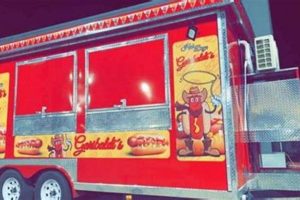
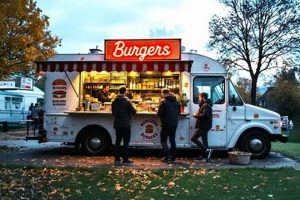
Mobile culinary businesses, frequently operating from modified vehicles, represent a significant facet of Pennsylvania’s dining landscape. These establishments offer diverse cuisines, providing convenient and often unique meal options across the Commonwealth. They range from classic American fare to international specialties, serving communities at varied locations and events.
The presence of these mobile vendors contributes to economic vitality by fostering entrepreneurship and creating accessible culinary opportunities. They enhance community events, providing readily available food options and adding to the overall vibrancy of public spaces. Their flexible nature allows them to reach areas underserved by traditional brick-and-mortar restaurants, expanding dining choices.
The following sections will explore the regulatory framework governing these businesses within the state, the variety of culinary offerings available, common operational considerations, and their overall impact on Pennsylvania’s food culture. This will provide a better understanding of their role and function in the Keystone state.
Operational Considerations for Mobile Food Vendors in Pennsylvania
Establishing and maintaining a successful mobile food vending operation within Pennsylvania requires careful attention to regulatory compliance and operational efficiency. Adherence to the following guidelines is essential for both legal operation and sustained profitability.
Tip 1: Secure Necessary Permits: Obtain all required permits and licenses from the Pennsylvania Department of Agriculture, as well as relevant municipal and county authorities. Failure to do so can result in fines and operational shutdown. Research specific requirements based on location and type of food served.
Tip 2: Ensure Food Safety Compliance: Implement rigorous food safety protocols that meet or exceed Pennsylvania Department of Agriculture standards. Regular training of staff in proper food handling, storage, and preparation techniques is crucial. Maintain documented records of temperature monitoring and sanitation practices.
Tip 3: Optimize Route Planning and Location Selection: Conduct thorough market research to identify locations with high foot traffic and unmet demand. Develop a detailed route plan that optimizes travel time and minimizes fuel costs. Consider factors such as accessibility, parking availability, and local regulations when choosing locations.
Tip 4: Invest in Reliable Equipment: Acquire high-quality, durable equipment that can withstand the demands of mobile operation. Regular maintenance and timely repairs are essential to prevent breakdowns and ensure uninterrupted service. Prioritize energy-efficient appliances to minimize operating costs.
Tip 5: Implement Effective Marketing Strategies: Develop a comprehensive marketing plan that leverages social media, local events, and partnerships with complementary businesses. Promote unique menu items, special offers, and location updates to attract and retain customers. Utilize customer feedback to continuously improve offerings and service.
Tip 6: Manage Waste Disposal Responsibly: Establish a system for proper waste disposal that complies with all applicable environmental regulations. Secure agreements with approved waste management providers to ensure responsible disposal of food waste, packaging, and other materials. Practice source reduction to minimize waste generation.
Successful navigation of these key areas will contribute significantly to long-term viability and positive impact within the Pennsylvania culinary landscape.
The concluding section will provide a synthesis of key insights and a forward-looking perspective on the mobile food industry within the Commonwealth.
1. Regulations

The operation of mobile food vendors within Pennsylvania is subject to a complex framework of regulations enacted at the state, county, and municipal levels. These regulations dictate operational parameters, ensure public safety, and promote fair business practices. Compliance is not merely a legal obligation; it is a fundamental requirement for sustainable operation. Non-adherence can result in penalties ranging from fines to operational shutdowns.
Regulations address various aspects, including food safety standards, permitting requirements, zoning restrictions, and waste disposal protocols. The Pennsylvania Department of Agriculture sets statewide standards for food handling and preparation, which mobile vendors must rigorously adhere to. Local municipalities often impose additional regulations concerning where and when these businesses can operate, addressing concerns about traffic congestion, noise levels, and competition with existing brick-and-mortar establishments. For example, some cities may restrict operation within a certain radius of schools or established restaurants.
Understanding and navigating these regulations is paramount for anyone seeking to operate a mobile food business in Pennsylvania. Challenges arise from the fragmented nature of local ordinances, necessitating careful research and diligent compliance efforts. However, adherence to regulations not only ensures legal operation but also builds trust with customers and contributes to a more responsible and sustainable mobile food industry within the Commonwealth. A grasp of these regulatory dynamics shapes the practicality and possibilities for food truck ventures in PA.
2. Menu Diversity

The proliferation of mobile food vendors in Pennsylvania has coincided with a notable expansion in the range of available culinary options. This menu diversity represents a defining characteristic of the state’s food truck landscape, offering consumers alternatives to traditional restaurant fare. The inherent mobility of these businesses allows them to cater to varied tastes and preferences, adapting menus to suit specific events, locations, and demographic profiles. This adaptability contributes significantly to their appeal and sustained success.
The prevalence of diverse cuisines stems from both entrepreneurial innovation and consumer demand. Owners of these businesses often leverage personal culinary backgrounds or identify niche markets, offering specialized menus that distinguish them from competitors. Examples include gourmet grilled cheese trucks, offering variations beyond the standard preparation; ethnic food trucks, specializing in cuisine from specific regions such as Korean BBQ or Venezuelan arepas; and dessert trucks, providing artisanal ice cream, pastries, or other sweet treats. The impact is that PA foodies have options to have authentic food.
The implications of this culinary diversity extend beyond mere choice. It fosters a more dynamic and competitive food environment, encouraging innovation and improving overall quality. Menu options directly impact the success and visibility of the vendor in a saturated marketplace. Though challenges can arise in maintaining quality across a broad menu or sourcing ingredients for specialized cuisines, the overall contribution of menu diversity enhances the dining experience and bolsters the economic viability of mobile food businesses within Pennsylvania.
3. Mobility

The defining characteristic of mobile food vending in Pennsylvania is inherent in its nomenclature: mobility. This attribute dictates not only the operational logistics but also shapes the economic potential and community impact of these businesses. Mobility affords a level of flexibility and market reach unattainable by traditional brick-and-mortar establishments.
- Adaptability to Events and Locations
Mobility allows vendors to target specific events such as festivals, concerts, and sporting competitions, capitalizing on concentrated demand. Locations with limited dining options, such as industrial parks or construction sites, become viable markets. The ability to relocate based on seasonal demand or special events represents a strategic advantage.
- Reduced Overhead Costs
Compared to traditional restaurants, mobile vendors often face significantly lower overhead costs. Absence of rent or mortgage payments, coupled with reduced utility expenses, translates to greater financial flexibility. These savings can be reinvested in menu development, marketing, or equipment upgrades, fostering sustainable growth.
- Market Testing and Expansion
Mobility enables entrepreneurs to test new markets and menu concepts with minimal upfront investment. The ability to operate in different locations provides valuable insights into consumer preferences and regional demand. Successful market testing can inform decisions regarding expansion, including the potential establishment of permanent locations or additional mobile units.
- Accessibility in Underserved Areas
Mobile vendors can provide access to diverse culinary options in communities lacking traditional restaurants or limited dining choices. This accessibility is particularly valuable in rural areas or low-income neighborhoods, where mobile food businesses can fill a critical gap in the local food landscape. They often serve as a catalyst for revitalization.
These facets of mobility collectively define the operational paradigm of mobile food vendors in Pennsylvania. The advantages derived from this flexibility shape not only the economic prospects of individual businesses but also contribute to the overall vibrancy and diversity of the state’s culinary ecosystem.
4. Community Impact

The presence of mobile food vendors significantly impacts communities across Pennsylvania. This influence extends beyond mere provision of food, encompassing economic, social, and cultural dimensions. The effect often manifests as increased vibrancy in public spaces, support for local economies, and facilitation of community gatherings. Mobile food businesses frequently participate in local events, thereby contributing to a sense of place and fostering social interaction. This role is particularly pronounced in smaller towns or underserved urban areas where access to diverse culinary options may be limited. The ripple effect includes supporting local farmers, suppliers, and artisans, fostering a more sustainable food system.
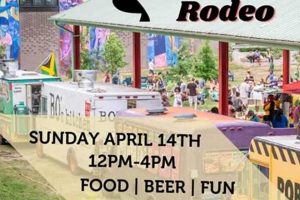
Real-world examples underscore this community connection. Consider a food truck rally in a small Pennsylvania town, drawing hundreds of visitors and generating revenue for local businesses. Or observe a mobile food vendor consistently donating a portion of proceeds to a local charity or sponsoring a youth sports team. Such actions create goodwill, enhance brand loyalty, and further integrate the business into the fabric of the community. Conversely, negative impacts can arise from noise pollution, improper waste disposal, or competition with existing restaurants, necessitating careful management and proactive community engagement.
In conclusion, the relationship between mobile food vendors and the communities they serve is complex and multifaceted. While potential challenges exist, the overall impact is generally positive, contributing to economic growth, social cohesion, and cultural enrichment. Understanding and maximizing this community benefit requires a collaborative approach involving vendors, local governments, and community organizations, thereby ensuring that mobile food businesses serve as a valuable asset for Pennsylvania’s diverse communities.
5. Economic Contributions

The mobile food vending industry, specifically its presence in Pennsylvania, yields substantial economic contributions, impacting various sectors and demographics. These contributions manifest through direct revenue generation, job creation, and ancillary economic activities. This analysis explores key facets of the economic role played by mobile food businesses within the Commonwealth.
- Direct Revenue Generation
Mobile food vendors generate direct revenue through sales of food and beverages. This revenue contributes to the state’s tax base through sales tax collection. The aggregate sales volume of mobile food businesses across Pennsylvania constitutes a significant economic activity. For example, a food truck operating at a popular event in Philadelphia or Pittsburgh can generate thousands of dollars in revenue in a single day. This direct revenue stream supports the vendor’s livelihood and contributes to the overall economic output of the state.
- Job Creation
The operation of mobile food businesses creates employment opportunities. Each food truck typically employs several individuals, including cooks, servers, and drivers. The aggregate employment within the mobile food vending sector contributes to reducing unemployment rates. Real-world examples include mobile food businesses expanding their operations and hiring additional staff to meet increasing demand. This job creation is particularly valuable in areas with limited employment options.
- Supply Chain Support
Mobile food vendors rely on a network of suppliers for ingredients, equipment, and packaging. This demand stimulates economic activity within the supply chain. Local farmers, food distributors, and equipment manufacturers benefit from the purchasing power of mobile food businesses. For instance, a food truck specializing in locally sourced ingredients supports nearby farms and promotes sustainable agriculture. This support strengthens the local economy and reduces reliance on external suppliers.
- Tourism and Event Enhancement
Mobile food vendors enhance tourism and event experiences, attracting visitors and generating additional economic activity. Their presence at festivals, concerts, and sporting events increases attendance and boosts spending on related goods and services. Tourists and event attendees often seek out unique and diverse food options, which mobile vendors readily provide. A food truck offering regional specialties at a Pennsylvania state fair can attract tourists and contribute to the overall economic success of the event.
In summary, the economic contributions of mobile food businesses in Pennsylvania are multifaceted and far-reaching. The direct revenue generation, job creation, supply chain support, and tourism enhancement collectively contribute to the economic vitality of the Commonwealth. Understanding and supporting this sector can foster further economic growth and create opportunities for entrepreneurs and communities alike. Expanding the discussion of its overall benefits can be achieved by adding more support and examples.
6. Accessibility
Accessibility, in the context of mobile food vending within Pennsylvania, represents a multifaceted concept encompassing physical availability, economic feasibility, and dietary inclusivity. The mobile nature of these businesses inherently broadens access to culinary options for a wider segment of the population. The influence of accessibility will be explored within several key facets.
- Geographic Reach
Mobile vendors extend food access to areas underserved by traditional brick-and-mortar restaurants. Rural communities, industrial parks, and construction sites often lack diverse dining options. Mobile food businesses can strategically position themselves in these locations, providing convenient and accessible meals to residents and workers. A food truck regularly visiting a remote industrial area provides a valuable service to employees who otherwise would have limited lunch options. This extends food availability to areas lacking fixed-location amenities.
- Economic Affordability
Mobile food typically offers meals at price points that are more accessible to a broader range of consumers compared to many traditional restaurants. Lower overhead costs translate to lower menu prices, making dining out a more feasible option for budget-conscious individuals and families. A food truck offering affordable lunch specials near a college campus provides an economically accessible option for students. This price point accessibility contributes to increased food security and dining flexibility.
- Event-Based Availability
Mobile vendors provide convenient food options at public events, festivals, and gatherings. The concentration of people at these events creates a readily accessible market. Attendees benefit from the availability of diverse food choices without having to leave the event premises. A food truck operating at a local music festival offers attendees convenient access to various cuisines, enhancing the overall event experience. Event-based availability significantly enhances consumer access to diverse food choices.
- Dietary Inclusivity
Some mobile food businesses specialize in catering to specific dietary needs, offering vegan, vegetarian, gluten-free, or allergy-friendly options. This specialized focus increases accessibility for individuals with dietary restrictions or preferences. A food truck specializing in vegan cuisine at a health and wellness fair provides accessible meal options for attendees with specific dietary requirements. The inclusion allows consumers with specialty diets to broaden their dining experiences.
The confluence of geographic reach, economic affordability, event-based availability, and dietary inclusivity underscores the role of mobile food businesses in expanding access to food within Pennsylvania. While challenges such as regulatory hurdles and competition remain, the inherent accessibility of mobile vending positions it as a valuable component of the state’s food ecosystem. By understanding and addressing the needs of diverse communities, mobile food vendors can further enhance their accessibility and contribute to a more equitable food landscape.
Frequently Asked Questions
The following section addresses common inquiries regarding the operation and regulation of mobile food businesses within the Commonwealth of Pennsylvania. This information is intended to provide clarity and guidance to prospective vendors, consumers, and community stakeholders.
Question 1: What permits are required to operate a food truck in Pennsylvania?
Mobile food vendors are typically required to obtain permits from the Pennsylvania Department of Agriculture, as well as relevant municipal and county authorities. Specific requirements vary based on location and type of food served. A food safety certification is also commonly required.
Question 2: What are the regulations regarding food safety for mobile food vendors?
Mobile food vendors must adhere to food safety standards established by the Pennsylvania Department of Agriculture. These standards cover food handling, storage, preparation, and sanitation practices. Regular inspections are conducted to ensure compliance.
Question 3: Where can a food truck legally operate in Pennsylvania?
Permissible operating locations are governed by local zoning ordinances. Municipalities may restrict operation in certain areas, such as near schools or established restaurants. Vendors must obtain permission from property owners to operate on private land.
Question 4: What are the requirements for waste disposal for mobile food businesses?
Mobile food vendors are responsible for proper waste disposal in accordance with environmental regulations. They must secure agreements with approved waste management providers for responsible disposal of food waste, packaging, and other materials.
Question 5: How does the mobile food vending industry contribute to the Pennsylvania economy?
The mobile food vending industry contributes to the Pennsylvania economy through direct revenue generation, job creation, supply chain support, and tourism enhancement. They directly impact the revenue of tourism in PA and other aspects related to sales.
Question 6: What resources are available to assist individuals interested in starting a food truck business in Pennsylvania?
Resources available to assist prospective vendors include the Pennsylvania Department of Agriculture, Small Business Development Centers, and industry associations. These organizations provide guidance on permitting, financing, and operational best practices.
In summary, operating a mobile food business in Pennsylvania requires adherence to a complex framework of regulations and careful consideration of operational best practices. Accessing available resources and engaging with local authorities can facilitate successful and sustainable operation.
The concluding section will provide a summary of the key aspects of the mobile food vending industry in Pennsylvania, highlighting its impact on the state’s culinary landscape and economic vitality.
Conclusion
The analysis presented herein has illuminated the multifaceted nature of mobile food vending within the Commonwealth. The discussion has covered operational logistics, regulatory frameworks, economic contributions, and community impact. The role of menu diversity, geographic mobility, and accessibility considerations have been emphasized as defining characteristics of the industry. The overall benefits, while significant, are contingent on careful regulatory adherence and community engagement.
Continued evaluation and support of responsible mobile food business practices are warranted to ensure its sustainable contribution to Pennsylvanias economy and community vibrancy. Future policy considerations should focus on streamlining regulations, fostering innovation, and promoting equitable competition within the states dynamic culinary landscape. The findings presented here require further analysis.