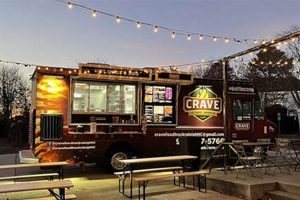
Illumination systems for mobile culinary businesses often incorporate light-emitting diodes. These lighting solutions are specifically designed for installation within the confines of a food truck, providing task lighting for food preparation and ambient lighting for customer interaction.
Effective illumination enhances the safety and efficiency of food truck operations. Bright, focused lighting improves visibility for cooking and serving, minimizing errors and potential hazards. Furthermore, well-lit environments can positively influence customer perception and create a more inviting atmosphere, potentially leading to increased sales.
Subsequent sections will examine the various types of these systems available, focusing on factors such as energy efficiency, durability, color temperature options, and installation considerations. A thorough understanding of these aspects allows operators to make informed decisions when selecting optimal lighting solutions for their mobile food establishments.
Optimizing Illumination
Strategic implementation of appropriate illumination can significantly enhance the functionality and appeal of a mobile food vending unit. The following recommendations offer guidance on maximizing the benefits derived from such lighting systems.
Tip 1: Prioritize Energy Efficiency: Opt for low-wattage options with high lumen output. This reduces the strain on the generator or battery system and minimizes operational costs over the long term. Consider models with dimming capabilities for further energy conservation.
Tip 2: Evaluate Color Temperature: Select a color temperature appropriate for the food being prepared and served. Warmer tones (2700-3000K) can enhance the visual appeal of certain foods, while cooler tones (4000-5000K) provide better visibility for intricate tasks.
Tip 3: Ensure Adequate Task Lighting: Position fixtures directly above food preparation surfaces. This provides focused illumination, reducing the risk of errors and promoting safe food handling practices.
Tip 4: Implement Ambient Lighting for Customer Areas: Utilize softer, diffused lighting to create a welcoming atmosphere for patrons. Consider indirect lighting options to minimize glare and create a more comfortable environment.
Tip 5: Choose Durable and Weather-Resistant Fixtures: Mobile food vending units are exposed to various environmental conditions. Select fixtures designed to withstand vibrations, moisture, and temperature fluctuations.
Tip 6: Comply with Local Regulations: Research and adhere to all applicable regulations regarding lighting requirements for mobile food vendors. This may include restrictions on brightness, glare, and placement of fixtures.
Tip 7: Consider Lighting Placement for Aesthetics and Functionality: Strategic placement can highlight menu boards, enhance branding, and create an appealing visual presence, attracting customers and reinforcing the food truck’s identity.
Effective lighting is a critical component of a successful mobile food vending operation. By carefully considering energy efficiency, color temperature, durability, and compliance requirements, vendors can optimize illumination to enhance both operational efficiency and customer experience.
The following sections will delve into specific product recommendations and case studies, providing further insights into the practical application of these lighting strategies.
1. Brightness

Effective illumination within a mobile food establishment hinges critically on the parameter of brightness. Sufficient luminance is not merely an aesthetic consideration; it is fundamental to operational efficiency, safety, and customer satisfaction. Inadequate brightness compromises food preparation precision, increases the risk of accidents, and diminishes the overall appeal of the food truck environment.
- Task Lighting Requirements
Brightness directly correlates with the ability of food handlers to perform their tasks accurately and safely. Specific areas, such as food preparation surfaces and cooking stations, necessitate higher levels of illumination to minimize errors and prevent injuries. The intensity of light required is dependent on the complexity of the task and the size of the objects being manipulated. Insufficient task lighting can lead to misidentification of ingredients, improper cooking techniques, and an increased risk of cuts or burns.
- Safety and Hazard Mitigation
Adequate brightness is paramount for identifying potential hazards within the confined space of a food truck. Slippery surfaces, exposed wiring, and improperly stored equipment can all pose significant risks if not readily visible. Increased luminance enhances the ability to detect these hazards promptly, allowing for immediate corrective action. Moreover, well-lit interiors deter potential criminal activity, contributing to the overall security of the business.
- Customer Experience and Visual Appeal
The brightness level significantly impacts the customer’s perception of the food truck. A well-illuminated serving area creates a welcoming and professional atmosphere, instilling confidence in the cleanliness and quality of the operation. Conversely, a dimly lit environment can project an image of neglect and potentially deter customers. Strategic use of bright lighting can also highlight menu boards, signage, and food displays, effectively capturing attention and influencing purchasing decisions.
- Lumen Output and Fixture Selection
Brightness is objectively quantified in lumens, a measure of the total amount of visible light emitted by a source. When selecting light-emitting diode (LED) fixtures for a food truck, it is essential to carefully consider the lumen output of each fixture in relation to the intended application. Different areas within the truck will require varying levels of brightness, necessitating a combination of fixtures with different lumen ratings. Furthermore, the beam angle and distribution pattern of the light will influence the perceived brightness and overall illumination effectiveness.
The proper management of brightness is an integral component of designing an effective illumination system for a mobile food vending unit. The appropriate balance must be achieved between providing sufficient light for task performance and hazard mitigation while also creating a welcoming and visually appealing environment for customers. Selection of LED fixtures with the correct lumen output, beam angle, and color temperature is crucial for optimizing brightness and maximizing the benefits of these lighting solutions within the context of food truck operations.
2. Energy Efficiency

In the context of mobile food vending, energy efficiency is a critical operational consideration directly impacting profitability and sustainability. The adoption of light-emitting diode technology for illumination systems presents a significant opportunity to reduce energy consumption and associated costs within food truck operations.
- Reduced Operational Costs
LEDs consume significantly less power compared to traditional lighting technologies such as incandescent or fluorescent bulbs. This reduction in power consumption translates directly into lower electricity bills or reduced generator fuel consumption, contributing to substantial cost savings over the lifespan of the fixtures. The lower wattage requirements also allow for the use of smaller, more efficient generators, further reducing operational expenses.
- Extended Lifespan and Reduced Maintenance
LEDs boast a significantly longer lifespan compared to conventional lighting options. This extended lifespan minimizes the frequency of bulb replacements, reducing both the labor costs associated with maintenance and the material costs of replacement bulbs. The increased reliability of LEDs also minimizes downtime due to lighting failures, ensuring consistent illumination and uninterrupted service during peak hours.
- Lower Heat Emission and Improved Climate Control
LEDs produce significantly less heat than incandescent or halogen bulbs. This reduced heat emission lessens the burden on the food truck’s climate control system, leading to further energy savings. In confined spaces, the lower heat output of LEDs also contributes to a more comfortable working environment for food preparation staff, improving overall productivity.
- Environmental Impact and Sustainability
The energy efficiency of LEDs translates into a reduced carbon footprint for the food truck operation. Lower energy consumption reduces the demand for electricity generated from fossil fuels, contributing to a decrease in greenhouse gas emissions. The longer lifespan of LEDs also reduces waste associated with bulb replacements, promoting a more sustainable business model. The use of environmentally friendly lighting options can also enhance a food truck’s brand image, appealing to environmentally conscious customers.
The cumulative effect of these factors underscores the importance of prioritizing energy efficiency when selecting illumination systems. The integration of light-emitting diodes into food trucks not only offers significant economic benefits but also contributes to a more sustainable and environmentally responsible business practice, aligning with the growing consumer demand for eco-conscious vendors.
3. Durability

The operational environment of a mobile food vending unit presents significant challenges to electronic components, particularly illumination systems. Constant movement, vibrations, exposure to varying weather conditions, and frequent power fluctuations demand that lighting fixtures possess a high degree of resilience. The link between “durability” and these systems is thus a direct determinant of longevity, reliability, and overall cost-effectiveness.
Consider the typical daily routine of a food truck: transit over uneven road surfaces subjects internal components to continuous vibration, potentially loosening connections or causing physical damage to fragile elements. Furthermore, exposure to extreme temperatures, humidity, and direct sunlight can accelerate degradation of materials and compromise the functionality of internal circuitry. For example, inexpensive, non-sealed light fixtures are prone to moisture ingress, leading to corrosion and premature failure. Contrast this with properly sealed, vibration-resistant models that maintain performance integrity under similar adverse conditions. The initial investment in more robust components is demonstrably justified by reduced replacement frequency and minimized downtime.
Selecting lighting with appropriate ratings for impact resistance (IK rating) and ingress protection (IP rating) is vital. An IK rating indicates the level of protection against mechanical impacts, while an IP rating specifies the degree of protection against dust and moisture. For example, a fixture with an IP67 rating is dust-tight and can withstand temporary immersion in water, making it well-suited for the demanding environment of a food truck. Prioritizing such features extends the service life of lighting systems, lowers maintenance costs, and ensures consistent illumination, all of which contribute to the smooth operation and profitability of a mobile food vending business.
4. Color Temperature

Color temperature, measured in Kelvin (K), defines the perceived warmth or coolness of emitted light and serves as a critical parameter in selecting light-emitting diode (LED) systems for mobile food vending units. The chosen color temperature directly influences the ambiance, aesthetic appeal, and functionality of the illuminated space. A misjudgment in this selection can negatively impact customer experience and food presentation. For instance, an excessively cool light (e.g., 6500K) can render food appearing unappetizing, while an overly warm light (e.g., 2700K) may create a dim, less hygienic impression.
Optimal color temperature selection depends on several factors. Task lighting in food preparation areas generally benefits from cooler, brighter light (4000-5000K) to enhance visibility and precision. In contrast, customer-facing areas often benefit from warmer light (2700-3000K) to create a more inviting and comfortable atmosphere. Restaurants, both mobile and stationary, often employ warmer color temperatures to promote relaxation and appetite. Furthermore, specific foods may appear more visually appealing under certain color temperatures. For example, red meats tend to look more vibrant under warmer light, while salads and vegetables might appear fresher under cooler light. It is also important to consider the color scheme of the food truck’s interior and exterior to ensure the lighting complements the overall design.
Ultimately, effective color temperature management represents a nuanced balance between functionality and aesthetics. By carefully considering the intended use of the illuminated space and the psychological effects of different color temperatures, mobile food vendors can optimize their LED lighting systems to enhance both operational efficiency and customer satisfaction. The integration of dimming capabilities further allows for dynamic adjustment of light intensity and color temperature, enabling adaptation to varying conditions and preferences throughout the day. Failure to address color temperature requirements during the selection process frequently leads to dissatisfaction and the need for costly retrofitting.
5. Installation

Proper installation is paramount for the safe and effective operation of light-emitting diode (LED) systems within mobile food vending units. Deviations from established electrical standards or manufacturer guidelines can compromise system performance, create safety hazards, and potentially violate local regulations.
- Electrical System Compatibility
Successful implementation requires careful consideration of the food truck’s existing electrical infrastructure. Voltage requirements, amperage capacity, and wiring configurations must be thoroughly assessed to ensure compatibility with the intended LED fixtures. Overloading circuits or improper wiring can lead to system failures, electrical fires, and equipment damage. Professional assessment and modification of the electrical system may be necessary to accommodate the new lighting.
- Wiring and Connections
Secure and properly insulated wiring connections are essential for preventing short circuits and ensuring reliable power delivery. All connections should be made using appropriate connectors and wiring techniques, adhering to established electrical codes. Exposed or improperly insulated wiring presents a significant risk of electrical shock and fire. The use of conduit or other protective measures may be necessary to safeguard wiring from physical damage.
- Fixture Mounting and Placement
The method of mounting LED fixtures must be appropriate for the intended location and application. Fixtures should be securely fastened to a stable surface to prevent movement or dislodgement during transit. Proper placement is crucial for optimizing illumination levels and minimizing glare. Considerations should be given to the location of heat-generating equipment and the potential for physical contact with employees or customers.
- Compliance and Inspections
Adherence to local electrical codes and regulations is mandatory for all lighting installations within mobile food vending units. Many jurisdictions require electrical inspections to ensure compliance with safety standards. Failure to comply with these regulations can result in fines, operational shutdowns, and potential legal liabilities. A qualified electrician should be consulted to ensure that all installation work meets the required standards.
The integration of light-emitting diode systems into mobile food vending units necessitates a meticulous and professional approach to installation. Proper planning, adherence to electrical codes, and careful execution are critical for ensuring the safety, reliability, and longevity of the lighting system. Neglecting these considerations can have significant consequences, ranging from operational disruptions to serious safety hazards. Investment in professional installation services is a prudent measure for mitigating these risks and maximizing the benefits of LED lighting technology.
Frequently Asked Questions Regarding Mobile Food Vendor Illumination
The following section addresses common inquiries concerning illumination systems for mobile food establishments, emphasizing the application of light-emitting diode (LED) technology.
Question 1: What are the primary benefits of utilizing light-emitting diode systems in a mobile food unit?
LED systems offer several advantages over traditional lighting technologies, including reduced energy consumption, extended lifespan, lower heat emission, and enhanced durability. These factors contribute to decreased operational costs, improved energy efficiency, and a smaller environmental footprint.
Question 2: How should a mobile food vendor determine the appropriate brightness levels for various areas within the unit?
Brightness requirements vary depending on the specific task and location. Food preparation areas necessitate higher luminance for precision and safety, while customer-facing areas benefit from softer, more ambient lighting to create a welcoming atmosphere. Industry-standard recommendations for illumination levels in commercial kitchens should be consulted.
Question 3: What color temperature range is recommended for mobile food truck light systems?
A color temperature range of 2700-3000 Kelvin (K) is typically recommended for customer areas to provide a warm and inviting ambiance. Food preparation areas may benefit from a cooler color temperature (4000-5000 K) to enhance visibility and accuracy. Personal preferences and the type of food being served should also be considered.
Question 4: What safety certifications should one look for when selecting lighting equipment for a mobile food vending operation?
Lighting equipment should be certified by recognized testing laboratories such as UL, ETL, or CE. These certifications indicate that the product has been tested and meets established safety standards. Additionally, ensure that the equipment is rated for the intended environment, considering factors such as moisture resistance and vibration.
Question 5: Are there specific regulations governing lighting systems in mobile food vending units?
Local regulations regarding electrical installations and lighting requirements for commercial food establishments vary. It is essential to consult with local authorities and qualified electricians to ensure compliance with all applicable codes and standards. This may include restrictions on brightness, glare, and placement of fixtures.
Question 6: What is the estimated lifespan of lighting components in a mobile food truck and how often should these components be inspected or changed?
The lifespan of illumination components can vary depending on factors such as operating hours, environmental conditions, and product quality. It is recommended to implement a regular inspection schedule to identify and address any signs of wear or damage. While systems generally boast extended lifespans, proactive maintenance will further reduce the incidence of failures and promote stable operation.
Appropriate selection, installation, and maintenance of lighting systems are crucial for ensuring the safety, efficiency, and aesthetic appeal of a mobile food vending business.
The subsequent segment will provide case studies illustrating best practices in illumination design for mobile food vending applications.
Conclusion
The foregoing analysis demonstrates that effective illumination strategies are integral to the successful operation of mobile food vending businesses. Prioritizing key aspects, encompassing brightness, energy efficiency, durability, color temperature, and adherence to installation protocols, ensures optimal functionality and customer appeal. Selection of appropriate “food truck led lights” emerges as a critical decision point for operators.
Adopting these guidelines facilitates the creation of safe, efficient, and visually appealing mobile food environments. Continued innovation in lighting technology and adaptation to evolving regulatory requirements will further enhance the role of “food truck led lights” in shaping the future of mobile culinary enterprises. Prudent investment in optimized illumination solutions is a strategic imperative for sustained success in this dynamic industry.