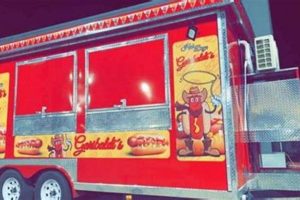
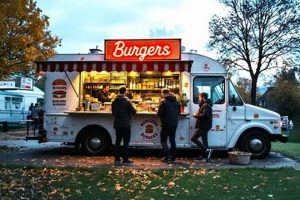
A mobile culinary business that incorporates climate control provides a comfortable environment for staff and protects perishable goods from spoilage. These units are essentially restaurants on wheels with the added advantage of a regulated temperature, regardless of external weather conditions.
The implementation of temperature regulation in mobile food vending offers numerous advantages. It ensures food safety by maintaining optimal storage temperatures, enhancing customer satisfaction by providing a more pleasant service experience for staff, and extending the operational season into periods of extreme heat. Historically, mobile food vendors faced significant limitations due to weather, making climate control a considerable innovation.
This article will delve into the design considerations, operational efficiencies, and economic implications of climate-controlled mobile food vending solutions. It will explore the specific technologies used, the regulatory landscape surrounding them, and their impact on the broader food service industry.
Tips for Operating a Climate-Controlled Mobile Food Business
Effective operation of a mobile food business featuring integrated climate control necessitates careful planning and consistent execution. The following tips outline crucial aspects for success.
Tip 1: System Maintenance: Regular preventative maintenance is essential. Inspect and clean the air conditioning unit’s filters, coils, and drainage systems according to the manufacturer’s recommendations. Neglecting this results in reduced efficiency and potential breakdowns.
Tip 2: Power Source Management: Select an appropriate and reliable power source. Generators should be properly sized to accommodate the cooling unit’s electrical demands, along with other appliances. Consider the environmental impact of generator emissions and explore alternative power solutions like solar panels or shore power connections where available.
Tip 3: Insulation Optimization: Maximize the unit’s insulation to reduce the cooling load. Ensure proper sealing around doors, windows, and other openings to minimize air leakage. This conserves energy and improves the system’s overall efficiency.
Tip 4: Temperature Monitoring: Implement a temperature monitoring system to track internal conditions. Digital thermometers with data logging capabilities provide valuable insights into temperature fluctuations, allowing for timely adjustments and ensuring food safety compliance.
Tip 5: Staff Training: Train staff on proper operation and maintenance procedures. Employees should understand how to adjust temperature settings, troubleshoot common issues, and report any malfunctions promptly. Effective training minimizes downtime and prevents costly repairs.
Tip 6: Strategic Parking: When possible, park in shaded areas to reduce solar heat gain. Orientation of the vehicle relative to the sun can significantly impact the cooling system’s workload, particularly during peak hours.
The consistent application of these strategies contributes to the longevity and profitability of a mobile food business equipped with climate control.
The subsequent sections will address best practices and regulatory guidelines for maintaining a climate-controlled environment for optimal performance and compliance.
1. Temperature Consistency

Stable temperature is a foundational element in the operation of a mobile food business featuring air conditioning. The climate control system directly governs the maintenance of consistent internal temperatures, mitigating fluctuations caused by external environmental changes. Inconsistency in temperature can lead to bacterial growth within food products, resulting in spoilage and potential health hazards. Thus, effective temperature regulation is a critical component of food safety protocols within these mobile units.
Consider a scenario where an ice cream vendor operates in a high-temperature environment. Without a functional climate control system, the freezer’s ability to maintain the necessary sub-zero temperature is compromised. The ice cream melts and refreezes, altering its texture and potentially rendering it unsafe for consumption. In contrast, a food truck with a properly maintained air conditioning system can regulate the internal environment, preserving the quality and safety of perishable goods, regardless of external conditions.
The interconnection between temperature stability and mobile food businesses with climate control extends to operational efficiency and customer satisfaction. Regular monitoring and preventative maintenance of the cooling system, alongside appropriate insulation, directly supports stable temperatures. Effective temperature consistency mitigates spoilage, reduces waste, and enhances customer satisfaction by offering a high-quality product. Challenges such as equipment malfunction or power outages require immediate attention to preserve the integrity of the cooling system. Temperature consistency is a central determinant of success.
2. Equipment Maintenance

Equipment maintenance is critical to the reliable and efficient operation of a climate-controlled mobile food business. Regular upkeep prevents breakdowns, ensures food safety, and maximizes the lifespan of essential systems. Neglecting maintenance can lead to costly repairs, lost revenue, and potential health code violations.
- Air Conditioning Unit Servicing
The air conditioning unit requires regular inspection and cleaning of its coils, filters, and refrigerant levels. Dirty coils reduce cooling efficiency, while low refrigerant can cause the compressor to fail. Scheduled servicing by a qualified technician ensures optimal performance and prevents major malfunctions. For example, failing to clean the condenser coils can reduce cooling capacity by as much as 30%, directly impacting the ability to maintain safe food storage temperatures.
- Generator Maintenance
For food trucks relying on generators, consistent maintenance is paramount. This includes regular oil changes, spark plug replacements, and air filter cleaning. A poorly maintained generator can experience voltage fluctuations, potentially damaging sensitive equipment like refrigerators and point-of-sale systems. Furthermore, an overloaded or malfunctioning generator poses a fire hazard, requiring adherence to safety protocols and preventative maintenance schedules.
- Refrigeration System Checks
Refrigeration systems must be regularly inspected for leaks, temperature calibration, and proper airflow. Defective door seals, for example, allow warm air to enter, increasing the cooling load and potentially compromising food safety. Regular calibration ensures that the refrigeration units maintain accurate temperatures, preventing food spoilage and satisfying health inspection requirements. Scheduled inspections help identify and address minor issues before they escalate into major problems.
- Electrical System Inspection
The electrical system within a climate-controlled food truck requires periodic inspection to identify loose wiring, corroded connections, and damaged components. Overloaded circuits can lead to electrical fires, while faulty wiring can cause equipment malfunctions. A qualified electrician should conduct thorough inspections to ensure the electrical system is functioning safely and efficiently, reducing the risk of electrical hazards and equipment failure.
The consistent execution of a comprehensive maintenance program is essential for ensuring the reliability and longevity of a mobile food business with climate control. Neglecting routine maintenance can lead to costly repairs, potential health code violations, and disruptions to operations, directly impacting profitability and customer satisfaction.
3. Power Requirements

Operating a climate-controlled mobile food business necessitates careful consideration of power demands. Air conditioning units, refrigeration systems, cooking equipment, and lighting all contribute to the overall electrical load. Insufficient power capacity results in system inefficiencies, equipment malfunction, and potential operational shutdowns. Conversely, an overestimation of power needs leads to unnecessary fuel consumption and increased operating costs. Accurate assessment and management of power demands are therefore fundamental to the economic viability and functional reliability of the mobile food operation.
The primary power source for these businesses typically involves a generator. Selecting a generator of appropriate capacity is crucial. A generator sized too small struggles to meet peak power demands, leading to voltage drops that damage sensitive electronic components. For example, starting an air conditioning compressor requires a significant surge of power. If the generator cannot supply this surge, the compressor may fail prematurely. Alternatively, an oversized generator operates inefficiently at lower loads, consuming more fuel and producing higher emissions. Proper sizing involves calculating the total wattage requirements of all equipment and adding a buffer for safety and future expansion. Alternative power sources, such as shore power connections at designated locations or solar panels combined with battery storage, present options for reducing generator dependence, minimizing environmental impact, and potentially lowering operating costs.
In summary, the power requirements of climate-controlled mobile food businesses represent a complex but critical operational element. Accurate assessment, strategic source selection, and ongoing management contribute to system reliability, cost efficiency, and environmental responsibility. Overlooking these considerations can lead to significant operational challenges and financial losses.
4. Food Safety

Food safety is a paramount concern within the mobile food service industry, and the integration of climate control significantly influences the ability to maintain safe food handling practices. Temperature regulation directly impacts the growth of harmful bacteria and the preservation of perishable ingredients. The absence of effective climate control exposes food to temperature fluctuations that compromise its integrity, posing potential health risks to consumers. Consequently, the presence and proper functioning of air conditioning systems in mobile food units are intrinsically linked to mitigating these risks and upholding food safety standards.
- Temperature Control and Pathogen Growth
Consistent temperature control is crucial for inhibiting the proliferation of foodborne pathogens. Bacteria such as Salmonella and E. coli thrive within specific temperature ranges, often referred to as the “danger zone.” An effectively air-conditioned food truck maintains temperatures outside this zone, significantly reducing the risk of bacterial contamination. For instance, if a unit consistently holds refrigerated items below 40F (4.4C), bacterial growth is substantially slowed, extending the safe shelf life of those items.
- Preservation of Perishable Goods
Climate control extends the usability and safety of perishable ingredients. Produce, dairy products, and meats require specific storage temperatures to prevent spoilage and maintain their quality. An air-conditioned environment minimizes the impact of external heat, enabling the preservation of these ingredients for longer periods. A food truck selling salads, for example, can ensure the lettuce and other vegetables remain crisp and safe for consumption throughout the day, even under high ambient temperatures.
- Compliance with Health Regulations
Health departments impose strict regulations regarding food storage temperatures to prevent foodborne illnesses. Air-conditioned mobile food units are better positioned to meet these requirements consistently. Digital temperature monitoring systems integrated with the climate control ensure that internal temperatures remain within acceptable ranges. Documentation of these temperatures serves as evidence of compliance during health inspections, reducing the risk of fines or operational closures.
- Reduction of Condensation and Moisture
Climate control minimizes condensation, mitigating mold growth. Moisture accumulation within a mobile food unit fosters the growth of mold and other microorganisms, which can contaminate food and create unsanitary conditions. Air conditioning systems reduce humidity levels, inhibiting the formation of condensation and preventing mold proliferation. Maintaining a dry environment within the unit minimizes the risk of contamination and promotes overall food safety.
The implementation of effective climate control within mobile food operations directly supports food safety initiatives. It provides a controlled environment that inhibits bacterial growth, preserves perishable ingredients, facilitates regulatory compliance, and reduces the risk of contamination. In conclusion, air conditioning is not merely a comfort feature; it constitutes a fundamental element of ensuring food safety within the mobile food service industry.
5. Staff Comfort

The presence of air conditioning in a mobile food unit directly impacts employee well-being and productivity. Prolonged exposure to high temperatures leads to heat stress, dehydration, and decreased cognitive function. These conditions not only compromise the health of the staff but also elevate the risk of errors in food preparation and handling, ultimately affecting service quality. The provision of a climate-controlled environment mitigates these risks, creating a more conducive and safer workspace for employees.
Consider a mobile food vendor operating in a region with consistently high summer temperatures. Without air conditioning, interior temperatures within the unit can easily exceed safe working limits, leading to fatigue, reduced alertness, and increased irritability among staff. This compromised state diminishes efficiency and raises the likelihood of accidents, such as burns or cuts. In contrast, a climate-controlled unit maintains a comfortable temperature, allowing employees to focus on their tasks without the distraction of physical discomfort. This, in turn, contributes to improved morale, reduced employee turnover, and enhanced customer service. Furthermore, some jurisdictions mandate specific workplace temperature standards, making air conditioning a regulatory necessity rather than merely an optional amenity.
In conclusion, the integration of air conditioning in mobile food businesses transcends mere comfort; it constitutes a critical factor in ensuring staff safety, maintaining operational efficiency, and upholding regulatory compliance. By providing a climate-controlled workspace, employers foster a healthier and more productive environment, ultimately benefiting both employees and the overall success of the business.
6. Operational Efficiency
The integration of climate control directly influences the operational efficiency of a mobile food business. Air conditioning systems maintain consistent internal temperatures, which preserve food quality and extend shelf life. Reduced spoilage translates to lower waste and decreased inventory costs, thereby enhancing profitability. Moreover, a comfortable working environment for staff reduces fatigue and improves productivity, leading to faster service and increased customer throughput. The initial investment in climate control equipment is therefore offset by gains in efficiency and cost savings over time.
Consider a mobile food vendor specializing in perishable items such as salads or seafood. Without air conditioning, these items are susceptible to rapid spoilage, particularly in hot weather. This results in a high rate of waste, increased restocking frequency, and potential revenue losses. In contrast, a climate-controlled unit allows the vendor to store these items safely for extended periods, minimizing waste and reducing the need for frequent restocking trips. The vendor can also operate during peak hours without compromising food safety or quality, further increasing revenue potential. Furthermore, efficient temperature management reduces the workload on refrigeration systems, prolonging their lifespan and lowering energy consumption.
The relationship between climate control and operational efficiency is multifaceted. While the initial expense of acquiring and maintaining air conditioning equipment must be considered, the long-term benefits of reduced waste, improved productivity, and enhanced food safety significantly contribute to overall profitability. The efficient operation of a climate-controlled mobile food business hinges on proper equipment maintenance, strategic inventory management, and effective staff training. These elements, when combined, unlock the full potential of climate control as a driver of operational excellence.
7. Regulatory Compliance

Regulatory compliance for mobile food businesses incorporating climate control systems involves adherence to a complex web of local, state, and federal guidelines. These regulations primarily focus on food safety, sanitation, and workplace safety, with climate control playing a direct role in meeting many of these standards. Failure to comply can result in fines, operational shutdowns, and potential legal liabilities, highlighting the crucial importance of understanding and implementing all applicable regulations. The use of air conditioning systems, while enhancing operational aspects, also introduces specific regulatory considerations related to energy consumption, emissions, and equipment safety.
One prominent area of regulatory concern centers on food temperature management. Health codes typically specify temperature ranges for the storage and display of perishable foods, and air conditioning systems are integral to maintaining these temperatures within mobile food units. Real-world examples include routine inspections where health inspectors verify internal food temperatures and assess the functionality of cooling systems. In cases where temperature violations are identified, operators face immediate corrective actions and potential penalties. Furthermore, regulations governing workplace safety often address heat stress and require employers to provide a safe and comfortable working environment for their employees. Air conditioning helps meet these requirements by mitigating extreme temperatures within the mobile unit. Additionally, depending on the location, regulations might exist regarding the noise levels emitted by generators powering the air conditioning systems, necessitating the use of noise-dampening equipment or alternative power sources.
In conclusion, regulatory compliance is not merely an ancillary concern for mobile food businesses with climate control; it is a fundamental aspect of their operation. Adhering to food safety regulations, workplace safety standards, and environmental guidelines is crucial for avoiding penalties, ensuring the health and well-being of employees and customers, and maintaining a sustainable business model. Ongoing monitoring of regulatory changes and proactive implementation of compliance measures are essential for long-term success in this sector. Therefore, understanding and implementing climate control systems while adhering to the regulatory landscape is critical for businesses wanting to operate successfully.
Frequently Asked Questions
The following addresses common inquiries regarding the operation of mobile food businesses integrating climate control systems. These answers are intended to provide clarity and inform operational decisions.
Question 1: What are the primary benefits of using climate control in a food truck?
Climate control provides consistent temperature for food preservation and staff comfort, extending product shelf life, improving employee productivity, and ensuring regulatory compliance. Proper temperature helps maintain quality and safety of food.
Question 2: How does an air conditioned food truck ensure food safety compliance?
Maintaining precise temperature within regulatory limits, reducing the risk of bacterial growth and spoilage, and providing documented temperature logs for health inspections are key to compliance.
Question 3: What are the energy requirements for powering an air conditioning system in a mobile food unit?
Energy consumption varies based on the system’s size, insulation, and external conditions. Selecting an appropriately sized generator or exploring alternative power solutions such as shore power or solar panels is necessary. Power source needs to be reliable to operate the air conditioning system.
Question 4: What maintenance is required for the air conditioning unit in a food truck?
Routine cleaning of coils and filters, regular inspection of refrigerant levels, and professional servicing are essential for optimal performance and system longevity. Maintenance needs to be consistent.
Question 5: How does the use of air conditioning impact the overall cost of operating a food truck?
While it adds initial equipment and operational costs, air conditioning reduces food spoilage, increases staff productivity, and extends the operational season, potentially leading to long-term cost savings.
Question 6: Are there specific regulations pertaining to the use of air conditioning in mobile food vending?
Regulations vary by jurisdiction, but generally involve noise restrictions, energy consumption standards, and workplace safety requirements related to heat stress. These need to be followed and checked regularly.
In summary, the implementation of climate control in mobile food businesses presents numerous advantages and certain operational considerations. Careful planning and diligent maintenance are critical for maximizing the benefits and mitigating potential challenges.
The succeeding section explores considerations of design.
Air Conditioned Food Truck
This exploration has demonstrated that the integration of air conditioning into mobile food businesses transcends mere convenience. It constitutes a strategic investment that directly impacts food safety, operational efficiency, staff well-being, and regulatory compliance. The economic viability of such an implementation hinges on careful assessment of power requirements, diligent equipment maintenance, and adherence to prevailing legal frameworks.
As the mobile food industry continues to evolve, climate control will likely become an increasingly essential feature, particularly in regions characterized by extreme temperatures. Businesses considering entry into, or expansion within, this sector must prioritize the incorporation of effective cooling systems to ensure sustainable and responsible operations. The future of mobile food vending will increasingly demand attention to temperature controlled environment.